
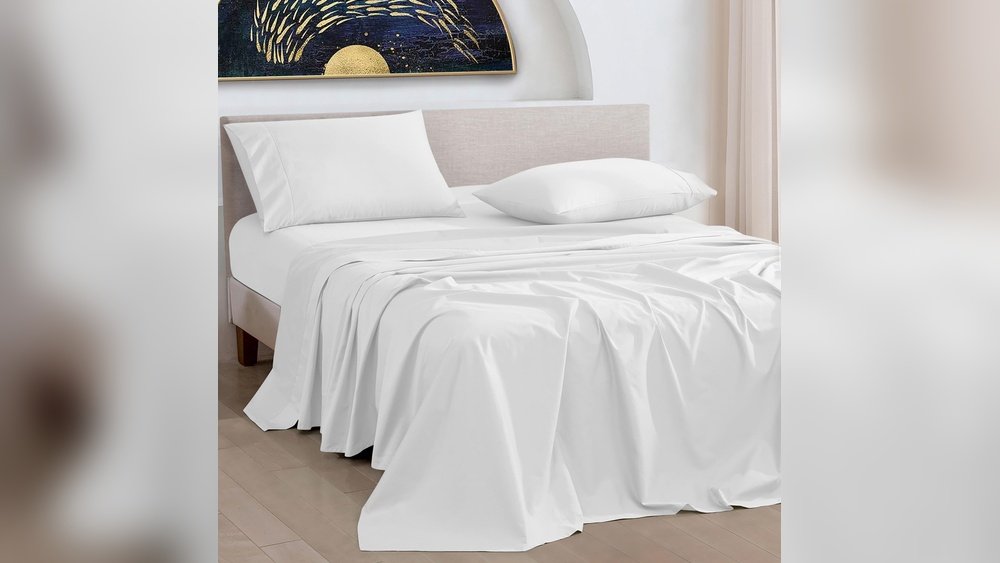
Is 1000 Thread Count Good For Sheets?
When you buy new bed sheets, you often see the word “thread count” on the package. Many people believe that a higher thread count always means better sheets. So, what about 1000 thread count? Is it as good as it sounds?
If you’re not sure, you’re not alone. Many shoppers get confused by these numbers. Let’s break down what thread count really means, how 1000 thread count sheets compare to others, and what you should look for to get the best sleep.
What Is Thread Count?
Thread count is the number of threads woven into one square inch of fabric. To get this number, you add up the threads going lengthwise (warp) and widthwise (weft). For example, if there are 500 warp and 500 weft threads in a square inch, you get a 1000 thread count.
People often think “higher is better” when they see thread count. But that’s not always true. The quality of the threads (yarn) and the way they are woven matter just as much—sometimes more—than the number itself.
How Does 1000 Thread Count Compare To Other Counts?
You can find sheets with thread counts from about 200 up to 1200 or even 1500. Here’s a quick look at what these numbers usually mean in practice:
- 200–400: These sheets are often soft, breathable, and light. Good quality cotton sheets in this range can feel great and stay cool.
- 400–600: These sheets are usually a bit thicker and heavier. They may feel a little more luxurious, depending on the yarn quality.
- 600–800: At this range, some sheets feel very smooth and dense. But not all fabrics benefit from such a high count.
- 1000 and above: Sheets with very high thread counts can feel heavy and less breathable. Sometimes, manufacturers use tricks to reach these numbers, like twisting thin threads together (called “plying”) and counting each strand.
For example, some brands will twist two or three thin threads together to make one thicker thread, then count each strand separately. This can double or triple the thread count without really making the fabric better. So, a 1000 thread count sheet may not always be as luxurious as it sounds.
Myths And Facts About High Thread Counts
Let’s clear up some common misunderstandings:
Myth 1: Higher Thread Count Always Means Softer Sheets
Fact: The type of cotton and how it’s woven are more important for softness. For example, 300 thread count sheets made from high-quality, long-staple cotton (like Egyptian or Pima cotton) usually feel softer and last longer than 1000 thread count sheets made from lower quality fibers.
Myth 2: High Thread Count Sheets Last Longer
Fact: Durability depends on the fiber and weave. Sometimes, sheets with very high thread counts are actually weaker. They use thinner threads packed tightly together, which can break or pill after washing.
Myth 3: 1000 Thread Count Sheets Are Always Hot
Fact: Breathability comes from both the weave and the thread count. Percale weave is more open and airy, while sateen is more tightly woven and can feel warmer. Very high thread count sheets often use a sateen weave, which can trap heat.
Pros And Cons Of 1000 Thread Count Sheets
Not all 1000 thread count sheets are the same. The benefits and drawbacks depend on how the sheets are made.
Advantages
1. Dense And Smooth Feel
1000 thread count sheets can feel heavy, silky, and smooth, especially if made from good quality cotton. If you like sheets that feel substantial and drape nicely, you may enjoy this type.
2. Luxurious Appearance
High thread count sheets often look shiny and elegant, especially with a sateen finish. They can make a bed look more “expensive” and inviting.
3. Less Wrinkling
Because they’re usually tightly woven, many 1000 thread count sheets wrinkle less than lighter, looser fabrics.
Disadvantages
1. Less Breathable
These sheets can trap heat, especially in warm climates or if you sleep hot. The tight weave can block airflow, making you sweat at night.
2. Heavier Fabric
Some people find very high thread count sheets feel too heavy. If you like a crisp, lightweight sheet, you may not enjoy the weight.
3. Price Vs. Value
1000 thread count sheets are often more expensive. But if the cotton is not high quality, you’re paying more for a number, not for comfort or durability.
Common Mistakes When Buying High Thread Count Sheets
Many shoppers focus only on the number, but here are a few mistakes to avoid:
- Not Checking Fiber Quality: Always check if the sheet is made from long-staple cotton like Egyptian or Pima. Short-staple cotton is weaker and rougher.
- Ignoring the Weave: Percale is crisp and cool, while sateen is smooth and shiny but warmer.
- Falling for Marketing Tricks: Some brands inflate thread count by using multi-ply threads and counting each strand, not each finished yarn.
- Overlooking Care Instructions: High thread count sheets can be delicate and may need gentle washing.
How To Choose The Right Sheets For You
Here’s how you can pick great sheets without getting confused by thread count alone:
1. Focus On Fiber Quality
Look for “100% Egyptian cotton,” “Pima cotton,” or “Supima cotton. ” These have longer fibers and feel softer and last longer.
- Pick the Right Weave
- Percale: Matte, crisp, and cool. Good for hot sleepers.
- Sateen: Shiny, smooth, and heavier. Good for a softer, warmer feel.
- Choose a Realistic Thread Count
For most people, 300–500 is ideal. This range is comfortable, durable, and breathable if made with high-quality fibers.
4. Feel Before You Buy
If possible, touch the fabric. High-quality sheets feel smooth and soft, even at lower thread counts.
5. Check Return Policies
If you’re shopping online, make sure you can return or exchange the sheets if you don’t like the feel.
Comparing Thread Counts: What Really Changes?
Here’s a simple comparison to help you see how thread count affects sheet characteristics:
| Thread Count | Feel | Breathability | Durability | Price |
|---|---|---|---|---|
| 200–400 | Light, crisp | Very good | Good | Usually lower |
| 400–600 | Soft, smooth | Good | Very good | Mid-range |
| 600–800 | Dense, silky | Moderate | Good | Higher |
| 1000+ | Heavy, shiny | Lower | Can be weak | Highest |
For most people, a sheet in the 300–500 range, made with high-quality cotton, is the “sweet spot. ” You get comfort, coolness, and durability without paying extra just for a higher number.
Expert Advice And Real-world Experience
Many bedding experts agree: thread count is only one part of sheet quality. For example, Consumer Reports tested sheets and found that many 400 thread count sheets felt and lasted better than 1000 thread count options with lower quality cotton.
In my own experience, I’ve seen people buy high thread count sheets and end up disappointed. The sheets felt too heavy or didn’t last after a few washes. On the other hand, a good 400 thread count percale sheet can feel fresh and new for years with proper care.
Non-obvious Insights Most Shoppers Miss
1. “single Ply” Is Better Than “multi Ply”
If you see “single ply” on a sheet label, that’s a good sign. It means each thread is single and strong. Multi-ply sheets twist several weak threads together and often count each strand, inflating the thread count.
2. Finishing Chemicals Matter
Some sheets are treated with chemicals to feel soft right out of the package. This softness washes out after a few uses, revealing a rougher fabric. Always wash your sheets before judging how they really feel.
3. Thread Count Doesn’t Fix Poor Cotton
Low-quality cotton with a high thread count still feels rough or pills quickly. High-quality cotton with a lower thread count will almost always be more comfortable and last longer.
Frequently Asked Questions
Do 1000 Thread Count Sheets Need Special Care?
Yes, often they do. Because the threads are very fine and packed tightly, they can get damaged by harsh detergents or hot water. Always follow the washing instructions. Use gentle detergents and avoid bleach or very hot dryers.
Are 1000 Thread Count Sheets Good For Hot Climates?
Usually not. They tend to trap more heat than lower thread count sheets, especially if they use a sateen weave. If you live somewhere warm or sweat at night, try crisp percale sheets in the 300–400 range.
Why Do Some Hotels Use High Thread Count Sheets?
Many luxury hotels use sheets with a thread count of 300–500, but focus on long-staple cotton and high-quality finishing. The sheets feel soft and strong, not just because of thread count, but because of fiber and weave.
How do I know if a brand is inflating thread count?
Look for details on the package or website. If a sheet says “2-ply” or “3-ply,” and the thread count is very high, they may be counting each strand, not each finished thread. Trust brands that share details about their cotton and weave.
Final Tips For Buying Sheets
- Read reviews from real users, not just marketing claims.
- Ask about return or satisfaction guarantees.
- Remember that sheet feel changes after washing—give them a few washes before you decide.
- Don’t be afraid to choose a lower thread count if the cotton is high quality. It will likely last longer and feel better.
Summary
1000 thread count sheets sound impressive, but the number alone does not guarantee comfort or quality. The most important factors are fiber quality, weave, and how the sheets feel to you. For most people, 300–500 thread count sheets made from long-staple cotton offer the best mix of softness, breathability, and value.
If you’re considering 1000 thread count sheets, check the cotton quality and type of weave. Make sure you know what you’re getting, not just what the label says.
If you want to learn more about thread count and cotton quality, the [National Sleep Foundation](https://www.sleepfoundation.org/best-sheets/thread-count) offers helpful, science-based advice on choosing sheets for better sleep.
Choosing the right sheets can make a big difference in your sleep quality and comfort. Now you have the knowledge to shop with confidence, no matter what the thread count says.
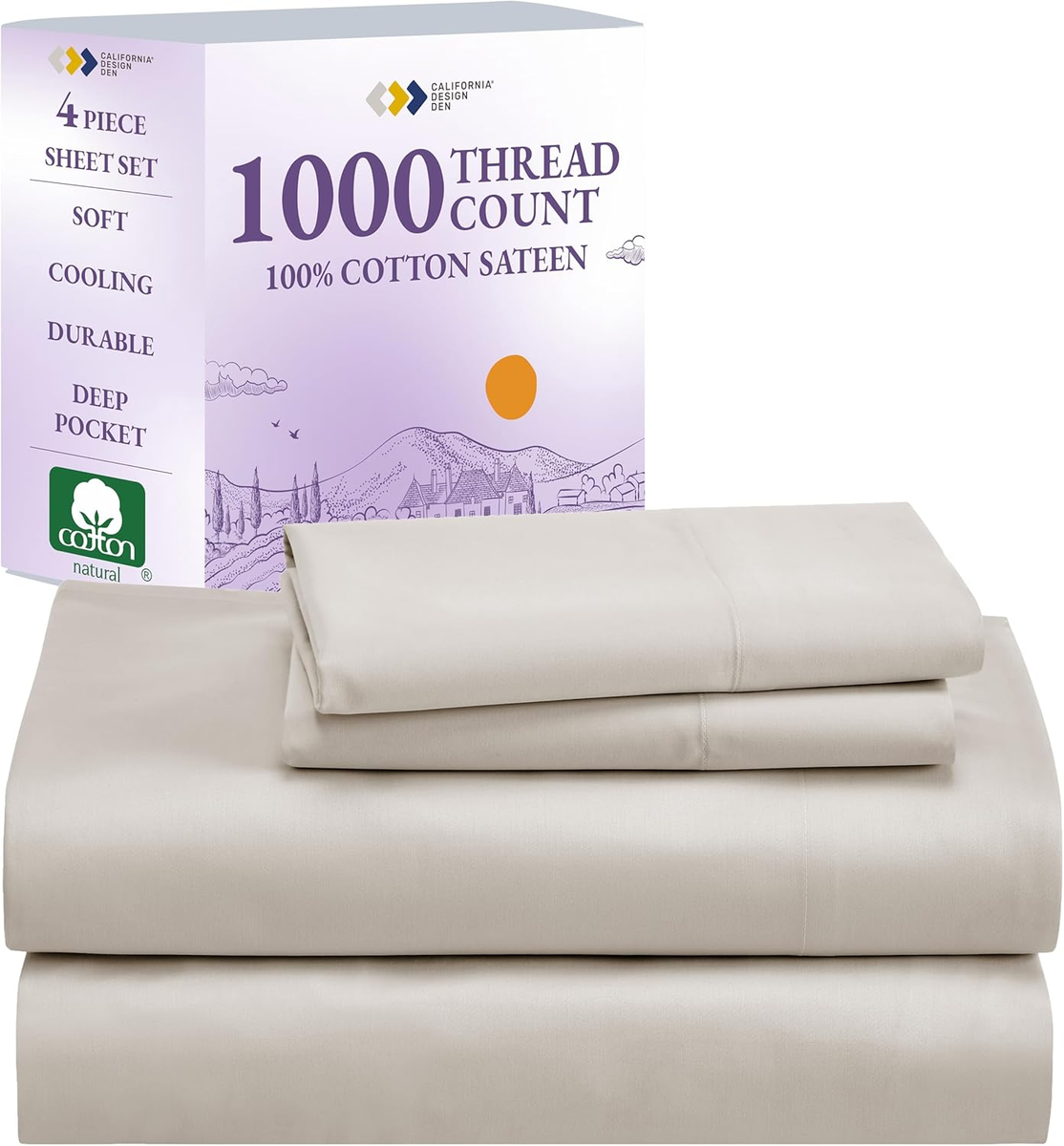
Credit: www.ebay.com
For more helpful guides, check out best material for cooling sheets, percale vs sateen sheets for hot sleepers, and linen vs cotton vs bamboo sheets comparison.
Not necessarily. Thread counts above 600 are often achieved by twisting multiple thin threads together and counting each strand, which inflates the number without improving softness or durability.
For standard cotton sheets, 200–400 thread count offers the best balance of softness, breathability, and durability. Percale sheets at 200–300 thread count feel crisp and cool; sateen at 300–400 feels smooth and silky.
Not always. The fiber quality (long-staple vs short-staple cotton), weave type, and finishing process matter more than thread count alone. Egyptian cotton at 300 thread count will often outperform generic 1000 thread count sheets.
Hot sleepers should choose percale weave sheets in the 200–300 thread count range. Lower thread count percale has a looser weave that allows better airflow and keeps you cooler than high thread count sateen.
Premium sheets priced high for quality fiber (Egyptian or Pima cotton) are worth it. However, sheets marketed primarily on thread count numbers above 600 often charge premium prices for inflated counts with no real quality benefit.