
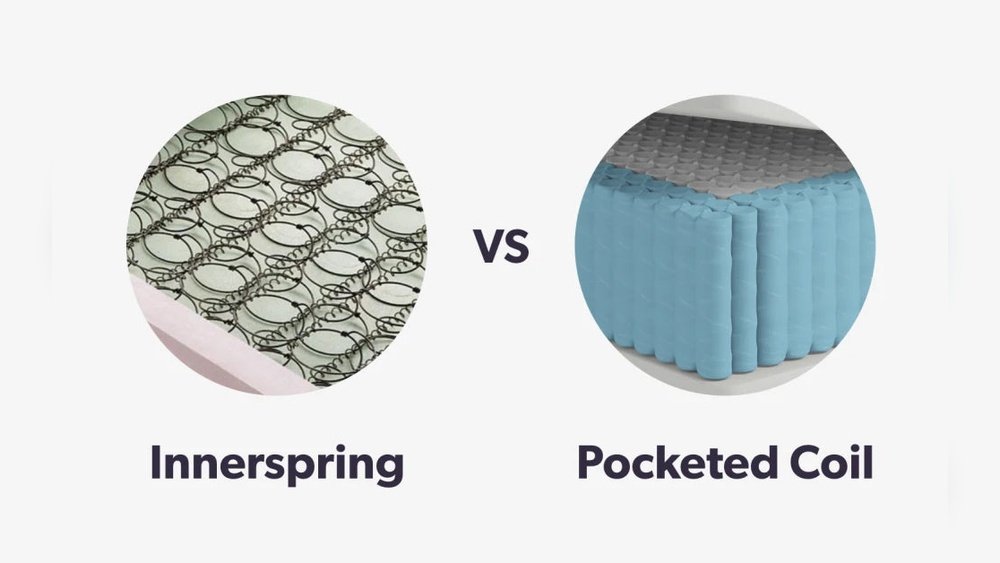
When you’re shopping for a new mattress, you’ll often see two terms: innerspring and pocket coil. At first glance, they might sound similar—they both use coils for support. But if you want great sleep, it’s important to know the real differences. The wrong choice can mean years of restless nights or aches in the morning. Let’s break down what sets these mattresses apart, how they feel, and which might suit your needs best.
What Is An Innerspring Mattress?
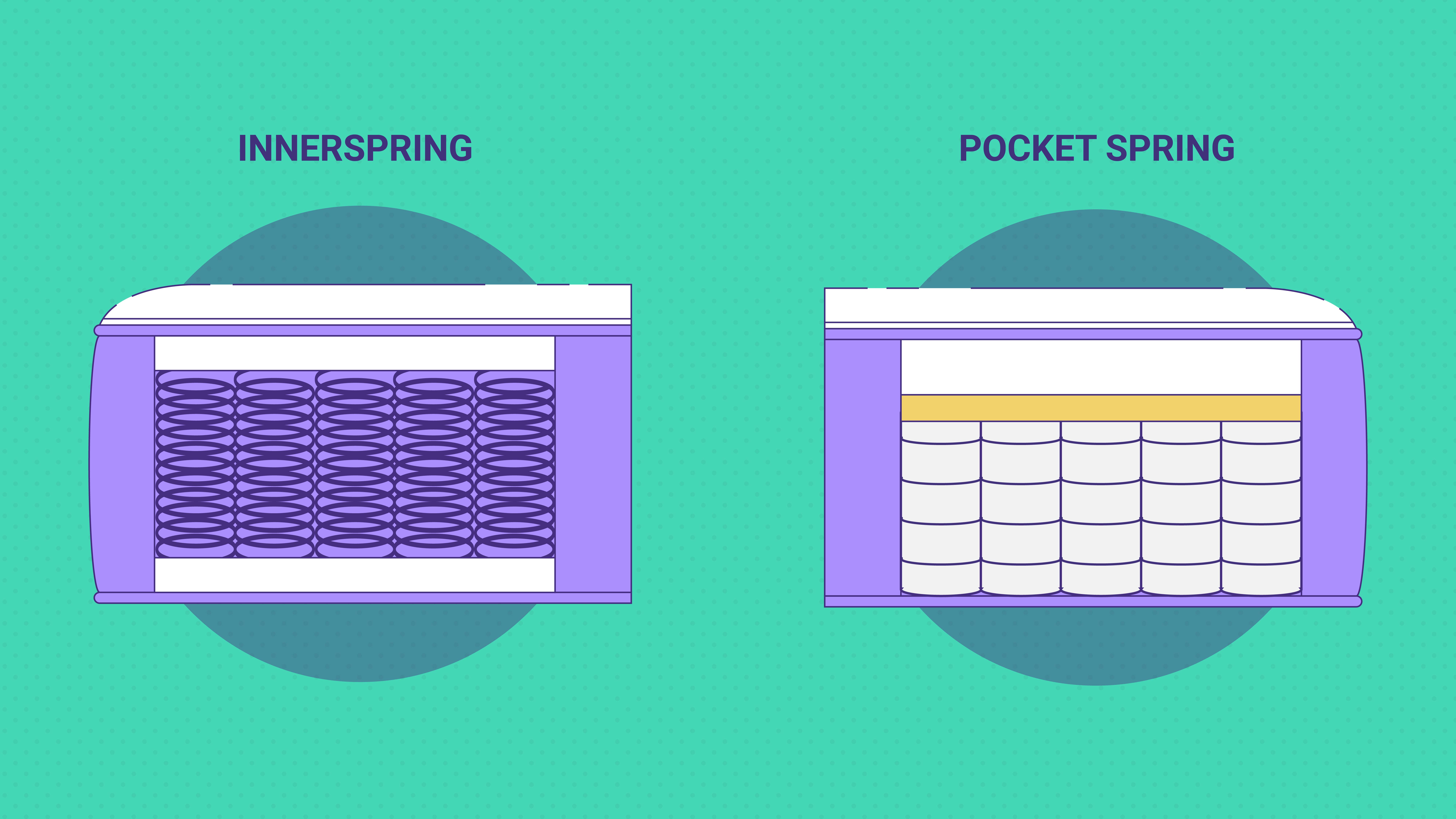
Innerspring mattresses are one of the oldest types of beds. They have a core made from steel coils connected together. Usually, these coils are tied with wire or a metal grid, forming a strong and bouncy base. On top, there’s often a thin layer of foam or fabric for comfort.
People choose innerspring beds because they are:
- Affordable
- Long-lasting
- Good for those who like a firm feel
But not every innerspring is the same. The way the coils connect affects support, motion transfer, and durability.
What Is A Pocket Coil Mattress?
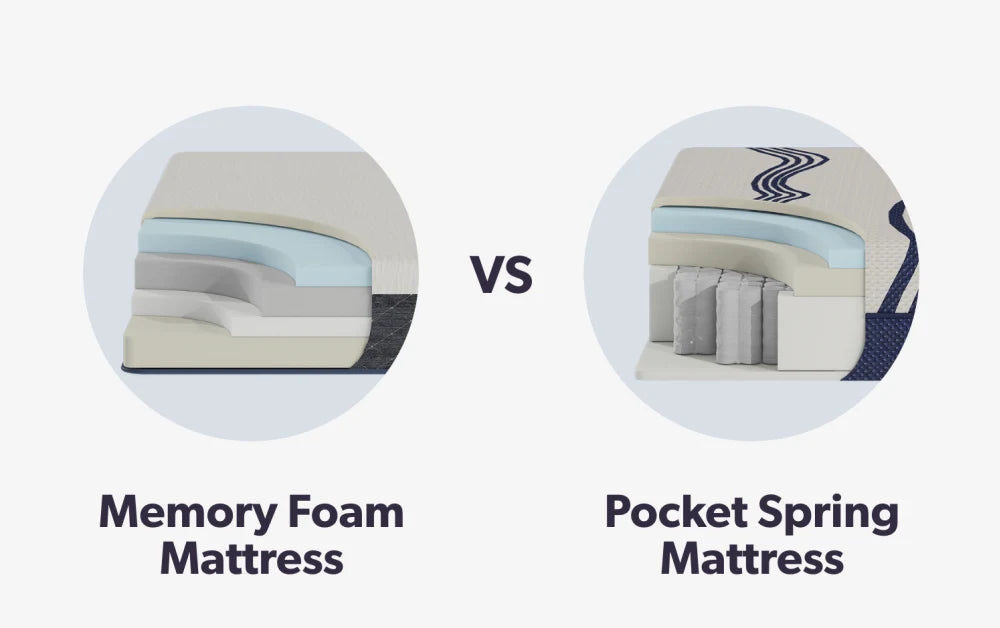
A pocket coil mattress (sometimes called pocket spring or encased coil) is a newer design. Each coil is wrapped in its own fabric pocket. This means the coils move separately, not all together.
Pocket coil beds give:
- Better support for your body shape
- Less movement felt when your partner moves
- Quieter sleeping, as the coils don’t squeak as much
These mattresses are often a bit more expensive, but many people find the extra comfort and support worth it.
Key Differences Between Innerspring And Pocket Coil
To make things clear, let’s compare the main features side by side.
| Feature | Innerspring | Pocket Coil |
|---|---|---|
| Coil Structure | Coils connected with wire/grid | Individual coils in fabric pockets |
| Motion Isolation | Poor to moderate | Good to excellent |
| Support | Uniform, less body contouring | Adapts to body shape |
| Durability | Good, may sag over time | Better, resists sagging |
| Noise | Can squeak | Quieter |
| Price | Lower | Higher |
How Does Each Mattress Feel?
Innerspring Feel
Sleeping on an innerspring mattress feels:
- Bouncy
- Supportive but firm
- Less contouring—your body stays on top, not “in” the mattress
Because the coils are connected, when someone moves, you’ll often feel it. This can be annoying for couples.
Pocket Coil Feel
Pocket coil mattresses feel:
- Supportive but more flexible
- Contouring—the coils adjust to your shoulders, hips, and back
- Less bounce, but better motion control
If you or your partner move a lot at night, this design helps keep the bed stable.
Types Of Sleepers: Who Benefits Most?
Everyone sleeps differently. Here’s how each mattress suits different sleepers.
Innerspring Best For:
- Back and stomach sleepers: The firm, even support keeps the spine straight.
- People who like a bouncy bed: Good for those who move around or get in and out often.
- Hot sleepers: The open coil design lets air flow, keeping you cool.
Pocket Coil Best For:
- Side sleepers: The mattress contours to shoulders and hips, reducing pressure points.
- Couples: Less movement transfer means less disturbance.
- People with back pain: Better support for the body’s natural curves.
Durability And Longevity
Both types can last many years, but their lifespan depends on design and materials.
Innerspring Mattress Longevity
- Typical lifespan: 6–8 years
- Cheaper models may sag sooner, especially in the middle.
- Coil count and thickness matter—a higher number and thicker coils last longer.
Pocket Coil Mattress Longevity
- Typical lifespan: 8–10 years
- Individual pocketed coils resist sagging.
- The fabric pockets protect coils, so less metal fatigue.
A hidden insight: Cheap pocket coil mattresses often use fewer coils or thin wire. Always check coil count and gauge (thickness) before buying.
Credit: mattresskingok.com
Motion Transfer: Why Does It Matter?
If you sleep alone, this may not worry you. But for couples, motion transfer can ruin sleep. When one person moves, does the other feel it?
- Innerspring: Connected coils mean more motion. If your partner gets up, you’ll feel a bounce.
- Pocket coil: Each coil moves on its own, so motion stays local. Less “wave” across the bed.
This difference is why pocket coils are popular in hotels and for couples.
Firmness And Support
Firmness is how hard or soft a mattress feels. Support is how well it holds your body in good position.
- Innerspring: Usually firmer, with a “floating” feel. Good for heavier people who need solid support.
- Pocket coil: Can be soft or firm, but always more “hugging.” The support is targeted—good for lighter people, side sleepers, and those with joint pain.
Many brands add layers of foam or latex on top of both types to change firmness. Always try to lie on the mattress before buying, if you can.
Price Comparison
Price depends on brand, coil count, and extra features. But generally:
| Mattress Type | Budget Range (Queen Size) |
|---|---|
| Innerspring | $200 – $1,000 |
| Pocket Coil | $400 – $2,500 |
A basic innerspring is usually cheaper, but may wear out faster. Pocket coil mattresses cost more, but often last longer and provide better sleep quality.
Common Mistakes When Choosing
Many shoppers focus only on price or firmness. Here are mistakes to avoid:
- Ignoring coil count: More coils mean better support. Under 400 coils (queen size) often gives weak support.
- Not checking coil gauge: Thicker coils (lower gauge number) are stronger.
- Forgetting about layers: The comfort layers above the coils matter for feel and durability.
- Not thinking about motion transfer: Couples should always test for motion.
- Missing warranty details: Some brands offer 10+ years. Read the fine print on what is covered.
Credit: www.sleepjunkie.com
Real-world Examples
Let’s look at how these differences matter in everyday life.
- John and his wife bought a cheap innerspring mattress. It felt fine at first, but within two years, it sagged in the middle. Every time she rolled over, John woke up from the bounce.
- Sarah tried a pocket coil mattress at a hotel. She noticed she slept better, and her back pain was less. She saved up and bought one for home, and now wakes refreshed.
One insight: Many mattress stores let you try before buying. This is the best way to feel the difference.
Health And Sleep Quality
A good mattress does more than just feel nice. It supports your body for better health.
- Spinal alignment: Pocket coil mattresses do a better job for most people, as they adapt to your curves.
- Pressure points: Side sleepers and people with joint pain get relief from pocket coil beds.
- Allergy concerns: Both types can collect dust, but innersprings with open coils can be easier to air out.
Always use a mattress protector to keep your bed clean and extend its life.

Credit: www.turmerry.com
Which Mattress Is Best For You?
There’s no single “best” choice. Think about:
- Your sleep position (side, back, stomach)
- Whether you share your bed
- Your weight and health needs
- Budget
If you want strong support, a bouncy feel, and a lower price, innerspring might work. If you care about motion isolation, body contouring, and longer life, pocket coil is likely better.
Still unsure? Read reviews from real users, and check out guides from trusted sources like the Wikipedia Mattress page.
Environmental Impact
Mattresses are big items. What happens when you’re done with them?
- Innerspring mattresses are mostly metal and fabric. The metal can often be recycled.
- Pocket coil mattresses have more fabric and sometimes foam, which can be harder to recycle, but many parts are still reusable.
Some brands use recycled steel or natural fabrics. Ask before you buy if this matters to you.
Maintenance And Care Tips
To get the most from your mattress:
- Rotate it every 3–6 months to prevent sagging.
- Use a good bed frame with enough support, especially for pocket coil beds.
- Clean regularly—vacuum the surface and use a protector.
- Don’t jump on the bed—pocket coils can bend out of shape if abused.
A little care goes a long way for both types.
Frequently Asked Questions
What Is The Main Difference Between Innerspring And Pocket Coil Mattresses?
The main difference is in the coil structure. Innerspring mattresses have coils connected together, so they move as one unit. Pocket coil mattresses have each coil wrapped in fabric, moving independently. This gives pocket coil beds better support and less motion transfer.
Which Mattress Is Better For Couples?
Pocket coil mattresses are better for couples because they reduce motion transfer. If one person moves or gets up, the other is less likely to feel it. This means less disturbance and better sleep.
Are Pocket Coil Mattresses Always More Expensive?
Usually, yes. Pocket coil mattresses use more materials and a more complex design, so they cost more. However, some budget models are available, but they might use fewer or thinner coils, affecting comfort and durability.
How Can I Tell If A Mattress Is Pocket Coil Or Innerspring?
Check the mattress label or ask the seller. Pocket coil beds will mention “individually wrapped coils” or “encased coils. ” If you press down, you might feel coils move separately. Innerspring beds feel bouncier, with the coils moving together.
How Long Do These Mattresses Last?
On average, innerspring mattresses last 6–8 years, while pocket coil mattresses last 8–10 years. Higher quality and good care can extend their life. Sagging or loss of support are signs it’s time to replace.
A mattress is a big decision. By knowing the real differences between innerspring and pocket coil designs, you’ll be ready to pick what’s right for your sleep and health. Test a few, ask questions, and invest in restful nights for years to come.
