
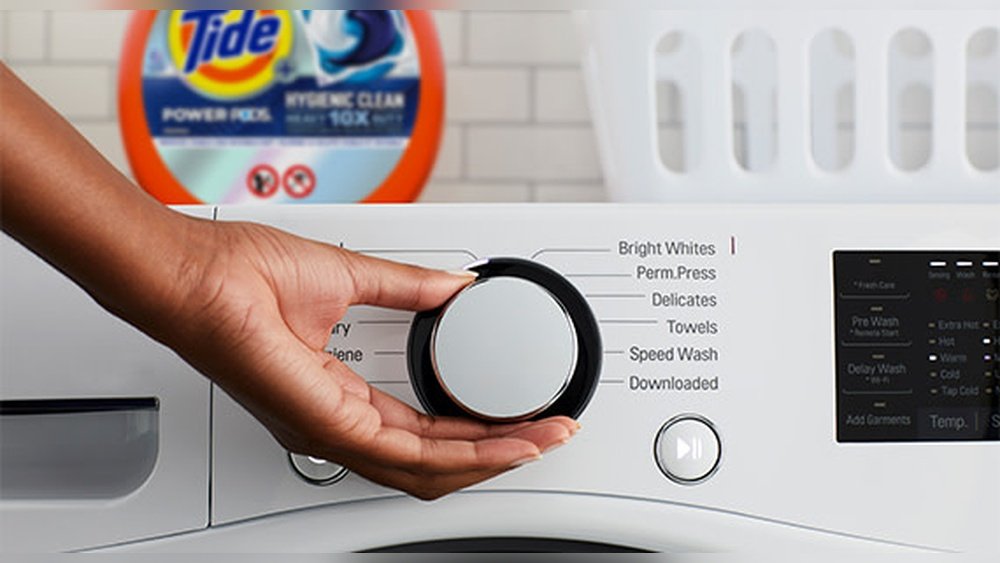
Washing bed sheets might seem like a simple task, but doing it the right way can make a big difference in your sleep, health, and the lifespan of your bedding. Clean sheets help you sleep better and reduce allergens such as dust mites, pollen, and pet dander.
However, many people make mistakes that cause sheets to fade, shrink, or feel rough. This guide will walk you through every step of how to wash bed sheets in a washing machine properly, so your bedding stays fresh, soft, and long-lasting.
Why Proper Bed Sheet Washing Matters
Bed sheets touch your skin for hours every night. Sweat, body oils, dead skin cells, and dust collect on the fabric. If you don’t clean them the right way, bacteria and dust mites can build up quickly. This can cause allergies, skin irritation, and poor sleep quality.
Studies show that sheets can collect more bacteria than a bathroom door handle if not washed regularly. Clean sheets are not just about comfort—they’re important for health.
How Often Should You Wash Bed Sheets?
For most people, washing sheets once a week is ideal. If you sweat a lot at night, have allergies, or have pets that sleep on the bed, you might need to wash them more often—every 3-4 days. People with sensitive skin or eczema should also wash sheets frequently to avoid irritation.
Some think that washing less often saves time and money, but dirty sheets wear out faster and can even affect your health. Regular washing keeps sheets looking and feeling new for longer.
Preparing Bed Sheets For Washing
Before tossing your sheets into the machine, it’s important to prepare them:
- Read the care label: Every sheet comes with a care tag. Check for specific instructions about water temperature, wash cycle, and drying.
- Separate by color and fabric: Wash whites, lights, and darks separately to avoid color bleeding. Cotton, linen, and microfiber should be washed with similar fabrics.
- Remove stains first: Check for stains and spot-treat them using a gentle stain remover or a mixture of water and mild detergent.
- Fasten zippers and buttons: This helps prevent tearing or tangling during the wash.
- Turn pillowcases inside out: This cleans oils and sweat more effectively, especially on decorative cases.
Choosing The Right Detergent
Not all detergents are created equal. For bed sheets, the best choice is a mild liquid detergent. Powder detergents can leave residue, especially in cold water. Avoid using bleach unless necessary, as it weakens fibers and fades colors.
If you have sensitive skin, choose a detergent labeled hypoallergenic or fragrance-free. These are less likely to cause irritation.
Selecting The Best Wash Cycle And Water Temperature
Getting the cycle and temperature right is key to clean sheets without damage. Here’s a quick comparison:
| Sheet Fabric | Best Cycle | Water Temperature |
|---|---|---|
| Cotton | Normal | Warm (40°C/104°F) |
| Linen | Gentle | Cold to Warm (30-40°C/86-104°F) |
| Microfiber/Polyester | Gentle | Cold (30°C/86°F) |
| Silk/Satin | Delicate | Cold (30°C/86°F) |
Warm water is usually best for cotton sheets. It cleans well without causing shrinkage or fading. For delicate fabrics like silk, always use cold water and a gentle cycle.
How To Load Sheets In The Washing Machine
Filling your washing machine the right way helps sheets get cleaner and last longer.
- Don’t overload: Sheets need space to move in the drum. Too many sheets can twist and not get fully clean.
- Wash sheets separately: Avoid mixing towels and clothes with sheets. Towels shed lint, and zippers on clothes can damage fabric.
- Spread sheets out: Place them loosely around the agitator (in top-loaders) or along the drum wall (in front-loaders).
Here’s a quick guide for load size:
| Machine Size | Sheets Washed at Once |
|---|---|
| Standard (4-5 kg) | 1 set (1 flat, 1 fitted, 2 pillowcases) |
| Large (8 kg+) | 2 sets or 1 duvet + 1 set |
Adding Fabric Softener: Yes Or No?
Many people love soft sheets, but fabric softener is not always the answer. While it can make sheets feel smoother, it leaves a coating that reduces absorbency and traps dirt. For cotton and microfiber sheets, avoid fabric softeners. If you want extra softness, add half a cup of white vinegar to the rinse cycle. Vinegar softens fabric naturally and removes detergent residue.
The Right Way To Dry Bed Sheets
Drying sheets properly is just as important as washing. There are two main ways: tumble drying and air drying.
Tumble Drying
- Use low to medium heat: High heat can shrink and weaken fibers. Remove sheets while slightly damp to avoid wrinkles.
- Dry sheets separately: Like washing, don’t mix with towels or heavy items.
- Shake out sheets before drying: This helps them dry evenly and reduces tangling.
Air Drying
- Hang sheets outside if possible. Sunlight helps kill germs and keeps sheets fresh.
- Avoid direct sun for colored sheets. Prolonged sunlight can fade dyes.
- Use a drying rack if you can’t go outside. Spread sheets flat and leave space for air to flow.
Ironing And Storing Bed Sheets
Ironing is optional but makes sheets look crisp and smooth. Use a warm iron for cotton or linen, and a cool iron for delicate fabrics. Never iron microfiber or silk on high heat.
Storing sheets the right way keeps them fresh and organized:
- Fold sheets neatly and keep sets together.
- Store in a cool, dry place away from sunlight.
- Add a lavender sachet or dryer sheet to keep them smelling clean.
Common Mistakes To Avoid
Even with the best intentions, it’s easy to make mistakes. Here are some to watch out for:
- Using too much detergent: Extra soap leaves residue, making sheets scratchy and trapping allergens.
- Washing in hot water: This can shrink or damage sheets, especially synthetics.
- Skipping the pre-treat: Stains become permanent if not treated before washing.
- Letting sheets sit in the washer: Wet sheets can grow mildew and smell bad. Move them to the dryer promptly.
- Stuffing the machine: Overloading reduces cleaning power and increases wear.
- Neglecting care labels: Each fabric has unique needs. Always check for special instructions.

Credit: quahogbaybedding.com
How To Wash Special Types Of Bed Sheets
Not all sheets are the same. Here’s how to handle special fabrics:
Silk And Satin Sheets
- Wash in cold water on a gentle cycle.
- Use a mild detergent for delicates.
- Never use bleach or fabric softener.
- Air dry flat or hang indoors, away from sun.
Bamboo Sheets
- Machine wash in cold or warm water.
- Use gentle cycle and mild detergent.
- Tumble dry on low or air dry.
- Remove promptly to avoid wrinkles.
Flannel Sheets
- Wash in warm water on a gentle cycle.
- Avoid fabric softener to keep them absorbent.
- Air dry or tumble dry on low.
Caring for these materials helps them last longer and feel better on your skin.
How To Keep Sheets Fresh Between Washes
Washing sheets often is important, but there are ways to keep them fresher longer:
- Shower before bed to reduce dirt and oil.
- Avoid eating in bed—crumbs attract bugs and bacteria.
- Air out sheets daily by pulling back the covers for 30 minutes.
- Rotate sheet sets every week to reduce wear.

Credit: www.getcleanpeople.com
The Environmental Impact Of Washing Sheets
Modern washing machines use less water and energy, but it’s still important to wash responsibly:
- Wash full loads: This saves water and energy.
- Use cold water when possible, especially for lightly soiled sheets.
- Choose eco-friendly detergents that are biodegradable and free of harsh chemicals.
- Line dry to reduce electricity use.
For more on energy-efficient laundry, see this resource from the U.S. Environmental Protection Agency.
Frequently Asked Questions
How Often Should I Change And Wash My Bed Sheets?
For most people, once a week is best. If you sweat a lot, have allergies, or sleep with pets, wash sheets every 3-4 days for best hygiene.
Can I Wash Bed Sheets With Clothes Or Towels?
It’s better not to. Sheets need space to move around in the drum for a thorough clean. Washing with towels can also cause lint buildup and wear out your sheets faster.
What’s The Best Temperature For Washing Sheets?
For cotton sheets, use warm water (around 40°C/104°F). Delicate fabrics like silk need cold water. Always check the care label before choosing a setting.
Should I Use Bleach On White Sheets?
Only use bleach for stubborn stains or to disinfect, and not on every wash. Overuse can weaken fibers and cause yellowing. Try oxygen bleach or baking soda as gentler alternatives.
How Can I Stop My Sheets From Wrinkling?
Remove sheets from the dryer while still slightly damp and fold or put them on the bed right away. You can also shake them out before drying and avoid over-drying, which makes wrinkles worse.
Keeping your bed sheets clean and fresh makes your bed a healthier and more relaxing place to rest. With these simple steps, you’ll enjoy softer, longer-lasting sheets and better sleep every night.
:max_bytes(150000):strip_icc()/how-to-wash-down-filled-bedding-350482-81ec2947d5144bdca738bcefa5eb1fa9.png)
Credit: www.thespruce.com
For more bedroom care tips, check out our guides on how often to wash bedsheets and pillowcases, how to keep white bedsheets bright and spotless, and pillow care and washing tips.
Most sleep experts recommend washing bed sheets every one to two weeks. If you sweat heavily, have allergies, or share the bed with pets, washing weekly is ideal.
Wash cotton sheets at 60°C (140°F) to kill dust mites and bacteria. For delicate fabrics like silk or linen, use a cooler 30–40°C cycle to prevent shrinkage or damage.
Most cotton, polyester, and blended sheets are machine washable. Always check the care label first — silk, wool, and some bamboo sheets may require hand washing or a gentle cycle.
Yes, always wash new bed sheets before first use. New sheets often contain manufacturing chemicals, dyes, and dust from packaging that can irritate skin or cause allergic reactions.
Remove sheets promptly from the washer, shake them out before drying, and avoid overcrowding the dryer. Tumble dry on a medium heat setting and fold or put on the bed while still slightly warm.
