
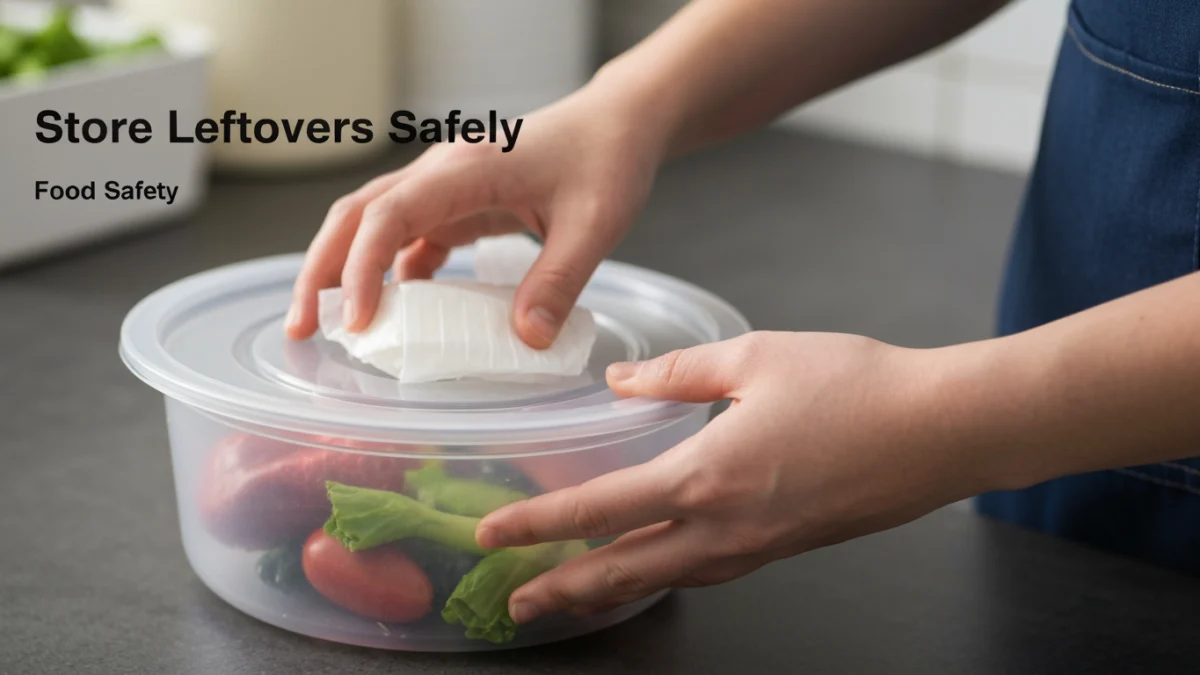
To store leftovers safely in the fridge, cool them rapidly within two hours of cooking, divide them into shallow, airtight containers, and refrigerate promptly at 40°F (4°C) or below. Most cooked foods remain safe for consumption for 3-4 days when handled and stored correctly.
- Cool food quickly within two hours.
- Use shallow, airtight containers.
- Refrigerate at 40°F (4°C) or lower.
- Consume most leftovers within 3-4 days.
- Label containers with dates for easy tracking.
- Reheat thoroughly to 165°F (74°C).
Understanding the “Danger Zone”: Why Proper Storage Matters
The “Danger Zone” refers to the temperature range between 40°F (4°C) and 140°F (60°C). Within this range, bacteria can multiply rapidly, potentially reaching dangerous levels that can cause foodborne illness. Leaving cooked food at room temperature for too long allows these harmful microorganisms to thrive, even if the food looks and smells fine.
Properly storing leftovers is crucial for preventing food poisoning. By understanding and adhering to food safety guidelines, individuals can significantly reduce the risk of consuming contaminated food. This involves not only cooling and refrigerating food promptly but also maintaining consistent temperatures and using appropriate storage methods.
The Golden Rules for Storing Leftovers Safely
Adhering to a few fundamental principles ensures your leftovers remain safe and delicious. These rules are designed to minimize bacterial growth and preserve the quality of your food.
- The Two-Hour Rule: Always refrigerate perishable food within two hours of cooking or removing it from a heat source. If the ambient temperature is above 90°F (32°C), this window shrinks to just one hour.
- Rapid Cooling: Large quantities of hot food cool slowly, creating an extended period in the Danger Zone. Divide large portions into smaller, shallow containers to accelerate the cooling process.
- Proper Temperature: Ensure your refrigerator maintains a temperature of 40°F (4°C) or below. Regularly check your fridge temperature with an appliance thermometer.
- Airtight Storage: Use containers that seal tightly to prevent cross-contamination and keep food fresh. This also helps to prevent odors from spreading and food from drying out.
- Labeling: Always label your containers with the date the food was cooked. This simple practice helps you track freshness and adhere to the 3-4 day rule.
how to store leftovers safely in fridge: Step-by-Step Guide
Following a systematic approach is key to ensuring your leftovers are stored safely and efficiently. Each step plays a vital role in food preservation.
- Cool Food Rapidly: As soon as possible after cooking, begin the cooling process. Do not let food sit out for more than two hours. For large items like roasts or big pots of soup, cut them into smaller pieces or divide them into several shallow containers. You can also place hot food in an ice bath or stir it frequently to help it cool faster.
- Portion into Shallow Containers: Transfer cooled food into clean, shallow containers. Containers that are 2-3 inches deep are ideal as they allow food to cool more quickly and evenly. Avoid packing containers too tightly, as this can hinder air circulation and slow cooling.
- Seal Containers Tightly: Use airtight lids or plastic wrap to cover your containers securely. This prevents airborne bacteria from contaminating the food and helps maintain moisture, preventing the food from drying out.
- Refrigerate Promptly: Place the sealed containers in the coldest part of your refrigerator. Avoid overcrowding the fridge, as this can restrict airflow and raise the internal temperature, compromising food safety.
- Date and Label: Use labels or a marker to clearly write the date the food was prepared on each container. This makes it easy to identify older leftovers and ensures you consume them within the recommended timeframe.
Choosing the Right Containers for Optimal Freshness
The type of container you use significantly impacts how well your leftovers are preserved. Selecting appropriate containers is an essential part of safe food storage.
- Glass Containers: These are durable, non-porous, and do not absorb odors or stains. They are also microwave and oven-safe, making reheating convenient. Look for glass containers with airtight, snap-on lids.
- Plastic Containers: Lightweight and often stackable, plastic containers are a popular choice. Ensure they are food-grade, BPA-free, and microwave-safe. Replace plastic containers if they become scratched or stained, as these imperfections can harbor bacteria.
- Stainless Steel Containers: Excellent for cooling food quickly and very durable. They are non-reactive and do not leach chemicals into food. Often come with silicone or plastic lids for an airtight seal.
- Freezer Bags: While not ideal for all fridge storage, freezer bags can be useful for certain items, especially if you plan to freeze them later. They are great for flat items and can save space. Ensure they are sealed properly to prevent freezer burn and contamination.
Regardless of the material, always ensure your containers are clean and dry before use. This prevents the introduction of new bacteria and helps maintain food quality.
Specific Storage Guidelines for Different Food Types
While general rules apply, some food types benefit from specific storage considerations to maximize safety and freshness.
- Cooked Meats and Poultry: Store in airtight containers. Sliced meats tend to dry out faster, so ensure they are well-covered.
- Soups and Stews: Divide into smaller portions before refrigerating. Ensure they are cooled quickly to prevent bacterial growth in the dense liquid.
- Cooked Grains and Pasta: These can be prone to bacterial growth if not cooled rapidly. Spread them out on a baking sheet to cool before transferring to containers.
- Cooked Vegetables: Store in airtight containers. They generally last well for 3-4 days.
- Dairy Products (e.g., yogurt, cheese): Keep these in their original packaging or transfer to airtight containers. Pay close attention to expiration dates.
- Eggs (cooked): Hard-boiled eggs can be stored in the shell for up to a week. Peeled hard-boiled eggs should be kept in an airtight container with a damp paper towel and consumed within 3-4 days.
Common Mistakes to Avoid When Storing Leftovers
Even with good intentions, certain practices can compromise the safety of your stored food. Being aware of these common pitfalls can help you avoid them.
- Leaving Food Out Too Long: The most critical mistake is allowing cooked food to remain at room temperature beyond the two-hour limit. This provides an ideal environment for bacteria to multiply.
- Storing Hot Food in Large Containers: Placing a large, hot pot of food directly into the fridge can raise the overall temperature of the refrigerator, potentially endangering other foods. It also slows the cooling of the hot food itself.
- Overcrowding the Refrigerator: A packed fridge restricts air circulation, making it harder for the appliance to maintain a consistent, safe temperature. This can lead to warmer spots where food may spoil faster.
- Using Improper Containers: Containers that are not airtight or are too deep can lead to faster spoilage, cross-contamination, and dried-out food.
- Not Labeling Food: Forgetting to date your leftovers makes it difficult to know how old they are, increasing the risk of consuming expired food.
- Reheating Multiple Times: While reheating once is generally safe, repeatedly reheating and cooling the same portion of food can increase the risk of bacterial contamination.
How to Tell if Leftovers Have Gone Bad
Even when stored correctly, leftovers have a limited shelf life. Knowing the signs of spoilage is crucial for food safety.
- Smell: A sour, off, or unusual odor is a strong indicator that food has spoiled. Trust your nose; if it smells bad, it likely is.
- Appearance: Look for changes in color, such as dullness, graying, or green/black spots (mold). Slimy or fuzzy textures are also clear signs of spoilage.
- Texture: Cooked meats might become slimy, and vegetables might turn mushy. Any significant change in texture from its original state suggests it’s no longer safe.
- Taste: Never taste food to determine if it’s spoiled. Even a small amount of contaminated food can cause illness. When in doubt, throw it out.
Remember that some harmful bacteria do not produce noticeable odors or changes in appearance. Therefore, relying solely on sensory cues is not always sufficient. Adhering to the 3-4 day rule is the most reliable method.
Reheating Leftovers Safely: What You Need to Know
Proper reheating is just as important as proper storage in preventing foodborne illness. It ensures any remaining bacteria are destroyed.
- Heat Thoroughly: Always reheat leftovers to an internal temperature of 165°F (74°C). Use a food thermometer to verify, especially for dense foods like casseroles or stews.
- Even Heating: Stir food during reheating, especially in a microwave, to ensure heat is distributed evenly. Microwave ovens can heat unevenly, leaving cold spots where bacteria can survive.
- One-Time Reheating: Only reheat the portion you intend to eat. Do not reheat, cool, and then reheat the same food multiple times.
- Discard if Not Reheated: If you’ve reheated food and don’t finish it, discard the remainder. Do not put it back in the fridge for another reheating cycle.
- Different Methods: Reheat food using the method it was originally cooked, if possible, or use a microwave, oven, or stovetop. Ensure it is steaming hot throughout.
When to Discard: The 3-4 Day Rule and Beyond
The 3-4 day rule is a general guideline for most cooked leftovers stored in the refrigerator. This timeframe helps minimize the risk of bacterial growth to unsafe levels.
- Most Cooked Foods: Generally safe for 3-4 days when stored at 40°F (4°C) or below. This includes cooked meats, poultry, fish, casseroles, soups, and stews.
- Deli Meats and Hot Dogs (opened package): Consume within 3-5 days.
- Hard-Boiled Eggs: Last up to 7 days in the shell. Peeled, 3-4 days.
- Fresh Salads (with dressing): Best consumed within 1-2 days.
- Raw Ground Meat, Poultry, Seafood: Use or freeze within 1-2 days.
- Cooked Rice: While it falls under the 3-4 day rule, cooked rice can sometimes harbor Bacillus cereus spores. Rapid cooling is especially critical for rice.
When in doubt, it is always safer to discard food. The potential health risks associated with consuming spoiled food far outweigh the desire to avoid waste. Always prioritize food safety over extending the life of leftovers beyond recommended guidelines.
Frequently Asked Questions
How long can you store leftovers safely in fridge?
Most cooked leftovers can be stored safely in the fridge for 3 to 4 days. This applies to items like cooked meats, poultry, fish, casseroles, soups, and stews. Always ensure your refrigerator maintains a temperature of 40°F (4°C) or below for optimal safety.
What are the best containers to store leftovers safely in fridge?
The best containers for storing leftovers safely in the fridge are shallow, airtight options made of glass, BPA-free plastic, or stainless steel. These materials prevent cross-contamination, maintain freshness, and allow for rapid cooling of food.
Can you put hot food directly into the fridge to store leftovers safely?
Yes, you can put hot food directly into the fridge, but it’s best to divide large portions into smaller, shallow containers first. This helps the food cool more rapidly and prevents it from raising the overall temperature of your refrigerator, which could compromise the safety of other stored items.
What is the “two-hour rule” for how to store leftovers safely in fridge?
The “two-hour rule” dictates that perishable cooked food should be refrigerated within two hours of cooking or being removed from a heat source. If the ambient temperature is above 90°F (32°C), this safe window reduces to just one hour to prevent rapid bacterial growth.
How do I know if my leftovers are no longer safe to eat, even if I stored them safely in fridge?
Even with safe storage, leftovers can spoil. Look for signs like an unusual or sour smell, changes in color (dullness, graying, mold), or a slimy texture. If any of these indicators are present, or if the food has exceeded the 3-4 day storage limit, it is best to discard it.
Is it safe to freeze leftovers if I can’t eat them within the fridge storage time?
Yes, freezing is a safe way to extend the life of leftovers if you can’t consume them within the fridge storage time. Ensure the food is properly cooled and stored in freezer-safe, airtight containers or bags. Most cooked foods can be safely frozen for 3-4 months, though quality may decline over time.
Conclusion
Storing leftovers safely in the fridge is a fundamental practice for preventing foodborne illness and reducing waste. By adhering to the two-hour rule, rapidly cooling food, using appropriate containers, and maintaining a cold refrigerator temperature, you can ensure your meals remain safe to eat for up to 3-4 days. Always remember to label your food and reheat it thoroughly to 165°F (74°C).
Prioritizing food safety in your kitchen protects your health and helps you enjoy your culinary creations longer. Implement these simple yet crucial steps to confidently manage your leftovers and maintain a safe food environment.
{“@context”:”https://schema.org”,”@type”:”Article”,”headline”:”How to Store Leftovers Safely in Fridge: Your Ultimate Guide to Food Safety”,”mainEntityOfPage”:”https://homegeartoday.com/?p=120″,”datePublished”:”2025-12-13T09:20:21+00:00″,”dateModified”:”2025-12-13T09:20:21+00:00″}You might also find these helpful: pantry organization with bins and labels, and plastic vs glass food containers for safety.
- Cool Food Before Refrigerating
Allow hot food to cool to room temperature — but no longer than 2 hours — before placing in the fridge. Hot food raises fridge temperature.
- Use Airtight Containers
Store leftovers in airtight glass or plastic containers to prevent odors from spreading and to keep food fresh longer.
- Label with Date and Contents
Label every container with the food name and date stored. Most cooked leftovers are safe for 3-4 days in the fridge.
- Store in the Right Zone
Place meat and fish on the bottom shelf (coldest zone) to prevent dripping. Keep dairy and leftovers on middle shelves.
- Do Not Overfill the Fridge
Leave space between items for cold air to circulate. An overfilled fridge cannot maintain consistent temperature throughout.
- Reheat Properly Before Eating
Reheat leftovers to an internal temperature of 74°C (165°F) before eating. Never reheat the same leftovers more than once.