
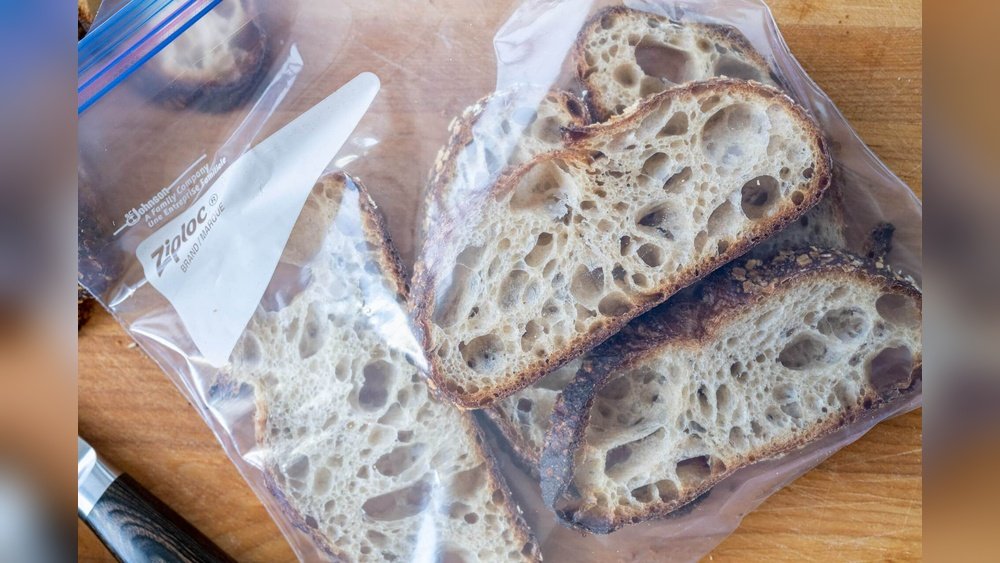
Storing bread may sound simple, but keeping bread fresh for more than a day or two can be a real challenge. You might buy a perfect, soft loaf, only to find it dry or moldy just days later. Bread is a staple for millions of people worldwide, and no one likes to waste it.
Understanding how to store bread to keep it fresh longer will save money, reduce waste, and ensure delicious sandwiches and toast every time.
Many people use the wrong methods without knowing—putting bread in the fridge, keeping it in plastic, or leaving it out on the counter. These choices impact the bread’s shelf life, taste, and texture. There are smarter ways to store bread for both short and long periods.
Let’s explore practical strategies, mistakes to avoid, and expert tips for enjoying fresh bread every day.
Why Bread Goes Stale Or Moldy
Bread is a simple food, but it’s surprisingly sensitive to air, moisture, and temperature. To keep bread fresh longer, it helps to know why bread changes over time.
When bread is exposed to air, it starts to lose moisture and becomes dry or stale. This happens because starch molecules in the bread rearrange, pushing out water. This process, called retrogradation, makes bread hard even if it’s not old.
Moisture, on the other hand, creates a perfect environment for mold. Mold grows fast in warm, damp places. If bread is stored in a humid environment, mold can appear in as little as 48 hours.
Temperature also plays a role. Refrigerators slow down mold, but they speed up staling. Freezing, however, can almost stop both problems if done right.
Best Ways To Store Bread For Freshness
Let’s dive into the most effective methods to keep bread fresh, whether you plan to eat it in a day or over several weeks.
1. Room Temperature Storage
Storing bread at room temperature is best if you plan to eat it within a few days. The key is protecting bread from air and humidity.
- Bread box: A bread box keeps bread in a slightly humid environment, which helps maintain softness but limits mold. It’s a classic for a reason.
- Paper bag: Paper lets bread breathe and slows down mold. But bread can dry out faster, so this is only good for artisan or crusty loaves.
- Cloth bag or towel: Wrapping bread in a clean kitchen towel or cloth bag is perfect for homemade or crusty breads. It keeps the crust crisp but allows some air circulation.
Pro tip: Never store bread directly on the counter without any covering. It will dry out quickly and attract insects.
2. Plastic Bags: The Pros And Cons
Plastic bags are common for store-bought bread. They seal in moisture and keep bread soft but can also cause mold.
- For soft, pre-sliced bread, a plastic bag is fine for up to 3 days.
- For homemade or crusty bread, avoid plastic bags unless you want a soft crust.
If you use a plastic bag, squeeze out excess air and seal it tightly.
3. Bread Box Vs. Paper Vs. Plastic: Quick Comparison
Here’s a simple comparison to help you choose the right method for your bread:
| Storage Method | Best for | Keeps Bread Fresh (Days) | Downsides |
|---|---|---|---|
| Bread Box | All breads | 2-4 | Needs cleaning, takes space |
| Paper Bag | Crusty/Artisan | 1-2 | Dries bread quickly |
| Plastic Bag | Soft/Sliced | 3-4 | Encourages mold |
4. Refrigeration: Not The Best Choice
Many people put bread in the fridge to make it last longer. This is a common mistake. The cold temperature of a refrigerator dries out bread quickly and makes it stale. Bread can go stale in less than 24 hours in the fridge.
Only refrigerate bread if you live in a very humid place where mold is a bigger problem than staleness. Even then, it’s better to freeze bread for longer storage.
5. Freezing Bread: The Ultimate Solution
If you want to keep bread fresh for weeks or even months, freezing is the best option. Freezing stops both staling and mold growth almost completely.
How to freeze bread properly:
- Slice the bread before freezing. This way, you can take out only what you need.
- Wrap the bread tightly in plastic wrap or aluminum foil.
- Place the wrapped bread in a resealable freezer bag. Remove as much air as possible.
- Label with the date.
Bread can stay good in the freezer for up to three months. When you want to eat it, thaw slices at room temperature for 15-30 minutes or toast directly from frozen.
Non-obvious tip: For the best taste, freeze bread as soon as possible—ideally the same day you buy or bake it. Bread that sits out and gets slightly stale will not taste as good after freezing.
Storage Tips For Different Types Of Bread
Not all bread is the same. Sourdough, sandwich loaves, and sweet breads have different needs.
Sourdough
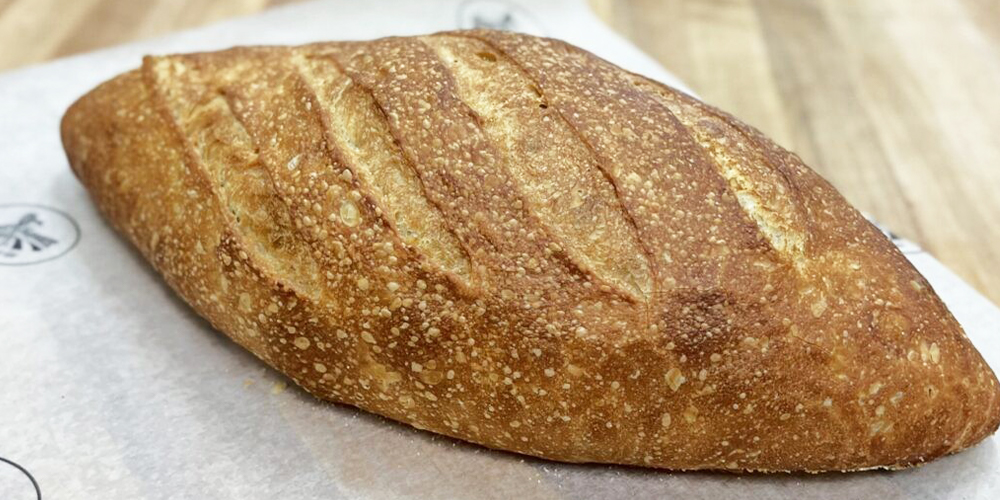
Sourdough bread lasts a little longer at room temperature because its natural acids fight off mold. Store sourdough in a bread box or wrapped in a towel for up to 4 days. Avoid plastic to keep the crust crispy.
Soft Sandwich Bread
Sandwich bread (like white or whole wheat) should be kept in its original plastic bag, sealed tightly. If you don’t finish it in 3-4 days, freeze the rest.
Sweet Breads And Pastries
Breads with fruit, dairy, or eggs (like brioche or cinnamon rolls) spoil faster. Store these in a plastic bag or airtight container. Eat within two days or freeze.
Gluten-free Bread
Gluten-free bread dries out quickly and molds fast. It’s best to keep it in the fridge for up to 4 days or freeze it for longer storage.
How Humidity And Climate Affect Bread Storage
Where you live makes a big difference in how you should store bread.
- Humid climates: Mold is the biggest enemy. Avoid plastic bags and store bread in a cool, dry place. Freeze what you don’t eat quickly.
- Dry climates: Bread dries out fast. Use a bread box or airtight container to keep in moisture.
Non-obvious insight: Kitchens near ovens, dishwashers, or windows can have more temperature and humidity changes. Store bread away from these spots for better results.
:max_bytes(150000):strip_icc()/Prep-Solutions-by-Progressive-GBK-8-Expandable-Bread-12a9a8369069411cae36a4dfd57a0f20.png)
Credit: www.allrecipes.com
How To Revive Stale Bread
Sometimes bread goes stale before you can eat it. Don’t throw it away yet! You can bring stale bread back to life with a few tricks.
For Sliced Bread
- Sprinkle a little water on each slice.
- Warm in the oven at 180°C (350°F) for 5-8 minutes.
For Whole Loaves
- Run the loaf quickly under cold water.
- Place it directly on the oven rack at 180°C (350°F) for 10-12 minutes.
- Let it cool before slicing.
This adds moisture and crisps the crust. The bread is best eaten right away after revival.
Signs Your Bread Is No Longer Fresh
It’s important to know when bread has gone bad. Here’s what to look for:
- Visible mold: Any green, white, or black spots mean the bread is unsafe.
- Strange smell: A sour or musty smell is a warning sign.
- Unusual texture: If bread feels too soft, sticky, or “wet,” it’s probably moldy inside.
Never eat bread with mold—even if you cut it off. Mold roots can go deep into the bread.

Credit: www.youtube.com
Reducing Bread Waste At Home
Bread is one of the most wasted foods worldwide. You can help reduce waste by following these tips:
- Only buy or bake what you can eat in 3-4 days.
- Freeze leftovers instead of tossing them.
- Use stale bread for croutons, bread pudding, or French toast.
- Store bread properly to extend shelf life.
Quick Reference: Bread Shelf Life By Storage Method
Here’s a summary to help you remember how long bread lasts with different storage methods:
| Bread Type | Room Temp (Days) | Fridge (Days) | Freezer (Months) |
|---|---|---|---|
| Crusty/Artisan | 2-3 | 1-2 | 2-3 |
| Soft/Sliced | 3-4 | 4-5 | 3 |
| Sweet/Pastry | 1-2 | 3-4 | 2 |
| Gluten-Free | 1 | 4 | 3 |
Credit: greatharvesttemecula.com
Common Mistakes To Avoid
Even experienced bakers make mistakes when storing bread. Here are the biggest ones to watch out for:
- Storing in the fridge: Causes fast staling.
- Leaving bread unwrapped: Dries bread in hours.
- Wrapping hot bread: Causes condensation and mold.
- Using dirty bread boxes: Old crumbs attract mold.
- Freezing bread with air: Causes freezer burn and weird tastes.
Smart Accessories For Bread Storage
Certain tools make bread storage easier and more effective:
- Bread box: Provides a stable environment.
- Reusable bread bags: Cloth or beeswax wraps keep bread fresh and reduce plastic waste.
- Airtight containers: Good for sweet breads or rolls.
- Bread knife and cutting board: Slicing only what you need helps keep bread fresh.
For more on bread storage science, see this resource from The Exploratorium.
Frequently Asked Questions
How Long Does Bread Stay Fresh At Room Temperature?
Most bread stays fresh for about 2–4 days at room temperature, depending on the type and how it’s stored. Crusty bread dries out faster, while soft bread lasts longer in a sealed bag.
Can I Store All Types Of Bread In The Freezer?
Yes, nearly all bread types freeze well. Slice before freezing for easy use. Some sweet breads with lots of moisture may change texture, but overall, freezing is the best way to store bread long-term.
Why Shouldn’t I Put Bread In The Refrigerator?
Refrigerators make bread go stale faster due to low temperatures. The cold changes the bread’s starch structure, making it dry and hard. Freezing is better for long storage.
How Do I Prevent Mold On Bread?
Keep bread in a cool, dry place, away from heat and moisture. Use a bread box or paper bag for air circulation. In humid climates, freeze bread if you won’t eat it quickly.
What Should I Do With Stale Bread?
Don’t throw it away! Use stale bread for recipes like croutons, breadcrumbs, bread pudding, or French toast. You can also revive it in the oven with a little moisture.
Storing bread the right way makes every slice taste better and saves you money. With these tips, you’ll enjoy fresh bread longer and waste less.