
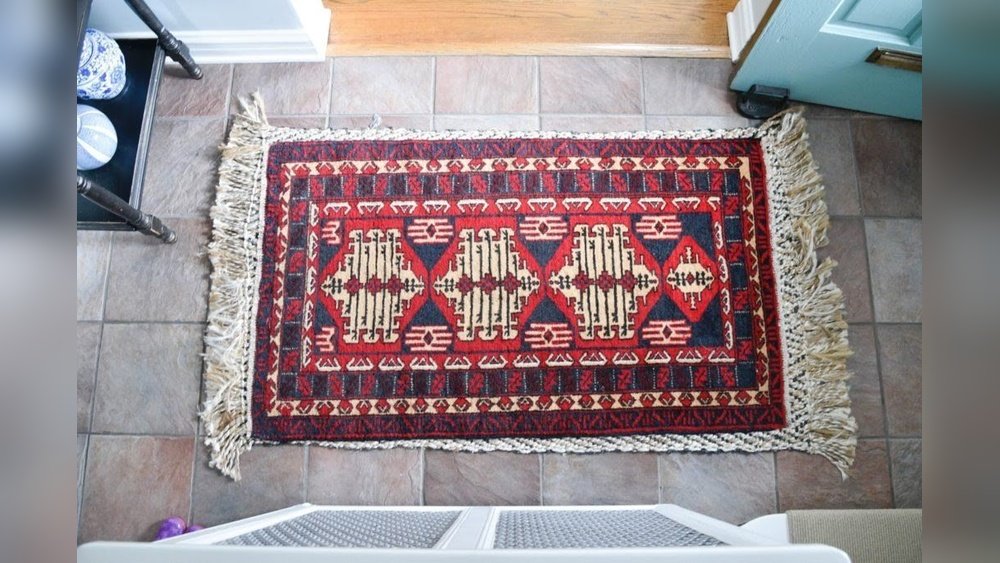
A sliding rug on a tile floor can be more than just annoying. It can be a safety hazard, leading to slips and falls, especially for kids and older adults. Beyond safety, a moving rug can make a room look untidy, cause furniture to shift, and even damage your rug or floor over time. If you have ever walked into a room and found your rug bunched up against the wall, you know how frustrating it can be. The good news is that there are simple and effective ways to stop a rug from sliding on a tile floor. This article will guide you through the best solutions, practical tips, and expert insights to keep your rug exactly where you want it.
Why Do Rugs Slide On Tile Floors?
Tile is a smooth and often glossy surface. When you place a rug on this type of floor, there is not enough friction to hold it in place. Rugs made from certain materials, such as cotton or synthetic fibers, tend to slide more because their backing is also smooth.
Lightweight rugs, and those without any backing at all, are even more prone to movement. Foot traffic, vacuuming, and even pets running around can make the problem worse. Understanding the cause is the first step toward finding the right solution.
Top Solutions To Stop Rug From Sliding
Not all rugs, tiles, or homes are the same. The right solution for your sliding rug depends on your floor type, rug size, and personal preferences. Let’s look at the most effective ways to stop your rug from sliding.
1. Rug Pads
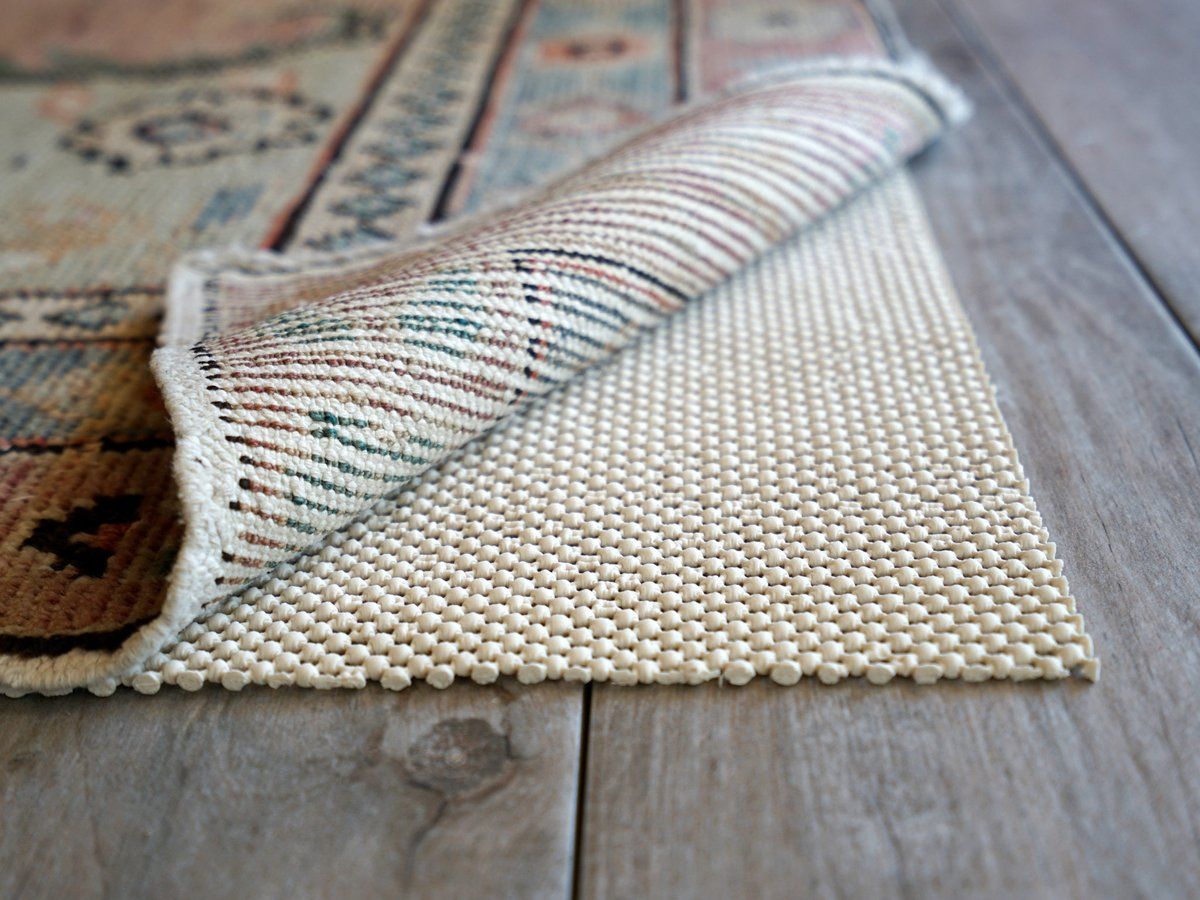
A rug pad is a thin layer placed under your rug. It creates friction and acts as a buffer between your rug and the tile floor.
Types of Rug Pads:
- Natural rubber: Best grip, eco-friendly, does not damage tile.
- PVC or plastic: Cheaper, but can sometimes react with tile and leave marks.
- Felt + rubber: Offers grip and extra cushioning for comfort.
Benefits:
- Prevents movement
- Protects both rug and tile from scratches
- Adds comfort underfoot
How to use: Cut the rug pad so it’s 1-2 inches smaller than your rug on all sides. Place it flat on the cleaned floor, then lay your rug on top.
Non-obvious tip: Choose a high-quality pad. Cheap pads may break down, stick to the tile, or lose grip after a few months.
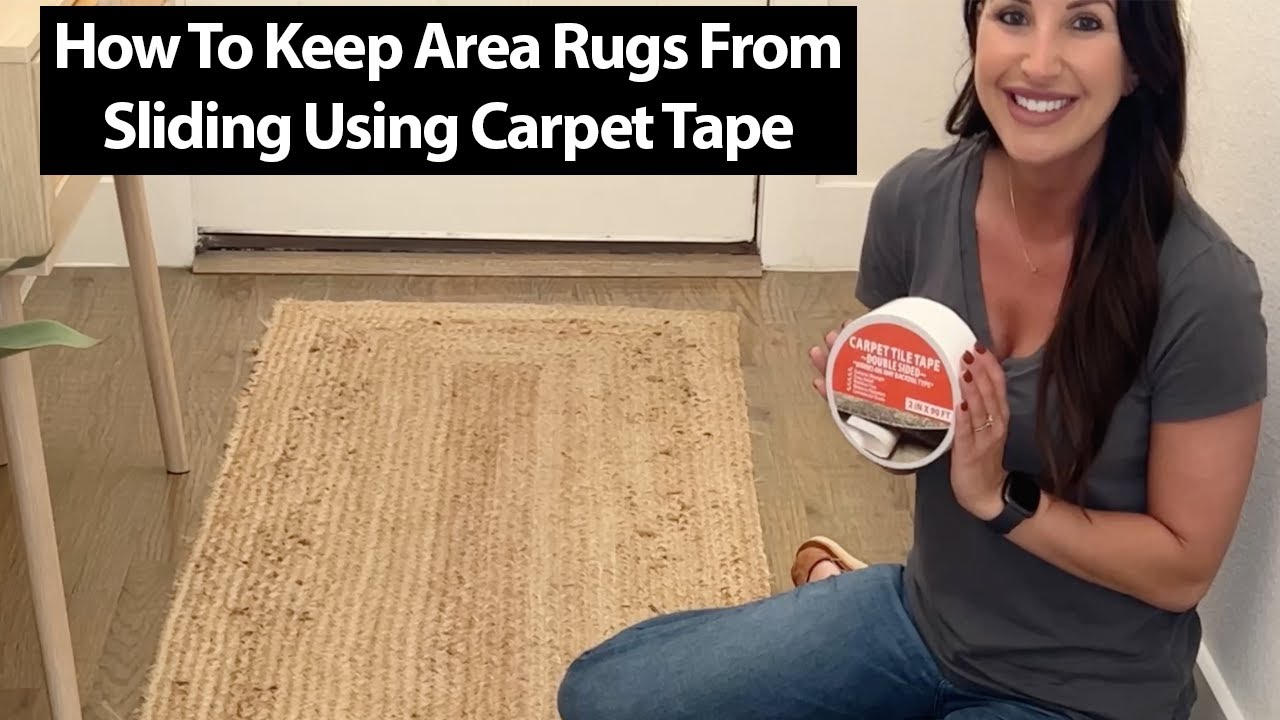
2. Double-sided Carpet Tape
Double-sided tape is an easy and budget-friendly solution. This tape is designed to stick one side to the tile and one side to the rug.
How to use:
- Clean the floor and the back of your rug.
- Apply strips of tape to the rug’s edges and corners.
- Press the rug firmly onto the tile.
Pros:
- Quick to apply
- Invisible once installed
Cons:
- May leave sticky residue on tiles
- Tape can lose stickiness over time, especially in humid areas
Extra insight: Test the tape on a small section of your tile first. Some adhesives can discolor or damage certain tiles.
3. Silicone Caulk
If you want a semi-permanent solution, silicone caulk can work wonders, especially for small rugs.
How to use:
- Flip your rug over.
- Apply thin lines or dots of silicone to the back (especially the corners).
- Let it dry completely (usually 24 hours).
- Place the rug on the tile.
The dried silicone acts as a grippy surface, stopping the rug from sliding.
Caution: This method works best on thicker rugs, as some thin rugs may absorb the caulk and become stiff.
4. Non-slip Rug Grippers Or Corners
Rug grippers are small pads or strips made from rubber or silicone. They stick to the rug corners or edges and grip the floor.
Features:
- Usually reusable
- Easy to clean
- Won’t damage tile
Installation: Attach to rug corners, press down onto the tile. Some grippers use mild adhesive, others use suction.
Hidden benefit: Rug grippers are great for odd-shaped rugs or mats that don’t fit standard pads.
5. Velcro Strips
Velcro (hook and loop tape) can be a strong solution for problem areas.
How to use:
- Stick the hook side to your clean tile.
- Stick the loop side to the rug’s back.
- Press rug in place.
Velcro holds the rug firmly but allows for easy removal when you need to clean.
Downside: Velcro adhesives are very strong. Removing them may damage some tile finishes or leave sticky residue.
6. Furniture Weight
Sometimes the simple method works best. Placing furniture like a coffee table, sofa, or chair on the edge of a rug can hold it in place.
Tips:
- Works best for large rugs in living rooms or bedrooms.
- Avoid putting too much weight on delicate rugs.
Not suitable for: Small rugs, entryway mats, or places with no furniture.
7. Hot Glue
Hot glue can be used like silicone caulk. Apply dots or lines of hot glue to the back of the rug, let dry, and place on tile. The glue acts as a non-slip grip.
Best for: Small rugs or bath mats.
Important: Don’t use too much glue, or you may create uneven bumps.
8. Anti-slip Spray
Some products are available as anti-slip sprays. These sprays create a tacky layer on the back of the rug.
How to use:
- Spray on the back of your clean rug.
- Let it dry as per instructions.
- Place on tile.
Pros:
- Fast, no cutting or sticking
- Great for thin or delicate rugs
Cons:
- Needs reapplication every few months
- May not work as well for heavy rugs
Extra insight: Always test spray on a small spot to check for discoloration.
9. Using Shelf Liners
Non-slip shelf liners (the kind used in kitchen drawers) can double as rug underlays.
Steps:
- Cut liner to fit under your rug.
- Place flat on the tile.
Shelf liners are soft, grippy, and inexpensive.
Limitation: Best for small rugs or mats—liners may not be wide enough for large area rugs.
10. Rug With Built-in Non-slip Backing
Some rugs are sold with a non-slip rubber or latex backing. If you’re buying a new rug, look for this feature.
Advantages:
- No extra setup needed
- Stays in place
Downside: Over time, some backings degrade or become sticky, especially in humid climates.
Comparing Rug Stop Solutions
To help you decide, here is a comparison of the most common methods:
| Solution | Best For | Cost | Durability | Residue Risk |
|---|---|---|---|---|
| Rug Pad | All rugs | Medium | High | Low |
| Double-Sided Tape | Small/medium rugs | Low | Medium | Medium |
| Silicone Caulk | Small/thick rugs | Low | High | Low |
| Rug Grippers | All rugs | Low | High | Low |
| Velcro Strips | Medium/large rugs | Low | High | High |
| Furniture Weight | Large rugs | Free | High | None |
What To Consider Before Choosing A Solution
Every home is different, and so is every rug. Before you pick a method, consider these points:
Rug Size And Shape
- Small rugs (like doormats or bath mats) can usually be fixed with tape, caulk, or grippers.
- Large rugs (area rugs) often need rug pads, grippers, or help from furniture.
Tile Type
Some tiles are glazed or extra slippery. Others are textured. Test any adhesive method on a hidden spot to make sure it won’t damage or stain.
Cleaning And Maintenance
Do you move or clean your rug often? If so, avoid permanent solutions like caulk or Velcro.
Cost And Longevity
Some solutions cost more upfront but last for years (e. g. , high-quality rug pads). Cheaper options, like tape, may need to be replaced often.
Allergies And Safety
If someone in your home is sensitive to chemicals, avoid strong adhesives or sprays with strong smells.
Climate
In humid or hot climates, some adhesives may break down or become sticky. Rubber-based solutions are usually more stable.
Credit: www.youtube.com
Common Mistakes To Avoid
Many people make simple errors when trying to stop rugs from sliding. Here’s how to avoid them:
- Skipping cleaning: Always clean the tile and rug bottom before applying any solution. Dust or oil can reduce grip.
- Using the wrong product: Not all tapes or pads are made for tile. Some are for carpet or wood and may not work well.
- Overlapping solutions: Using multiple sticky solutions can create a mess that’s hard to remove later.
- Ignoring pad size: A pad that’s too small will not stop sliding at the edges. A pad that’s too large will show under the rug.
- Not checking compatibility: Some adhesives react with tile sealants or grout. Always do a spot test.
Real-world Example
Consider a family living in a busy home with pets and kids. Their hallway rug kept bunching up every day, creating a trip hazard. They first tried double-sided tape, but it lost stickiness in a few weeks. Then, they switched to a high-quality natural rubber rug pad, cut to size. The rug stayed in place for months, and cleaning was easy. This shows how investing in the right solution saves time and stress.
Credit: www.rugpadusa.com
Long-term Care For Rugs On Tile
Once your rug stays in place, keep it clean and safe:
- Vacuum regularly to remove dirt and grit that can wear the rug and pad.
- Lift, don’t drag, when moving the rug or furniture.
- Check under the rug every few months for signs of wear or sticky residue.
- Replace pads or grippers as needed—most last 1-3 years, but heavy use can shorten their life.
Professional Advice
If you have a valuable or antique rug, consult a flooring expert before using adhesives or sprays. Some delicate materials, like silk or wool, can be damaged by chemicals. For most modern rugs, the solutions above are safe and effective.
Credit: lcg-energy.de
Quick Reference: Solution Effectiveness
Here’s a summary table for quick decision-making:
| Method | Effectiveness | Removability | Suitability |
|---|---|---|---|
| Rug Pad | High | Easy | All rugs |
| Double-Sided Tape | Medium | Moderate | Small/medium rugs |
| Silicone Caulk | High | Hard | Small, thick rugs |
| Rug Grippers | High | Easy | All rugs |
Frequently Asked Questions
What Is The Best Way To Stop A Rug From Sliding On Tile?
The best way is usually a high-quality natural rubber rug pad that fits under your rug. It provides grip, comfort, and protects your floor. For smaller rugs, grippers or double-sided tape can also work well.
Can I Use Double-sided Tape On All Types Of Tile?
Most tapes work on ceramic and porcelain tile, but always test a small area first. Some tapes may leave residue or damage tiles with special finishes.
How Often Should I Replace Rug Pads Or Grippers?
Rug pads and grippers typically last 1 to 3 years. Check them every few months for wear. If you notice loss of grip or breakdown, replace them sooner.
Are Non-slip Sprays Safe For All Rugs?
Non-slip sprays are safe for many synthetic and cotton rugs but can damage delicate fibers like silk or wool. Always check the label and test on a small area first.
Will A Sliding Rug Damage My Tile Floor?
Yes, a sliding rug can cause scratches, wear, and even damage grout lines over time. It’s important to secure your rug as soon as possible to protect both rug and floor.
A well-secured rug not only keeps your home safer but also helps your space look neat and cozy. Choose the method that fits your rug, tile, and lifestyle. For more detailed comparisons and recommendations, you can check resources like Wirecutter. With the right solution, you can finally say goodbye to sliding rugs and enjoy a more comfortable, stylish home.