

Creating a study space at home can seem simple. Just a table, a chair, and you are done, right? But if you want to study well and focus for long periods, your environment matters a lot. Many people try to learn at home but get distracted, feel sleepy, or just can’t concentrate. The truth is, a productive study space is not just about furniture. It is about design, lighting, noise, motivation, and even small things like what you see and hear around you.
If you want to get the most from your study time, setting up the right space is one of the best things you can do. This guide will show you how to create a home study area that helps you work better, remember more, and feel less stressed.
You’ll learn about choosing the right spot, setting up your desk, controlling noise, keeping things tidy, and more. Even if you live with family, have a small apartment, or share your room, you can make big improvements with smart changes.
Let’s look at how you can build a study space that truly works for you.
Picking The Right Location
The first thing to consider is where to study. Not all rooms are equal. Some places have more noise, less light, or too many distractions. If you can, choose a spot with these features:
- Quiet: Away from TVs, kitchens, and busy hallways.
- Natural light: Sunlight keeps you alert and can lift your mood.
- Separation: A place that feels different from where you sleep or relax.
For example, if you live in a small apartment, a corner of the living room can work if you face away from distractions. Some students use a part of the dining table but set up at the same spot every day.
What many people miss: It is better to have a small, dedicated spot than a big, shared one. Even a small desk in your bedroom is usually better than the busy kitchen table.
Desk And Chair: Comfort Matters
A good desk and chair will make long study sessions less tiring. Many students use whatever chair is around, but this is a mistake. Bad posture leads to back pain and makes it hard to concentrate.
What To Look For
- Desk height: Your elbows should be at a 90-degree angle when typing or writing.
- Chair support: Look for a chair with good back support. If you use a dining chair, add a cushion.
- Leg space: Make sure your knees fit under the desk comfortably.
If you can’t buy a new chair, use a pillow for back support. Place a box under your feet if they don’t rest flat on the floor. These small fixes can make a big difference in comfort and focus.
Credit: online.uga.edu
Lighting: See Clearly, Stay Focused
Lighting has a big impact on both your energy and your eyes. Too little light makes you sleepy. Too much glare hurts your eyes.
Types Of Lighting
- Natural light: Best for alertness and mood.
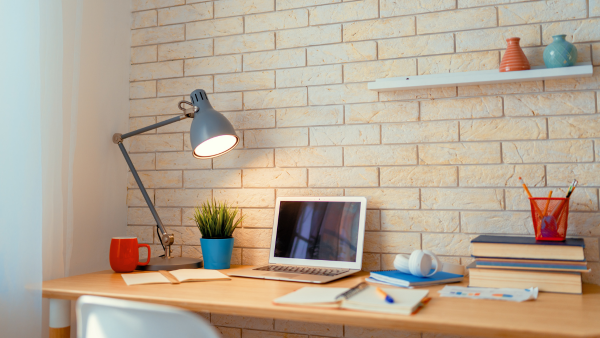
- Desk lamp: Use a lamp with adjustable brightness. LED lamps are energy-efficient and don’t get hot.
- Overhead light: Avoid sitting directly under harsh lights; use curtains to soften sunlight if needed.
For evening study, use a warm light (not too white or blue), as it is easier on the eyes. If you use screens, adjust their brightness to match your room.
Many beginners forget: Position your lamp on the opposite side of your writing hand to avoid casting shadows.
Organizing Your Supplies
A messy desk slows you down. Searching for a pen or notebook breaks your focus. The best study spaces are clutter-free and have everything you need within reach.
What To Keep On Your Desk
- Only daily essentials: Pens, notebooks, laptop, charger, water bottle.
- Storage: Use small boxes, pencil holders, or drawer organizers for supplies.
- Remove distractions: Keep unrelated books, snacks, or gadgets away.
Every week, spend five minutes putting things back in place. This simple habit prevents clutter from building up.
Managing Noise And Distractions
Noise is a top reason students lose focus at home. Even small sounds, like a TV in another room, can make it hard to concentrate. Here are ways to handle noise:
Tips To Reduce Distractions
- Noise-canceling headphones: Block out background sounds, even if you are not listening to music.
- Study music: Choose soft instrumental music, white noise, or nature sounds.
- Clear rules: Let family or roommates know your study times so they don’t interrupt.
- Digital focus tools: Use apps like Forest or Focus@Will to help you stay on track.
A trick many miss: Sometimes, the problem is not just noise but the sudden change in sound (like a door slamming). Try to create a steady background sound if your home is noisy.
Personalizing Your Space
Your study area should motivate you. Small touches can make it feel like a place where you want to work. What works for one person may not work for another, so try different things.
Ideas For Personal Touch
- Inspirational quotes: Put up a quote or photo that inspires you.
- Plants: Even a small plant can improve mood and air quality.
- Color: Use a colorful notebook or pen holder to make the space inviting.
Be careful not to add too much. The goal is to feel motivated, not distracted.
Keeping Your Space Clean
A clean study area is not just about looks. Dust and clutter can increase stress and make you sick. Studies show that students working in tidy spaces perform better.
Cleaning Routine
- Wipe surfaces: Use a damp cloth once a week.
- Throw out trash: Empty your bin daily.
- Organize cables: Use clips or ties to stop cables from tangling.
If you eat at your desk, clean up right after. Crumbs and spills attract insects and create a bad smell.
Technology Setup
Most students use a laptop or tablet. But technology can help or hurt your studies, depending on how you use it.
Best Practices
- Screen position: Top of the screen should be at eye level.
- Keyboard and mouse: Use an external keyboard/mouse if possible for better posture.
- Charging: Keep your charger plugged in or nearby so you don’t run out of battery in the middle of work.
- Headphones: Useful for online classes or blocking noise.
A common mistake: Having too many tabs or apps open. Close what you don’t need to avoid distractions and slowdowns.
Temperature And Air Quality
It’s easy to ignore, but room temperature and fresh air affect your focus. Too hot or cold, and your brain will not work at its best.
How To Improve
- Ideal temperature: 20–22°C (68–72°F) is best for most people.
- Ventilation: Open a window for fresh air, especially after long study sessions.
- Humidifier: In dry climates, a humidifier can help you breathe easier.
Some students find that a small fan or portable heater helps them stay comfortable. Try different setups until you find what feels best.
Setting Study Boundaries
When you study at home, the lines between work and rest can blur. This can make it hard to “switch off” after studying.
How To Create Boundaries
- Set a schedule: Start and finish at the same time each day.
- Physical cue: Close your books or laptop when done, or cover your desk with a cloth.
- Breaks: Take short breaks every 45–60 minutes to stretch and rest your eyes.
What many people miss: If you have to use the same desk for other tasks, clear away your study items after each session. This signals to your brain that study time is finished.

Credit: online.nmu.edu
Optimizing For Online Learning
With more classes now online, your study space should be ready for video calls and digital assignments.
Online Learning Tips
- Camera angle: Place your webcam at eye level for a professional look.
- Background: Keep your background tidy, or use a plain wall.
- Internet connection: Use a wired connection if possible for more stable video calls.
- Lighting: Make sure your face is well-lit so teachers can see you clearly.
If your internet is slow, ask family to avoid streaming videos during your class time.
Comparison Of Study Space Essentials
To help you decide what matters most, here’s a comparison of common study space features:
| Feature | Why It Matters | Budget Option | Premium Option |
|---|---|---|---|
| Chair | Supports your back and posture | Pillow on a dining chair | Ergonomic office chair |
| Lighting | Reduces eye strain | Desk lamp with LED bulb | Adjustable smart lamp |
| Noise Control | Improves focus | Earplugs, soft music | Noise-canceling headphones |
| Desk Space | Keeps supplies organized | Small table with storage box | Desk with built-in drawers |
Credit: cesblog.sdsu.edu
Sample Study Space Layouts
Depending on your living situation, your study space can look different. Here’s how different setups compare:
| Space Type | Best For | Key Challenge | Tip |
|---|---|---|---|
| Bedroom Corner | Private study | Mixing rest and work | Use a room divider or curtain |
| Shared Table | Limited space | Distractions from others | Study at set hours, use headphones |
| Living Room Nook | Natural light | Noise from family | Face away from TV, communicate schedule |
Surprising Ways To Boost Productivity
Most guides talk about desks and chairs, but two less obvious factors can make a big difference:
- Scent: Research shows that certain scents, like lemon or peppermint, can help you stay alert. Use a scented candle or essential oil diffuser, but keep it subtle.
- Movement: Don’t just sit for hours. Stand up, stretch, or even use a standing desk for part of your study time. Small movements keep your brain active.
Also, try to end each study session with a small win, like finishing a chapter or solving a problem. This boosts your motivation for next time.
What Science Says About Study Spaces
A study by Princeton University found that physical clutter in your environment competes for your attention and reduces performance. Another study published in the *Journal of Environmental Psychology* showed that students in well-lit, organized spaces had better focus and memory.
For more on how your environment affects your brain, you can check out Environmental Psychology.
Frequently Asked Questions
What If I Don’t Have A Separate Room For Studying?
You do not need a whole room. Use a corner of your bedroom or living room. The key is to have a dedicated spot, even if it is small. Mark it with a mat, lamp, or divider so your brain knows it’s study time.
How Can I Avoid Distractions From My Phone?
Turn off notifications or put your phone in another room while you study. Some people use apps that block social media during study sessions. Try the “out of sight, out of mind” trick to remove the temptation.
What Is The Best Lighting For Late-night Study?
Use a desk lamp with a warm (yellowish) light, not a harsh white or blue light. This reduces eye strain and helps you wind down for sleep after studying.
How Often Should I Take Breaks?
Take a short 5–10 minute break every 45–60 minutes. Stand up, stretch, or drink water. Regular breaks help keep your mind fresh and improve memory.
Can I Study Well With Music?
Instrumental music or soft background sounds can help some people focus. Avoid music with lyrics, as it can distract you. Try different sounds to see what works best for you.
Creating a productive study space at home is an investment in your learning and well-being. The right setup not only boosts your focus but also makes studying more enjoyable. Remember, it’s not about having the perfect space—it’s about making your space work for you.
Even small changes can make a big difference. Start with one improvement today, and you’ll soon see the results in your study performance.