
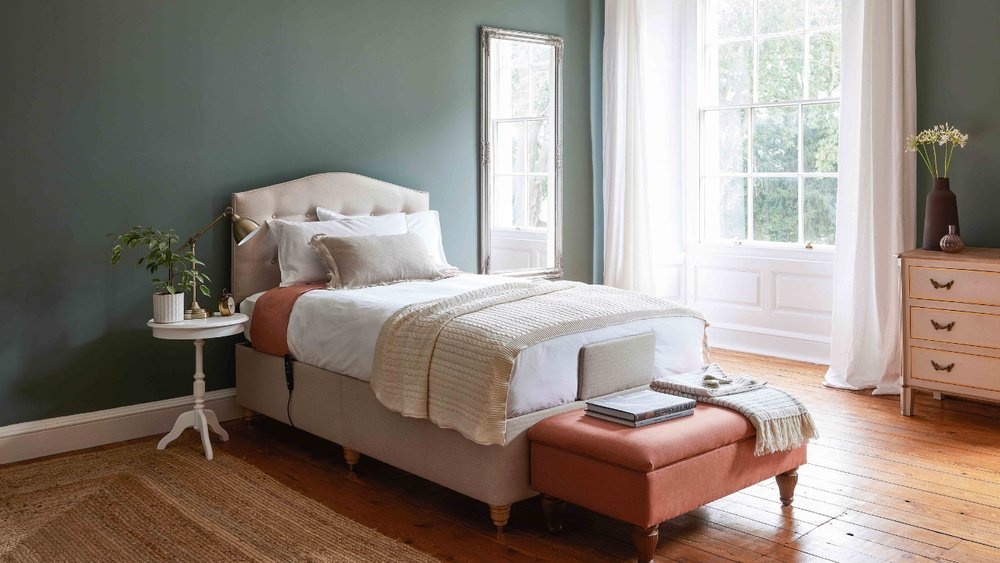
Creating a truly relaxing bedroom is much more than just buying a soft mattress or choosing a pretty color for the walls. It’s about shaping an environment that helps your mind and body feel calm, safe, and ready to rest.
A peaceful bedroom can improve your sleep quality, lower stress, and give you the energy you need for the next day. Many people overlook small details that make a big difference, like the kind of light bulbs you use or how you organize your closet.
Even the air you breathe and the sounds you hear at night affect your ability to relax.
If you want to turn your bedroom into a true sanctuary, you need to look at everything—from the layout and lighting to the colors, scents, and even the technology you bring inside. In this guide, you’ll learn step-by-step how to set up a relaxing bedroom environment, with practical ideas that work for almost any space and budget.
Whether you live in a busy city or a quiet suburb, these tips will help you sleep better and enjoy your bedroom more.
Choose The Right Color Scheme
Colors influence how we feel. Calm shades can help you unwind, while bright or dark colors might make it harder to relax. Most sleep experts recommend soft, muted colors for bedrooms.
Pale blues, gentle greens, and light grays are popular because they create a sense of peace. Some people find warm neutrals, like beige or taupe, comforting as well. It’s not just about the paint on the walls—your bedding, curtains, and rugs should also match the calming color palette.
Avoid using strong reds or bold patterns that can be too stimulating.
You don’t need to make everything the same color. Mixing two or three soft shades often looks more interesting and feels more personal. If you love bright colors, use them as small accents—like a pillow or a lamp—rather than the main color.
Invest In A Comfortable Bed
Your bed is the heart of your bedroom. If you wake up sore or tired, it may be time for a new mattress or pillows. The right bed for you depends on your sleep style and body type.
When choosing a mattress, look for one that supports your back and feels comfortable. If you’re a side sleeper, a medium or soft mattress can help reduce pressure on your hips and shoulders. Back sleepers often prefer a firmer mattress.
Don’t forget about the pillow—your neck should stay in line with your spine. Memory foam or adjustable pillows can help many people sleep better.
Here’s a quick comparison of common mattress types:
| Type | Feel | Best For |
|---|---|---|
| Memory Foam | Soft, contouring | Side sleepers, pressure relief |
| Innerspring | Supportive, bouncy | Back/stomach sleepers, cool sleep |
| Hybrid | Balanced | Couples, all positions |
| Latex | Firm, responsive | Hot sleepers, eco-friendly |
You don’t need to buy the most expensive mattress, but avoid very cheap ones—they often wear out quickly and don’t support your body well.
Credit: afsstore.com
Control The Lighting
Lighting affects your mood and your sleep. Harsh or overly bright lights can keep you awake, while too little light can make a room feel gloomy.
Use layered lighting: combine a main ceiling light with softer lamps or wall lights. This lets you adjust the brightness for reading, relaxing, or getting dressed. Warm white bulbs (around 2700K) are best for bedrooms because they mimic the soft light of sunset.
Consider using blackout curtains if you live in a city or your window faces streetlights. These block unwanted light and help you sleep deeper. You can also try dimmable lights or smart bulbs that you can adjust from your phone.
For a quick look at how different lighting types affect your bedroom, see below:
| Lighting Type | Effect | Best Use |
|---|---|---|
| Ceiling Light | Bright, even | General activities |
| Bedside Lamp | Soft, focused | Reading, winding down |
| String/Fairy Lights | Gentle, decorative | Setting mood |
A common mistake is using your phone or tablet in bed with the brightness turned up. The blue light from screens can disturb your sleep, so try to dim screens at night or use a “night mode. ”
Keep Clutter To A Minimum
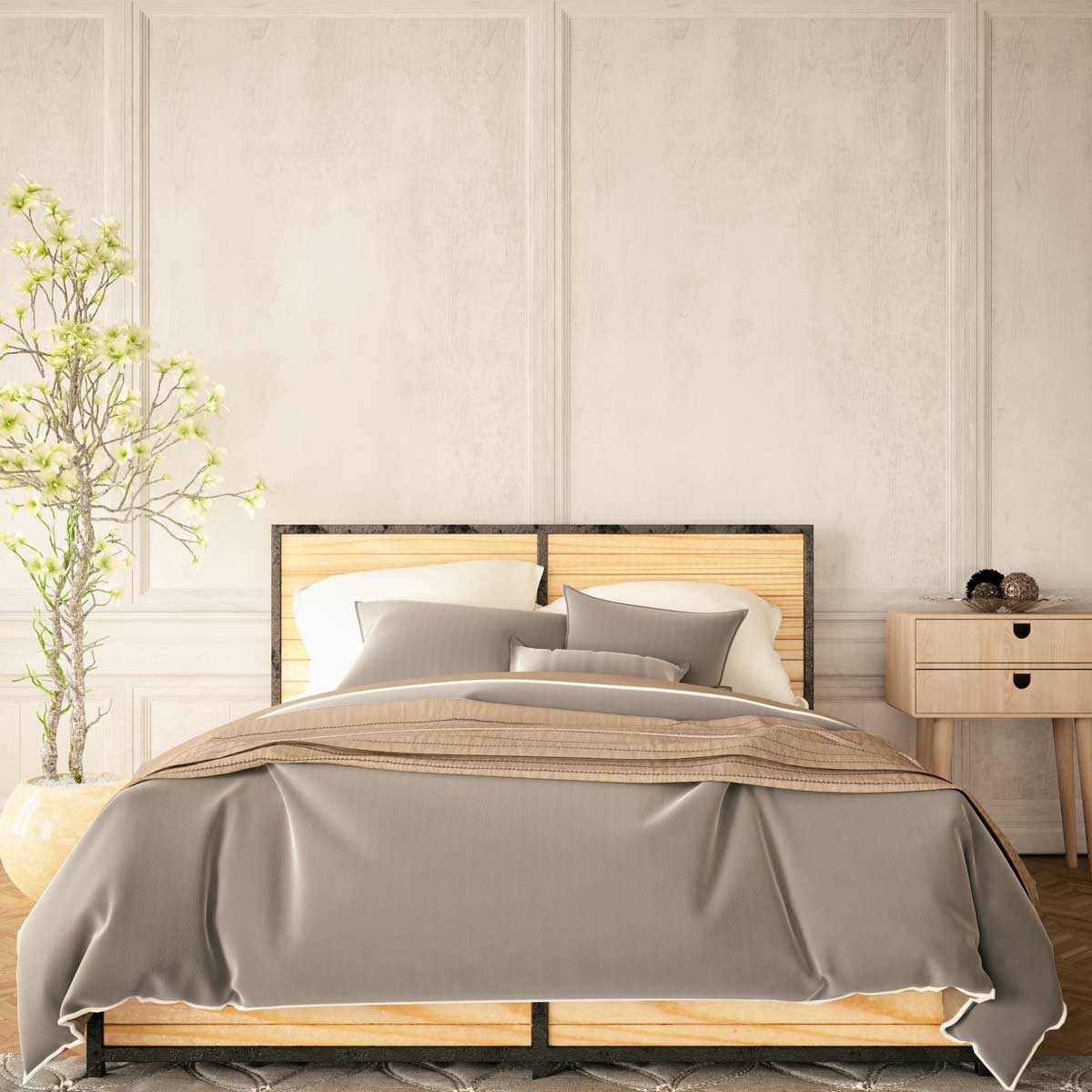
Clutter creates stress. A messy room makes it harder for your mind to relax. The bedroom should only have items you need for sleep, dressing, and relaxing.
Start by clearing out things you don’t use. Donate or store anything that doesn’t belong in your bedroom. Use storage boxes under the bed or baskets in the closet to keep items out of sight. If you have open shelves, don’t overcrowd them—leave some space so the room feels open.
Here are some ways to stay organized:
- Make your bed every morning.
- Use a laundry basket with a lid.
- Keep nightstands clear, with only a lamp and one or two small items.
- Store seasonal clothes elsewhere if possible.
A tidy space feels bigger and helps you fall asleep faster. If you struggle with clutter, try spending five minutes each night putting things away.
Credit: www.thensf.org
Focus On Air Quality
Many people forget how important fresh air is for relaxation and sleep. Poor air quality can cause headaches, coughing, and even poor sleep.
If your windows open, let in fresh air during the day. If you live in a city with pollution or allergens, an air purifier can make a big difference. Some plants, like snake plant or peace lily, can also help clean the air naturally.
Humidity matters too. The ideal range for most bedrooms is 40–60%. If your room is dry, use a humidifier. If it’s damp, a small dehumidifier can prevent mold and musty smells.
A study by the Environmental Protection Agency shows that indoor air can be two to five times more polluted than outdoor air. So it’s worth checking your air quality if you often wake up tired or stuffy.
Optimize Temperature And Ventilation
The temperature of your bedroom plays a big role in how well you sleep. Most people sleep best when the room is cool—about 16 to 19°C (60 to 67°F).
If your room gets hot, use a fan or air conditioning. In colder climates, an extra blanket is better than turning up the heat too high. Open the window a crack if possible to keep the air fresh.
It’s also important to use breathable bedding. Sheets made from cotton or linen help keep you cool and comfortable. Avoid heavy synthetic fabrics unless you need extra warmth in winter.
Block Out Noise
Noise is one of the most common reasons people can’t relax or fall asleep. Even if you live in a noisy area, there are ways to create a quiet environment.
Heavy curtains, carpets, and even fabric wall hangings can help absorb sound. Earplugs are a simple solution for loud nights. Some people use a white noise machine or a fan to cover up sudden noises like traffic or barking dogs.
Here’s a comparison of noise solutions:
| Method | Noise Reduction | Comfort Level |
|---|---|---|
| Earplugs | High | Medium |
| White Noise Machine | Medium | High |
| Heavy Curtains | Low-Medium | High |
Try different solutions to see what works best for you. Sometimes, even a small change makes a big difference.
Add Soothing Scents
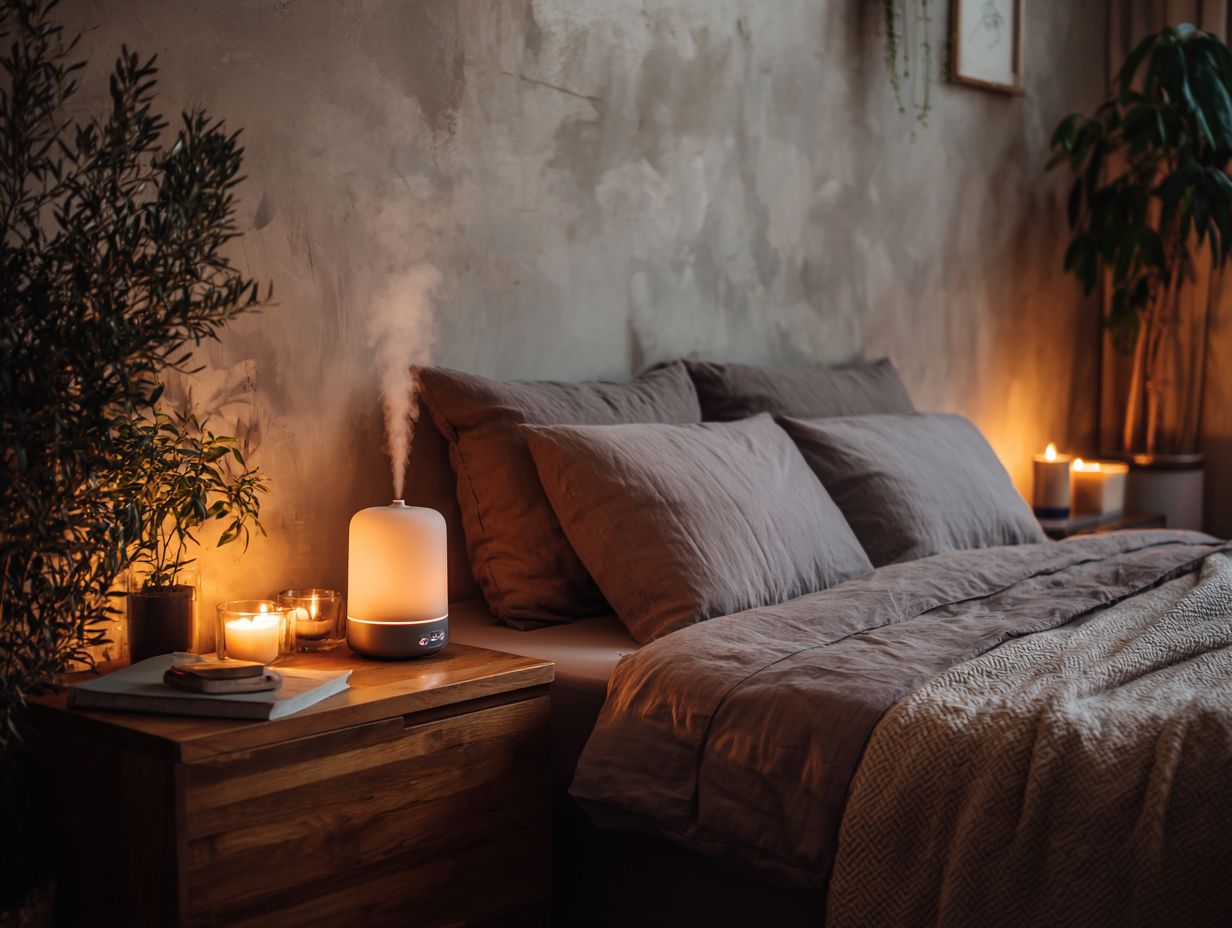
Certain scents can help you relax and sleep better. Lavender is the most studied scent for sleep—it has been shown to lower heart rate and blood pressure.
You can use scents in several ways:
- Essential oil diffusers
- Scented candles (blow them out before sleep!)
- Linen sprays for your pillow
- Sachets of dried herbs in your drawers
Avoid overpowering smells or air fresheners with chemicals. Natural scents are best for relaxation.
Non-obvious tip: Don’t use the same scent all the time. Your brain gets used to it, and the effect can fade. Rotate between two or three calming scents for the best results.

Credit: www.cnet.com
Create A Personal Sanctuary
Your bedroom should feel like your space. Small touches can make it special and more relaxing.
Hang artwork or photos that make you happy. Add a plant or two for a natural feel. Use soft rugs or blankets to add warmth. The key is to keep the space simple—don’t fill every corner.
If you like reading, set up a cozy chair and a lamp. If you meditate or do yoga, keep a small area free of clutter for stretching or breathing exercises.
Some people find it relaxing to display a few favorite books or keepsakes. Others prefer a completely minimalist look. Choose what helps you feel calm.
Limit Electronics And Screens
Phones, TVs, and laptops are part of modern life, but they don’t belong in a relaxing bedroom. The blue light from screens tricks your brain into staying awake. Notifications and messages can also disturb your peace.
If possible, make your bedroom a screen-free zone. Charge your phone in another room. If you need an alarm, use a simple clock instead of your phone.
If you do use your phone or tablet at night, set it to night mode and keep the brightness low. Avoid checking work emails or social media in bed—your brain will stay alert, making it hard to relax.
Use Soft Textures And Layers
How your bedroom feels is as important as how it looks. Soft textures help your body relax and make the room more inviting.
Choose high-quality sheets with a thread count above 200 for smoothness. Add a plush comforter or duvet for warmth. Layer blankets for extra coziness. Use pillows in different sizes and shapes for support.
A soft rug under your feet when you get out of bed can make a big difference, especially on cold mornings. If you have hardwood or tile floors, consider a runner or bedside rug.
Set A Sleep Routine
A relaxing bedroom is only part of the story. Your habits matter too. Try to go to bed and wake up at the same time each day, even on weekends. This helps your body’s internal clock and improves sleep quality.
Create a short bedtime routine: dim the lights, put away your phone, maybe read a book or listen to calm music. Over time, your brain will learn these signals mean it’s time to relax.
Non-obvious insight: If you have trouble falling asleep, try keeping a notepad by your bed. Write down any worries or to-do items before you lie down. This can help clear your mind and reduce stress.
Keep The Bedroom For Sleep And Rest
It’s tempting to use your bedroom as a home office or workout space, especially in small apartments. But mixing activities makes it harder for your brain to “switch off. ”
Try to use your bedroom only for sleep and restful activities. If you must work or study in your room, set up a small desk or corner and keep it tidy. Put away work items when you’re done for the day.
This separation helps your mind connect the bedroom with rest, not work or stress.
Consider Feng Shui Principles
Many people use Feng Shui, an ancient Chinese practice, to design a relaxing bedroom. The main idea is to create a balanced space with good energy flow.
Some common Feng Shui tips for bedrooms:
- Place your bed so you can see the door, but don’t face it directly.
- Avoid mirrors facing the bed (they can reflect energy and disturb sleep).
- Keep the space under your bed clear.
- Choose pairs for bedside tables and lamps for harmony.
Even if you don’t follow Feng Shui exactly, these ideas can make your room feel more balanced and peaceful.
If you want to learn more about the science behind sleep and bedroom setup, the Sleep Foundation offers plenty of research and tips.
Frequently Asked Questions
How Can I Make My Small Bedroom Relaxing?
Use light colors, keep furniture minimal, and use smart storage. Soft lighting and a few personal touches—like a favorite photo or plant—can help any space feel calm and inviting.
What Is The Best Temperature For A Relaxing Bedroom?
Most people sleep best when the room is cool, around 16–19°C (60–67°F). Test what works for you, and adjust your bedding to match the season.
Does Removing Electronics Really Help?
Yes. Screens can disturb your sleep and make it harder to relax. Removing phones, TVs, and computers from the bedroom is one of the simplest ways to create a restful space.
Which Scents Are Best For Relaxation?
Lavender is most popular, but chamomile, sandalwood, and vanilla are also calming. Try a few to see which scent helps you unwind the most.
How Often Should I Clean My Bedroom?
Aim to tidy up daily and do a deeper clean once a week. Clean sheets and dust-free surfaces help you sleep better and make your room more comfortable.
A relaxing bedroom is more than just a place to sleep—it’s a retreat from the world. With a few thoughtful changes, you can transform your space into a haven of peace and comfort. Your mind and body will thank you every day.
For more helpful guides, check out calming bedroom colors and decor ideas, blackout curtains vs normal curtains for better sleep, and how to pick the right pillow for back sleepers.
- Declutter the Space
Remove unnecessary items from surfaces and floor. A clutter-free bedroom signals calm to the brain.
- Choose the Right Bedding
Use soft, breathable sheets (cotton or bamboo) and a comfortable pillow that supports your sleep position.
- Control Lighting
Install dimmer switches or use bedside lamps with warm bulbs. Add blackout curtains to block morning light.
- Manage Temperature
Set room temperature between 65-68°F (18-20°C) which is optimal for sleep. Use a fan or adjust your bedding accordingly.
- Reduce Noise
Use white noise machines, earplugs, or thick curtains to minimize disruptive sounds from outside.
- Add Calming Elements
Incorporate plants, soft textures, and neutral or cool colors. Remove screens and work-related items from the bedroom.