
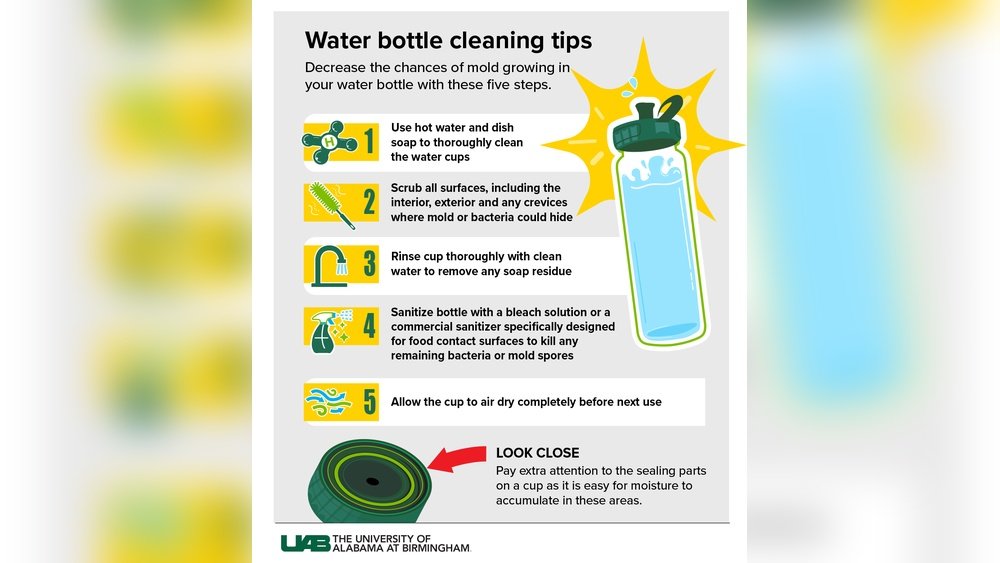
Many people use reusable water bottles every day. They are good for health, save money, and help the environment. But if you do not clean your bottle well, mold can grow inside. Mold is not just dirty—it can be dangerous for your health. You might notice a musty smell, black or green spots, or a strange taste. Removing mold is not hard, but you need to do it the right way to make your bottle safe again.
If you have ever opened your water bottle and found a fuzzy patch or strange odor, you are not alone. Mold loves damp, dark places. Bottles are the perfect home for it, especially if you leave water in them for long periods or do not dry them fully.
In this guide, you will learn why mold grows, how it affects your health, and the best steps to remove it from any type of water bottle. You will also find tips to stop mold from coming back. With the right methods, your bottle can stay clean and safe to use every day.
Why Mold Grows In Water Bottles
Mold is a type of fungus that spreads through tiny spores. It thrives in places that are moist, dark, and warm—just like the inside of many water bottles. When you close a bottle with a little water left or do not clean it often, you create the perfect conditions for mold.
Some bottles, like those with narrow necks or built-in straws, are even harder to clean. Residue from drinks like juice or sports drinks gives mold more food to grow on. Even plain water can support mold if you do not wash and dry your bottle.
A surprising fact: Mold spores are everywhere—in the air, on your hands, and even on new bottles. You cannot stop them from getting inside, but you can stop them from growing by keeping your bottle clean and dry.
Health Risks Of Drinking From A Moldy Bottle
You may wonder if drinking from a moldy bottle is really bad. The answer is yes. Mold can cause many health problems. Some common symptoms are:
- Stomach upset
- Nausea or vomiting
- Diarrhea
- Headaches
- Allergic reactions (sneezing, coughing, itchy eyes)
People with asthma or weak immune systems are at higher risk. Mold can even create toxins called mycotoxins, which are dangerous if swallowed. For children, the elderly, or anyone with allergies, even a little mold can be serious.
Many people think rinsing with water is enough. This is a mistake. Mold can stick to plastic, metal, and rubber. You need a deeper clean to remove it completely.
Credit: www.reddit.com
Signs Your Water Bottle Has Mold
Sometimes, mold is easy to see or smell. But sometimes, it hides in places you do not check. Look for these signs:
- Black, green, or brown spots inside the bottle or on the lid
- A musty or earthy odor
- Slippery or slimy feeling inside the bottle or around the cap
- Unusual taste in your water
If you see or smell any of these, it is time for a deep clean.
Supplies Needed To Remove Mold
Before you start cleaning, gather these basic supplies:
- Bottle brush (long and flexible)
- Dish soap
- White vinegar
- Baking soda
- Hot water
- Clean sponge or cloth
- Small cleaning brush or old toothbrush (for lids and straws)
- Optional: Hydrogen peroxide or denture cleaning tablets
These items are safe, easy to find, and work well for most bottles. Avoid using bleach unless the bottle’s instructions say it is safe.
Step-by-step: How To Remove Mold From Water Bottle
Follow these steps to get rid of mold safely:
1. Disassemble The Bottle
Take apart your water bottle as much as possible. Remove the lid, straw, rubber seal, and any extra pieces. Mold often hides in these parts.
2. Rinse With Hot Water
Rinse all pieces with hot water to remove loose dirt and mold.
3. Soak In Vinegar Solution
Mix equal parts of white vinegar and hot water. Fill the bottle and submerge all parts for at least 30 minutes. Vinegar is a natural mold killer.
4. Scrub All Surfaces
Use a bottle brush for the inside, and a small brush or toothbrush for the lid, straw, and threads. Pay extra attention to corners and seals where mold hides.
5. Use Baking Soda For Tough Spots
Sprinkle baking soda on tough spots. Add a little water to make a paste, then scrub. This removes stains and any remaining mold.
6. Rinse Thoroughly
Rinse every part with hot water until all vinegar and baking soda are gone. Any leftover cleaner can affect taste and safety.
7. Dry Completely
Let all parts air dry fully. Put them on a clean rack or towel. Do not close the bottle until it is 100% dry—moisture helps mold return.
8. Optional: Use Hydrogen Peroxide Or Tablets
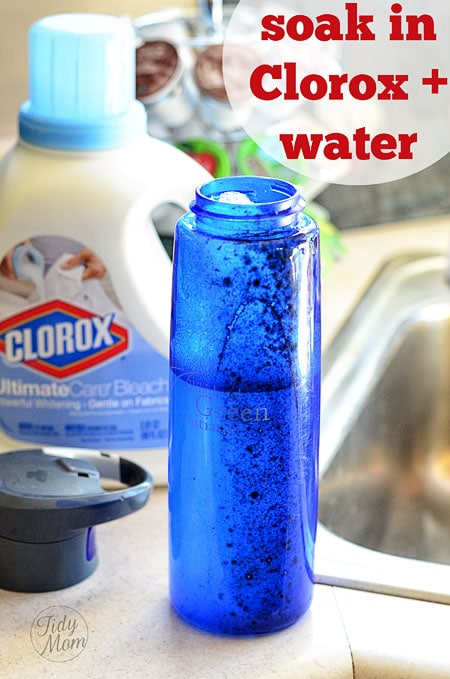
For stubborn mold, fill the bottle with a 3% hydrogen peroxide solution or use a denture cleaning tablet. Let it sit for 10–15 minutes, then rinse well. These methods are safe for most bottles, but check the manufacturer’s instructions.
Example Cleaning Schedule
Here’s a simple cleaning plan for regular use:
| Cleaning Task | How Often |
|---|---|
| Rinse with water | Every day |
| Wash with soap | Every 1–2 days |
| Deep clean (vinegar/baking soda) | Once a week |
| Check for mold | Every week |
Special Tips For Different Bottle Materials
Not all bottles are the same. Here is how to clean common types:
Plastic Bottles
Plastic can scratch easily, and mold hides in the scratches. Do not use very hot water or harsh chemicals. Always let plastic dry fully to avoid smells.
Stainless Steel Bottles
These are durable and less likely to scratch. You can use vinegar, baking soda, or hydrogen peroxide. Avoid bleach, which can damage the metal.
Glass Bottles
Glass is easy to clean and does not keep odors. Use normal cleaning steps. Be careful not to drop the bottle when wet.
Bottles With Straws Or Complex Lids
Use a thin brush or pipe cleaner for straws. Take lids apart if you can. Mold loves to hide here, so do not skip these parts.
Comparison: Cleaning Difficulty By Bottle Type
| Bottle Type | Cleaning Difficulty | Special Note |
|---|---|---|
| Plastic | Medium | Scratches trap mold easily |
| Stainless Steel | Easy | Can use stronger cleaners |
| Glass | Easy | Breakable when wet |
| With Straws/Complex Lids | Hard | Needs special brushes |

Credit: www.wikihow.com
Preventing Mold From Returning
Cleaning once is not enough. Use these tips to keep your bottle mold-free:
- Wash daily. Even if you only drink water, wash your bottle every day.
- Air dry completely. Mold cannot grow without moisture. Store bottles with the cap off.
- Deep clean weekly. Use vinegar or baking soda for a full clean.
- Avoid sugary drinks. If you use your bottle for juice or sports drinks, clean right after.
- Check seals and straws. Mold loves rubber gaskets and straws. Clean or replace if needed.
- Replace old bottles. If your bottle smells bad or has stains you cannot remove, it is time for a new one.
A common mistake is putting a wet bottle in a bag or fridge. This traps moisture and helps mold grow faster.
When To Replace Your Water Bottle
No bottle lasts forever. Mold can leave stains or smells that will not go away. Here are signs you need a new bottle:
- Cracks or deep scratches inside
- Bad smell after cleaning
- Rubber seals that do not fit
- Mold stains that remain after several deep cleans
If you see these problems, it is safer to buy a new bottle.
Real-world Example: Cleaning A Moldy Sports Bottle
Imagine you find black spots and a musty smell in your sports bottle after a weekend hike. Here’s what you should do:
- Disassemble the bottle and take out the straw and rubber seal.
- Soak all parts in a mixture of vinegar and hot water.
- Use a bottle brush and a small brush for the straw and lid.
- Rinse and check for any mold left.
- If stains remain, scrub with baking soda paste.
- Rinse, dry, and reassemble only when all parts are totally dry.
Many people forget to clean under the rubber ring inside the lid. This is a common hiding place for mold.
Data: How Common Is Mold In Water Bottles?
Studies show that reusable water bottles can have more germs than a pet’s water bowl or even a toilet seat if not cleaned. In one test, 60% of bottles had mold or bacteria after just a week without cleaning. This is why regular cleaning is not just a good habit—it is essential for your health.
Here’s a simple comparison of germ levels in different items:
| Item | Average Germs Found |
|---|---|
| Reusable Bottle (uncleaned) | Up to 313,499 CFU* |
| Pet Bowl | 47,383 CFU |
| Toilet Seat | 27,831 CFU |
*CFU: Colony Forming Units, a measure of germs.
(reference: the New York Times)
Credit: tidymom.net
Frequently Asked Questions
How Often Should I Clean My Water Bottle?
You should wash your bottle every day if you use it daily. Deep clean with vinegar or baking soda once a week to prevent mold and bacteria.
Is It Safe To Use Bleach To Clean My Water Bottle?
Bleach can be used for some bottles, but check the instructions. Bleach can damage plastic or rubber and leave a strong taste. Safer options are vinegar, baking soda, or hydrogen peroxide.
Can I Put My Bottle In The Dishwasher?
Some bottles are dishwasher safe, but not all. Check the bottom of the bottle or the manufacturer’s website. Lids, straws, and rubber parts should be washed by hand for best results.
How Can I Remove Mold From Hard-to-reach Places?
Use a small brush, pipe cleaner, or old toothbrush for straws and lids. Soak in vinegar and water, then scrub. Repeat if needed.
What If My Bottle Still Smells After Cleaning?
If smells stay after deep cleaning, the mold may be in scratches or seals. Try soaking longer with vinegar and baking soda. If the smell will not go away, it is best to replace the bottle.
Keeping your water bottle clean and mold-free is not hard if you make it a habit. With the steps above, you can stay healthy and enjoy fresh water every day. For more cleaning tips, you can check CDC Mold FAQ.