
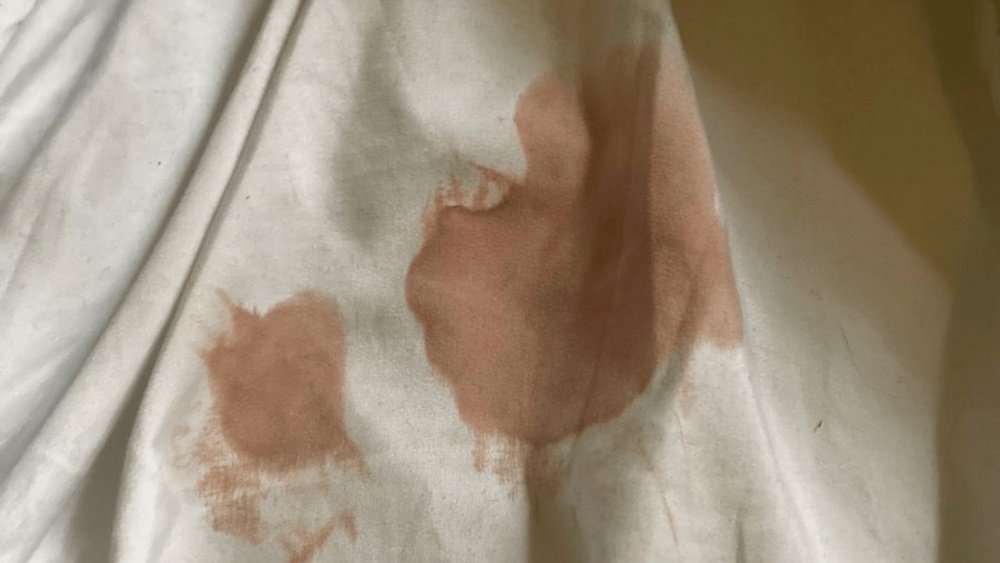
Getting blood on white sheets can feel like a disaster, especially if you want your bedding to look spotless. The bright color makes even a small stain stand out, and blood is known for being tough to clean. But with the right approach, you can remove blood from white sheets quickly—often before it leaves a permanent mark. In this guide, you’ll learn step-by-step methods, the science behind what works, and tips to save your sheets from stains. Whether it’s a fresh spot or an old mark, you’ll find the best ways to tackle the problem with confidence.
Why Blood Stains Are Hard To Remove
Blood contains proteins that bind to fabric fibers. When blood dries, these proteins harden, making the stain even more difficult to lift. Hot water can actually set the stain, so using the wrong method can make things worse. Acting quickly is key, but even older stains can be removed with the right technique.
Act Fast: The First Steps
Time matters. The sooner you deal with a blood stain, the easier it will be to remove.
- Blot, Don’t Rub: Use a clean white cloth or paper towel. Gently blot the stain to absorb as much blood as possible. Rubbing can spread the stain and push it deeper into the fabric.
- Use Cold Water: Run cold water through the back of the stain. This helps flush out as much blood as possible. Never use hot water at this stage, as it will set the proteins.
- Keep Sheet Wet: If you can’t treat the stain immediately, keep the stained area wet with cold water. This prevents the blood from drying and becoming harder to remove.
Many people make the mistake of using hot water or scrubbing hard, but these can set the stain or damage your fabric.
Best Methods To Remove Blood From White Sheets
Let’s look at the most effective ways to remove both fresh and dried blood stains. Each method uses common household items, so you don’t need special cleaners.
1. Salt And Cold Water Paste
Salt is a natural cleanser and works well on protein-based stains like blood.
- Mix two tablespoons of salt with enough cold water to make a thick paste.
- Apply the paste to the stained area.
- Let it sit for 20-30 minutes.
- Rinse with cold water and blot dry.
This method works best for fresh stains. For dried stains, you may need to repeat the process.
2. Hydrogen Peroxide Solution
Hydrogen peroxide is great for white sheets because it acts as a gentle bleach.
- Pour a small amount (3% solution) directly onto the stain.
- Let it bubble for about five minutes.
- Blot with a clean cloth.
- Rinse with cold water.
Hydrogen peroxide can sometimes weaken fabric with frequent use, so use it only as needed. It’s especially effective for stubborn or older stains.
3. Baking Soda Scrub
Baking soda helps lift stains and deodorizes your sheets.
- Make a paste with one part baking soda and two parts cold water.
- Spread the paste on the stain.
- Wait 30-45 minutes.
- Scrub gently with a soft brush or cloth.
- Rinse with cold water.
This method is safe for regular use and works well for both new and old stains.
4. Dish Soap And Ammonia
For more stubborn stains, a mixture of dish soap and ammonia can break down the proteins and fats in blood.
- Mix one tablespoon of clear, unscented dish soap with two tablespoons of household ammonia in a cup of cold water.
- Dab the mixture onto the stain with a sponge.
- Let it sit for 10-15 minutes.
- Rinse with cold water.
Important: Never mix ammonia with bleach. This creates dangerous fumes.
5. Enzyme Cleaners
Enzyme-based cleaners break down the proteins in blood, making them easy to wash away.
- Apply the enzyme cleaner directly to the stain.
- Let it sit for at least 30 minutes.
- Wash as usual with cold water.
These cleaners are often found in pet stores as “stain and odor removers. ” They are safe for most white sheets and very effective on dried stains.
Comparing Blood Removal Methods
Different methods work better for different types of stains and fabric sensitivities. Here’s a quick comparison to help you decide which method to try first:
| Method | Best For | Time to Act | Effectiveness |
|---|---|---|---|
| Salt Paste | Fresh stains | Immediate | Good |
| Hydrogen Peroxide | Stubborn or old stains | 5-10 min | Very Good |
| Baking Soda | All stains | 30-45 min | Good |
| Dish Soap & Ammonia | Deep stains | 15-20 min | Very Good |
| Enzyme Cleaner | Protein-based stains | 30+ min | Excellent |
How To Wash White Sheets After Treating Blood
Once you’ve treated the stain, proper washing is essential to fully remove all traces of blood.
- Use Cold Water: Always wash with cold water first. Hot water can set any remaining stain.
- Mild Detergent: Use a gentle, color-safe detergent. Avoid bleach unless the care label allows it.
- Repeat if Needed: If the stain isn’t gone after the first wash, repeat the stain-removal process before drying the sheet.
- Air Dry: Do not put the sheet in the dryer until the stain is completely gone. Heat from the dryer can set the stain.
Example Wash Cycle
| Step | Action | Tip |
|---|---|---|
| 1 | Rinse with cold water | Flush from the back side |
| 2 | Apply stain remover | Choose best method for stain age |
| 3 | Wash in cold water | Add extra rinse cycle |
| 4 | Air dry | Check for stains before drying |
Removing Dried Or Old Blood Stains
Dried stains are tougher, but not impossible to remove.
- Soak in Cold Water: Start by soaking the sheet overnight in cold water. This loosens the dried blood.
- Apply a Stain Remover: Use hydrogen peroxide, baking soda paste, or an enzyme cleaner.
- Scrub Gently: Use a soft brush to work the cleaner into the fabric.
- Rinse and Repeat: Old stains may need several cycles of treatment and washing.
A non-obvious tip: Try adding a bit of salt to the soaking water for extra cleaning power.
Special Care For Sensitive Fabrics
Not all white sheets are the same. Materials like silk or linen need extra care.
- Test on a Small Area: Before using any cleaner, test on a hidden corner of the sheet.
- Avoid Strong Chemicals: Stick to baking soda or salt paste for delicate fabrics.
- Hand Wash Only: Machine washing can damage fragile sheets, especially after stain removal.
Preventing Blood Stains In The Future
You can make life easier by being ready for accidents.
- Keep Cold Water Nearby: If you have frequent nosebleeds or periods, keep a spray bottle of cold water near your bed.
- Use Protective Covers: Mattress and pillow protectors can stop blood from reaching deep layers.
- Act Quickly: The faster you treat a stain, the less likely it will set.
Mistakes People Often Make
Many people use bleach right away, but this can turn blood stains yellow or damage fabric. Hot water is another common error, as it sets the stain. Scrubbing too hard can spread the stain or wear out the sheet. Always use gentle motions and the right temperature water.
A surprising mistake is drying sheets before the stain is fully removed. The heat makes the stain permanent.
When To Call A Professional Cleaner
If you’ve tried everything and the stain remains, or if your sheets are expensive or sentimental, it may be time to contact a professional. Dry cleaners have specialized products for tough stains and delicate fabrics. Save time and avoid damage by getting expert help for valuable linens.
:strip_icc()/BHG-how-to-get-blood-out-of-clothes-hero-01-70565_3d0a3bFWqreAO1O9YFINna-d69639e9507543678d239a45832d56eb.jpg)
Credit: www.bhg.com
The Science Behind Blood Stain Removal
Blood is mostly water, but the proteins and iron in hemoglobin make it cling to fabric. Enzyme cleaners work because they break down these proteins. That’s why enzyme-based laundry detergents are so effective for blood stains. Hydrogen peroxide works by oxidizing the iron, making it easier to wash away.
Quick Reference: What To Do And Avoid
Here’s a summary to help you remember the key actions:
| Do | Don’t |
|---|---|
| Use cold water | Use hot water |
| Blot gently | Scrub hard |
| Try enzyme cleaners | Use bleach immediately |
| Test on small area | Ignore care labels |
| Air dry sheets | Machine dry before stain is gone |
Extra Tips For Busy People
- Keep a Stain Kit: Store a small bottle of hydrogen peroxide, baking soda, and a soft brush in your laundry area.
- Set a Reminder: If soaking sheets, use your phone to remind you to check in 30 minutes.
- Buy Extra Pillowcases: Having spares means you can remove stains at your own pace without rushing.
Environmental And Safety Considerations
Many commercial stain removers contain harsh chemicals. For regular use, stick with natural options like baking soda, salt, and cold water. These are safer for both your skin and the environment. If you use hydrogen peroxide, choose the 3% solution and rinse well after use.
If you have children or pets, store ammonia and strong cleaners out of reach and always ventilate the room during cleaning.

Credit: www.ettitude.com
When Sheets Can’t Be Saved
Sometimes, despite your best efforts, a stain won’t come out. If your white sheets are very old, thin, or badly stained, it may be time to repurpose them. Old sheets can become cleaning rags or be used for craft projects.
Where To Learn More
For more information about stain removal science and fabrics, you can visit the Wikipedia page on stain removal.

Credit: www.youtube.com
Frequently Asked Questions
How Fast Should I Treat A Blood Stain On White Sheets?
The sooner you act, the better. Treating the stain within the first hour gives the highest chance of full removal. Dried stains are much harder to clean.
Can I Use Bleach To Remove Blood From White Sheets?
Bleach is not recommended for fresh blood stains, as it can turn them yellow and damage fabric. Only use bleach if all other methods fail, and check your sheet’s care label first.
What If I Don’t Have Hydrogen Peroxide?
You can use baking soda, salt paste, or an enzyme-based cleaner instead. All are effective, especially when used with cold water and patience.
Is It Safe To Use Hot Water At Any Stage?
Hot water should only be used after the stain is completely removed. Using hot water too early will set the protein in the blood, making it nearly impossible to remove.
Do These Methods Work On Other Fabrics?
Most methods here are safe for cotton and polyester, but delicate fabrics like silk require gentler treatment. Always test cleaners on a small area first to avoid damage.
With these strategies, you can keep your white sheets looking fresh and clean, even after a spill or accident. Knowing what to do—and what not to do—saves time and helps your bedding last longer.