

Sleeping on your back is often recommended by doctors and sleep experts because it keeps your spine aligned and reduces pressure on your neck and back. But even if you have the perfect mattress, the wrong pillow can ruin your sleep. Picking the best pillow for back sleepers is not as simple as grabbing the first one you see in the store. Many people buy pillows without understanding how important the right choice is for their comfort, spinal health, and even breathing. This guide will help you understand what back sleepers need in a pillow and how to choose the perfect one for a restful night.
Why Back Sleepers Need A Special Pillow
Back sleeping may look simple, but your head, neck, and shoulders need the right support. A pillow that is too high or too low can cause your neck to bend at an unnatural angle, leading to pain and stiffness. Over time, this can even contribute to chronic problems like cervical spondylosis. Many people mistakenly believe that any pillow will work if it feels soft, but back sleepers need a pillow that helps the head rest in a neutral position—neither tilted up nor dropped back.
Understanding Pillow Loft And Firmness
Choosing the right pillow means understanding two key ideas: loft and firmness.
What Is Pillow Loft?
Loft is the height or thickness of a pillow when it is lying flat. For back sleepers, a medium loft (about 3 to 5 inches) is ideal. This keeps the head and neck supported but avoids pushing the head too far forward, which can strain the neck.
Firmness Matters
Firmness refers to how much support the pillow gives. Back sleepers usually do best with a medium-firm pillow. If the pillow is too soft, your head will sink too much. If it is too hard, it won’t adjust to the shape of your neck and might feel uncomfortable.
Here is a quick comparison of pillow loft and firmness for back sleepers:
| Loft | Ideal Height | Effect on Back Sleepers |
|---|---|---|
| Low | Below 3 inches | Neck bends backward, poor support |
| Medium | 3-5 inches | Spinal alignment, best choice |
| High | Above 5 inches | Neck pushed forward, strain risk |
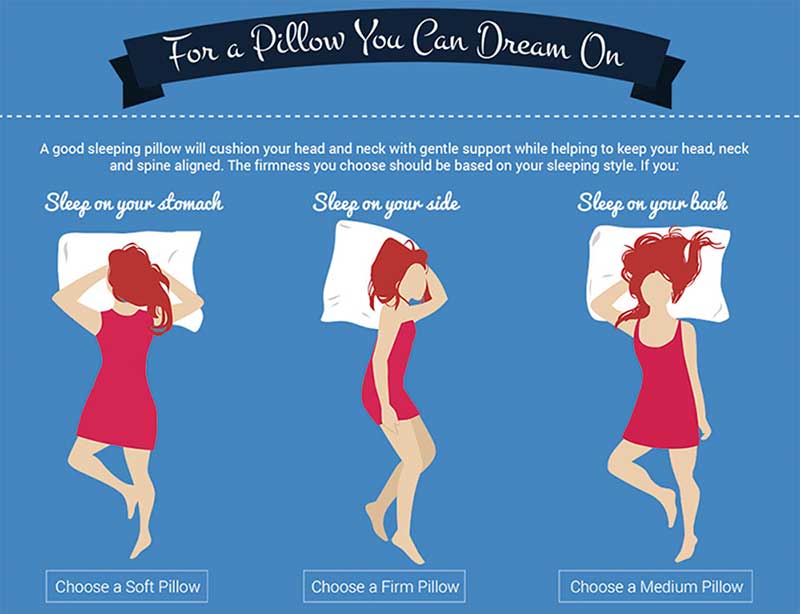
Credit: www.plumeriabay.com
Types Of Pillows For Back Sleepers
Not all pillow fillings are created equal. The material affects support, comfort, durability, and even allergies. Here are the most common types:
1. Memory Foam
Memory foam pillows mold to the shape of your head and neck, providing excellent support. They are popular among back sleepers because they help maintain proper alignment. However, some memory foam pillows retain heat, which may not be comfortable for hot sleepers.
2. Latex
Latex pillows are naturally springy and supportive. They offer good airflow and are resistant to dust mites and mold. Many back sleepers find latex pillows comfortable, especially if they prefer a slightly firmer feel.
3. Down And Feather
Down pillows are soft, lightweight, and easy to adjust, but they can lose their shape quickly. Feather pillows are firmer but may poke through the cover. Both are good for back sleepers if you choose a medium-loft option.
4. Polyester Fiberfill
These pillows are affordable and hypoallergenic. They can be good for back sleepers who want a soft, medium-loft pillow, but they may flatten out faster than other types.
5. Hybrid Pillows
Hybrid pillows combine materials, such as memory foam and fiberfill, to balance support and comfort. They can be a great choice if you are unsure about one specific type.
Here’s a side-by-side look at pillow types for back sleepers:
| Type | Support Level | Durability | Price Range | Best For |
|---|---|---|---|---|
| Memory Foam | High | 3-5 years | $$ | Neck pain relief |
| Latex | Medium-High | 5-7 years | $$$ | Allergy sufferers |
| Down/Feather | Soft-Medium | 2-4 years | $$ | Soft pillow lovers |
| Polyester | Medium | 1-2 years | $ | Budget buyers |
| Hybrid | Medium-High | 3-5 years | $$ | Mixed preferences |
Important Features To Consider
Besides loft and material, several other features can make a big difference for back sleepers.
Pillow Shape
Most people choose standard rectangular pillows, but there are contour pillows with a dip for your head and raised edges for your neck. These can help if you have neck or shoulder pain.
Breathability
Breathable pillows keep you cool at night. Look for pillows with ventilated foam, natural latex, or covers made of cotton or bamboo.
Allergen Resistance
If you suffer from allergies, select a hypoallergenic pillow. Materials like latex or polyester are naturally resistant to dust mites and mold.
Washability
A pillow with a removable, washable cover is easier to keep clean. This is especially important if you have allergies or sensitive skin.

Credit: www.amazon.com
Common Mistakes Back Sleepers Make
Choosing a pillow may seem easy, but many people make mistakes that lead to poor sleep quality.
- Choosing a pillow that is too high or too low: This is the most common mistake. It can push your neck out of alignment.
- Using a pillow for too long: Over time, pillows lose their support. Most need to be replaced every 2-3 years, even if they look fine.
- Ignoring your mattress type: If you have a very soft or firm mattress, it can affect how much support you need from your pillow.
- Not considering your body size: Taller or heavier people may need a slightly higher loft, while smaller people might need a lower one.
- Forgetting about sleep temperature: Some pillows sleep hot. If you get hot at night, consider a cooling pillow or breathable fabric.
How To Test A Pillow For Back Sleeping
Trying a pillow in the store is not always possible, but you can still test it at home:
- Lie on your back with the pillow under your head and neck.
- Your head should not tilt up or back. Your chin should be in line with your chest.
- If you feel any strain or if your head tilts, try a different pillow.
- Many stores offer return policies or trial periods—use them to find your best fit.

Credit: miach.co
Practical Tips For Better Sleep As A Back Sleeper
Even the best pillow will not solve all problems if your sleep habits are poor. Here are two non-obvious tips:
- Place a small pillow under your knees: This reduces pressure on your lower back and keeps your spine in a natural curve.
- Change your pillowcase regularly: Clean pillowcases reduce allergens and bacteria, which can disturb sleep, especially if you have allergies.
Also, if you wake up with numb arms or tingling fingers, your pillow may not be supporting you correctly, or you may need to adjust your sleeping position.
Pillow Recommendations For Special Needs
For Snorers
Back sleepers are more likely to snore. A supportive, slightly elevated pillow can help keep airways open. Some pillows are specially designed to reduce snoring—look for anti-snore pillows with a gentle slope.
For Neck Pain
A contour pillow or a memory foam pillow with neck support can help relieve pain. Make sure the pillow fills the space between your neck and the mattress.
For Allergy Sufferers
Choose hypoallergenic materials and wash your pillow and covers regularly. Latex and synthetic pillows are often best.
How Often Should You Replace Your Pillow?
Even the best pillow will not last forever. Most pillows lose their support after 18-36 months. Signs you need a new pillow include:
- Waking up with neck or back pain
- Pillow feels lumpy or flat
- You fold the pillow, and it does not spring back
For more information about pillow care, see this resource from the Sleep Foundation.
Real-life Examples: Choosing The Best Pillow
Imagine two back sleepers:
- Alice is petite and sleeps on a soft mattress. She does best with a medium-loft, soft pillow that keeps her neck in line with her spine.
- John is tall, has broad shoulders, and prefers a firm mattress. He needs a medium-high loft and a firmer pillow, possibly latex or memory foam, to prevent his head from sinking too much.
These examples show that the right pillow is personal—you need to match it to your body and mattress.
Quick Reference: Do’s And Don’ts For Back Sleepers
Do:
- Choose a pillow with a medium loft and medium-firm support
- Replace your pillow every 2-3 years
- Test pillows for at least a week if possible
Don’t:
- Use a pillow that is too thick or thin
- Ignore neck or back pain
- Forget to check for allergies or washability
Frequently Asked Questions
What Is The Best Pillow Height For Back Sleepers?
A pillow height (loft) of 3 to 5 inches is usually best for back sleepers. This keeps the head supported without pushing it too far forward or letting it fall back.
Should Back Sleepers Use A Firm Or Soft Pillow?
A medium-firm pillow is best. It provides enough support for the neck and head, but is not so hard that it feels uncomfortable.
Is Memory Foam A Good Choice For Back Sleepers?
Yes, memory foam is a good option because it molds to your shape and keeps your neck aligned. However, some people find it sleeps warm, so look for ventilated or gel memory foam if you get hot at night.
How Do I Know If My Pillow Is Causing Neck Pain?
If you wake up with neck stiffness or pain that gets better during the day, your pillow may not be supporting you correctly. Try a pillow with a different loft or firmness.
How Often Should Back Sleepers Replace Their Pillow?
Most pillows should be replaced every 18 to 36 months. If your pillow feels flat, lumpy, or does not spring back after folding, it’s time for a new one.
Finding the perfect pillow for back sleeping takes some effort, but it is worth it. The right pillow can improve your sleep quality, reduce pain, and help you wake up feeling refreshed. Remember to consider your body size, mattress, and any special needs you have.
Test different pillows and don’t be afraid to invest in your comfort—your neck and back will thank you every morning.
If you’re looking to improve your sleep quality, you might also want to read about how many pillows you should sleep with, how to choose the right pillow height, and memory foam vs feather pillow comparison to find the perfect sleep setup for your needs.
Key factors include durability, ease of use, build quality, warranty coverage, and value for money. Always read verified customer reviews and check return policies before purchasing home appliances or gear.
Compare products by identifying your specific use case, setting a budget, then evaluating specifications, user reviews, and expert ratings. Focus on features you will actually use rather than highest-spec options.
For frequently used items like cookware, bedding, and appliances, investing in quality pays off long-term. For items used occasionally or that wear out quickly, budget-friendly options often offer the best value.
Look for detailed, specific reviews from verified purchasers. Reviews that mention both pros and cons are more credible than uniformly positive reviews. Check multiple platforms to identify consistent feedback patterns.
Follow manufacturer care instructions, clean products regularly, store them properly, and address minor repairs promptly. Routine maintenance significantly extends the life of most home appliances and gear.