
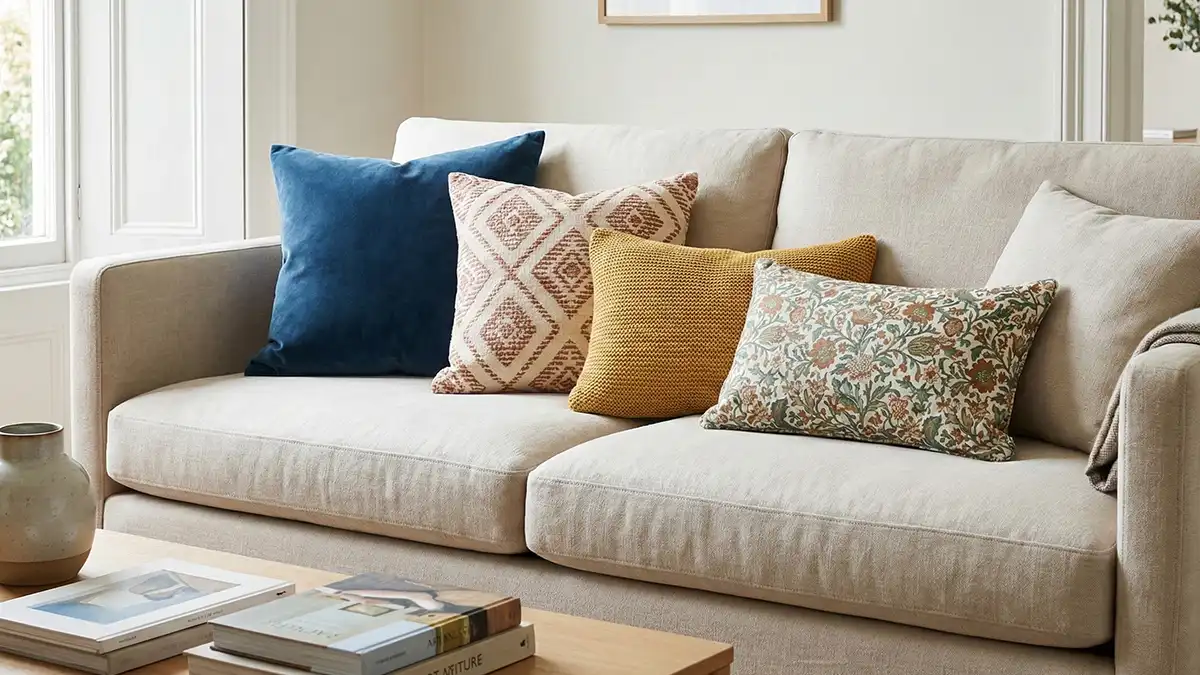
Effectively mixing and matching sofa cushions transforms a living space, adding personality and comfort. The key involves thoughtfully balancing color, texture, pattern, and size to create a cohesive yet dynamic arrangement. By following a few fundamental principles, anyone can achieve a professionally styled look.
- Start with a foundational solid cushion.
- Introduce complementary patterns and varied textures.
- Maintain a cohesive color palette throughout.
- Vary cushion sizes for visual depth.
- Layer cushions for an inviting, plush appearance.
Why Mastering Sofa Cushion Mixing Matters for Your Home
Sofa cushions are more than just decorative accents; they are essential elements that contribute significantly to the overall aesthetic and comfort of your living room. Mastering the art of mixing and matching them allows for a personalized touch, reflecting individual style and enhancing the room’s ambiance. A well-curated cushion collection can instantly update an older sofa, introduce new color schemes, or soften a minimalist design.
Beyond aesthetics, cushions provide crucial ergonomic support and an inviting feel. The right combination can make a sofa feel more luxurious and comfortable, encouraging relaxation. Learning to blend different elements ensures your living space feels both stylish and genuinely welcoming, making it a true reflection of your home’s character.
Understanding the Fundamentals: Color, Texture, Pattern, and Size
Before diving into specific arrangements, it is crucial to grasp the four core elements that define every cushion: color, texture, pattern, and size. Each plays a vital role in how cushions interact with each other and with the rest of your decor. A successful mix relies on understanding how to balance these components harmoniously.
Color sets the mood and ties elements together, while texture adds tactile interest and depth. Patterns introduce visual excitement and personality, and varying sizes create dynamic arrangements. Considering these fundamentals from the outset will guide your selections and ensure a polished final look.
The Golden Rules of Color Harmony for Cushions
Color is arguably the most impactful element when mixing sofa cushions. A harmonious color palette ensures that even diverse cushions feel connected and intentional. Start by identifying the dominant colors in your room, including the sofa itself, rugs, and artwork.
A common approach is to select a main color, a secondary color, and an accent color. The main color often comes from your sofa or a large piece of furniture. The secondary color can be a complementary or analogous hue, while the accent color provides a pop of contrast. Aim for cushions that share at least one color, even if it’s a subtle shade, to create visual continuity. Using varying shades of the same color can also add depth without introducing new hues.
Exploring Textures: Adding Depth and Comfort
Texture is often overlooked but is incredibly powerful in creating a rich, inviting cushion arrangement. Mixing textures prevents a flat, one-dimensional look, adding tactile interest and a sense of luxury. Consider incorporating a variety of materials such as soft velvet, crisp linen, cozy knits, rugged faux leather, or smooth silk.
Different textures catch light differently, adding visual depth and making the arrangement more dynamic. For instance, pairing a chunky knit cushion with a smooth velvet one creates a pleasing contrast. Even within a monochromatic scheme, varied textures can make a significant statement, enhancing the overall sensory experience of your sofa.
Pattern Play: Mixing Prints Without Overwhelm
Introducing patterns can be intimidating, but it is key to a vibrant, personalized cushion display. The trick is to mix prints strategically, ensuring they complement rather than clash. A good starting point is to select patterns of different scales: one large-scale, one medium-scale, and one small-scale or geometric print.
Ensure that all patterns share at least one common color from your chosen palette. For example, a floral cushion, a stripe, and a subtle geometric print can coexist beautifully if they all feature a shade of blue. Avoid using too many patterns of the same scale, as this can create visual noise. Instead, let each pattern have its moment, contributing to a layered and sophisticated look.
How to Mix and Match Sofa Cushions Like a Pro: A Step-by-Step Guide
Achieving a professional-looking cushion arrangement is a systematic process that builds upon the fundamentals of color, texture, pattern, and size. Follow these steps to transform your sofa into a stylish focal point.
- Start with Your Sofa: Consider its color, material, and style. This is your foundation.
- Choose a Base Cushion: Select one or two solid-colored cushions that match or complement your sofa. These provide a visual anchor.
- Introduce a Patterned Cushion: Pick a cushion with a dominant pattern that incorporates one of your base colors. This adds visual interest.
- Add a Complementary Texture: Select a cushion in a different material (e.g., velvet, knit, faux fur) that either matches a color or introduces a new, harmonious hue.
- Incorporate a Secondary Pattern or Solid: If desired, add a third or fourth cushion with a smaller-scale pattern or a solid in an accent color. Ensure it ties into the existing palette.
- Vary Sizes and Shapes: Mix standard squares with lumbar pillows or round cushions for visual variety and depth.
- Arrange and Layer: Place larger cushions at the back, layering smaller ones in front. Experiment with angles and overlaps for a relaxed, inviting feel.
- Step Back and Assess: View your arrangement from a distance. Does it feel balanced? Is the color palette cohesive? Adjust as needed.
Common Mistakes to Avoid When Arranging Cushions
While mixing and matching cushions offers creative freedom, certain pitfalls can detract from an otherwise stylish arrangement. Being aware of these common mistakes can help you refine your choices and achieve a more polished outcome.
One frequent error is using too many cushions of the same size and shape, which can make the sofa look stiff and uninviting. Another mistake is neglecting texture, leading to a flat appearance. Overdoing patterns without a unifying color scheme or varying scales can result in a chaotic look. Finally, choosing cushions that are too small for your sofa can make the arrangement appear sparse, while overly large cushions can overwhelm the seating area. Strive for balance and intentionality in every selection.
Styling for Different Aesthetics: Modern, Bohemian, Traditional, and More
The beauty of mixing and matching cushions lies in its adaptability to various interior design styles. Each aesthetic has specific characteristics that can be emphasized through cushion choices.
- Modern: Opt for clean lines, geometric patterns, and a limited color palette (neutrals with one bold accent). Textures like sleek linen or subtle weaves work well.
- Bohemian: Embrace rich textures like macrame, velvet, and embroidered fabrics. Mix global-inspired patterns, vibrant colors, and tassels for an eclectic, relaxed vibe.
- Traditional: Choose classic patterns like damask, stripes, or florals in muted or rich jewel tones. Incorporate luxurious textures such as silk, brocade, or velvet, often with elegant trim.
- Farmhouse: Focus on natural textures like cotton, linen, and burlap. Patterns might include buffalo check, subtle stripes, or simple botanical prints in a neutral color scheme with soft blues or greens.
- Coastal: Select cushions in shades of blue, white, and sand. Textures like woven cotton or jute, and patterns such as subtle stripes or coral motifs, evoke a relaxed seaside feel.
Beyond the Sofa: Extending Cushion Style to Armchairs and Benches
The principles of mixing and matching cushions are not limited to the sofa. These techniques can be effectively applied to other seating areas in your home, such as armchairs, benches, and even window seats. Extending your cushion style creates a cohesive flow throughout your living space, enhancing the overall design narrative.
For armchairs, one or two well-chosen cushions can make a significant impact. Consider a lumbar pillow for support or a square cushion that echoes a pattern or color from your sofa. On benches, a series of smaller, varied cushions can add comfort and visual interest, breaking up a long, flat surface. Always ensure that the cushions complement the scale and style of the furniture they adorn.
Seasonal Updates: Refreshing Your Cushion Collection
One of the most enjoyable aspects of a mixed cushion collection is the ease with which it can be updated for different seasons or moods. Swapping out a few cushions can dramatically alter the feel of a room without a major overhaul. This allows for continuous refreshment and personalization of your living space.
For spring and summer, introduce lighter fabrics like linen or cotton, and brighter colors or fresh floral patterns. In autumn and winter, transition to cozier textures such as velvet, faux fur, or chunky knits, and richer, warmer color palettes. This seasonal rotation keeps your decor feeling current and your home inviting year-round.
Caring for Your Mixed Cushion Collection: Tips for Longevity
To ensure your beautifully mixed and matched cushion collection remains vibrant and comfortable for years, proper care is essential. Different fabrics and embellishments require specific attention, so always check the care labels on each cushion cover.
Regular maintenance includes fluffing cushions daily to maintain their shape and rotating them periodically to ensure even wear. For cleaning, spot-clean minor spills promptly. Many cushion covers are machine washable on a gentle cycle, but delicate fabrics like silk or velvet may require dry cleaning. Storing seasonal cushions in breathable bags in a cool, dry place will protect them until their next use, preserving their beauty and extending their lifespan.
Frequently Asked Questions
What are the basic rules for how to mix and match sofa cushions?
The basic rules involve balancing color, texture, pattern, and size. Start with a foundational solid, introduce patterns of varying scales, and incorporate diverse textures. Ensure all cushions share at least one common color to maintain a cohesive look.
How many cushions should I use when mixing and matching on a standard sofa?
For a standard three-seater sofa, typically three to five cushions work well. An odd number often creates a more dynamic and less formal arrangement. For larger sofas, you might use five to seven cushions, ensuring they don’t overcrowd the seating area.
Can I mix different patterns when choosing sofa cushions?
Yes, mixing patterns is highly encouraged to add visual interest. The key is to vary the scale of the patterns (large, medium, small) and ensure they share at least one color from your chosen palette to create a harmonious and intentional design.
What colors work best when you mix and match sofa cushions?
Colors that work best are those that complement your sofa and the existing room decor. Start with a dominant color, add a secondary color, and introduce an accent color. Using varying shades of the same hue also creates depth and cohesion.
How do you create a cohesive look with varied sofa cushions?
To create a cohesive look, focus on a consistent color palette that ties all cushions together. Varying textures and patterns while maintaining this color harmony helps each cushion feel part of a unified collection. Also, ensure a balance in the overall visual weight.
Should all my sofa cushions be the same size?
No, it is generally recommended to mix different cushion sizes and shapes. Varying sizes, such as standard squares, lumbar pillows, and round cushions, adds visual interest, depth, and a more relaxed, inviting feel to your sofa arrangement.
Conclusion
Mastering how to mix and match sofa cushions is an accessible way to infuse personality and style into your living space. By thoughtfully considering color, texture, pattern, and size, you can create an arrangement that is both cohesive and visually engaging. Experiment with different combinations, trust your aesthetic instincts, and enjoy the transformative power of a well-curated cushion collection.
{“@context”:”https://schema.org”,”@type”:”Article”,”headline”:”How to Mix and Match Sofa Cushions: A Complete Guide to Stylish Living”,”mainEntityOfPage”:”https://homegeartoday.com/?p=897″,”datePublished”:”2025-12-11T19:30:27+00:00″,”dateModified”:”2025-12-11T19:30:27+00:00″}
- Start with a Color Palette
Choose 2–3 base colors that complement your sofa and room. Use one dominant color, one secondary, and one accent to keep the look cohesive rather than chaotic.
- Vary Cushion Sizes
Mix large (20×20 inch), medium (18×18 inch), and small or lumbar cushions. Varying sizes add visual depth and make arrangements look intentional and designed.
- Mix Patterns at Different Scales
Pair a large-scale pattern with a small geometric and a solid. Mixing pattern scales prevents clashing while keeping the arrangement visually interesting.
- Incorporate Different Textures
Combine smooth velvet, woven fabric, and knit or faux fur cushions. Texture contrast adds richness and a layered look even when using a limited color palette.
- Use the Odd Number Rule
Arrange cushions in groups of 3, 5, or 7. Odd numbers are visually more dynamic and pleasing than even-numbered, symmetrical arrangements.
- Anchor with Neutral Cushions
Always include at least one or two solid neutral cushions (white, grey, beige) to ground bold patterns and colors and prevent the arrangement from feeling overwhelming.