
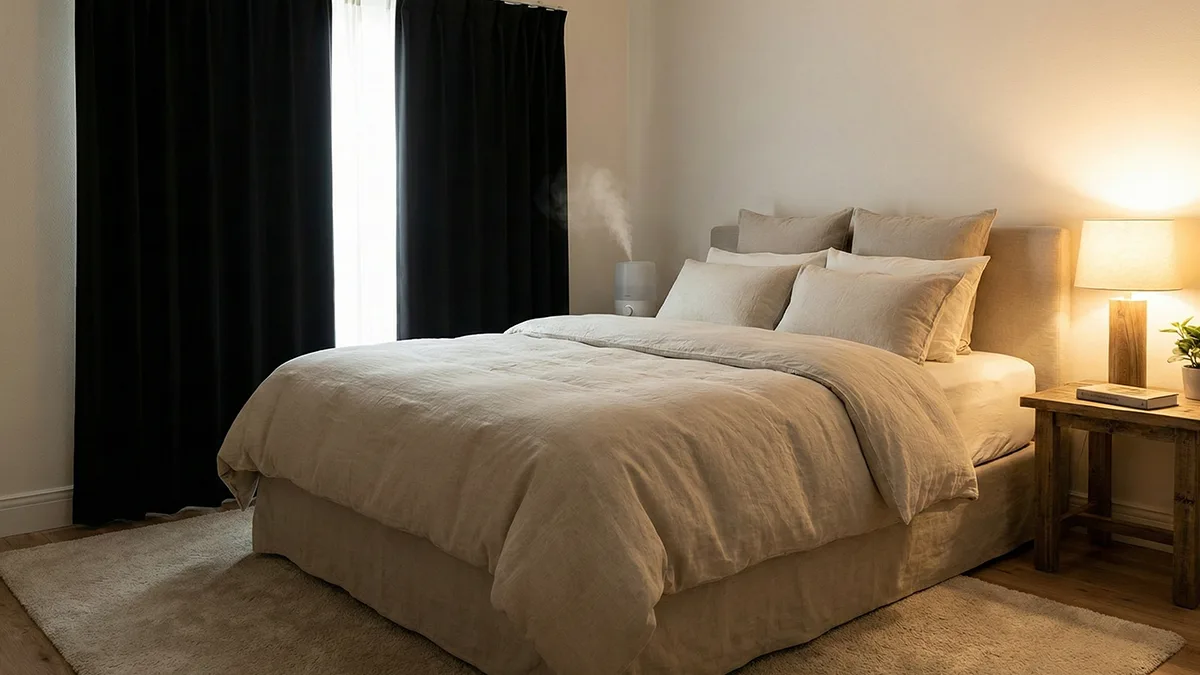
To make your bedroom more sleep friendly, prioritize creating an environment that supports natural sleep cycles. This involves carefully managing light exposure, maintaining an optimal room temperature, minimizing disruptive sounds, and ensuring physical comfort through quality bedding. Additionally, decluttering and cultivating a serene aesthetic can significantly enhance your ability to achieve restorative sleep.
- Optimize light by dimming and blocking external sources.
- Maintain a cool room temperature, ideally between 60-67°F.
- Minimize noise with soundproofing or white noise machines.
- Invest in a comfortable, supportive mattress and appropriate bedding.
- Declutter and organize your space for a calm visual environment.
- Reduce blue light exposure from electronics before bedtime.
The Crucial Role of Your Bedroom in Sleep Quality
Your bedroom serves as more than just a place to sleep; it is a critical component of your overall sleep health. The environment within this space directly influences your body’s ability to relax, fall asleep, and remain asleep throughout the night. A well-optimized bedroom can signal to your brain that it’s time to wind down, promoting the release of sleep-inducing hormones.
Conversely, a bedroom filled with distractions, uncomfortable elements, or improper environmental conditions can actively work against your sleep efforts. Understanding this fundamental connection is the first step toward transforming your personal space into a true haven for rest.
Why Invest in a Sleep-Friendly Bedroom?
Investing time and effort into creating a sleep-friendly bedroom offers numerous benefits beyond simply getting more hours of sleep. Improved sleep quality contributes to better physical health, enhanced mental clarity, improved mood regulation, and increased productivity during waking hours. Chronic sleep deprivation, often exacerbated by a poor sleep environment, can lead to various health issues and diminished quality of life.
By consciously designing your bedroom for sleep, you are making a proactive choice to support your well-being. This investment pays dividends in every aspect of your daily life, from cognitive function to emotional resilience.
How to Make Bedroom More Sleep Friendly: Key Strategies
Transforming your bedroom into an optimal sleep environment involves a multi-faceted approach, addressing various sensory and physical elements. Each strategy plays a vital role in creating a cohesive space that encourages deep and uninterrupted rest. Implementing these changes systematically can yield significant improvements in your sleep quality.
Consider your bedroom as a dedicated space for rest, free from the demands and distractions of daily life. This mindset shift is foundational to making effective changes that support your sleep goals.
Optimizing Light: Dimming Your Way to Deeper Sleep
Light is one of the most powerful cues for your body’s circadian rhythm, the internal clock that regulates sleep and wakefulness. Exposure to bright light, especially blue light, in the evening can suppress melatonin production, making it harder to fall asleep. Conversely, darkness signals to your body that it’s time to rest.
- Block External Light: Install blackout curtains or blinds to prevent streetlights, car headlights, and early morning sun from entering your room.
- Dim Internal Lights: Use dimmers on overhead lights or opt for low-wattage lamps with warm-toned bulbs in the hours leading up to bedtime.
- Avoid Bright Screens: Minimize exposure to smartphones, tablets, computers, and televisions at least an hour before sleep. If unavoidable, use blue light filters.
- Nightlights: If you need light for nighttime navigation, choose a very dim, red-toned nightlight, as red light has the least impact on melatonin.
Mastering Temperature and Humidity for Ideal Rest
Your body’s core temperature naturally drops as you prepare for sleep. A bedroom that is too warm or too cold can interfere with this process, leading to restless nights. Maintaining an optimal temperature range is crucial for comfortable and continuous sleep.
- Ideal Temperature Range: Most sleep experts recommend keeping your bedroom between 60 and 67 degrees Fahrenheit (15.6 to 19.4 degrees Celsius). Experiment to find what feels best for you.
- Ventilation: Ensure good airflow by opening a window slightly if possible, or using a fan to circulate air.
- Humidity Control: High humidity can make a room feel warmer and muggier, while very low humidity can cause dry airways. A humidifier or dehumidifier can help maintain a comfortable humidity level, typically between 30-50%.
- Breathable Bedding: Choose bedding made from natural, breathable fibers like cotton, linen, or bamboo to help regulate body temperature.
Creating a Quiet Haven: Sound Management Techniques
Unwanted noise can be a significant disruptor of sleep, even if you don’t fully wake up. Your brain continues to process sounds during sleep, and sudden or loud noises can pull you out of deeper sleep stages. Creating a quiet environment is essential for uninterrupted rest.
- Soundproofing: Consider adding heavy curtains, sealing gaps around windows and doors, or using sound-absorbing panels to reduce external noise.
- White Noise Machines: A white noise machine or fan can create a consistent, soothing background sound that masks sudden disturbances.
- Earplugs: For highly sensitive sleepers or particularly noisy environments, high-quality earplugs can be an effective solution.
- Quiet Appliances: Ensure any bedroom appliances, like fans or air purifiers, operate quietly.
Enhancing Comfort: The Right Mattress and Bedding
The foundation of a sleep-friendly bedroom is a comfortable and supportive sleep surface. An old, unsupportive mattress or uncomfortable bedding can lead to aches, pains, and frequent tossing and turning, severely impacting sleep quality.
- Mattress Support: Invest in a mattress that provides adequate support for your spine and conforms to your body shape. Replace mattresses every 7-10 years, or sooner if it shows signs of wear or discomfort.
- Pillow Selection: Choose pillows that support your head and neck in a neutral alignment, suitable for your preferred sleeping position.
- Quality Bedding: Select sheets, blankets, and duvets made from soft, breathable, and natural materials. Consider the thread count for sheets, aiming for comfort without excessive heat retention.
- Layering: Use layers of bedding that can be easily added or removed to adjust to temperature fluctuations throughout the night.
Decluttering and Organizing for a Calm Mind
A cluttered bedroom can create a sense of chaos and stress, making it difficult for your mind to relax before sleep. Visual clutter can be mentally stimulating, preventing the calm needed for restful sleep. A tidy and organized space promotes a sense of peace and order.
- Clear Surfaces: Keep nightstands and dressers free of excessive items. Only essential items should remain.
- Storage Solutions: Utilize drawers, baskets, and closet organizers to keep belongings out of sight.
- Minimalist Approach: Embrace a minimalist aesthetic where possible, reducing the number of decorative items to create a serene visual environment.
- Regular Tidying: Make it a habit to tidy your bedroom daily, even if it’s just for a few minutes, to prevent clutter from accumulating.
Choosing Calming Colors and Decor for Relaxation
The colors and decor in your bedroom can significantly influence your mood and ability to relax. Certain colors are known to evoke feelings of tranquility, while others can be stimulating. Thoughtful decor choices contribute to a peaceful atmosphere.
- Soothing Color Palette: Opt for soft, muted colors like blues, greens, grays, and neutral tones for walls and large furnishings. These colors are often associated with calmness and nature.
- Minimalist Decor: Avoid overly busy patterns or excessive ornamentation. Simple, clean lines and uncluttered spaces promote relaxation.
- Personal Touches: Incorporate a few meaningful, calming items, such as a favorite piece of art, a plant, or family photos, but avoid turning the room into a gallery.
- Natural Elements: Introduce natural materials like wood, stone, and plants to bring a sense of the outdoors in, which can be inherently calming.
Harnessing Aromatherapy and Scents for Better Sleep
Certain scents have a powerful effect on the brain, influencing mood and promoting relaxation. Incorporating aromatherapy into your bedroom routine can be a subtle yet effective way to signal to your body that it’s time to unwind.
- Lavender: Widely recognized for its calming properties, lavender essential oil can be diffused, sprayed on linens, or applied topically (diluted) before bed.
- Chamomile and Valerian: These scents are also known for their sedative qualities and can be used in diffusers or as part of a bedtime tea ritual.
- Diffusers: Use an essential oil diffuser for short periods before sleep, ensuring the scent is not overpowering.
- Pillow Sprays: A light, natural pillow spray with calming essential oils can provide a subtle scent as you drift off.
Minimizing Electronics and Blue Light Exposure
Electronics, particularly those with screens, emit blue light that can disrupt your body’s natural melatonin production. The stimulating content often consumed on these devices can also keep your mind active, making it harder to transition to sleep.
- Designate a Tech-Free Zone: Ideally, remove all electronics from the bedroom. If not possible, keep them away from the bed.
- No Screens Before Bed: Power down all screens (TVs, smartphones, tablets, computers) at least 60-90 minutes before your intended bedtime.
- Analog Alarm Clock: Replace your phone’s alarm with a traditional alarm clock to avoid the temptation of checking your phone in bed.
- Charging Station Outside: Charge your devices in another room overnight to prevent late-night scrolling.
Establishing a Consistent Pre-Sleep Routine
Your body thrives on routine. A consistent pre-sleep ritual signals to your brain that it’s time to wind down, preparing your body and mind for sleep. This routine should be calming and free from stimulating activities.
- Consistent Bedtime: Go to bed and wake up at roughly the same time each day, even on weekends, to regulate your circadian rhythm.
- Relaxing Activities: Engage in calming activities like reading a physical book, taking a warm bath, listening to soothing music, or practicing gentle stretching or meditation.
- Avoid Stimulants: Steer clear of caffeine and heavy meals in the hours leading up to bedtime.
- Dim the Lights: Begin dimming lights throughout your home an hour or two before bed to encourage melatonin production.
Common Mistakes That Disrupt Bedroom Sleep
Even with good intentions, several common habits and bedroom setups can inadvertently sabotage your sleep efforts. Recognizing and correcting these mistakes is as important as implementing positive changes.
- Using the Bedroom for Work or Entertainment: Associating your bedroom with activities like working, watching TV, or playing video games can make it harder for your brain to view it solely as a place for sleep.
- Inconsistent Sleep Schedule: Varying your bedtime and wake-up time significantly, especially on weekends, can throw off your body’s natural rhythm.
- Ignoring Comfort Issues: Tolerating an old mattress, uncomfortable pillows, or scratchy bedding can lead to chronic discomfort and poor sleep.
- Overlooking Noise and Light: Failing to address external light sources or disruptive noises can prevent deep, restorative sleep.
- Excessive Clutter: A messy bedroom can create mental stress and make it difficult to relax.
- Late-Night Snacking or Caffeine: Consuming heavy meals or caffeine close to bedtime can interfere with digestion and stimulate your system.
Maintaining Your Optimized Sleep Environment
Creating a sleep-friendly bedroom is not a one-time task; it requires ongoing maintenance and occasional adjustments. Regularly reviewing your environment ensures it continues to support your sleep needs effectively.
- Regular Cleaning: Keep your bedroom clean and dust-free to improve air quality and reduce allergens. Wash bedding frequently.
- Seasonal Adjustments: Modify bedding and temperature settings according to the season to maintain optimal comfort.
- Assess Mattress and Pillows: Periodically check your mattress and pillows for signs of wear and tear, replacing them when they no longer provide adequate support.
- Review Routines: Re-evaluate your pre-sleep routine and bedroom setup if you notice a decline in sleep quality. Life changes can sometimes necessitate new adjustments.
- Mindful Use: Continue to use your bedroom primarily for sleep and intimacy to reinforce its association with rest.
Frequently Asked Questions
What are the quickest ways to make my bedroom more sleep friendly?
The quickest ways to enhance your bedroom’s sleep friendliness involve immediate adjustments to light and sound. Start by installing blackout curtains or blinds and using earplugs or a white noise machine. Also, ensure your room temperature is cool, ideally between 60-67°F, and remove any visible clutter from your nightstand.
How does lighting affect how to make bedroom more sleep friendly?
Lighting profoundly impacts sleep by influencing melatonin production, the hormone that regulates sleep. Bright lights, especially blue light from screens, suppress melatonin, making it harder to fall asleep. Conversely, dim, warm lighting in the evening and complete darkness during sleep promote melatonin release, signaling to your body that it’s time to rest.
Can room temperature really make a difference in how sleep friendly my bedroom is?
Yes, room temperature makes a significant difference. Your body’s core temperature naturally drops as you prepare for sleep, and a cool bedroom (60-67°F) facilitates this process. A room that is too warm or too cold can disrupt your body’s natural thermoregulation, leading to discomfort, restlessness, and fragmented sleep throughout the night.
What kind of decor helps make a bedroom more sleep friendly?
Decor that promotes a sleep-friendly bedroom typically includes calming colors like soft blues, greens, and neutrals, which evoke tranquility. Minimalist design, natural materials, and a few meaningful, uncluttered items contribute to a serene atmosphere. Avoid overly stimulating patterns, bright colors, or excessive decor that can create visual noise and mental distraction.
Should I remove all electronics to make my bedroom more sleep friendly?
While removing all electronics is ideal for creating the most sleep-friendly environment, the most crucial step is to eliminate screens, especially those emitting blue light, at least 60-90 minutes before bedtime. This includes smartphones, tablets, and televisions. If other electronics must remain, ensure they are quiet and do not emit light or distracting signals.
How often should I clean my bedroom to keep it sleep friendly?
To maintain a sleep-friendly bedroom, regular cleaning is essential. Aim to dust and vacuum at least once a week to reduce allergens and improve air quality. Bedding, including sheets and pillowcases, should be washed weekly, while duvets and blankets can be cleaned less frequently, typically every few months, depending on use.
Conclusion
Creating a sleep-friendly bedroom is a powerful investment in your overall health and well-being. By systematically optimizing elements like light, temperature, sound, and comfort, and by establishing calming routines, you can transform your personal space into an ideal sanctuary for restorative sleep. Remember that consistent effort in maintaining this environment is key to enjoying the long-term benefits of deeper, more refreshing rest.
Take the first step today by implementing one or two of these strategies, and observe the positive impact on your sleep quality. Continue to refine your space and habits to unlock your best night’s sleep.
{“@context”:”https://schema.org”,”@type”:”Article”,”headline”:”How to Make Bedroom More Sleep Friendly: The Ultimate Guide to Restful Nights”,”mainEntityOfPage”:”https://homegeartoday.com/?p=894″,”datePublished”:”2025-12-11T13:29:34+00:00″,”dateModified”:”2025-12-11T13:29:34+00:00″}
- Optimize Room Temperature
Keep your bedroom between 60–67°F (15–19°C). A cooler room supports your body’s natural temperature drop during sleep onset.
- Block Out Light Completely
Use blackout curtains or an eye mask to eliminate light. Even small amounts of light from electronics or street lamps can disrupt melatonin production.
- Reduce Noise Disturbances
Use earplugs, a white noise machine, or a fan to mask disruptive sounds. Consistent background noise is more sleep-friendly than sudden silence.
- Remove Electronics from the Bedroom
Move TVs, laptops, and phones out of the bedroom or at least out of arm’s reach. The blue light and mental stimulation delay sleep onset significantly.
- Invest in Quality Bedding
Choose breathable, comfortable sheets and a supportive mattress and pillow suited to your sleep position. Discomfort is one of the most common causes of poor sleep.
- Establish a Relaxing Pre-Sleep Routine
Dim lights an hour before bed, avoid screens, and do calming activities like reading or stretching. A consistent routine signals your brain that sleep is coming.