
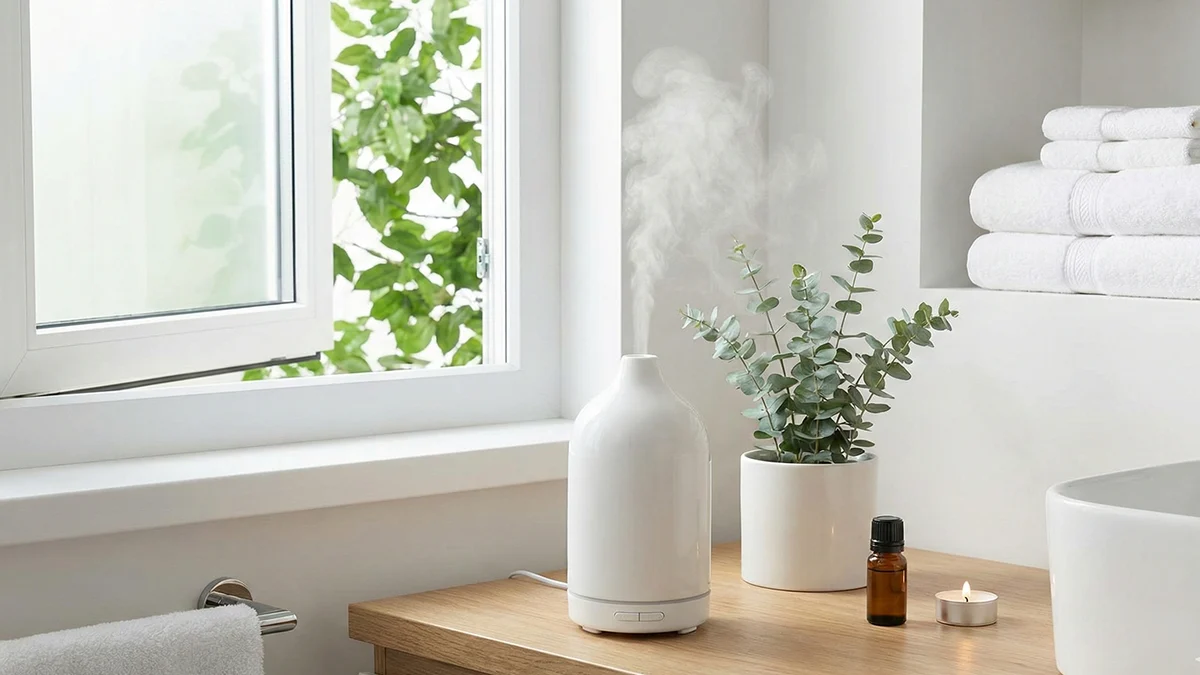
To keep your bathroom smelling fresh, consistent cleaning of all surfaces, effective moisture management, and proper ventilation are essential. Addressing odor sources like drains and waste bins, combined with regular maintenance, prevents unpleasant smells from taking hold and ensures a pleasant environment.
- Regularly clean all bathroom surfaces.
- Address moisture and humidity promptly.
- Ensure adequate ventilation.
- Use odor absorbers and neutralizers.
- Maintain drains and waste bins.
- Consider natural freshening solutions.
Understanding Common Bathroom Odor Sources
Unpleasant bathroom odors often stem from a variety of sources, making it crucial to identify them for effective elimination. Understanding these origins is the first step toward maintaining a consistently fresh space.
One primary culprit is bacterial growth, which thrives in damp, warm environments. This can occur on shower curtains, grout lines, and even within the toilet bowl itself. Another significant source is the accumulation of organic matter, such as hair, soap scum, and skin cells, which can build up in drains and garbage cans, leading to stale or sulfuric smells.
Poor ventilation also plays a major role, trapping stale air and allowing odors to linger. Without proper airflow, moisture cannot escape, creating an ideal breeding ground for mold and mildew, which have a distinct, musty scent. Additionally, plumbing issues like dry P-traps or leaky seals can allow sewer gases to enter the bathroom, producing very strong, offensive odors.
The Foundation: Deep Cleaning Your Bathroom for Freshness
A thorough deep clean is the bedrock of a fresh-smelling bathroom. This goes beyond surface wiping and targets hidden grime and odor-causing agents. Regular deep cleaning prevents odors from becoming entrenched and makes daily maintenance much easier.
Cleaning the Toilet
The toilet is often the most obvious source of odors. Beyond the bowl, pay attention to the exterior, base, and hinges. Use a strong disinfectant cleaner inside the bowl, scrubbing thoroughly under the rim. For the exterior, wipe down the tank, lid, seat (top and bottom), and the base where it meets the floor. Don’t forget to clean the bolts and hinges, as these can accumulate grime.
Shower and Tub Area
Soap scum, mildew, and hard water stains can quickly build up in showers and tubs. Use a specialized cleaner to tackle these issues on tiles, grout, and shower doors. For grout, a stiff brush can help remove embedded dirt and mildew. Regularly wash or replace shower curtains and liners, as they are prone to mildew growth. Ensure drains are clear of hair and soap residue, which can cause blockages and odors.
Sinks and Countertops
Sinks and countertops accumulate toothpaste, soap residue, and water spots. Clean these surfaces daily with an all-purpose cleaner. Pay special attention to the faucet base and around the drain, where grime can hide. For the sink drain, a mixture of baking soda and vinegar can help clear minor clogs and neutralize odors.
Floors and Walls
Bathroom floors can harbor dirt, hair, and moisture, contributing to odors. Mop floors regularly with a disinfectant cleaner, paying attention to corners and around the toilet. For tiled walls, occasional wiping with a damp cloth and mild cleaner can prevent soap scum and mildew buildup, especially in shower areas.
How to Keep Bathroom Smelling Fresh: Daily Habits and Quick Fixes
Maintaining a fresh bathroom requires more than just occasional deep cleans; it involves consistent daily habits and knowing how to apply quick fixes. These routine actions prevent odors from accumulating and ensure your bathroom always feels inviting.
Wipe Down Surfaces Daily
After each use, quickly wipe down the sink, countertop, and toilet seat. This prevents toothpaste splatters, water spots, and minor spills from drying and becoming harder to clean. A quick wipe with a disinfectant spray or a damp cloth can make a significant difference in overall freshness.
Empty Trash Regularly
Bathroom trash cans, especially those used for personal hygiene products, can quickly become a source of unpleasant smells. Emptying the trash daily or every other day, depending on usage, is a simple yet effective way to prevent odors from lingering. Consider using a trash can with a lid to contain smells.
Address Spills Immediately
Any spills, whether water, soap, or other liquids, should be cleaned up at once. Allowing spills to sit can lead to moisture issues, staining, and the growth of odor-causing bacteria or mold. Keeping a small cloth or paper towels handy can facilitate quick cleanups.
Use Air Fresheners Wisely
While air fresheners can provide an immediate burst of pleasant scent, they are best used as a temporary solution rather than a cover-up for underlying odor problems. Opt for natural essential oil diffusers, odor-neutralizing sprays, or reed diffusers over heavy chemical aerosols. Ensure the bathroom is clean before using air fresheners for the best effect.
Tackling Moisture: The Enemy of a Fresh Bathroom
Moisture is a primary catalyst for mold, mildew, and musty odors in bathrooms. Effectively managing humidity and water is crucial for maintaining a fresh environment. Addressing moisture issues prevents the growth of odor-causing organisms.
Identify and Fix Leaks
Even small leaks under the sink, around the toilet, or from shower fixtures can lead to hidden moisture buildup. Regularly inspect these areas for drips or water stains. Promptly repairing any leaks prevents water damage and eliminates damp spots where mold can thrive.
Use a Dehumidifier
In bathrooms with poor ventilation or high humidity, a dehumidifier can be an invaluable tool. It actively removes excess moisture from the air, significantly reducing the conditions favorable for mold and mildew growth. Portable units are available for smaller spaces and can be run after showers or baths.
Wipe Down Wet Surfaces
After showering or bathing, take a moment to wipe down wet surfaces like shower walls, doors, and the tub. A squeegee can quickly remove water from glass, while a towel can dry tiles and fixtures. This simple habit drastically reduces the amount of standing water and prevents mildew formation.
Properly Dry Towels and Bathmats
Damp towels and bathmats are notorious for developing a musty smell. Hang towels to dry completely after each use, preferably in a well-ventilated area or on a heated towel rack. Regularly wash bathmats and ensure they are thoroughly dry before placing them back on the floor. Consider having multiple sets to rotate for washing.
Ventilation: Your Best Defense Against Stale Air
Proper ventilation is paramount for a fresh bathroom. It removes humid air, odors, and airborne contaminants, preventing them from lingering and causing problems. An effective ventilation system is a long-term solution to maintaining air quality.
Run the Exhaust Fan
Always run the bathroom exhaust fan during and for at least 15-20 minutes after showering or bathing. This draws out moist air and steam, preventing condensation on surfaces and reducing humidity levels. Ensure the fan is clean and operating efficiently; a dirty fan can be less effective.
Open Windows and Doors
Whenever possible, open a window in the bathroom to allow fresh air to circulate. This is especially beneficial on dry, breezy days. If there’s no window, leaving the bathroom door ajar after use can help dissipate moisture and odors into other parts of the home, provided those areas are well-ventilated.
Check Fan Efficiency
Periodically check that your exhaust fan is working correctly. You can test its effectiveness by holding a piece of tissue paper up to the fan grille; if the fan is strong, it should hold the paper in place. If the fan seems weak or noisy, it might need cleaning, repair, or even replacement to ensure optimal performance.
Consider a Timer for Exhaust Fan
For convenience and consistent moisture removal, consider installing a timer switch for your exhaust fan. This ensures the fan runs for a set period after you leave the bathroom, guaranteeing adequate ventilation without needing to remember to turn it off manually.
Natural Solutions for a Consistently Fresh Scent
Beyond chemical cleaners and air fresheners, several natural solutions can help maintain a consistently fresh scent in your bathroom. These options are often safer, more environmentally friendly, and can provide a subtle, pleasant aroma.
Baking Soda for Odor Absorption
Baking soda is a powerful natural odor absorber. Place an open box or a small bowl of baking soda in an inconspicuous spot in your bathroom. It will naturally neutralize odors in the air. Replace it every month or so for continued effectiveness.
Vinegar for Cleaning and Deodorizing
White vinegar is an excellent natural cleaner and deodorizer. Use a diluted solution of vinegar and water to wipe down surfaces, clean floors, and even tackle mildew. For drain odors, pour a cup of baking soda down the drain, followed by a cup of vinegar, let it sit for 30 minutes, then flush with hot water.
Essential Oil Diffusers
Instead of artificial air fresheners, use an essential oil diffuser with natural oils like lavender, eucalyptus, tea tree, or citrus. These oils not only provide a pleasant scent but some also have antimicrobial properties. Choose scents that you find calming or invigorating.
Activated Charcoal
Similar to baking soda, activated charcoal is highly effective at absorbing odors without adding any scent. Place bags of activated charcoal in your bathroom to help purify the air. These can often be ‘recharged’ by placing them in direct sunlight periodically.
Houseplants
Certain houseplants can help purify the air and add a touch of natural freshness to your bathroom. Plants like peace lilies, spider plants, and Boston ferns thrive in humid environments and can help remove toxins from the air, contributing to a fresher atmosphere.
Long-Term Strategies for Odor Prevention
Preventing odors from returning requires a proactive approach and some long-term strategies. These measures go beyond daily cleaning and address the structural and habitual aspects of bathroom freshness.
Regular Drain Maintenance
Drains are common sources of lingering odors due to hair, soap scum, and other debris buildup. Regularly flush drains with hot water, and consider using an enzymatic drain cleaner monthly to break down organic matter. Avoid harsh chemical drain cleaners, as they can damage pipes over time.
Seal Grout and Caulk
Cracked or unsealed grout and caulk can allow moisture to penetrate surfaces, leading to mold and mildew growth behind tiles or under fixtures. Periodically inspect and re-seal grout lines and caulk around tubs, showers, and sinks. This creates a barrier against moisture intrusion.
Upgrade Ventilation System
If your current exhaust fan is old, noisy, or ineffective, consider upgrading to a more powerful and quieter model. A fan with a higher CFM (cubic feet per minute) rating will move more air, providing superior moisture and odor removal. Ensure it’s properly vented to the outside, not into an attic space.
Choose Mold-Resistant Materials
When renovating or making repairs, opt for mold-resistant materials where possible. This includes mold-resistant drywall, paint with mildewcides, and non-porous tiling. These materials inherently resist moisture and fungal growth, making long-term freshness easier to achieve.
Maintain a Consistent Cleaning Schedule
Establish and stick to a consistent cleaning schedule. This might involve daily quick wipes, weekly thorough cleans, and monthly deep cleans. Consistency is key to preventing odors from building up and making cleaning tasks less daunting.
When to Call in the Pros: Persistent Odor Issues
While most bathroom odors can be managed with diligent cleaning and maintenance, some persistent issues may indicate a deeper problem requiring professional attention. Knowing when to seek expert help can save time and prevent further damage.
Sewer Gas Smell
If you consistently detect a strong, rotten egg-like smell (sulfur), it could indicate a sewer gas leak. This can be caused by a dry P-trap, a cracked vent pipe, a loose toilet seal, or a compromised sewer line. Sewer gas is not only unpleasant but can also be a health hazard. A plumber should be contacted immediately to diagnose and fix the issue.
Mold and Mildew Beyond Surface Level
If you notice extensive mold growth that returns quickly after cleaning, or if you suspect mold behind walls or under flooring due to water damage, it’s time for a professional. Mold remediation specialists have the tools and expertise to safely remove large infestations and address the underlying moisture source.
Persistent Drain Clogs
While minor drain clogs can often be handled with DIY methods, recurring or severe clogs that lead to standing water and foul odors may indicate a deeper blockage in your plumbing system. A professional plumber can use specialized equipment, like drain snakes or hydro-jetting, to clear stubborn blockages and inspect the integrity of your pipes.
Unidentified Musty Odors
If a musty smell persists despite thorough cleaning and moisture control efforts, there might be a hidden source of dampness or mold. This could be a leak within walls, under the subfloor, or in the ceiling. Professionals can use moisture meters and thermal imaging to pinpoint hidden issues without destructive investigation.
Frequently Asked Questions
How often should I clean my bathroom to keep it smelling fresh?
For optimal freshness, aim for daily quick wipes of surfaces, a thorough cleaning of the toilet, sink, and shower weekly, and a deep clean of the entire bathroom monthly. Consistent effort prevents odor buildup and makes each cleaning session easier.
What are the most common causes of bad smells in a bathroom?
Common causes include bacterial growth from moisture, accumulated hair and soap scum in drains, dirty trash cans, poor ventilation trapping stale air, and plumbing issues like dry P-traps allowing sewer gases to enter the space.
Can natural remedies really help keep my bathroom smelling fresh?
Yes, natural remedies like baking soda, white vinegar, essential oil diffusers, and activated charcoal are highly effective at absorbing odors and providing a pleasant, subtle scent without harsh chemicals. They work best when combined with regular cleaning.
Is ventilation important for keeping a bathroom fresh?
Ventilation is critically important. It removes humid air, steam, and odors, preventing condensation that leads to mold and mildew. Running an exhaust fan during and after showers, or opening a window, is essential for maintaining air quality.
What’s the best way to deal with drain odors to keep my bathroom smelling fresh?
To deal with drain odors, regularly flush with hot water, and consider a monthly treatment of baking soda followed by vinegar to break down organic matter. Avoid pouring grease down the drain, and use a hair catcher to prevent clogs.
Beyond cleaning, what else can I do to ensure my bathroom always smells fresh?
Beyond cleaning, ensure proper moisture control with a dehumidifier if needed, fix any leaks promptly, use odor-absorbing plants or activated charcoal, and maintain your exhaust fan. Consistent preventative measures are key to lasting freshness.
Conclusion
Keeping your bathroom smelling fresh is an achievable goal that relies on a combination of diligent cleaning, effective moisture management, and consistent ventilation. By understanding common odor sources and implementing both daily habits and long-term strategies, you can transform your bathroom into a consistently pleasant and inviting space. Remember that addressing issues promptly and maintaining a routine are your best defenses against unpleasant smells.
Embrace these practices to enjoy a perpetually pristine and fresh-smelling bathroom, enhancing comfort for everyone who uses it.
{“@context”:”https://schema.org”,”@type”:”Article”,”headline”:”How to Keep Bathroom Smelling Fresh: The Ultimate Guide to a Pristine Space”,”mainEntityOfPage”:”https://homegeartoday.com/?p=879″,”datePublished”:”2025-12-10T01:24:52+00:00″,”dateModified”:”2025-12-10T01:24:52+00:00″}
Ensure consistent ventilation after every shower (run the exhaust fan for 20 minutes or open a window). Wash towels weekly, change the bath mat bi-weekly, clean the toilet bowl every 2–3 days, and use a natural reed diffuser or a small bowl of baking soda to absorb odors between cleaning sessions.
The most common sources of bathroom odors are mold and mildew in damp areas (grout, under bath mat, behind toilet), a dirty toilet bowl, stale towels and bath mats, blocked or slow-draining pipes, and inadequate ventilation that allows humidity and odors to accumulate.
A small reed diffuser with essential oils (eucalyptus, peppermint, or lemongrass), a decorative open bowl of baking soda with 10 drops of essential oil, dried lavender sachets, or a small potted plant (peace lily or pothos absorb some bathroom VOCs) are the best natural bathroom freshening options.
Pour a cup of baking soda followed by a cup of white vinegar down the drain monthly, wait 15 minutes, then flush with hot water. Use a drain strainer to catch hair and debris. Monthly cleaning prevents the organic matter buildup in pipes that causes drain odors.
Yes, adequate ventilation is the single most important factor in preventing bathroom mold, mildew, and persistent odors. A properly sized exhaust fan running during and 20 minutes after every shower removes humidity before it can deposit on surfaces where mold and bacteria that cause odors can grow.