
Hanging a heavy mirror on drywall feels intimidating to many people. You might worry about the mirror crashing down, damaging your wall, or causing an injury. But with the right approach, you can hang even a large, heavy mirror safely—without needing to call a professional.
This guide will walk you through everything you need to know, from choosing the best hardware to common mistakes beginners make. Whether you are decorating your living room or creating a stylish entryway, you’ll learn how to do the job securely and with confidence.
Understand The Risks Of Hanging Heavy Mirrors On Drywall
Many people believe drywall can hold almost anything if they use a nail or screw. This is a dangerous myth. Drywall is just a layer of gypsum board and is not made to hold much weight by itself. If you hang a heavy mirror (over 15-20 pounds) using the wrong hardware, the drywall could crack, or the fastener could pull out, sending your mirror crashing to the floor.
Mirrors are not just heavy; they also have a high center of gravity, which puts extra stress on their mounting points. This is why you need to choose the right tools and understand where and how to install your anchors.
What You Need Before Starting
Before you pick up a drill, make sure you have the right tools and materials. The right preparation makes the job much easier and safer.
Tools
- Stud finder
- Tape measure
- Level
- Drill with suitable bits
- Screwdriver
- Pencil
- Hammer (sometimes)
Materials
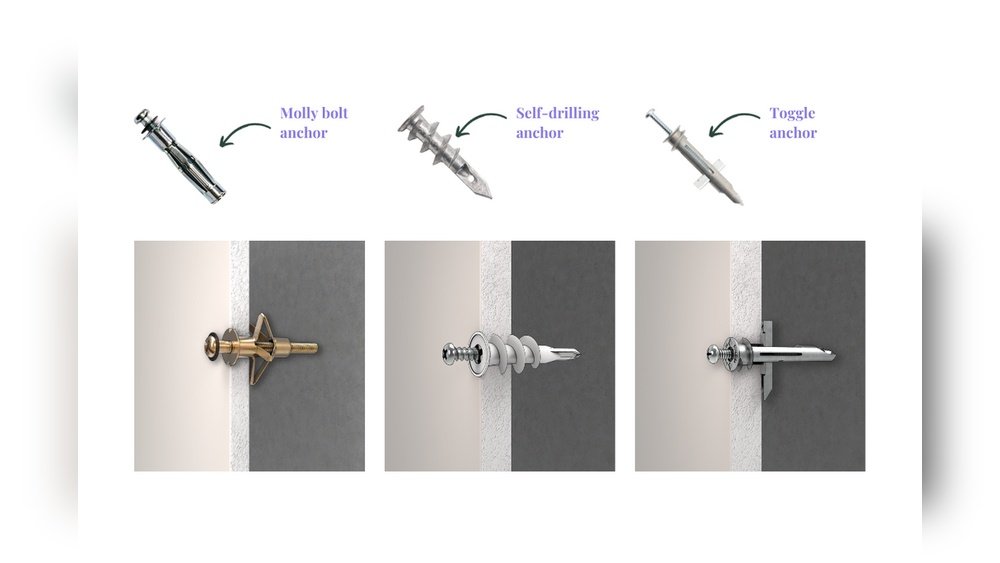
- Wall anchors (toggle bolts, molly bolts, or heavy-duty wall anchors)
- Screws (usually included with anchors)
- Mirror hanging hardware (D-rings, wire, or French cleats)
- Protective eyewear
- Masking tape (for marking)
If your mirror is very large, get someone to help you lift and position it. Mirrors are difficult to handle alone and can break if dropped.
Know Your Wall: Studs Vs. Drywall
The safest way to hang a heavy mirror is to anchor it to a wall stud. Studs are the wooden beams behind your drywall, usually spaced 16 or 24 inches apart. They can safely support a lot of weight.
Use a stud finder to locate these behind your wall. Move it slowly across the wall until it lights up or beeps. Mark the location with a pencil. If you can line up at least one mounting point with a stud, your mirror will be much more secure.
But sometimes, the studs do not match the hanging points on your mirror. In this case, you need special drywall anchors designed for heavy items.
Here’s a quick comparison of anchor types:
| Anchor Type | Weight Capacity | Best Use |
|---|---|---|
| Plastic Expansion Anchor | Up to 15 lbs | Light mirrors/art |
| Molly Bolt | Up to 50 lbs | Medium mirrors |
| Toggle Bolt | Up to 100 lbs | Heavy mirrors/shelves |
| Mounting to Stud | 100+ lbs | Very heavy mirrors |
Choose The Right Hanging Hardware
Not all mirrors have the same back. Some come with D-rings, others have a wire, and some require a special bracket. Choose hardware that matches both your wall type and the mirror’s weight.
D-rings
D-rings are sturdy metal loops. They work well with screws or hooks. Attach them to the back of the mirror’s frame, then hang the rings directly on wall-mounted screws or hooks.
Picture Wire
A strong wire can make hanging easier, but only if the frame is solid. The wire stretches between two D-rings or brackets on the mirror. Use a heavy-gauge wire rated for at least double the mirror’s weight.
French Cleat
A French cleat is a two-part bracket system: one half attaches to the wall, and the other to the mirror. This type is extremely secure and spreads the weight evenly.
Direct Mounting
Very heavy or large mirrors often have mounting holes or brackets built into the frame. You will need to align these carefully with wall studs or anchors.
How To Hang A Heavy Mirror On Drywall: Step-by-step
Let’s walk through the process. Take your time with each step—rushing can lead to mistakes.
1. Measure And Mark Placement
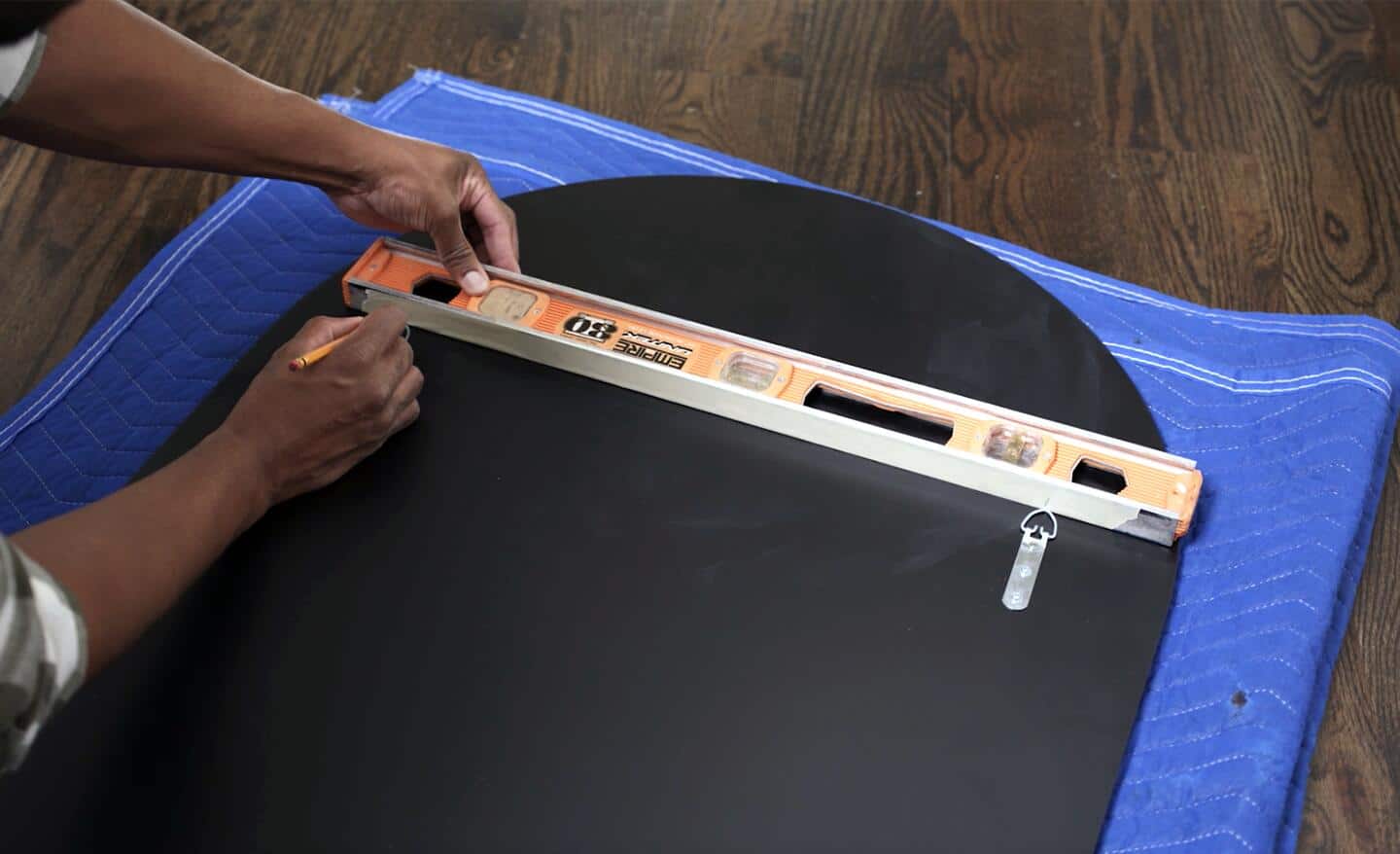
Hold the mirror against the wall at your desired height. Use a pencil to mark the top corners. If possible, have a second person help. Use a level to make sure the marks are straight. Decide where your mounting hardware will go (usually 1/3 from the top of the mirror).
2. Locate Studs
Run a stud finder horizontally across the area where you will hang the mirror. Mark all found studs with a small pencil line. If a stud lines up with your mounting points, plan to drive at least one screw directly into it.
3. Choose And Install Anchors
If you can’t use a stud, choose a heavy-duty anchor. Here’s how to decide:
- For mirrors under 20 lbs: Molly bolts or heavy-duty plastic anchors.
- For mirrors 20–50 lbs: Toggle bolts (metal) are best.
- For mirrors over 50 lbs: Use two toggle bolts, spaced apart, or mount directly into two studs.
Drill pilot holes for your anchors at the marks you made. Insert the anchors according to their instructions (some need a hammer, others just twist in).
4. Attach Hanging Hardware To The Mirror
If your mirror doesn’t already have D-rings or wire, attach them now. Place D-rings about 1/3 down from the top corners. If using wire, thread it through both rings and twist it tightly. Leave a little slack but not too much.
5. Hang The Mirror
Drive screws into your wall anchors or studs, leaving the heads sticking out slightly. Lift the mirror and hook the D-rings or wire over the screws. If using a French cleat, slide the mirror’s bracket onto the wall bracket.
Check that the mirror is level. Adjust as needed. Some people place a small piece of felt or rubber pad behind the bottom corners to keep the mirror from shifting and to protect the wall.
6. Safety Check
Gently pull down on the mirror. It should feel solid and not move. If you notice any wobbling or if the screws pull out even a little, remove the mirror and try a stronger anchor.
Real-world Example
Imagine you have a 40-pound mirror with D-rings on the back and want to hang it above your fireplace. You use a stud finder and find no studs in the right spot. You choose toggle bolts rated for 100 pounds and install them at the correct height. You attach the mirror, check it with a level, and test its strength. The mirror feels secure, and you can relax knowing it’s safely mounted.
Common Mistakes To Avoid
Many people make simple errors when hanging heavy mirrors. Avoid these to keep your wall and mirror safe.
- Using regular nails or screws: These will pull out of drywall under heavy weight.
- Not checking weight limits: Every anchor and wire has a maximum load. Exceeding it is risky.
- Skipping the stud finder: Even one screw in a stud makes a huge difference.
- Installing hardware too close to the top: Place hardware 1/3 from the top for better support.
- Not using a level: A crooked mirror is unsafe and unattractive.
- Over-tightening screws: This can strip the anchor or damage the drywall.
- Ignoring the frame type: Weak frames may need reinforcement.
How To Reinforce A Weak Mirror Frame
Some mirrors have thin or weak frames that can crack under the load. Reinforce the back using a flat metal bracket or a strip of plywood. Attach the D-rings or wire to this reinforcement rather than the original frame. This spreads the load and lowers the risk of damage.
How To Patch Drywall Damage From A Failed Attempt
If a previous attempt left holes or cracks, repair them before trying again. Remove all loose drywall. Fill holes with spackle or joint compound. Sand smooth, then repaint if needed. For large holes, use a mesh patch.
Comparing Hanging Methods
Here’s a quick comparison of the main mounting methods for heavy mirrors:
| Method | Pros | Cons |
|---|---|---|
| Stud Mounting | Strongest, safest, easy to adjust | Studs may not be in the right spot |
| Toggle Bolts | High weight capacity, easy for drywall | Requires larger holes, hard to remove |
| Molly Bolts | Good for medium weight, less wall damage | Not for very heavy mirrors |
| French Cleat | Very secure, easy to level | Requires precise installation |

Credit: www.mirrorspace.com.au
Advanced Tips For Extra Safety
- Use two anchors instead of one. This splits the weight and keeps the mirror from tilting.
- Place a wooden cleat on the wall ledge for the mirror to rest on. This takes some weight off the anchors.
- For mirrors over 100 pounds, consider adding a wall brace behind the drywall for extra support.
- Always check the manufacturer’s instructions for both your mirror and hanging hardware.
What To Do If You Can’t Find A Stud
Sometimes, you can’t find a stud where you want to hang your mirror. Don’t panic. Use the strongest drywall anchors you can, and always use at least two. Toggle bolts are usually the best choice for this situation.
Credit: www.homedepot.com
Safety For Children And Pets
If you have small children or pets, take extra care that your mirror is firmly anchored. Consider using earthquake putty or anti-tip straps to keep the bottom from swinging out.
When To Call A Professional
If your mirror is extremely large (over 100 pounds), made of valuable glass, or you’re unsure about your wall’s strength, consider hiring a pro. They have the experience and tools to do the job safely.

Credit: www.youtube.com
Extra Resources
For more technical details about wall anchors, see the Family Handyman’s wall anchor guide.
Frequently Asked Questions
How Much Weight Can Drywall Hold Without A Stud?
Drywall alone can usually support up to 5 pounds with a regular nail or screw. For heavier loads, always use wall anchors or find a stud.
What Type Of Anchor Is Best For A 50-pound Mirror?
Toggle bolts are the best choice for mirrors around 50 pounds. They spread the load behind the drywall and are very strong.
Can I Hang A Heavy Mirror With Command Strips?
No, command strips are for lightweight items, usually under 15 pounds. Heavy mirrors need real anchors or studs.
How Do I Know If My Mirror Is Too Heavy For My Wall?
Check the weight of your mirror and compare it to the limits of your chosen anchors or studs. If your wall feels hollow or soft, or if it’s an old wall, use extra caution.
What Should I Do If My Mirror Falls And Cracks The Drywall?
Remove the mirror and assess the damage. Patch the drywall with spackle or a mesh patch for larger holes. Make sure to use stronger anchors when you try again.
Hanging a heavy mirror on drywall is not just about style—it’s about safety. With careful planning, the right tools, and a few expert tips, you can add beauty to your room without worry. Take your time, follow these steps, and enjoy the new look of your space.
For more helpful guides, check out renter friendly wall decor ideas without drilling, how to hang frames without drilling, and gallery wall ideas with removable strips.
- Gather Your Tools
You will need a stud finder, drill, level, wall anchors (rated for your mirror’s weight), screws, and a measuring tape.
- Find the Wall Studs
Use a stud finder to locate studs behind the drywall. Mark stud locations with a pencil. Hanging into studs is the strongest option.
- Choose the Right Hardware
For mirrors up to 20 lbs, use heavy-duty drywall anchors. For heavier mirrors, always mount into at least one stud.
- Mark the Hanging Points
Hold the mirror against the wall at the desired height and mark where the hanging hardware meets the wall with a pencil.
- Install Wall Anchors or Screws
Drill pilot holes at your marks. Insert wall anchors if not hitting studs, then drive screws in, leaving a small gap for the mirror hardware.
- Hang and Level the Mirror
Hang the mirror on the screws and use a level to ensure it is straight. Adjust as needed and check it is secure before releasing.