
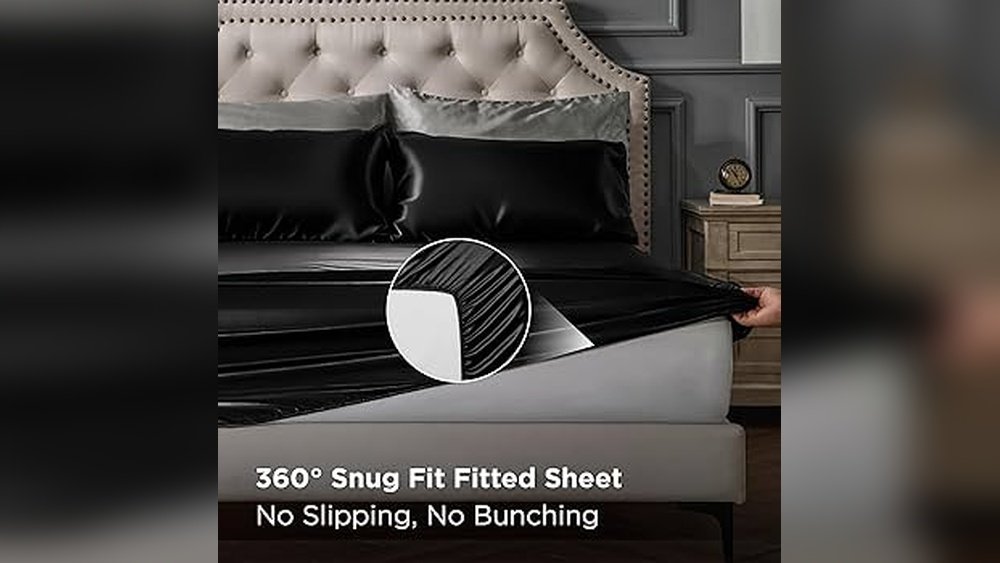
Fitted sheets make beds look smooth and inviting, but folding them can feel almost impossible. The corners are elastic, the fabric slips, and most people end up with a wrinkled ball instead of a neat square. If you’ve ever wondered how hotels get such tidy linen closets, you’re not alone.
Learning how to fold a fitted sheet without it bunching is a skill anyone can master. With the right steps, some practice, and a few expert tips, you can transform that messy pile into a sharp, clean fold every time.
Why Do Fitted Sheets Bunch Up?
The main reason fitted sheets are hard to fold is their elastic corners. These corners are designed to hug the mattress tightly, which means they don’t lie flat like regular sheets. The elastic pulls the fabric in different directions. If you just try to fold a fitted sheet like a flat sheet, the corners bunch up and the result is bulky and uneven. The secret is to work with the corners, not against them.
What You Need Before You Start
Folding a fitted sheet is easier if you have a few basics:
- Clean, dry fitted sheet: A damp sheet will wrinkle more.
- A flat surface: A bed or large table works best.
- Some space: Trying to fold in a crowded area makes the job harder.
If your sheet is very wrinkled, give it a quick shake or smooth with your hands before you start.
Step-by-step Guide: Folding A Fitted Sheet Without Bunching
Mastering the technique means breaking it down into clear steps. Here’s a proven method that works for most sheet sizes, from twin to king.
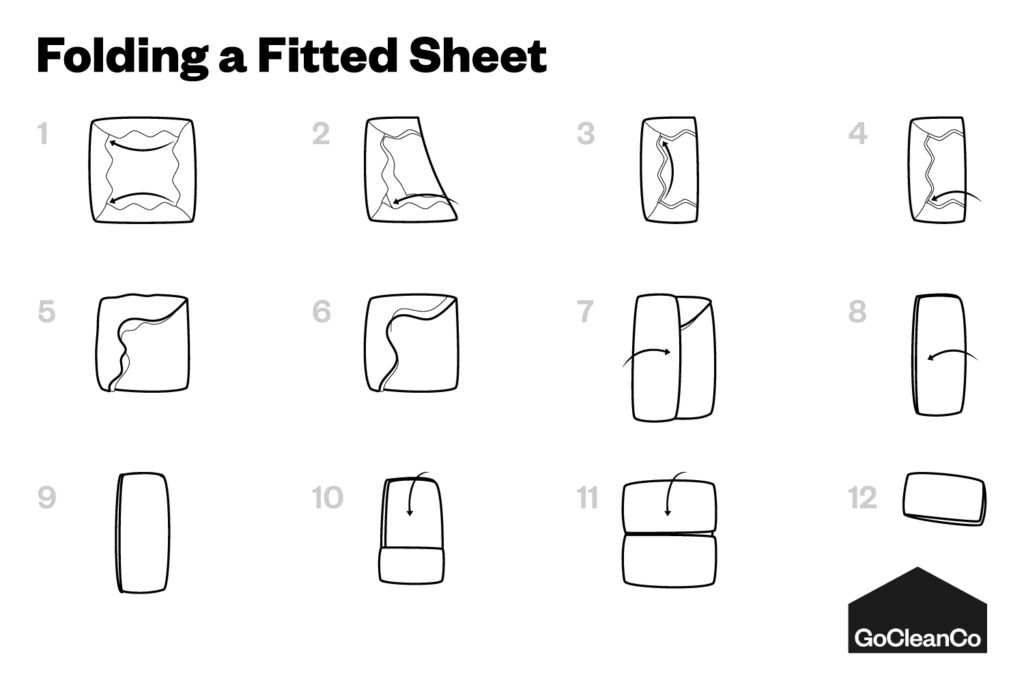
1. Hold The Sheet Inside Out
Start by finding the two shorter sides of the sheet. Place your hands inside the two adjacent corners on one short end, so the sheet is inside out. Your hands should be at the very tips of the corners. This is important because it sets up the next steps.
2. Match Corners Together
Bring your right hand to your left, flipping one corner over the other so they are nested together. Now, both corners are in your left hand, and the sheet should be half its original size. Smooth the elastic as you go to avoid twisting.
3. Add The Remaining Corners
Find the third corner (on the same short side as the first two) and tuck it into the pair you’re holding. Repeat with the fourth and final corner. All four corners should now be stacked, forming a pocket. This step feels awkward the first few times, but it’s essential for a flat, neat fold.
4. Lay The Sheet Down
Place the sheet flat on your surface, with the elastic edge facing up. The sheet will look like a rectangle with rounded, nested corners on one side. Use your hands to smooth the fabric and pull the edges straight.
5. Fold Into Thirds Or Quarters
Fold the sheet into thirds lengthwise, bringing one side toward the middle and then the other over it. For larger sheets, you may need to fold into quarters. The aim is to create a long rectangle. Make sure to keep smoothing as you fold.
6. Final Folds
Fold the long rectangle into a square or smaller rectangle by folding in thirds or halves, depending on your storage space. Press down gently to flatten as you go. The final result should be a compact, neat bundle with no bunching.
Visual Comparison: Folded Vs. Unfolded Fitted Sheet
A side-by-side look can help you see the difference proper folding makes.
| Unfolded Fitted Sheet | Properly Folded Fitted Sheet |
|---|---|
| Bunched, uneven shape | Flat, rectangular bundle |
| Takes up more space | Fits neatly in closet |
| Wrinkles easily | Stays smooth and tidy |
Common Mistakes People Make
Most people struggle with folding fitted sheets because they:
- Skip the corner-tucking: Not nesting the corners is the number one reason for bunching.
- Fold too quickly: Rushing leads to uneven edges and lumps.
- Don’t use a flat surface: Folding in the air or on a bed with soft covers adds bulk.
- Ignore the elastic: Not smoothing the elastic as you fold creates extra wrinkles.
Learning to fold slowly and carefully makes a big difference. With a little practice, the process becomes much faster and smoother.
Tips For Different Sheet Sizes And Materials
Not all fitted sheets are the same. Here’s how to adjust your folding technique:
For Small Sheets (twin, Full)
- These are easier to handle.
- You can fold them alone without help.
- Smaller sheets may need only two folds at the end.
For Large Sheets (queen, King)
- The fabric can be heavy or bulky.
- Use a bigger surface, like a dining table or clean floor.
- Ask someone to help if the sheet is very large.
For Special Materials (jersey, Bamboo, Linen)
- Jersey sheets stretch more, so go slowly and don’t pull tight.
- Bamboo sheets are slippery; smooth with your hands to keep edges straight.
- Linen sheets wrinkle easily; shake them out well and fold soon after drying.
Credit: www.housework.com
How Neat Folding Saves Space
Properly folded sheets take up much less room. For example, a bunched-up fitted sheet can fill a whole shelf, but a neatly folded one may fit in half the space. This is especially helpful in small apartments or homes with little storage.
Here’s a quick look at how folding affects storage:
| Folding Method | Average Storage Space Needed |
|---|---|
| Bunched/Balled | Up to 40% more |
| Neatly Folded | Standard shelf size |
Organizing your linen closet becomes much easier when each sheet is flat and stackable. You can see which sheets you have, and grabbing the right size takes seconds instead of minutes.
How To Store Folded Fitted Sheets
Once your sheet is folded, the way you store it makes a difference. Here are some simple ideas:
- Stack sheets by size: Keep all twins together, queens together, and so on.
- Store sets inside pillowcases: Place the fitted sheet, flat sheet, and one pillowcase inside the other pillowcase to keep sets together.
- Use linen bins or baskets: These help keep stacks upright and prevent sliding.
A neat closet also keeps sheets cleaner and fresher, as they are less likely to gather dust or snag.
Credit: www.etsy.com
Real-world Example: Hotel Housekeeping
Hotels need to fold hundreds of sheets every day. They use the corner-tucking method because it’s the fastest way to keep linen closets organized and efficient. Housekeepers can fold a fitted sheet in under a minute once they know the steps.
If you watch a pro, you’ll see they always start with the corners and use a flat surface.
This method isn’t just for professionals. Anyone can learn it, and it works for all brands and types of fitted sheets.
Non-obvious Insights Most Beginners Miss
- Folding right after drying helps: When you fold a sheet straight from the dryer, it’s easier to smooth out wrinkles, and the corners line up more naturally. Waiting until the sheet is cold or crumpled makes folding harder.
- Corner alignment is key: Many people try to fold the sides or edges first. But the real trick is getting all four corners perfectly nested before making any other folds. This small step creates the foundation for a smooth, tight bundle.
- Elastic needs attention: As you fold, keep running your hand along the elastic edge to keep it flat. This keeps the finished fold from bulging.

Credit: www.amazon.com
Quick Reference: Folding Steps At A Glance
| Step | Action |
|---|---|
| 1 | Find and invert corners |
| 2 | Nest corners together |
| 3 | Lay sheet flat |
| 4 | Fold into thirds/quarters |
| 5 | Fold into square/rectangle |
Keep this list handy until you remember the steps by heart.
How Often Should You Fold Fitted Sheets?
Every time you wash and store a fitted sheet, it’s best to fold it properly. Sheets that are left crumpled in a basket develop deep wrinkles, making your bed look untidy and less comfortable. Folding after every wash keeps your linens looking fresh and extends their life by preventing excessive stretching or wear.
Should You Iron Fitted Sheets Before Folding?
Ironing is not necessary for most people. However, if you want a perfectly crisp look (for special occasions or guest rooms), iron the sheet while it’s still slightly damp. Fold it right away after ironing to lock in that smooth finish.
Most everyday folding doesn’t require ironing, especially for jersey or bamboo sheets.
When To Replace Fitted Sheets
No matter how well you fold, old sheets eventually lose their shape. If the elastic is stretched out or the fabric is thin and see-through, it’s time for a new sheet. Well-made fitted sheets last about 2-3 years with regular use and washing.
Buying quality sheets can actually make folding easier, as cheap sheets tend to lose their corner shape quickly.
For more on sheet care and recommendations, you can visit the Wirecutter’s guide to the best sheets.
Frequently Asked Questions
How Do I Fold A Fitted Sheet If I’m Alone?
You don’t need a second person. The key is to use a flat surface, like a table or clean bed. Take your time nesting the corners together and laying the sheet flat before you make the final folds.
What If My Fitted Sheet Is Very Wrinkled?
If your sheet has deep wrinkles, toss it in the dryer with a damp towel for 10-15 minutes. This relaxes the fabric, making it much easier to smooth out and fold without bunching.
Can I Store Fitted Sheets In Vacuum Bags?
Yes, vacuum bags are great for saving space. Make sure the sheet is completely dry before sealing. Flat, properly folded sheets compress better and stay wrinkle-free in storage bags.
Is There A Different Method For Elastic All The Way Around?
Sheets with elastic on all sides are folded the same way. It may take a little extra smoothing as you nest the corners, but the steps are the same. The key is to keep the elastic edge flat with each fold.
How Can I Teach Kids Or Beginners To Fold Fitted Sheets?
Start with small sheets and show each step slowly. Let them practice nesting the corners and laying the sheet flat. Praise progress, not perfection—the technique improves with experience.
Folding a fitted sheet without it bunching may seem tricky at first, but with practice and the right method, anyone can do it. You’ll enjoy a tidier closet, smoother beds, and less stress on laundry day. Give the corner-tucking method a try—it’s a small skill that makes a big difference in everyday life.
