
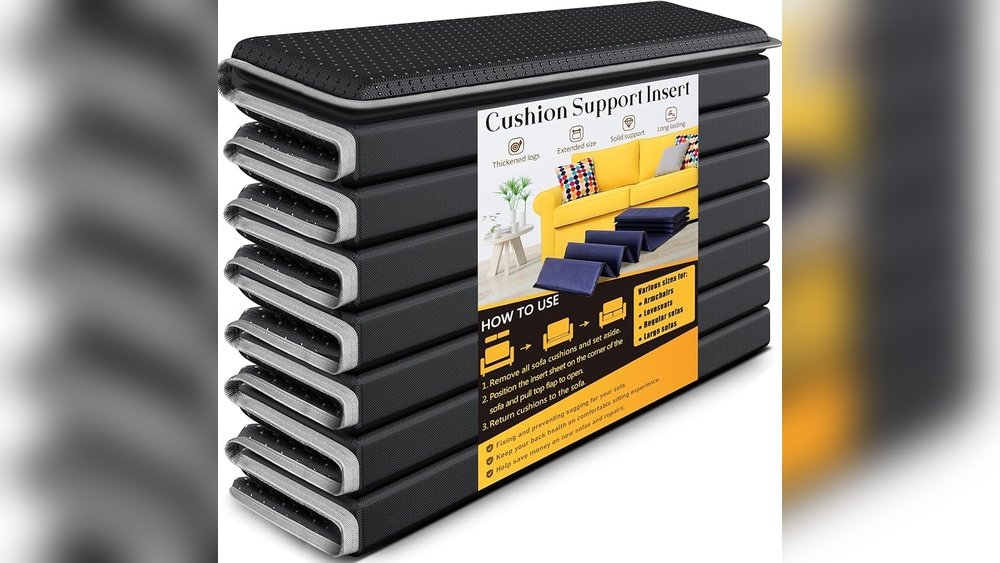
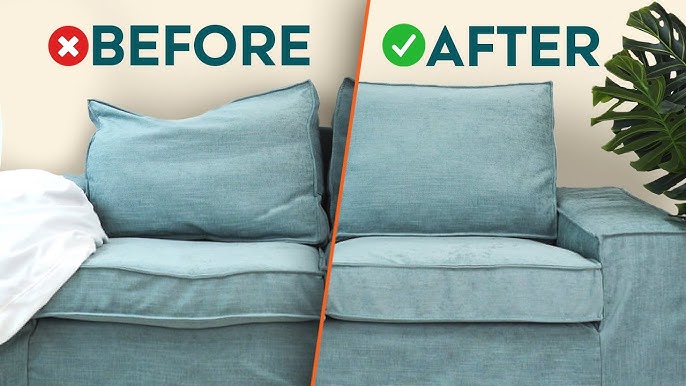
A sagging sofa cushion can make your favorite couch feel uncomfortable and look old before its time. Many people think they need to buy a new sofa or pay for expensive repairs, but you can often fix sagging cushions at home with simple tools and techniques.
By understanding the causes and using practical solutions, you can give your sofa a new life without spending much money.
Why Do Sofa Cushions Sag?
Sofa cushions lose their shape for a few main reasons. Over time, the foam inside cushions breaks down from daily use. If your sofa has a spring base, the springs can weaken or shift. Sometimes, the fabric stretches or the cushion inserts are too thin from the start. Humidity and dust can also add to the problem. Knowing what’s wrong helps you pick the best fix.
Quick Checks Before You Start
Before trying any fix, check these points:
- Remove the cushions and look at the base. Is it wood, webbing, or springs?
- Feel the cushion inserts. Are they flat, lumpy, or thin?
- Press the sofa base. Is it firm or does it sink?
- Check if the cushion covers have zippers for easy access.
This quick look tells you where the main problem is: the cushion filling, the base, or both.
Credit: www.youtube.com
Tools And Materials You Might Need
Having the right tools makes repairs faster and easier. Here are some useful items:
- Measuring tape
- Sharp scissors
- Foam (high-density or medium-density, depending on your sofa)
- Batting (polyester or cotton)
- Plywood or cardboard (for base support)
- Upholstery needle and strong thread
- Spray adhesive (optional)
- Zipper replacement (if needed)
- Screwdriver (for sofa base access)
- Vacuum cleaner (to clean dust before repairs)
Most of these can be bought at hardware or craft stores. If you don’t have all of them, many fixes still work with basic tools.
The Best Ways To Fix Sagging Sofa Cushions
Let’s look at the most effective home solutions. Each method targets a different cause of sagging, and sometimes you’ll need a mix.
1. Adding Or Replacing Foam Inserts
The fastest way to improve a cushion is by adding new foam or replacing old inserts. High-density foam keeps its shape longer and gives better support.
Steps:
- Measure your cushion covers. Write down length, width, and thickness.
- Buy foam that matches or is slightly thicker than your old foam.
- Remove the old foam. If the cover is too loose, wrap the new foam in batting for a snug fit.
- Slide the new foam into the cover. If it’s tight, squeeze and roll it to fit.
- Zip up and test the cushion.
Tip: Use high-resilience foam for seats that get lots of use. Cheaper foam sags quickly.
2. Wrapping Cushions With Batting
If your cushions feel too firm or the covers look wrinkled, add a layer of batting around the foam. This fills out empty space and makes cushions look fuller.
Steps:
- Lay out your foam insert.
- Cut batting to wrap all sides, leaving extra to overlap.
- Spray a light adhesive to hold batting in place (optional).
- Wrap and secure with adhesive or tuck neatly before inserting into the cover.
Batting adds softness and helps covers fit tightly. It’s a great trick for foam that’s still in good shape but looks flat.
3. Flipping And Rotating Cushions
Simple but often forgotten—flip and rotate your cushions every week or two. This spreads out wear and keeps foam from compressing in one spot. For sofas with non-removable cushions, gently pat and shift the filling by hand.
4. Adding Support Under The Cushions
Sometimes the problem isn’t just the cushion—it’s the base under it. If your sofa sags in the middle, try adding support underneath.
Here’s a handy comparison of common base supports:
| Support Type | Cost | Ease of Use | Durability |
|---|---|---|---|
| Plywood | Low | Easy (cut to size) | High |
| Cardboard | Very Low | Very Easy | Low |
| Webbing Straps | Medium | Moderate (needs tools) | Medium |
How to add support:
- Measure the seat area under the cushions.
- Cut plywood or thick cardboard to fit.
- Place it under the cushions, on top of the sofa base.
- Test for firmness. Adjust as needed.
Plywood lasts longer than cardboard, but cardboard is a good short-term fix.
5. Re-stuffing Cushions With Loose Fill
Some cushions use loose fiber fill instead of solid foam. Over time, the fill bunches up or shifts. You can add more filling to bring back the shape.
Steps:
- Open the cushion cover.
- Fluff and spread out the old fill.
- Add more polyester fiber fill until full.
- Seal the cover and shape by patting.
This method works best for back cushions. For seats, combine with foam for better support.
6. Repairing Or Replacing Springs
If your sofa has springs and you hear creaks or feel dips, check underneath. Sometimes springs come loose or break. You can reattach or replace them if you’re handy.
Steps:
- Remove the cushion and look for broken or loose springs.
- Use pliers to reattach springs to the frame.
- For broken springs, buy replacements at a hardware store.
- Fasten new springs securely.
Tip: If you’re not comfortable fixing springs, call a professional. Broken springs can make sagging worse if left unfixed.
7. Tightening Upholstery Covers
Loose or stretched covers make cushions look saggy, even if the filling is fine. If your covers have zippers, remove and wash them in cold water, then let them air dry. This sometimes shrinks the fabric back to size.
If the covers are sewn in, you can use an upholstery needle to tighten seams or add darts (small folds) at the corners.
8. Using Sofa Savers Or Commercial Inserts
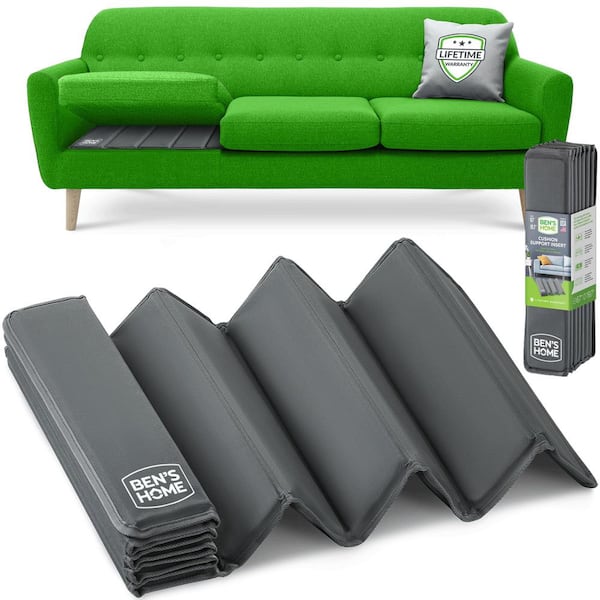
There are ready-made products called sofa savers—rigid panels or adjustable supports you place under cushions. These are easy to install and can instantly boost firmness. They are a good option if you don’t want to cut plywood yourself.
9. Combining Foam And Fiber Fill
For the best comfort, many modern sofas use a mix: foam in the center, wrapped with fiber fill. If you want a custom feel, try this:
- Cut foam to cushion size.
- Wrap with batting or loose fill on all sides.
- Insert into the cover.
This method gives support and softness together.
10. Preventing Future Sagging
Fixing cushions is only part of the solution. To keep them firm:
- Rotate and flip cushions regularly
- Avoid jumping or heavy pressure
- Clean covers and inserts to prevent dust and moisture
- Check the base and supports every few months
These habits help your sofa last longer and look better.
Non-obvious Tips Most People Miss
- Let foam air out before use. New foam often comes compressed; let it expand fully for a day before inserting.
- Check cushion fit after repairs. If the cover is too tight, seams may split; too loose, and the cushion may shift. Add or remove batting to adjust.
- Don’t overstuff. Too much filling can stress zippers and fabric. Add just enough for a full look.
When To Consider Professional Help
Sometimes home fixes aren’t enough. Call a pro if:
- The sofa frame is broken or cracked
- All springs are damaged
- The fabric is torn beyond repair
A professional can rebuild the sofa or replace parts more safely.
Example: Fixing A Three-seat Sofa
Let’s see a real-life repair. Jane’s three-seat sofa was sagging in the middle. She checked and found:
- The base was webbing, stretched and loose
- The foam was flat and thin
She:
- Bought high-density foam online, cut to size
- Wrapped it in batting for extra fill
- Cut plywood to fit under the cushions
- Placed everything back, zipped up, and tested
The result: her sofa felt new and looked much better. She spent about $60 instead of buying a new couch.
Comparing Cushion Fill Types
Different sofas use different fillings. Here’s a comparison:
| Filling Type | Support Level | Comfort | Longevity | Cost |
|---|---|---|---|---|
| High-Density Foam | High | Firm | 5-7 years | Medium |
| Fiber Fill | Low | Soft | 2-3 years | Low |
| Feather/Down | Medium | Very Soft | 5+ years (with care) | High |
| Foam + Fiber Mix | High | Soft + Support | 5-7 years | Medium |
Choose the filling type that matches your comfort and budget needs.

Credit: www.amazon.com
Common Mistakes To Avoid
- Using low-density foam to save money. It sags quickly.
- Ignoring the sofa base. Fixing just the cushion won’t help if the frame is weak.
- Overfilling covers until seams stretch or zippers break.
- Not measuring cushions before buying foam—guessing often leads to poor fit.
- Skipping regular cleaning; dust and moisture speed up cushion wear.
Frequently Asked Questions
How Often Should I Replace Sofa Cushion Foam?
Most high-quality foam lasts 5 to 7 years. If you feel the seat touch the frame or see deep dips, it’s time to replace the foam.
Can I Wash Sofa Cushion Foam?
Foam shouldn’t be soaked in water. Spot clean with a damp cloth and mild soap, then air dry. Covers can often be removed and washed separately.
Is Plywood Safe For All Sofas?
Plywood works for most sofas, but check if your base is strong enough to support extra weight. Thin or damaged frames may need professional repair.
What Type Of Foam Is Best For Sofa Cushions?
High-density polyurethane foam is the best for support and long life. For extra comfort, choose high-resilience (HR) foam if available.
Where Can I Find More Info On Fixing Furniture?
You can find detailed guides and tips at Family Handyman.
Fixing sagging sofa cushions at home is easier than you think. With a little time and the right materials, you can enjoy a comfortable, supportive seat again without buying a new couch. Your living room (and your back) will thank you.
Credit: aseoya.com
For more helpful guides, check out sofa care and cleaning tips at home, sofa bed vs futon which is more comfortable, and ottoman vs coffee table comparison.
- Identify the Problem
Check if the sagging is from the cushion foam, the cushion cover, or the sofa frame/webbing underneath.
- Add Cushion Filling
Unzip the cushion cover and add polyester fiberfill or foam offcuts to restore volume and firmness.
- Replace the Foam Insert
For severely sagging cushions, replace the old foam with high-density foam (1.8 lb/ft³ or higher) cut to the cushion size.
- Fix the Sofa Base
If the frame sagging, place a piece of plywood cut to the seat size under the cushions for instant support.
- Repair Broken Springs
If you hear creaking, the springs may be broken. Re-tie loose springs with jute webbing or replace broken coil springs.
- Fluff and Rotate Cushions
Rotate and flip cushions weekly to distribute wear evenly and maintain shape longer.
