
Drying a comforter at home can feel risky. One wrong move and your fluffy bedding could turn lumpy, shrink, or even tear. But with the right method, you can safely use your dryer and keep your comforter soft, fresh, and clean.
This guide will show you how to dry a comforter in a dryer without damage—even if you’ve never tried it before.
Many people worry their comforter will not survive the dryer. Some fear the filling will bunch up. Others think the fabric will shrink or lose its smooth feel. These worries are real, but you can avoid problems with a few careful steps.
You’ll also learn some expert tips that most beginners miss, so your comforter will look and feel great for years.
Check The Comforter Label
Before you do anything, always look for the care label on your comforter. This small tag gives vital information about:
- Fabric type (cotton, polyester, down, etc.)
- Dryer temperature limits
- Special warnings (no heat, dry clean only, etc.)
If the label says “dry clean only,” do not use a home dryer. For most other materials, the label will tell you if machine drying is safe. Many comforters can handle low or medium heat, but some need extra care.
Expert tip: If the label is missing or unreadable, identify the filling type by touch. Down feels light and fluffy, while synthetic feels slightly heavier and more uniform.
Prepare The Comforter For Drying
Proper preparation can prevent many common problems. Take these steps before you put the comforter in the dryer:
- Shake out the comforter to remove any twisted or bunched-up filling.
- Check for damp spots from washing. Squeeze out extra water (gently) if needed.
- Inspect for loose stitching or holes. Repair them first to avoid further damage.
- Untangle corners and edges so the comforter dries evenly.
Non-obvious tip: If your comforter is very wet, run a second spin cycle in the washer. This removes more water and shortens dryer time, reducing risk of damage.
Choose The Right Dryer Settings
The right settings make all the difference. Choose carefully based on your comforter’s material.
| Comforter Material | Best Dryer Setting | Dryer Temperature |
|---|---|---|
| Down/Feather | Delicate/Gentle | Low heat |
| Cotton/Polyester | Normal | Medium heat |
| Wool/Silk | Air Fluff/No Heat | Cool or no heat |
- Low heat prevents shrinking and protects the filling.
- Medium heat is safe for sturdy materials but check often.
- No heat (air fluff) is safest for delicate comforters.
Never use high heat. It can melt synthetic fibers, ruin down, and shrink cotton.
Load The Dryer Properly
How you place your comforter matters as much as the settings.
- Dry one comforter at a time. Overloading the dryer leads to uneven drying and damaged fabric.
- Add dryer balls or clean tennis balls. Place two or three balls with your comforter. They bounce around, breaking up clumps and speeding up drying.
- Spread the comforter loosely. Avoid stuffing it in tight. The more air flows around it, the better.
| With Dryer Balls | Without Dryer Balls |
|---|---|
| Faster drying | Slower drying |
| Fewer clumps | More clumping risk |
| Softer finish | Stiffer feel |
Unexpected benefit: Dryer balls also reduce static and help keep your comforter fluffy.
Dry In Short Cycles
Long, hot cycles can ruin your comforter. Instead, dry in short intervals and check progress often.
- Set the dryer for 20–30 minutes on the recommended setting.
- Pause and take out the comforter.
- Shake it out and fluff it by hand.
- Check for any wet spots or clumps.
- Repeat until fully dry.
Why short cycles? This gives you control. If you notice shrinking, melting, or clumping, you can stop before it gets worse.
A queen-size comforter usually takes 1–2 hours to dry completely on low heat, but time varies. Always check for dampness inside, not just on the surface.
Spot-check For Dryness
Comforters can feel dry on the outside but still be wet inside. Take these steps to check:
- Press your hand into several spots. If you feel coolness or moisture, it’s not dry yet.
- Open up the comforter and feel the filling. Squeeze gently—no water should come out.
- If you find damp areas, lay the comforter flat for a few minutes before returning it to the dryer.
Practical insight: Even a small amount of leftover moisture can lead to mildew or bad smells. Never skip this check.
Fluff And Finish
Once fully dry, fluff your comforter for the best feel and look:
- Shake it out vigorously to distribute filling evenly.
- Smooth out corners and sides by hand.
- Let it air for 10–15 minutes on a bed or large surface. This releases heat and helps it “breathe.”
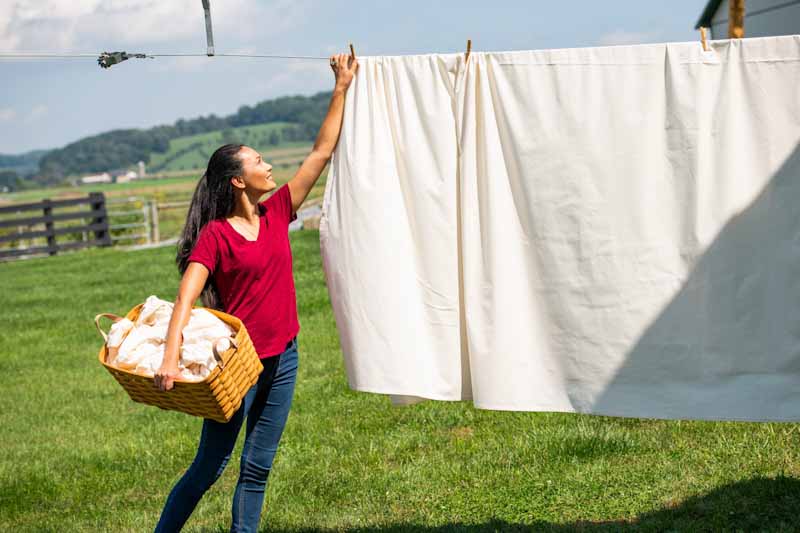
If you want extra freshness, hang the comforter outside for 30 minutes in indirect sunlight (but avoid strong sun, which can fade colors).
Common Mistakes To Avoid
Many people ruin their comforters by making the same errors. Avoid these:
- Using high heat: This causes shrinking, melting, and fabric wear.
- Skipping dryer balls: Clumps and lumps are much more likely without them.
- Overstuffing the dryer: Airflow is blocked, so drying is uneven.
- Not checking for dampness: Leads to mildew and musty smells.
- Ignoring care labels: Every comforter is a little different; labels help you avoid surprises.
- Drying with heavy items: Towels or jeans can crush the filling and damage the fabric.
Bonus tip: If your comforter develops a mild odor after drying, run it on “air fluff” with two dryer sheets for 15 minutes.
How To Handle Special Comforters
Some comforters need extra care:
Down Or Feather Comforters
- Always use low heat and dryer balls.
- Down takes longer to dry, so check for dampness deep inside.
- If you notice a “wet dog” smell, the filling is still damp.
Wool Or Silk Comforters
- Use no heat or “air only” setting.
- Drying may take several hours.
- Never use heat or strong agitation; the fibers can shrink or felt.
Oversized Comforters
- If your dryer is small, consider a laundromat with extra-large machines.
- Overstuffing a small dryer can break both the comforter and the machine.
Extra Tips For The Best Results
- Clean the lint trap before every load. This improves airflow and speeds up drying.
- Check dryer capacity. Most home dryers handle up to a king-size comforter, but only if it’s not too thick.
- Dry comforters at least twice a year to keep them fresh.
- For allergy sufferers, run an extra “air fluff” cycle to remove dust and pollen.
Credit: americanblossomlinens.com
When To Skip The Dryer
In some cases, air drying is better:
- If the comforter is very delicate or valuable
- If you live in a hot, dry climate and can hang it outdoors
- If your dryer cannot handle the size
To air dry, lay the comforter flat on a clean surface, turning it every few hours. This method takes longer but removes all risk of heat damage.
How Often To Wash And Dry Comforters
Comforters don’t need frequent washing. For most homes:
- Wash and dry every 3–6 months
- If you have allergies or pets, wash every 2–3 months
- Always follow the care label for best results
Washing too often can shorten the comforter’s lifespan, especially with down or delicate materials.

Credit: www.youtube.com
Signs Of Damage And What To Do
Sometimes, even with care, damage happens. Look for these signs:
- Clumped filling: Shake and fluff. If lumps remain, run another dryer cycle with balls.
- Burn marks or melting: Stop using the dryer for this comforter; switch to air drying.
- Tears or holes: Repair before next wash. Small tears can grow if ignored.
If your comforter is very old or loses shape after drying, it may be time to replace it. High-quality comforters usually last 5–10 years with proper care.
Eco-friendly And Energy-saving Advice
Drying comforters uses a lot of energy. Here’s how to save power and help the environment:
- Always use low or medium heat—it’s safer and uses less electricity.
- Dry with balls to shorten drying time.
- Use the “sensor dry” feature if your dryer has one. It stops when the comforter is dry.
- Dry comforters in the morning or midday to take advantage of solar power if your home uses it.
For more energy-saving laundry tips, see Energy Star.

Credit: www.youtube.com
Frequently Asked Questions
How Long Does It Take To Dry A Comforter In A Dryer?
Drying time depends on size, material, and dryer type. Most queen or king comforters take 1–2 hours on low or medium heat. Always check for damp spots before finishing.
Can You Dry A Comforter Without Dryer Balls?
Yes, but it’s not recommended. Dryer balls or clean tennis balls help prevent clumping and speed up drying. Without them, your comforter may dry unevenly and develop lumps.
What Should I Do If My Comforter Smells After Drying?
If your comforter smells musty, it may not be fully dry. Run another dryer cycle on “air fluff” with two dryer sheets and make sure all filling is dry. If the smell remains, air it outside for a few hours.
Is It Safe To Dry A Down Comforter In A Home Dryer?
Yes, most down comforters can be dried at home. Use low heat, dryer balls, and check often for dampness. Avoid high heat or overloading the dryer.
Can I Dry A Comforter With Other Laundry Items?
It’s best to dry comforters alone. Adding towels or clothes can prevent even drying, cause clumping, and may damage the comforter’s fabric and filling.
Drying your comforter at home is simple with the right approach. Follow these steps, pay attention to the details, and your bedding will stay comfortable, clean, and long-lasting. With a bit of care, you’ll enjoy cozy nights for years to come.
For more helpful guides, check out how to dry a comforter quickly at home, difference between duvet and comforter, and bed in a bag vs comforter set difference.
- Check the Care Label
Before drying, check the care label. Some comforters are dry-clean only. Look for the recommended drying temperature.
- Use a Large-Capacity Dryer
Place the comforter in the largest available dryer. It needs room to tumble freely for even drying and to prevent damage from heat buildup.
- Add Dryer Balls
Place 3-4 clean tennis balls or wool dryer balls in the dryer. They break up clumps of fill and fluff the comforter while drying.
- Select Low to Medium Heat
Use a low or medium heat setting. High heat can melt synthetic fill fibers or damage down clusters. Slow and gentle is best.
- Stop and Fluff Every 30 Minutes
Pause the dryer every 30 minutes to remove the comforter, shake it out, and redistribute the filling to prevent hotspots.
- Ensure Complete Dryness
Feel inside the comforter for any damp clumps before removing. Putting away a damp comforter causes mildew. Dry completely.