
Descaling your coffee machine at home is one of the most important things you can do to keep your coffee tasting great and your machine running smoothly. Many people don’t realize how fast limescale and mineral buildup can affect both flavor and performance. If you’ve noticed your coffee tastes a bit off, your machine sounds louder, or water isn’t flowing as it should, it’s probably time to descale. The good news is that you don’t need to be a professional or buy expensive products to do this job well. With a little knowledge and some common household items, you can restore your coffee maker to its best condition in less than an hour.
Why Descaling Matters For Your Coffee Machine
Every time you use tap water, minerals like calcium and magnesium slowly collect inside your coffee maker’s pipes, boiler, and heating elements. Over time, this buildup—called limescale—clogs the water flow, makes your coffee weaker, and forces the machine to work harder. Left untreated, limescale can even break your machine.
Some signs your coffee machine needs descaling:
- Brewing takes longer than usual
- Strange noises during brewing
- Reduced water output
- Bitter or flat-tasting coffee
- Visible white residue inside the reservoir or spout
Regular descaling removes these minerals and keeps your machine efficient. In hard water areas, you may need to descale every month. For softer water, every 2–3 months is usually enough.
The Science Behind Limescale
Understanding how limescale forms can help you prevent problems. Limescale is mainly made of calcium carbonate, which comes from dissolved minerals in water. When water is heated, these minerals settle and form a hard, chalky layer on metal surfaces inside the machine. This layer acts like insulation, making it harder for the heating element to do its job. That’s why your machine has to use more energy, and your coffee may not be as hot or flavorful.
Here’s a quick comparison of mineral buildup rates in hard vs. soft water:
| Water Type | Typical Hardness (mg/L CaCO₃) | Descaling Frequency Needed |
|---|---|---|
| Soft | 0–60 | Every 3–4 months |
| Moderate | 61–120 | Every 2–3 months |
| Hard | 121–180 | Every 1–2 months |
| Very Hard | 180+ | Every month |
Credit: mywirsh.com
What You Need To Descale Your Coffee Machine
Before starting, gather the right supplies. You don’t need fancy chemicals; most people already have what’s needed at home. Here are the most common and effective options:
- White vinegar – Easily available, affordable, and effective at breaking down limescale.
- Citric acid – A food-safe acid that works gently and is less smelly than vinegar.
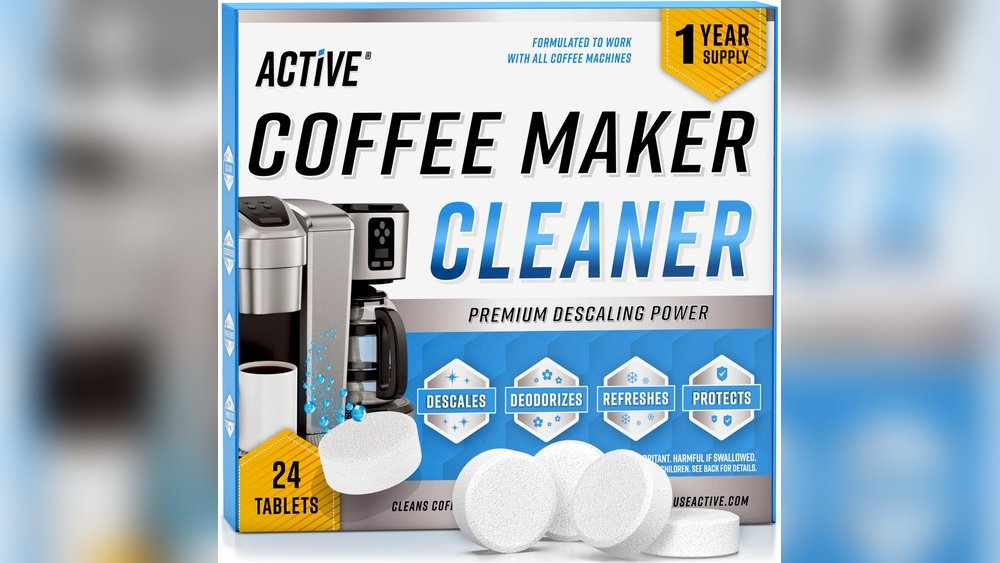
- Descaling solution – Specially made, usually sold by coffee machine brands.
- Clean water – For rinsing out the machine after descaling.
- A soft cloth or sponge – To wipe down surfaces.
- Measuring cup – For accurate mixing.
Avoid using strong acids like bleach or industrial cleaners, as they can damage your machine and leave harmful residues.
Step-by-step Guide: How To Descale Your Coffee Machine
Descaling is easy, but there are small differences depending on what type of coffee maker you own. Most home machines fall into one of these categories: drip coffee makers, single-serve pod machines (like Keurig or Nespresso), and espresso machines. Below, you’ll find detailed steps for each type.
For Drip Coffee Makers
- Empty and Clean: Remove any old coffee grounds or filters. Give the carafe and basket a quick wash.
- Mix Solution: Combine equal parts white vinegar and water (for example, 2 cups each).
- Fill the Reservoir: Pour the mixture into your water tank.
- Start a Brew Cycle: Run the machine as if making coffee, but without any coffee grounds.
- Pause Mid-Cycle: Halfway through, turn off the machine and let the solution sit for 30 minutes. This gives the acid time to break down minerals.
- Finish Brewing: Turn the machine back on to complete the cycle.
- Rinse: Empty the carafe, fill the reservoir with fresh water, and run two full brew cycles to rinse out any remaining vinegar taste.
- Wipe Down: Use a soft cloth to clean the exterior and removable parts.
For Single-serve Pod Machines (keurig, Nespresso)
- Remove Pods: Take out any used pod and the pod holder if possible.
- Mix Solution: Use either a commercial descaler (follow package instructions) or a mix of 1 part white vinegar to 2 parts water.
- Fill the Reservoir: Pour the solution in.
- Run Brew Cycles: Without a pod, run the largest cup setting. Repeat until the reservoir is empty.
- Let It Sit: Wait 30 minutes with the machine off.
- Rinse: Fill with clean water and run several cycles until the vinegar smell is gone.
- Clean Removable Parts: Wash the drip tray, pod holder, and reservoir with soapy water.
For Espresso Machines
- Remove Coffee Grounds: Clean out the portafilter and group head.
- Mix Solution: Use 1 tablespoon of citric acid dissolved in 1 liter of water (or follow descaler instructions).
- Add Solution: Pour into the water tank.
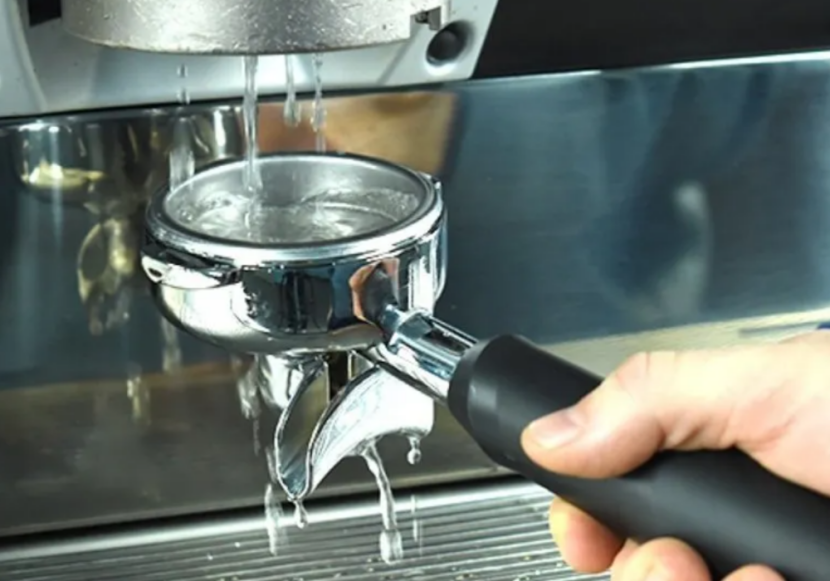
- Run Brew Cycle: Turn on the machine and run the solution through as if pulling a shot. For machines with a steam wand, run some solution through the wand too.
- Wait: Let the solution sit inside the system for 20–30 minutes.
- Flush: Run clean water through the machine 2–3 times to rinse.
- Wipe Surfaces: Clean all removable parts by hand.
:max_bytes(150000):strip_icc()/6-coffee-maker-components-washed-separately-045ca3f7a9b14ec29aa07f32b3c9555f.jpg)
Credit: www.foodandwine.com
How Often Should You Descale?
The right frequency depends on your water and machine use. A simple guide:
| Usage | Water Hardness | Recommended Descale Frequency |
|---|---|---|
| Daily | Hard | Every month |
| Daily | Soft | Every 2–3 months |
| Occasional | Hard | Every 2–3 months |
| Occasional | Soft | Every 4–6 months |
If you use filtered or bottled water, you may be able to descale less often. However, always follow the manufacturer’s instructions for your specific machine.
Choosing The Best Descaling Solution
You might wonder whether vinegar, citric acid, or commercial descalers are best. Each has pros and cons:
- White vinegar is cheap and works well but leaves a strong smell that takes several rinses to remove. Some machines (especially Nespresso) advise against it due to possible damage to rubber parts.
- Citric acid is gentle, food-safe, and has no strong odor, but can take a bit longer to dissolve heavy scale.
- Commercial descalers are designed specifically for coffee machines, usually based on lactic or citric acid. They may cost more but are safe and effective for all parts.
Here’s a quick comparison:
| Descaler Type | Effectiveness | Odor | Cost | Safety |
|---|---|---|---|---|
| White Vinegar | High | Strong | Low | Some rubber parts risk |
| Citric Acid | Medium | None | Low | Very safe |
| Commercial | Very high | None | Medium to high | Safest for all machines |
A non-obvious tip: If you live in a hard water area, investing in a commercial descaler can save you money on repairs in the long term.
Common Mistakes To Avoid When Descaling
Many people make simple mistakes that reduce the effectiveness of descaling. Here are the ones to watch out for:
- Not rinsing enough: Always run at least two full tanks of clean water after descaling. Leftover acid or vinegar can ruin your next cup.
- Using the wrong solution: Check your machine’s manual. Some brands, like Keurig, do not recommend vinegar.
- Descaling too rarely: Waiting until the machine stops working can cause permanent damage.
- Forgetting the removable parts: Mineral deposits also build up in carafes, trays, and wands.
- Skipping the waiting step: Allowing the solution to sit inside the system is what dissolves the scale.
One more tip: If you see white flakes in your coffee after descaling, that’s a sign you haven’t rinsed thoroughly enough.
How To Prevent Limescale In The Future
While descaling is important, you can slow limescale buildup with a few smart habits:
- Use filtered or bottled water if your tap water is hard.
- Empty the water reservoir daily to prevent stagnant water.
- Wipe down removable parts after each use.
- Consider installing a water softener if you live in an area with very hard water.
- For espresso machines, flush water through the group head after every shot.
Taking these steps can double the lifespan of your coffee machine and keep your coffee tasting bright and fresh.
When To Call A Professional
If you’ve tried descaling and your machine still isn’t working right—maybe water isn’t flowing, or there are strange noises—it could mean there’s a deeper blockage or damage. In that case, contact the manufacturer or a certified technician. Never try to open the machine yourself unless you have experience, as you could void your warranty or cause more problems.
Frequently Asked Questions
How Do I Know If My Coffee Machine Needs Descaling?
You might notice your coffee tastes different, the brewing takes longer, or you see a white, chalky build-up inside the reservoir or spout. Most new machines also have a descale warning light or message. If you see any of these signs, it’s time to descale.
Can I Use Lemon Juice Instead Of Vinegar Or Citric Acid?
Lemon juice contains citric acid and can work in a pinch, but it’s not as concentrated or reliable as pure citric acid powder. Lemon juice may also leave a sticky residue and a strong smell. If you use it, rinse the machine very thoroughly afterward.
Is It Safe To Use Vinegar For All Coffee Machines?
No, not for every machine. Some brands, like Nespresso, warn against vinegar because it can damage rubber seals and tubes. Always check your machine’s manual before using vinegar. If in doubt, use a commercial descaler or citric acid.
What Happens If I Never Descale My Coffee Maker?
Limescale will keep building up, making your machine slower and less efficient. Over time, this can lead to machine failure, bad-tasting coffee, and even leaks. Regular descaling is much cheaper than buying a new coffee maker.
Where Can I Find More Information On Water Hardness And Coffee Machines?
You can learn more about water hardness and its effect on appliances from the Wikipedia page on hard water. Many coffee machine brands also provide water hardness test strips and advice.
Taking care of your coffee machine doesn’t have to be complicated. With simple, regular descaling, you’ll enjoy better coffee and a longer-lasting machine. If you make this part of your routine, you’ll soon notice the difference in every cup.

Credit: www.amazon.com
For more helpful guides, check out tiny kitchen appliance placement tips, how to organize baking supplies in kitchen, and saving money on small home appliances.
- Empty and Rinse
Remove any remaining coffee grounds, empty the water reservoir, and rinse the removable parts with clean water.
- Prepare the Descaling Solution
Mix equal parts white vinegar and water, or use a commercial descaling solution following the packet instructions.
- Fill the Water Reservoir
Pour the descaling solution into the water reservoir up to the maximum fill line.
- Run a Brew Cycle
Start a brew cycle without coffee, letting the solution run through the machine into a container. Pause halfway for 30 minutes.
- Complete the Cycle
Resume and let the rest of the solution run through completely to dissolve all mineral deposits inside.
- Rinse with Fresh Water
Run 2-3 full cycles with clean fresh water to remove all traces of the descaling solution before making coffee again.