
Washing your bed sheets is a regular task, but sometimes, a simple wash is not enough. Over time, sweat, body oils, dust mites, and skin cells build up on your bedding. This can lead to odors, skin irritation, and even allergies if not handled properly. Deep cleaning your bed sheets at home, using your washing machine, is a smart way to keep your sleeping environment healthy and fresh. Many people think deep cleaning is complicated or requires special machines, but with the right steps, you can do it easily in your own home.
This guide explains, step by step, how to deep clean your bed sheets in a washing machine. You will learn what makes deep cleaning different from normal washing, what products and techniques to use, and how to avoid common mistakes.
By the end, you’ll feel confident your sheets are truly clean, soft, and safe for your family.
Why Deep Cleaning Bed Sheets Matters
Regular washing removes visible dirt, but deep cleaning goes further. Bed sheets collect sweat, dead skin, body oils, dust mites, and even bacteria. Studies show that the average person sheds about 1.5 grams of skin each night—enough to feed over a million dust mites. If you have allergies, sensitive skin, or pets, these problems can get worse.
Deep cleaning removes things that normal washing leaves behind. It also helps keep your sheets soft, bright, and lasting longer. If you wake up sneezing or with itchy skin, your sheets may need a deeper clean than usual.
Understanding The Difference: Normal Wash Vs. Deep Clean
Many people wonder if a regular wash is enough. Here’s a simple comparison:
| Normal Wash | Deep Clean |
|---|---|
| Removes surface dirt and some sweat | Removes deep stains, oils, dust mites, bacteria |
| Uses regular detergent | Uses extra cleaners (baking soda, vinegar, boosters) |
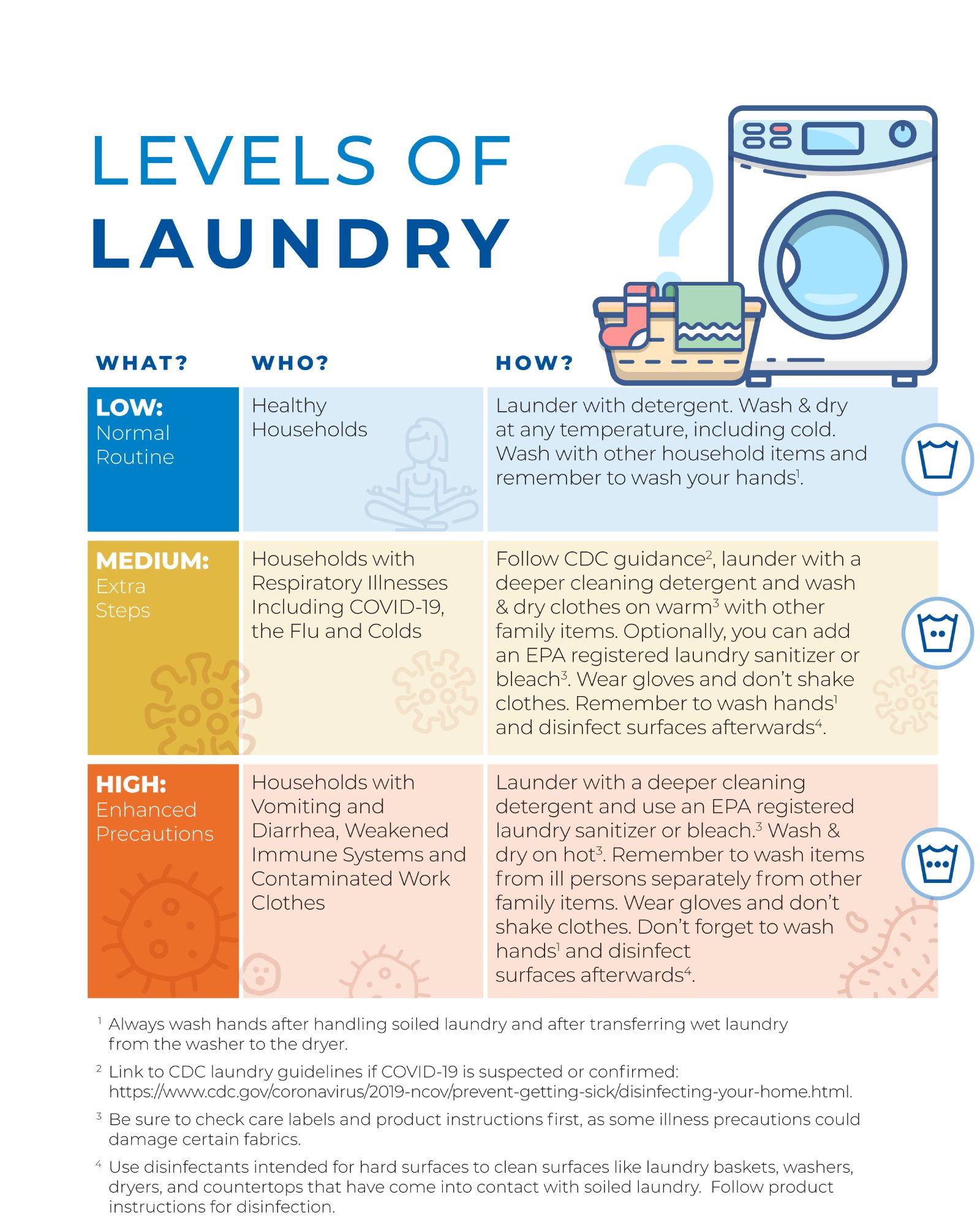
| Water temperature: cold or warm | Water temperature: hot (when safe for fabric) |
| Quick cycle (30-40 min) | Longer, heavy-duty cycle (60-90 min) |
Deep cleaning is especially important if you have been sick, have allergies, or haven’t washed your sheets for more than two weeks.
Credit: www.lowersappliance.com
What You Need For Deep Cleaning Bed Sheets
Before starting, gather the right products and tools. These make a big difference in results.
- Mild laundry detergent (liquid or powder)
- Baking soda (removes odors and softens)
- White vinegar (removes buildup, brightens, natural disinfectant)
- Oxygen bleach (like OxiClean, safe for colors)
- Hot water (if sheets allow—check label)
- Stain remover spray (for spots)
- Washing machine (front or top load)
- Dryer or clothesline
For best results, avoid strong chlorine bleach unless your sheets are pure white and the label allows it.
Step-by-step: How To Deep Clean Bed Sheets In A Washing Machine
Follow these steps to get truly clean, fresh sheets.
1. Read The Care Label
Before washing, always check the care label on your sheets. Some materials like silk or linen need gentle cycles and cool water. Cotton and polyester can usually handle hot water.
2. Pre-treat Stains
Look for yellow spots, body oil marks, or makeup stains. Spray these areas with a good stain remover and let it soak in for 10-15 minutes. For tough stains, rub a little baking soda paste (mix with water) into the area.
3. Load Sheets Properly
Do not overload your washing machine. Wash sheets separately from towels or clothes. Overloading leads to poor cleaning and may damage fabric.
Tip: For king or queen sets, wash only one set at a time.
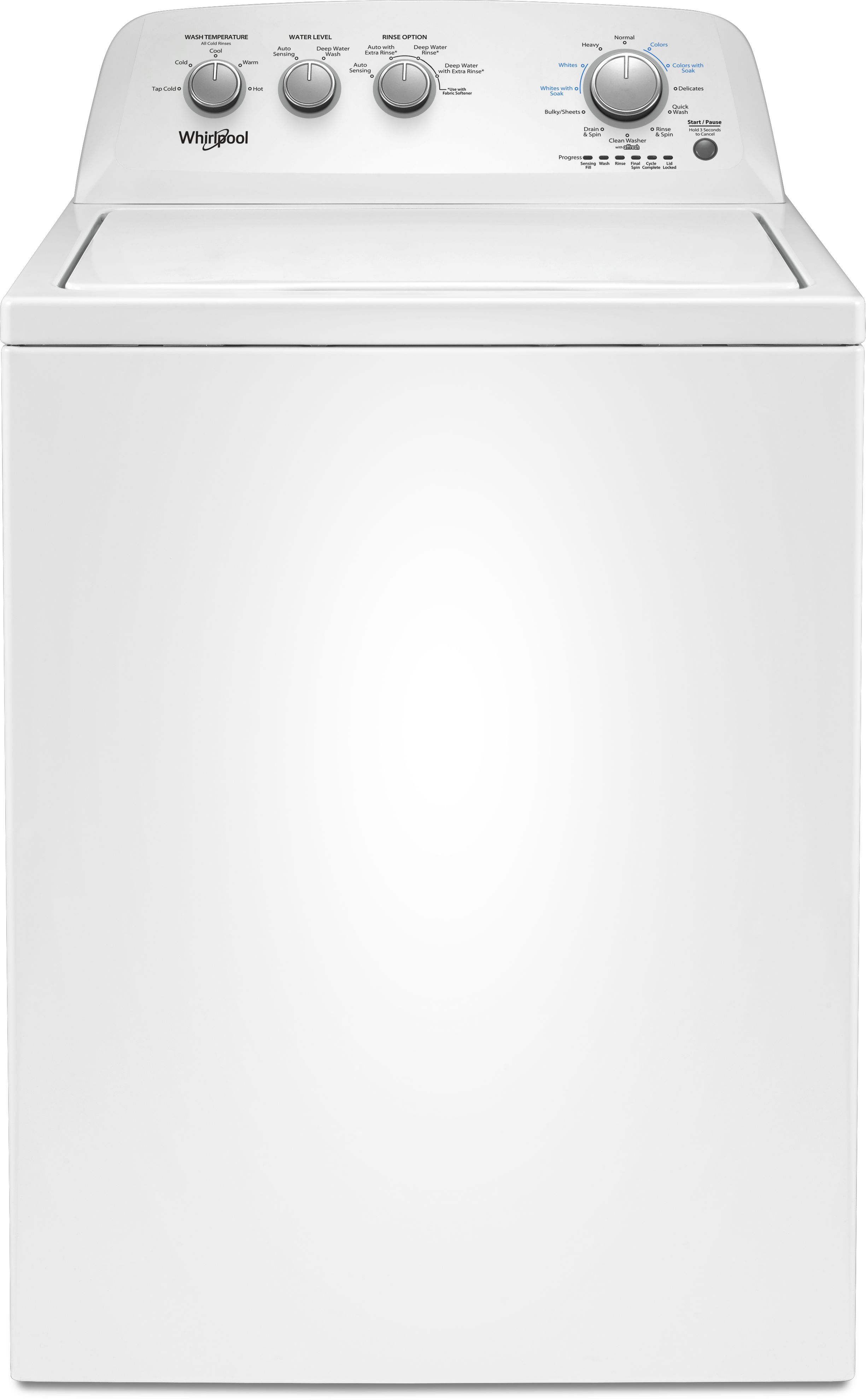
4. Choose The Right Cycle And Temperature
Set your washer to the hottest water safe for your fabric. Hot water kills dust mites and bacteria. Use the heavy-duty or sanitize cycle if your machine has it.
If your sheets are delicate, choose a gentler cycle and warm water.
5. Add Detergent And Boosters
Use your regular detergent, but add:
- 1/2 cup baking soda directly into the drum (not the dispenser)
- 1/4 cup oxygen bleach (if needed, for extra whitening and stain removal)
Avoid too much detergent. Too many suds leave residue, making sheets feel stiff.
6. Wash First Cycle
Start the washer. Baking soda helps remove odors and break down oils. Oxygen bleach boosts cleaning without fading colors.
7. Add Vinegar For The Rinse
Halfway through or during the rinse cycle, add 1/2 cup white vinegar to the fabric softener compartment. Vinegar removes leftover detergent and softens fabric naturally.
Non-obvious tip: Vinegar also breaks down minerals from hard water, which can make sheets rough and grey.
8. Second Rinse (optional But Recommended)
If your sheets often feel stiff or cause itching, add an extra rinse cycle. This ensures all soap and cleaners are washed away, preventing skin irritation.
9. Dry Sheets Thoroughly
Shake out sheets before drying to reduce wrinkles. Use a high heat dryer setting if your sheets allow, or hang outside in the sun for natural disinfecting and freshness.
Tip: Sunlight helps whiten sheets and kills bacteria, but don’t dry colored sheets in direct sun for too long—they may fade.
10. Store Clean Sheets Properly
Fold sheets only when they are completely dry. Store in a cool, dry place. Avoid plastic bags; use cotton storage bags to let sheets breathe.
Credit: www.nytimes.com
Deep Cleaning For Different Sheet Types
Not all sheets are the same. Here’s how to adjust for different fabrics:
| Sheet Type | Best Wash Temp | Special Care |
|---|---|---|
| Cotton | Hot (if label allows) | Sturdy, handles deep cleaning well |
| Polyester/Microfiber | Warm | Avoid high heat drying, can pill easily |
| Linen | Cool or Warm | Gentle cycle, avoid high heat |
| Silk | Cold | Hand wash or delicate cycle only, no baking soda or vinegar |
Always check the label, especially for blends or luxury sheets.
Common Mistakes When Deep Cleaning Bed Sheets
Many people make small errors that reduce cleaning results or damage sheets. Watch out for these:
- Using too much detergent: Extra soap does not mean cleaner sheets. It can leave residue, making sheets stiff or irritating to skin.
- Skipping pre-treatment: Stains get set in if not treated before washing.
- Ignoring care labels: Hot water or bleach can ruin silk, linen, or dark colors.
- Overloading the washer: Sheets need space to move for full cleaning.
- Not rinsing enough: Detergent left behind can cause rashes or dull colors.
- Drying on high heat always: Some fabrics shrink or weaken with high heat. Check label first.
- Storing sheets damp: Even a little moisture can lead to mildew and musty smells.
How Often Should You Deep Clean Your Bed Sheets?
Most experts recommend deep cleaning bed sheets every 2-4 weeks. If you sweat a lot, have allergies, or have been sick, do it more often (every 1-2 weeks). For guest beds or rarely used beds, deep clean before and after guests stay.
A quick summary:
| Situation | Deep Clean Frequency |
|---|---|
| Normal Use | Every 2-4 weeks |
| Allergies/Skin Issues | Every 1-2 weeks |
| After Illness | Immediately after recovery |
| Guest Beds | Before and after guests |
Practical Tips For Fresher, Softer Sheets
- Use dryer balls or clean tennis balls in the dryer to fluff sheets and reduce wrinkles.
- Avoid strong fabric softeners—they leave residue and reduce absorbency.
- Try a lavender sachet in your storage area for a gentle, natural scent.
- Don’t wait for stains to set—treat right away for best results.
- Rotate sheet sets to reduce wear and keep all your bedding fresh.
Non-obvious insight: Hard water can make sheets rough and grey. If you notice this, use a water softener or add vinegar regularly to your rinse cycle.
When To Replace Bed Sheets
Even with deep cleaning, all sheets wear out. Watch for these signs:
- Thin or see-through spots
- Permanent stains
- Fabric feels rough or scratchy
- Elastic in fitted sheets is loose
For most people, high-quality sheets last about 2-3 years with regular use and proper care.
Safety And Eco-friendly Considerations
Many people worry about using too many chemicals. Baking soda and vinegar are safe for most homes and people with sensitive skin. They’re also better for the environment than harsh bleaches and strong softeners. Always run an extra rinse if you’re worried about residues, especially for babies or sensitive skin.
For more details on laundry safety and eco-friendly tips, visit the EPA Safer Choice page.
Credit: www.cleaninginstitute.org
Frequently Asked Questions
How Do I Know If My Sheets Are Really Clean After Deep Washing?
Freshly deep-cleaned sheets should smell neutral—not like perfume or must. They should feel soft, not stiff or sticky. If you still notice odors or yellowing, repeat the process with baking soda and vinegar.
Can I Deep Clean Colored Sheets Without Fading?
Yes. Use oxygen bleach instead of chlorine bleach, and always wash in warm (not hot) water for colors. Avoid direct sunlight drying for colored sheets.
Is It Safe To Mix Baking Soda And Vinegar In The Same Wash?
Do not mix them at the same time—they can cancel each other out. Add baking soda with detergent at the start, and vinegar in the rinse cycle.
Can I Deep Clean Sheets With Essential Oils?
You can add a few drops of lavender or eucalyptus oil to the rinse cycle, but do not overdo it. Too much oil can stain sheets or leave residue.
What If I Don’t Have A Dryer?
Air drying works well. Shake sheets before hanging to reduce wrinkles. Dry outside in sunlight for natural freshness, but avoid long sun exposure for colored sheets.
A clean bed is a happy, healthy place to sleep. Deep cleaning your sheets at home in your washing machine is simple once you know how. With these steps and tips, you can sleep easy, knowing your sheets are truly fresh and safe.
For more helpful guides, check out how often to wash bedsheets and pillowcases, how to keep white bedsheets bright, and how to remove lint from bedsheets.
- Check the Care Label
Before washing, check the care label on your sheets for the maximum recommended temperature and any special instructions.
- Pre-Treat Stains
Apply a stain remover or a paste of baking soda and water to any stains. Let it sit for 15 minutes before washing.
- Wash at the Right Temperature
Wash cotton sheets at 60°C (140°F) to kill bacteria and dust mites. Wash delicate fabrics at 40°C following their care instructions.
- Add White Vinegar to the Rinse
Add half a cup of white vinegar to the rinse cycle to break down detergent residue and naturally soften the sheets.
- Wash Alone
Wash sheets separately from other laundry to allow them to move freely in the drum, ensuring a thorough clean and even rinse.
- Dry Thoroughly
Dry sheets completely before storing. Damp sheets develop mildew quickly. Tumble dry on medium heat or line dry in direct sunlight.