
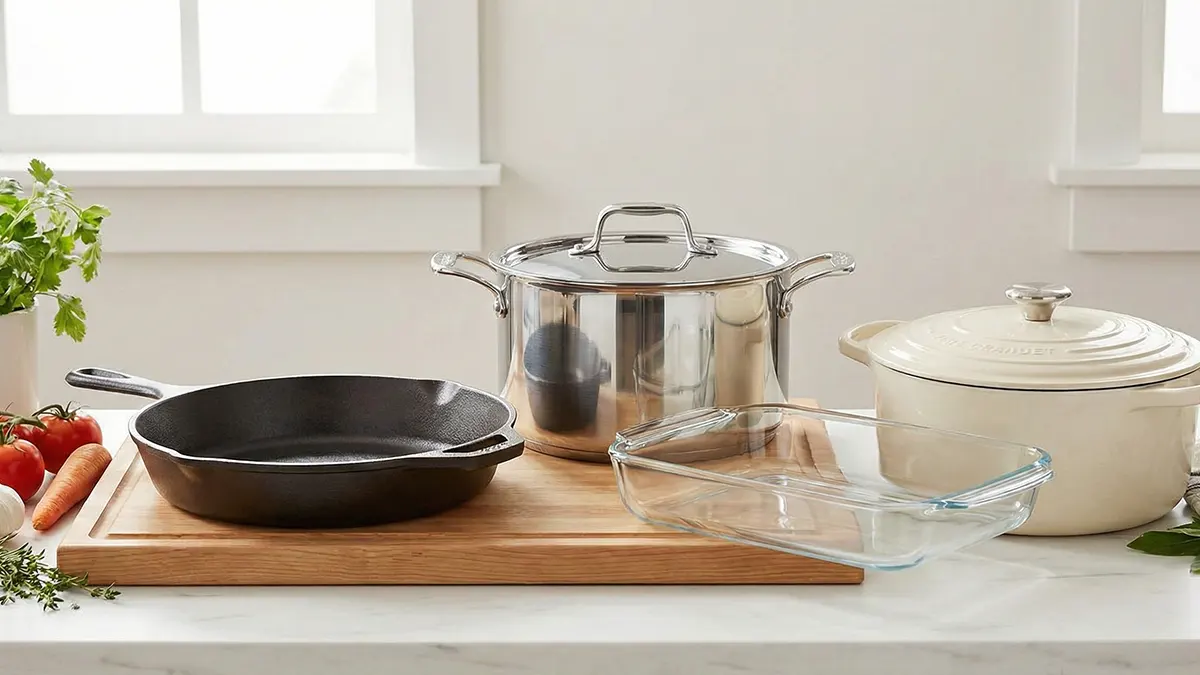
Choosing safe non toxic cookware involves prioritizing materials that do not leach harmful chemicals into food, such as cast iron, stainless steel, glass, and pure ceramic. It is essential to avoid cookware containing PFOA, PTFE, lead, and cadmium, and to understand the specific properties and care requirements of each material to maintain a healthy cooking environment.
- Prioritize materials like cast iron, stainless steel, glass, and pure ceramic.
- Avoid cookware with PFOA, PTFE, lead, and cadmium.
- Research reputable brands and certifications.
- Understand proper care for each non-toxic material.
- Consider your cooking style and frequency when selecting.
- Gradually transition your kitchen to healthier options.
Understanding the Risks of Conventional Cookware Materials
For decades, many kitchens relied on cookware that, while convenient, carried potential health concerns. Traditional non-stick coatings, for instance, often contained per- and polyfluoroalkyl substances (PFAS), including PFOA and PTFE. When these coatings are overheated or scratched, they can release fumes and particles that may be harmful.
Beyond non-stick, other materials like untreated aluminum can react with acidic foods, potentially leaching into meals. Some older or lower-quality ceramic glazes and enamel coatings have also been found to contain lead or cadmium, heavy metals known to be toxic even in small amounts. Understanding these risks is the first step toward making informed choices for a healthier cooking space.
What Makes Cookware “Non-Toxic”?
The term “non-toxic” in cookware generally refers to materials that do not release harmful chemicals, heavy metals, or synthetic compounds into food during cooking, even under high heat or when scratched. This means the cookware is free from substances like PFOA, PTFE, lead, cadmium, and other potentially endocrine-disrupting chemicals.
Truly non-toxic cookware is made from inert materials that are stable and do not react with food. It also implies that the manufacturing process itself avoids the use of hazardous chemicals that could contaminate the final product. The goal is to ensure that the only ingredients in your meal are the ones you intentionally add.
How to Choose Safe Non Toxic Cookware: Key Considerations
Selecting the right non-toxic cookware requires careful thought beyond just the material. Several factors play a crucial role in ensuring your choices are both safe and practical for your culinary needs.
Material Composition and Purity
Always investigate the exact composition of the cookware. For example, stainless steel should be food-grade (e.g., 18/8 or 18/10), indicating its chromium and nickel content. For ceramic, distinguish between pure ceramic and ceramic-coated options, as their properties and safety profiles differ significantly.
Absence of Harmful Coatings and Chemicals
Look for explicit declarations that the cookware is free from PFOA, PTFE, lead, cadmium, and other PFAS chemicals. Many manufacturers now proudly label their products as “PFOA-free” or “PTFE-free.” Be wary of vague terms and always seek clear certifications or detailed product information.
Durability and Longevity
A safe non-toxic pan that quickly degrades or scratches will need frequent replacement, potentially exposing you to underlying materials or simply being unsustainable. Invest in durable options that can withstand regular use and proper care, ensuring their non-toxic properties last for years.
Heat Conductivity and Retention
Consider how the material distributes and retains heat. Cast iron excels at heat retention, while stainless steel offers even heating. Your cooking style—whether you frequently sear, simmer, or bake—will influence which material properties are most beneficial.
Ease of Cleaning and Maintenance
Some non-toxic materials, like seasoned cast iron, require specific care routines. Others, like glass or stainless steel, are generally easier to clean. Factor in the time and effort you are willing to dedicate to maintenance when making your selection.
Brand Reputation and Certifications
Choose reputable brands known for transparency and quality. Look for third-party certifications or independent testing results that validate the cookware’s safety claims. A brand’s commitment to health and environmental standards can be a strong indicator of product reliability.
Exploring Safe Non-Toxic Cookware Materials
A variety of materials offer excellent non-toxic cooking solutions, each with unique advantages and considerations.
Cast Iron: Durable and Naturally Non-Stick
Cast iron cookware is a time-tested favorite, prized for its exceptional heat retention and even cooking. When properly seasoned, it develops a natural, chemical-free non-stick surface that improves with use. It is highly durable and can last for generations, making it a sustainable choice.
- Pros: Excellent heat retention, natural non-stick with seasoning, very durable, can go from stovetop to oven.
- Cons: Requires regular seasoning and specific cleaning, heavy, can rust if not cared for properly.
Stainless Steel: Versatile and Long-Lasting
Food-grade stainless steel (typically 18/8 or 18/10, referring to chromium and nickel content) is a popular choice due to its versatility, durability, and non-reactive nature. It does not leach chemicals into food and is suitable for a wide range of cooking tasks. Many high-quality stainless steel pans feature an aluminum or copper core for improved heat distribution.
- Pros: Non-reactive, durable, easy to clean, versatile for various cooking methods, widely available.
- Cons: Not naturally non-stick (requires oil/fat), can sometimes develop hot spots if not multi-ply.
Ceramic Cookware: Glazed and Pure Options
The term “ceramic cookware” can refer to two distinct types: ceramic-coated metal cookware and pure ceramic cookware.
Ceramic-Coated Cookware
This type features a metal core (often aluminum) coated with a ceramic-based non-stick layer. Modern ceramic coatings are generally free of PFOA and PTFE, offering a good non-stick surface. However, the durability of the coating can vary, and it may degrade over time with improper use or scratching.
- Pros: Good non-stick properties, often lightweight, typically PFOA/PTFE-free.
- Cons: Coating can wear down or scratch, not as durable as pure ceramic or cast iron.
Pure Ceramic Cookware
Made entirely from natural, inert clay and minerals, pure ceramic cookware is fired at high temperatures to create a non-porous, non-reactive surface. It is completely free of metals, chemicals, and synthetic coatings, making it one of the safest options available. It excels at slow cooking and retains heat well.
- Pros: Completely inert and non-reactive, excellent for slow cooking, retains heat well, very safe.
- Cons: Can be brittle and prone to chipping/breaking, often heavier, not always non-stick.
Glass Cookware: Inert and Transparent
Glass cookware, typically made from borosilicate glass, is completely non-reactive and inert. It does not leach any chemicals into food, making it an exceptionally safe choice, especially for baking and storage. Its transparency allows you to monitor cooking progress easily.
- Pros: Completely non-reactive, transparent, easy to clean, safe for oven, microwave, and dishwasher.
- Cons: Not suitable for stovetop cooking (unless specifically designed), can break if dropped or exposed to extreme temperature changes.
Carbon Steel: A Chef’s Favorite
Carbon steel shares many characteristics with cast iron but is lighter and heats up more quickly. It’s made from an alloy of iron and carbon, and like cast iron, it develops a natural non-stick patina with proper seasoning and use. It’s a favorite among professional chefs for its responsiveness and durability.
- Pros: Excellent heat control, develops natural non-stick, lighter than cast iron, very durable.
- Cons: Requires seasoning and specific care, can rust if not maintained, not ideal for highly acidic foods initially.
Enamel Cookware: Combining Benefits
Enamel cookware typically consists of a cast iron or steel core coated with a layer of porcelain enamel. This enamel coating creates a smooth, non-reactive surface that is easy to clean and does not require seasoning. High-quality enamel is durable and resistant to chipping, offering the benefits of cast iron’s heat retention without the maintenance demands.
- Pros: Non-reactive, easy to clean, good heat retention (with cast iron core), attractive colors.
- Cons: Can chip if dropped or struck hard, not naturally non-stick (requires oil/fat), can be heavy.
Cookware Materials to Approach with Caution
While some materials are generally safe, others require careful consideration or are best avoided for everyday cooking.
Traditional Non-Stick (PTFE/Teflon): Understanding the Concerns
Traditional non-stick coatings, often made with PTFE (polytetrafluoroethylene), gained popularity for their convenience. However, when overheated (above approximately 500°F/260°C), these coatings can release fumes that may cause flu-like symptoms. Older non-stick pans also often contained PFOA (perfluorooctanoic acid) during manufacturing, a chemical linked to various health issues, though PFOA has largely been phased out of production.
While modern PTFE coatings are PFOA-free, their long-term durability and potential for microplastic release as they degrade remain points of concern for some consumers. If using, ensure proper ventilation and avoid high heat.
Aluminum: Raw vs. Anodized
Raw aluminum is lightweight and an excellent heat conductor, but it is highly reactive with acidic foods, potentially leaching aluminum into meals. This is why raw aluminum is generally not recommended for cooking, especially for acidic dishes like tomato sauces or citrus-based recipes.
Anodized aluminum, however, undergoes an electrochemical process that hardens the surface and makes it non-reactive. Hard-anodized aluminum cookware is much safer and more durable than raw aluminum, offering good heat distribution without the leaching concerns. It’s a common core material for ceramic-coated pans.
Copper: When is it Safe?
Copper cookware is renowned for its exceptional heat conductivity and precise temperature control, making it a favorite among professional chefs. However, raw copper is reactive and can leach into food, especially acidic ingredients, potentially causing toxicity. For this reason, most copper cookware designed for cooking is lined with a non-reactive metal, such as tin or stainless steel.
When choosing copper, always ensure it has a durable, intact lining. Unlined copper is generally reserved for decorative purposes or for specific culinary tasks like beating egg whites, where reactivity is desired and food contact is minimal.
Tips for Maintaining Your Non-Toxic Cookware
Proper care extends the life of your non-toxic cookware and preserves its safety features.
- Follow Manufacturer Instructions: Always adhere to the specific care guidelines provided by the cookware manufacturer.
- Avoid Metal Utensils: For coated surfaces (ceramic-coated, enamel), use wooden, silicone, or plastic utensils to prevent scratching.
- Hand Wash When Possible: While some items are dishwasher safe, hand washing often prolongs the life and finish of non-toxic cookware.
- Gentle Cleaning: Use mild soap and soft sponges or brushes. Avoid abrasive cleaners or steel wool, especially on seasoned or coated surfaces.
- Proper Storage: Store pans carefully to prevent scratching. Consider pan protectors or hanging them.
- Season Cast Iron/Carbon Steel: Regularly season these materials to maintain their non-stick properties and prevent rust.
- Avoid Extreme Temperature Changes: Do not plunge hot pans into cold water, as this can warp metal or crack glass/ceramic.
Debunking Common Myths About Cookware Safety
Misinformation often circulates regarding cookware safety. Here are a few common myths clarified:
- Myth: All non-stick pans are toxic. While traditional PTFE coatings had concerns, modern ceramic-coated and PFOA-free PTFE pans are generally considered safer when used correctly and not overheated. The key is understanding the specific coating and its limitations.
- Myth: Stainless steel leaches nickel and is unsafe. Food-grade stainless steel (18/8 or 18/10) is highly stable. While it contains nickel, the amount that could potentially leach is negligible and generally considered safe for most individuals. Those with severe nickel allergies might consider pure ceramic or glass.
- Myth: Cast iron is difficult to maintain. While cast iron requires seasoning, it’s a straightforward process that becomes easier with practice. Once seasoned, it’s incredibly durable and low-maintenance, often just needing a quick rinse and dry.
- Myth: Non-toxic cookware is always expensive. While some premium non-toxic options can be a significant investment, many safe materials like cast iron, stainless steel, and glass are available at various accessible points, making a healthier kitchen achievable for different budgets.
Making the Switch: A Step-by-Step Guide to a Healthier Kitchen
Transitioning to non-toxic cookware doesn’t have to happen overnight. A gradual approach can make the process manageable and effective.
- Assess Your Current Cookware: Identify which pans are old, scratched, or made from materials you wish to replace first.
- Prioritize Replacements: Start with items you use most frequently, especially those for high-heat cooking or acidic foods.
- Research Materials: Educate yourself on the pros and cons of different non-toxic options that fit your cooking style.
- Invest in Key Pieces: Begin by acquiring one or two essential non-toxic pieces, such as a cast iron skillet or a stainless steel saucepan.
- Gradually Expand: As your budget and needs allow, slowly replace other items, perhaps adding a pure ceramic baking dish or a carbon steel wok.
- Learn Proper Care: Familiarize yourself with the specific maintenance requirements for each new material to ensure its longevity and safety.
- Dispose Responsibly: Check local recycling guidelines for your old cookware.
Frequently Asked Questions
What is the safest non toxic cookware material for everyday use?
For everyday use, stainless steel (18/8 or 18/10 grade) and properly seasoned cast iron are excellent choices due to their durability, versatility, and non-reactive properties. Pure ceramic and glass are also exceptionally safe, especially for baking and slow cooking, as they are completely inert.
How can I identify truly non toxic cookware when shopping?
Look for explicit labels stating “PFOA-free,” “PTFE-free,” “lead-free,” and “cadmium-free.” Research reputable brands known for transparency and quality. Check for third-party certifications or detailed product descriptions that confirm the material composition and absence of harmful chemicals.
Is ceramic cookware always non toxic, or are there exceptions?
Not all ceramic cookware is equally non-toxic. Pure ceramic cookware, made entirely from natural clay, is generally considered very safe. However, ceramic-coated cookware, which has a metal core with a ceramic-based non-stick layer, can vary in durability and composition, so it’s important to ensure it’s free of PFOA and PTFE.
What specific chemicals should I avoid when choosing safe non toxic cookware?
When selecting safe non toxic cookware, you should primarily avoid PFOA (perfluorooctanoic acid), PTFE (polytetrafluoroethylene), lead, and cadmium. These chemicals have been linked to various health concerns and are often found in older or lower-quality conventional cookware coatings and glazes.
Does non toxic cookware require special care or maintenance?
Some non-toxic cookware materials, like cast iron and carbon steel, require specific seasoning and maintenance routines to preserve their non-stick properties and prevent rust. Others, such as stainless steel and glass, are generally easier to clean and maintain, but all cookware benefits from following manufacturer care instructions.
Can I really replace all my old cookware with safe non toxic cookware without breaking the bank?
Yes, it is entirely possible to transition to safe non toxic cookware without a large initial outlay. Many excellent non-toxic options, such as cast iron and stainless steel, are available at various accessible points. You can gradually replace items, starting with your most frequently used pieces, to spread out any investments over time.
Conclusion
Choosing safe non toxic cookware is a vital step toward creating a healthier kitchen environment. By understanding the risks associated with conventional materials and prioritizing options like cast iron, stainless steel, pure ceramic, and glass, you can make informed decisions that benefit your well-being. Remember to consider material composition, durability, and proper maintenance to ensure your cookware remains safe and effective for years to come. Start your transition today by assessing your current kitchen and making gradual, thoughtful replacements.
{“@context”:”https://schema.org”,”@type”:”Article”,”headline”:”How to Choose Safe Non Toxic Cookware: A Comprehensive Guide”,”mainEntityOfPage”:”https://homegeartoday.com/?p=84″,”datePublished”:”2025-12-10T03:09:04+00:00″,”dateModified”:”2025-12-10T03:09:04+00:00″}
Related: where to spend and where to save at home
- Avoid Traditional Non-Stick Coatings with PFAS
Older PTFE (Teflon) and PFOA-containing non-stick cookware can release harmful chemicals when overheated. Look for cookware explicitly labeled PFOA-free and PFAS-free.
- Consider Stainless Steel Cookware
High-quality 18/10 stainless steel is non-reactive, durable, and does not leach chemicals into food. It is one of the safest and most versatile options for everyday cooking.
- Explore Ceramic-Coated Options
Ceramic-coated cookware is free from PTFE and PFOA and offers a naturally slick surface. Ensure the ceramic coating is certified free of heavy metals like lead and cadmium.
- Use Cast Iron for High-Heat Cooking
Cast iron is naturally non-stick when seasoned and contains no synthetic coatings. It is extremely durable and actually adds small amounts of beneficial iron to food.
- Look for Third-Party Safety Certifications
Check for certifications from organizations like NSF International, California Prop 65 compliance, or EU food safety standards to verify that cookware meets safety benchmarks.
- Inspect for Chips, Scratches, or Peeling
Damaged cookware surfaces can leach materials into food. Regularly inspect your pots and pans and replace any cookware showing signs of flaking or surface deterioration.