
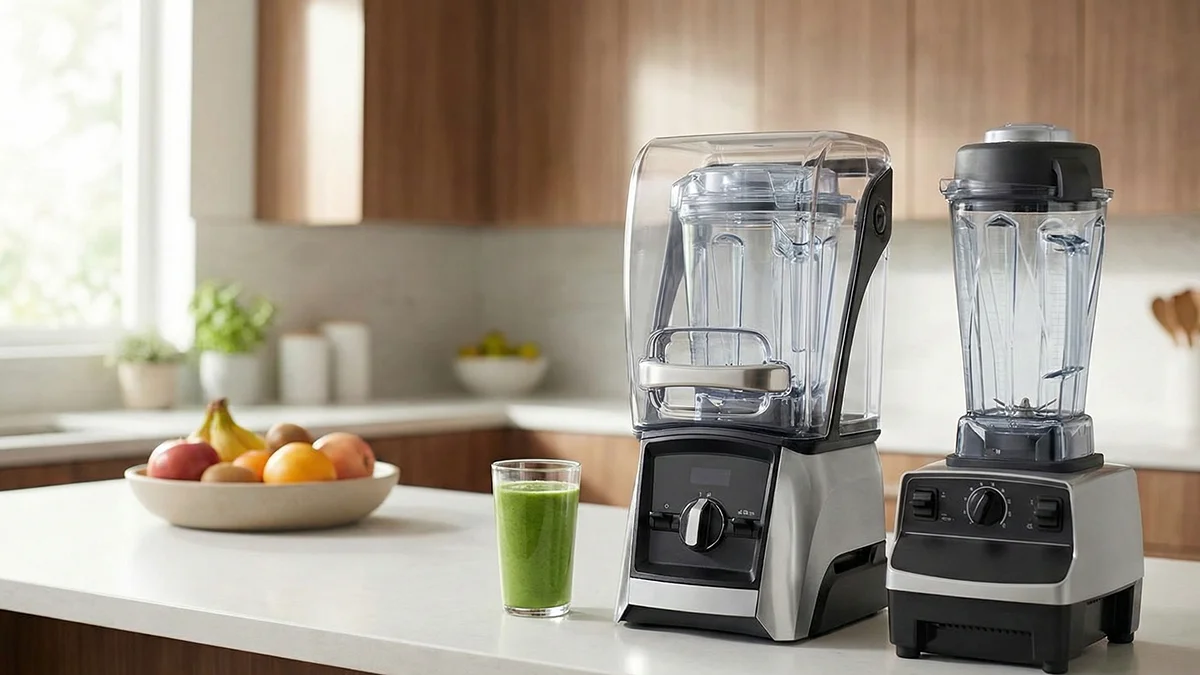
Choosing a quiet blender involves prioritizing models engineered with specific noise-reducing features. Look for blenders that incorporate sound enclosures, powerful DC motors, and stable bases, as these elements significantly contribute to a quieter operation. Additionally, consider blade design and jar materials that minimize cavitation and vibration, and always check decibel ratings and user reviews for real-world performance insights.
- Prioritize blenders with sound enclosures or shields.
- Opt for models featuring powerful DC motors over AC for quieter operation.
- Examine blade design and jar material to reduce noise from cavitation.
- Ensure a stable, heavy base to absorb vibrations.
- Utilize variable speed controls for precise and quieter blending.
- Consult decibel ratings and user reviews for noise performance.
The Quest for Quiet: Why Blender Noise Matters
Blenders are indispensable kitchen tools, but their notorious noise levels can disrupt a peaceful morning, wake sleeping family members, or make conversation impossible. The high-pitched whine or powerful roar of a conventional blender often deters people from using it as frequently as they might like. For many, the desire for a quieter kitchen experience is a significant factor in appliance selection, making the quest for a low-noise blender a priority.
Beyond mere convenience, excessive noise can contribute to stress and discomfort in the home environment. A quiet blender transforms the blending experience from a jarring chore into a more pleasant and integrated part of daily routines. It allows for early morning smoothies without disturbing others and late-night preparations without feeling like a major event.
Understanding Blender Acoustics: What Makes Them Loud?
To effectively choose a quiet blender, understanding the sources of its noise is essential. Blender noise primarily stems from several key components and their interactions. The motor, responsible for spinning the blades at high speeds, is a major contributor, especially with less efficient designs.
Another significant factor is the interaction between the blades and the ingredients, particularly the phenomenon of cavitation, where air bubbles collapse rapidly, creating sharp, popping sounds. Vibration, transmitted from the motor through the base and jar to the countertop, also amplifies the overall noise. The materials and construction of the blender’s housing and jar play a role in how well these sounds are contained or amplified.
Essential Features for a Quieter Blender Experience
When seeking a blender that operates with minimal noise, several design and engineering features stand out. These aren’t just add-ons; they are fundamental to how a blender manages and mitigates sound. Focusing on these specific attributes will guide consumers toward truly quieter options.
From specialized enclosures to advanced motor types and thoughtful material choices, each element contributes to a more serene blending process. Understanding these features empowers buyers to make informed decisions that align with their desire for a peaceful kitchen.
Sound Enclosures and Shields: The Ultimate Noise Barrier
One of the most effective ways manufacturers reduce blender noise is through the use of sound enclosures or shields. These are typically clear, acrylic or polycarbonate domes that fit over the blender jar, creating a physical barrier that traps and dampens sound waves. Professional-grade blenders often feature these, significantly reducing the decibel output during operation.
The design of these enclosures is crucial; they must fit snugly and be made of dense, sound-absorbing materials to be truly effective. While they add to the blender’s footprint, the reduction in noise is often substantial, making them a top consideration for those prioritizing quietness above all else.
Motor Technology: Power Without the Roar
The type and quality of a blender’s motor are central to its noise profile. Direct Current (DC) motors are generally quieter and more efficient than Alternating Current (AC) motors, especially at lower speeds. DC motors offer smoother operation and better torque control, which translates to less strain and, consequently, less noise.
Beyond the motor type, the quality of its internal components, such as bearings and insulation, also impacts sound levels. A well-engineered motor will operate more smoothly and quietly, even at high power settings, indicating superior craftsmanship and a commitment to noise reduction.
Blade Design and Jar Material: Minimizing Cavitation and Vibration
The blades and the jar material are not just about blending efficiency; they also play a critical role in noise reduction. Blades designed to create a vortex that pulls ingredients down efficiently can reduce cavitation, the noisy collapse of air bubbles. Sharper, more robust blades also process ingredients more quickly, shortening the overall blending time and thus the duration of noise.
The material of the blender jar also matters. Thicker, more durable jars made from high-quality, impact-resistant plastics or glass can absorb more vibration and sound than thinner, flimsier alternatives. A well-designed jar also ensures a secure fit with the base, preventing rattling and further reducing noise transmission.
Base Stability and Damping: Anchoring the Sound
A blender’s base is more than just a stand; it’s a critical component for noise management. A heavy, sturdy base made from dense materials like cast metal or high-quality, reinforced plastic helps to absorb vibrations generated by the motor. This prevents the vibrations from being transmitted to the countertop, where they can be amplified.
Some bases also incorporate rubber feet or internal damping materials specifically designed to further isolate the motor and jar from the surface. A stable base ensures the blender remains firmly in place during operation, preventing any wobbling or rattling that could add to the noise.
Variable Speed Control: Precision and Peace
Blenders with variable speed controls offer more than just versatility in blending textures; they also contribute to a quieter experience. The ability to precisely adjust the speed means you can often achieve desired results at lower RPMs, which inherently produces less noise than running at maximum power unnecessarily.
Gradual acceleration and deceleration also reduce sudden jolts and strains on the motor, leading to smoother, quieter operation. This feature allows users to tailor the blending intensity to the task at hand, avoiding the full-throttle roar when a gentle mix is all that’s required.
How to Choose a Quiet Blender: A Step-by-Step Guide
Selecting a blender that meets your quietness expectations requires a systematic approach. By following these steps, you can narrow down your options and make an informed decision that brings peace to your kitchen.
- Define Your Needs: Consider what you’ll primarily use the blender for (smoothies, soups, nut butters) and how often. This helps determine the necessary power and features.
- Research Sound-Dampening Features: Look specifically for blenders with sound enclosures, heavy bases, and high-quality motor insulation.
- Prioritize DC Motors: Seek out models that explicitly state they use DC motors, known for quieter and more efficient operation.
- Examine Jar and Blade Quality: Opt for thick, durable jars and robust, well-designed blades that minimize cavitation.
- Check Decibel Ratings: If available, compare decibel (dB) ratings. Blenders below 80 dB are generally considered quieter, with lower numbers being better.
- Read User Reviews: Pay close attention to reviews that specifically mention noise levels. Real-world user experiences are invaluable.
- Consider Size and Footprint: Sound-dampened blenders, especially those with enclosures, can be larger. Ensure you have adequate counter space.
- Evaluate Variable Speed Options: Confirm the blender offers precise variable speed control, not just a few preset buttons.
- Compare Brands and Models: Research reputable brands known for producing quieter appliances and compare their specific quiet blender models.
- Set a Realistic Expectation: Remember that no blender is completely silent, but significant noise reduction is achievable with the right choice.
Decibel Ratings Explained: What Numbers Mean for Your Ears
Decibel (dB) ratings provide a quantitative measure of sound intensity, offering a valuable tool when comparing blender noise levels. The decibel scale is logarithmic, meaning a small numerical difference represents a significant change in perceived loudness. For instance, a 10 dB increase is perceived as roughly twice as loud.
Most conventional blenders operate in the 90-100 dB range, which is comparable to a motorcycle or a jackhammer. A truly quiet blender aims for the 70-85 dB range, with some premium models achieving even lower. For context, normal conversation is around 60 dB, and a vacuum cleaner is typically 70-75 dB. Aiming for a blender in the lower 80s or even 70s dB range will provide a noticeably quieter experience.
Top Brands and Models Renowned for Low Noise
Several manufacturers have invested in technology to produce blenders with significantly reduced noise levels. Brands like Blendtec, Vitamix, and Omniblend offer models specifically designed with sound enclosures or advanced motor technology to minimize operational noise. These often fall into the professional or commercial-grade category, reflecting their robust construction and specialized features.
While specific model availability can vary, looking for lines that emphasize {“@context”:”https://schema.org”,”@type”:”Article”,”headline”:”How to Choose a Quiet Blender: Your Guide to Peaceful Blending”,”mainEntityOfPage”:”https://homegeartoday.com/?p=102″,”datePublished”:”2025-12-11T21:14:39+00:00″,”dateModified”:”2025-12-11T21:14:39+00:00″}
- Look for Blenders with Sound Enclosures
Blenders with built-in sound enclosures or acoustic shields significantly reduce operating noise. These models are ideal for open-plan kitchens or early morning use.
- Check the Motor Wattage
Higher-wattage motors (1000W+) process ingredients faster, reducing total blending time and therefore overall noise exposure even if the per-second noise level is similar.
- Compare Decibel Ratings
Look for manufacturer-stated decibel (dB) ratings. A quiet blender typically operates below 80 dB. Below 70 dB is considered very quiet for a countertop blender.
- Read User Reviews for Real-World Noise Feedback
Manufacturer claims can be optimistic. Check verified customer reviews specifically mentioning noise levels during various tasks like ice crushing or smoothie making.
- Consider Jar Material and Shape
Narrow-based jars create more turbulence and vibration than wider bases. Tritan plastic or thick glass jars dampen vibration better than thin plastic models.
- Test In-Store if Possible
If buying from a physical store, ask to run the blender with water. Nothing replaces hearing the actual noise level in person before making your purchase decision.
