
If you enjoy warm beds during cold nights, you probably know how comforting an electric blanket can be. But comfort should never come before safety. Many people use electric blankets for years without checking if they’re still safe. Others buy new ones and trust that the product is fine out of the box. In reality, electric blankets can develop problems over time or even come with defects. Fires, electric shocks, and burns are rare, but they do happen—often because of ignored warning signs or missed checks.
You do not need to be an electrician to check if your electric blanket is safe. With the right steps and a bit of attention, anyone can do it. This guide will help you understand what to look for, how to check, and when to stop using your blanket.
Taking a few minutes today could help you avoid serious risks and enjoy peace of mind.
Why Electric Blanket Safety Matters
Electric blankets use heating elements and electricity close to your body for hours at a time. When something goes wrong, the results can be serious. According to the National Fire Protection Association, heating equipment is one of the main causes of house fires in winter. While most electric blankets are safe if used properly, old or damaged ones can be dangerous.
Risks include:
- Fire hazard if wires overheat or spark
- Electric shock if wiring is exposed
- Burns if the blanket gets too hot or doesn’t turn off
Some groups are at higher risk, like older adults and children, because they may not feel heat or notice problems as quickly. People with medical conditions that affect the skin or nerves should be extra careful.
Signs Your Electric Blanket Might Not Be Safe
There are both obvious and hidden signs that your blanket could be unsafe. You should check for these before every season and after any accident, such as spills.
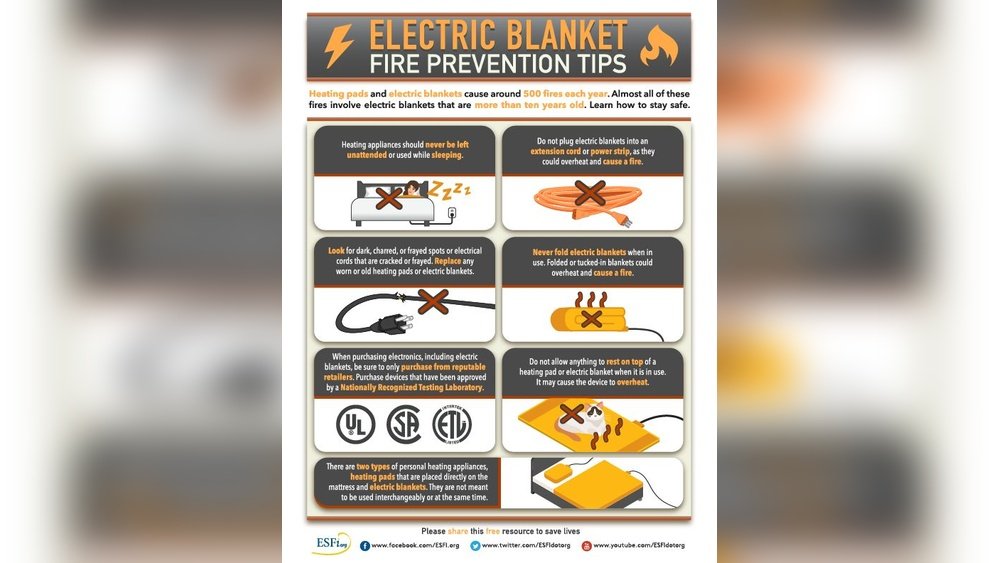
- Visible Damage: Look for frayed wires, worn fabric, scorch marks, or melted areas. Any damage to the power cord or control unit is a red flag.
- Unusual Smells: Burning, melting, or chemical smells when the blanket is turned on are warning signs.
- Uneven Heating: If some parts of the blanket get much hotter than others, the internal wires could be damaged.
- Flickering Power Light: A control light that flickers or goes out suggests electrical issues.
- Blanket Feels Bulky or Lumpy: Internal wires may have moved or bunched up, which can cause hot spots.
- Frequent Tripping of Circuit Breaker: If your blanket causes your home’s breaker to trip, stop using it immediately.
Step-by-step Guide To Checking Your Electric Blanket
Checking your blanket is easy if you follow the right steps. Take your time and use good lighting.
1. Unplug And Cool Down
Never inspect the blanket while it’s plugged in or hot. Wait until it is completely cool and disconnected from power.
2. Surface And Cord Check
Lay the blanket flat and look closely at all surfaces.
- Check both sides for tears, holes, or thin areas.
- Run your hand gently to feel for lumps or hard spots.
- Inspect the power cord for cracks, splits, or exposed wires.
- Look at the plug for bent or loose prongs.
3. Control Unit Inspection
The controller is usually a small box with buttons or dials.
- Make sure buttons work smoothly and nothing is loose.
- Check for overheating signs—discoloration or melted plastic.
- If there is a removable fuse, check if it looks burnt.
4. Power Test
Plug in the blanket and turn it to the lowest setting. Watch and smell for any changes.
- After 10-15 minutes, gently feel the blanket for warmth.
- Move to higher settings, but never leave it unattended.
- Listen for buzzing or crackling sounds, which can mean electrical faults.
5. Evenness Test
Feel across the whole blanket. The heat should be even. Uneven warmth means something is wrong inside.
6. Safety Label And Certification
Check for a safety label. Most countries require electric blankets to meet standards. Look for marks like UL, CE, or BSI.
- If there’s no label or the text has faded, the blanket may be old or not certified.
7. Date Of Manufacture
Find the tag with the manufacture date. Most experts recommend replacing electric blankets every 5 to 10 years, even if they look fine.
8. Smell And Noise Test
Any new smell or sound means you should stop using the blanket and get it checked or replaced.
Comparing Modern And Older Electric Blankets
Modern electric blankets include safety features that older ones may not have. Here is a comparison:
| Feature | Modern Electric Blankets | Older Electric Blankets |
|---|---|---|
| Overheat Protection | Yes (common) | Rarely present |
| Auto Shut-off | Standard on most | Usually missing |
| Flexible Wiring | Thinner, safer | Thicker, less flexible |
| Safety Certification Labels | Required by law | Often missing or faded |
| Washable | Many are machine washable | Usually not washable |
If your blanket is more than ten years old, even if it works, it’s better to replace it with a modern one that has built-in safety.
What To Do If You Find A Problem
If you notice any warning signs, do not ignore them. Here’s what you should do:
- Stop using the blanket right away.
- Unplug it from the wall.
- Do not try to repair the blanket yourself. Home repairs can be very dangerous.
- Contact the manufacturer for advice. Some offer repairs or exchanges.
- If the blanket is old or out of warranty, replace it.
Never give away or sell an unsafe electric blanket. Dispose of it according to your local electrical waste rules.
How To Store And Care For An Electric Blanket
Proper care can extend the life of your blanket and keep it safe.
- Always unplug before folding or storing.
- Roll or fold the blanket loosely—tight folds can damage wires.
- Store in a cool, dry place, away from direct sunlight and moisture.
- Don’t place heavy items on top during storage.
- Wash only if the label says it’s safe. Follow the instructions exactly.
Mistake: Many people stuff their blanket in a closet with heavy items on top. This can break internal wires and make the blanket unsafe.
Credit: mrelectric.com
Comparing Safety Features: What To Look For
When choosing a new electric blanket, focus on these safety features:
| Safety Feature | Why It Matters |
|---|---|
| Overheat Protection | Shuts off power if the blanket gets too hot |
| Auto Shut-Off | Turns blanket off after a set time, even if you forget |
| Dual Controls | Lets two people choose their own heat level |
| Washable Design | Allows safe washing without damaging wires |
| Safety Certification | Shows that the product meets strict safety standards |
Look for these features on the box or product listing. If you buy online, read customer reviews about safety and durability.
Mistakes People Make With Electric Blankets
Even a safe blanket can become dangerous if used the wrong way. Here are common mistakes:
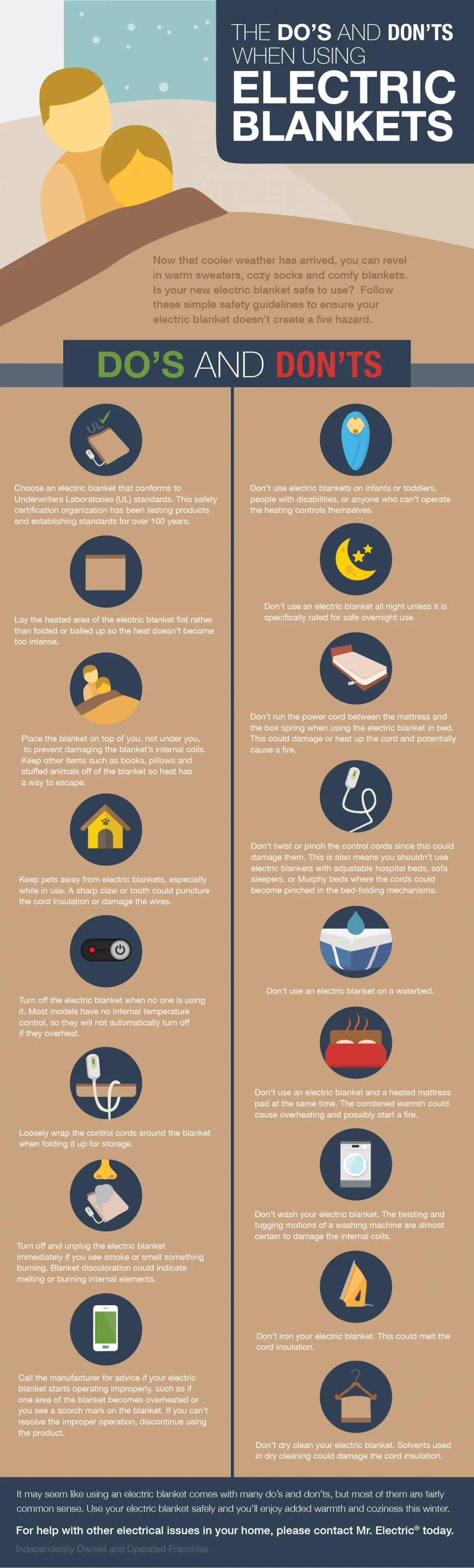
- Leaving it turned on all night (unless it’s designed for overnight use)
- Folding or crushing the blanket while it’s on
- Using with infants or people who can’t adjust the heat
- Layering heavy blankets or duvets on top
- Not checking for damage before each season
- Ignoring manufacturer instructions
Many fires or injuries happen because people forget these rules or think, “It’s always worked fine before. ”
When To Replace Your Electric Blanket
Knowing when to replace your blanket is as important as checking it. Consider a new one if:
- The blanket is more than 10 years old
- It shows any signs of damage or overheating
- Controls or wiring feel loose
- There’s no visible safety label or certification
- You notice uneven heating
New blankets are much safer and more energy-efficient. The cost is small compared to your safety.
Practical Tips For Safe Use
- Always read the user manual.
- Only plug into a wall outlet, not an extension cord or power strip.
- Turn off and unplug when not in use.
- Keep pets away—claws can damage wires.
- Don’t use pins or sharp objects to hold the blanket in place.
- Check the blanket after washing for signs of damage before using again.

Credit: www.northlevertonwithhabblesthorpeparishcouncil.gov.uk
Real-world Example
A 2021 news story reported a house fire started by an old electric blanket that had been folded and stored for years. The owner did not check the blanket before use. The wiring had broken inside, causing sparks and flames.
This shows why checks and proper storage matter.
Where To Find Reliable Safety Information
If you want more details, safety organizations and government sites are good sources. For example, the U.S. Consumer Product Safety Commission gives regular updates about product recalls and tips. You can also visit NFPA for trusted safety advice.

Credit: jartoo.com
Frequently Asked Questions
How Often Should I Check My Electric Blanket For Safety?
You should check your blanket at the start of every cold season and after any incident like a spill or rough use. Regular checks help you spot problems early.
Is It Safe To Leave An Electric Blanket On All Night?
Most experts do not recommend this unless your blanket is designed for overnight use and has an auto shut-off feature. Always read the manual.
Can I Wash My Electric Blanket?
Many modern blankets are machine washable, but you must follow the label instructions. Never wash an electric blanket unless the label says it’s safe.
What Should I Do If My Blanket Smells Funny Or Makes Noises?
Unplug it right away. Do not use the blanket until a professional checks it or you replace it. Unusual smells or sounds mean something is wrong.
Are Heated Mattress Pads Safer Than Electric Blankets?
Both can be safe if they have modern safety features and are used correctly. Heated mattress pads stay under the user and may be less likely to bunch up, but always follow safety checks for any heated bedding.
Staying warm is great, but staying safe is essential. With these checks and habits, you can enjoy your electric blanket with real peace of mind.
