
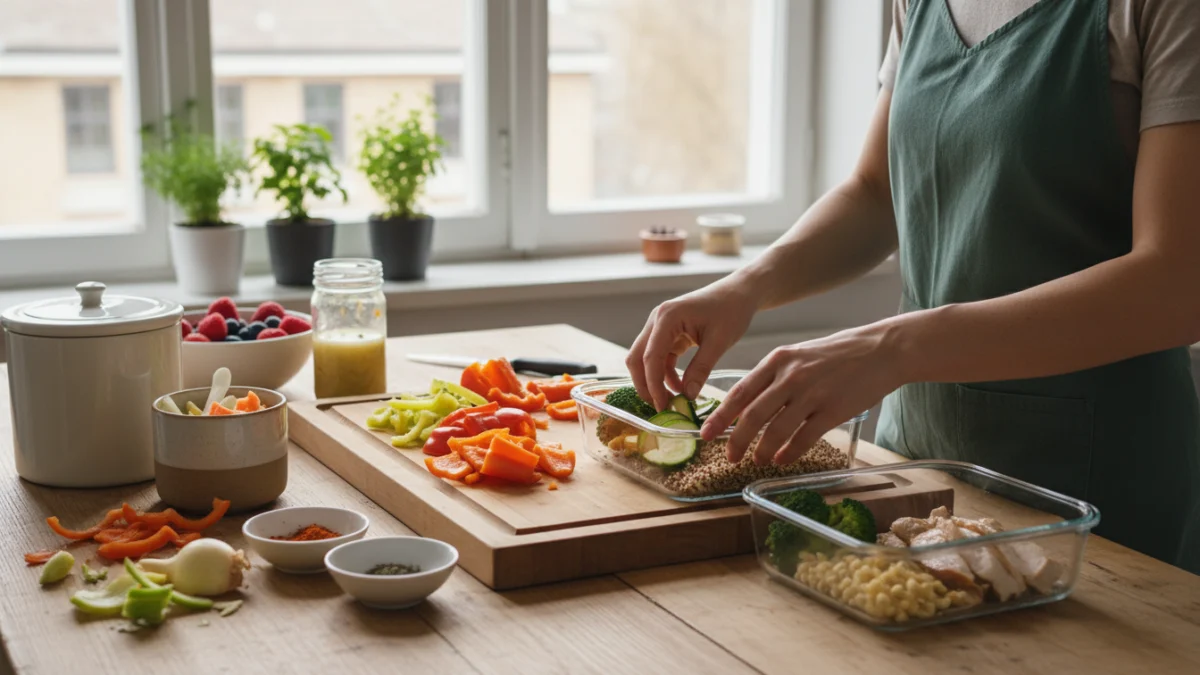
To avoid food waste with meal prep, meticulous planning, precise portioning, and proper food storage are essential. Utilizing leftovers creatively and regularly auditing your pantry further ensures ingredients are used efficiently. These practices minimize spoilage, maximize your efforts, and contribute to a more sustainable kitchen.
- Plan meals meticulously to match consumption.
- Portion food accurately to prevent over-preparation.
- Store ingredients and prepared meals correctly for extended freshness.
- Repurpose leftovers and food scraps creatively.
- Regularly check pantry and refrigerator inventory.
Why Meal Prep is Your Ally Against Food Waste
Meal preparation stands as a powerful strategy in the fight against food waste. By dedicating time to planning and preparing meals in advance, individuals gain greater control over their food supply. This proactive approach helps in making informed decisions about ingredient quantities and usage.
The structured nature of meal prep inherently reduces impulsive food purchases and forgotten items. When you know exactly what you will eat for the week, you buy only what is necessary. This minimizes the likelihood of fresh produce or other perishables expiring before they can be consumed.
Furthermore, meal prepping encourages a deeper understanding of food shelf life and storage techniques. This knowledge is crucial for extending the usability of ingredients. It transforms the kitchen into a more organized and efficient space, where food is valued and utilized to its fullest potential.
Understanding the True Cost of Food Waste
Food waste extends far beyond simply throwing away uneaten food. It represents a significant drain on resources, from the water and energy used in production to the labor involved in harvesting and transportation. When food is discarded, all these embedded resources are also wasted.
Environmentally, food waste contributes to greenhouse gas emissions, particularly methane, when organic matter decomposes in landfills. This impact exacerbates climate change, making responsible food consumption a critical environmental concern. Reducing waste helps mitigate these harmful effects.
Beyond the environmental implications, food waste also reflects an inefficient system. It highlights missed opportunities to nourish communities and utilize agricultural outputs effectively. Embracing strategies like meal prep helps address these systemic inefficiencies at an individual level, fostering a more sustainable food ecosystem.
How to Avoid Food Waste with Meal Prep: A Step-by-Step Guide
Implementing effective meal prep strategies is key to significantly reducing food waste. This comprehensive guide breaks down the process into manageable phases, ensuring every step contributes to a more sustainable and efficient kitchen.
Phase 1: Smart Planning and Shopping for Zero Waste
The foundation of waste-free meal prep begins long before any cooking starts. Careful planning and strategic shopping are paramount to ensuring every ingredient serves a purpose.
- Conduct a Pantry and Refrigerator Audit: Before making a shopping list, thoroughly check what you already have. Note down ingredients that need to be used soon. This prevents duplicate purchases and ensures older items are prioritized.
- Plan Meals with Ingredient Overlap: Design your weekly menu to utilize common ingredients across multiple dishes. For example, roasted chicken can be used in salads, sandwiches, or a stir-fry. This minimizes the need for single-use ingredients that might go bad.
- Create a Detailed Shopping List: Based on your meal plan and inventory, write a precise list. Stick to this list strictly at the grocery store to avoid impulse buys that often lead to waste. Consider buying loose produce to purchase exact quantities.
- Factor in Portion Sizes: Accurately estimate how much food your household consumes. Over-purchasing ingredients or preparing too much food is a common cause of waste. Adjust recipes to fit your specific needs.
Phase 2: Efficient Preparation and Portioning
Once you have your ingredients, how you prepare and portion them plays a crucial role in waste reduction. Efficiency here means maximizing usability and minimizing spoilage.
- Batch Cook Smartly: Prepare larger quantities of staple ingredients like grains, roasted vegetables, or cooked proteins. This saves time and allows for versatile meal assembly throughout the week.
- Pre-Chop and Store: Wash, chop, and store vegetables and fruits immediately after shopping. This makes them readily available for meals and snacks, reducing the chance of them being forgotten or spoiling. Store different types of produce separately to prevent cross-contamination of gases that accelerate ripening.
- Portion Control for Meals: Divide cooked meals into individual servings immediately after cooling. Use appropriate containers to store these portions. This prevents overeating and ensures you have ready-to-eat meals without needing to guess serving sizes later.
- Utilize All Parts of Produce: Don’t discard edible parts of vegetables like broccoli stems, carrot tops, or potato peels. These can often be incorporated into stocks, pestos, or roasted snacks, adding flavor and nutrients while reducing waste.
Phase 3: Mastering Food Storage for Longevity
Proper storage is perhaps the most critical aspect of preventing food waste in meal prep. Extending the shelf life of both raw ingredients and prepared meals is key.
- Invest in Quality Storage Containers: Airtight, food-grade containers are essential. Glass containers are excellent for reheating and preventing plastic leaching. Ensure containers are appropriately sized for individual portions or bulk ingredients.
- Understand Temperature Zones: Store different foods at their optimal temperatures. Refrigerate perishables promptly. Understand which fruits and vegetables prefer the counter versus the fridge.
- Label and Date Everything: Clearly label containers with the contents and the date of preparation or purchase. This helps you track freshness and adhere to a ‘first-in, first-out’ (FIFO) system, ensuring older items are used first.
- Strategic Freezing: Freeze excess portions of cooked meals, raw ingredients, or even bread. Proper freezing techniques, like blanching vegetables before freezing, can preserve quality for months. Ensure items are cooled completely before freezing to prevent ice crystals.
- Proper Herb Storage: Treat herbs like flowers. Trim stems, place in a jar with a little water, and cover loosely with a plastic bag before refrigerating. This can significantly extend their freshness.
Phase 4: Creative Repurposing and Leftover Transformation
Even with the best planning, some leftovers or scraps are inevitable. The final phase focuses on transforming these into new, delicious meals rather than discarding them.
- Transform Leftovers: Don’t just reheat the same meal. Turn leftover roasted chicken into tacos, a pasta dish, or a hearty soup. Leftover rice can become fried rice or rice pudding.
- Make Stocks and Broths: Vegetable scraps (onion peels, carrot ends, celery leaves) and meat bones are perfect for making flavorful homemade stocks. Store these in the freezer for future use in soups, sauces, or grains.
- Blend into Smoothies or Sauces: Overripe fruits can be blended into smoothies or frozen for later use. Soft vegetables can be pureed into sauces for pasta or dips.
- Composting (If Applicable): For truly inedible scraps, consider composting. This returns nutrients to the soil and diverts waste from landfills, completing the sustainable cycle.
Essential Tools for a Waste-Free Meal Prep Kitchen
Having the right equipment can significantly streamline your waste-free meal prep efforts. These tools help with organization, storage, and efficient preparation.
- Airtight Food Storage Containers: Essential for keeping food fresh and organized. Look for stackable, durable options in various sizes.
- Food Scale: Helps with accurate portioning of ingredients and cooked meals, preventing over-preparation.
- High-Quality Knives and Cutting Boards: Efficient chopping reduces prep time and encourages using fresh produce.
- Blender or Food Processor: Useful for making sauces, purees, smoothies, and utilizing softer produce.
- Freezer-Safe Bags or Containers: For long-term storage of bulk ingredients or prepared meals.
- Labels and Markers: Crucial for dating and identifying contents, especially in the freezer.
- Reusable Produce Bags: Reduces plastic waste during grocery shopping.
Common Pitfalls in Meal Prep Leading to Waste (and Solutions)
Even with good intentions, certain habits can undermine waste-free meal prep efforts. Recognizing these pitfalls and implementing solutions is key.
- Over-Prepping: Preparing too much food for the week can lead to spoilage if not consumed. Solution: Start with smaller batches and gradually increase as you understand your consumption patterns better.
- Lack of Variety: Eating the same meal repeatedly can lead to meal fatigue, causing you to abandon your prepped food for takeout. Solution: Incorporate diverse recipes, use versatile base ingredients, and experiment with different seasonings.
- Poor Storage Practices: Incorrectly storing food is a primary cause of spoilage. Solution: Adhere strictly to proper storage guidelines, including airtight containers, correct temperatures, and labeling.
- Ignoring Inventory: Forgetting what’s in the pantry or fridge leads to expired items. Solution: Implement a weekly inventory check and plan meals around items that need to be used soon.
- Not Utilizing Scraps: Discarding edible parts of food. Solution: Educate yourself on creative ways to use vegetable peels, herb stems, and other scraps in stocks, pestos, or roasted snacks.
Beyond the Bin: The Broader Benefits of Waste-Free Meal Prep
The advantages of adopting a waste-free meal prep lifestyle extend far beyond simply reducing what goes into the trash. This approach fosters a multitude of positive impacts on daily life and the environment.
Environmentally, minimizing food waste significantly reduces your carbon footprint. Less food in landfills means fewer greenhouse gas emissions, contributing to a healthier planet. It also conserves the water, energy, and land resources used in food production.
Personally, waste-free meal prep can lead to improved nutritional intake. By planning meals, you’re more likely to incorporate a balanced array of fruits, vegetables, and whole grains. This mindful approach to eating supports overall health and well-being.
Furthermore, the organizational skills developed through meal prepping can translate to other areas of life. It promotes efficiency, discipline, and a greater sense of control over one’s schedule and resources. This holistic approach to food management ultimately cultivates a more sustainable and intentional way of living.
Frequently Asked Questions
How does meal prepping specifically help in reducing food waste?
Meal prepping reduces food waste by enabling precise planning and purchasing, ensuring you buy only what you need. It encourages efficient use of ingredients across multiple meals and promotes proper storage techniques to extend food freshness. This structured approach minimizes forgotten or expired items.
What are the best storage tips for meal prep to avoid spoilage?
The best storage tips include using airtight containers, labeling everything with contents and dates, and understanding optimal temperatures for different foods. Freezing excess portions and cooling hot foods completely before refrigeration are also crucial for preventing spoilage and extending shelf life.
Can I still avoid food waste with meal prep if I have a busy schedule?
Yes, you can still avoid food waste with meal prep even with a busy schedule. Focus on simpler recipes, utilize batch cooking for staple ingredients, and dedicate a specific block of time once a week for preparation. Pre-chopping vegetables and using versatile ingredients can also save time.
What common mistakes should I avoid when trying to reduce food waste through meal prep?
Avoid over-preparing food, neglecting your pantry inventory, and failing to properly store ingredients and cooked meals. Also, try to prevent meal fatigue by incorporating variety into your weekly menu. Not utilizing food scraps is another common mistake to address.
Are there specific ingredients that are better for meal prepping to minimize waste?
Ingredients with longer shelf lives or those that are versatile across multiple dishes are excellent for waste-minimizing meal prep. Examples include grains like rice and quinoa, root vegetables, sturdy greens, and proteins that can be easily repurposed, such as chicken or lentils.
How can I use food scraps from meal prep to further avoid waste?
Food scraps can be transformed into new culinary creations. Vegetable peels and trimmings are perfect for making homemade stocks or broths. Overripe fruits can be blended into smoothies or sauces. Herb stems can be used in pestos or infused oils, adding flavor while reducing waste.
Conclusion
Avoiding food waste with meal prep is an achievable goal that offers numerous benefits, from environmental conservation to personal efficiency. By embracing smart planning, efficient preparation, meticulous storage, and creative repurposing, you can significantly reduce your household’s food waste. This journey towards sustainable eating not only helps the planet but also streamlines your kitchen routine and promotes healthier habits. Start implementing these strategies today to transform your approach to food and make a lasting positive impact.
{“@context”:”https://schema.org”,”@type”:”Article”,”headline”:”How to Avoid Food Waste with Meal Prep: A Comprehensive Guide to Sustainable Eating”,”mainEntityOfPage”:”https://homegeartoday.com/?p=126″,”datePublished”:”2025-12-13T21:22:03+00:00″,”dateModified”:”2025-12-13T21:22:03+00:00″}
For more helpful guides, check out plastic vs glass food container comparison, stainless steel food containers pros and cons, and saving money on small home appliances.
Related: lunch box ideas for busy adults
- Plan Your Meals Before Shopping
Write out a weekly meal plan before going to the store. Only buy ingredients you have a specific plan for — impulse purchases are the leading cause of food waste.
- Shop with a Detailed List
Bring a categorized grocery list based on your meal plan. Stick to the list and buy only the quantities you will realistically use within the week.
- Prep Ingredients Immediately After Shopping
Wash, chop, and portion vegetables and proteins as soon as you get home. Prepped ingredients are easier to grab and use, reducing the chance they’ll go forgotten.
- Store Food Properly by Category
Use airtight containers for prepped items and store them at the correct refrigerator temperature. Proper storage extends freshness and keeps ingredients usable longer.
- Use the FIFO Method
First In, First Out — always use older ingredients before newer ones. Move older items to the front of the fridge or pantry and place new groceries behind them.
- Repurpose Leftovers Creatively
Plan one flexible meal each week (like a stir-fry, soup, or grain bowl) specifically to use up leftover ingredients and cooked food before they expire.