
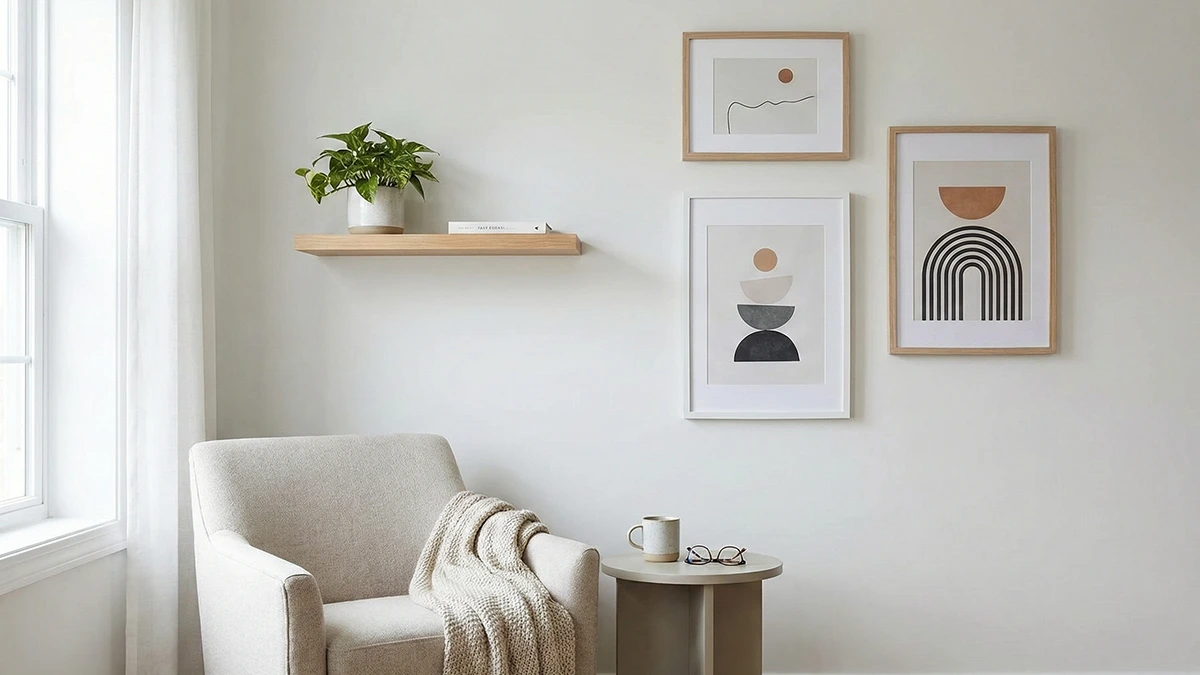
To avoid cluttered walls in a small home, prioritize intentional decor choices that enhance rather than overwhelm the space. Utilize vertical areas effectively with smart storage and display solutions, and embrace minimalist principles to ensure each item serves a purpose or brings joy. Focus on quality over quantity, creating a visually cohesive and serene environment.
- Embrace intentionality in every decor choice.
- Leverage vertical space for storage and display.
- Prioritize quality, multi-functional items over numerous small pieces.
- Utilize lighting and mirrors to expand visual space.
- Regularly assess and edit wall decor to maintain a fresh look.
Understanding the Impact of Wall Clutter in Small Homes
Wall clutter can significantly diminish the appeal and functionality of any living space, especially in smaller homes. When walls are overwhelmed with too many items, the room can feel visually chaotic and cramped. This creates a sense of unease and makes the space appear smaller than it truly is.
Beyond aesthetics, a cluttered environment can impact a home’s atmosphere. It can contribute to feelings of stress and disorganization, making it difficult to relax or focus. In a small home, every surface and visual line matters, and cluttered walls disrupt the flow, making the entire area feel less inviting and more confined.
Addressing wall clutter is not just about tidiness; it is about optimizing the living experience. By understanding its negative effects, homeowners can make more deliberate choices to create a harmonious and expansive feel, even within limited square footage.
How to Avoid Cluttered Walls in Small Home: Core Principles
Successfully decorating a small home without creating visual chaos on the walls requires adherence to several fundamental principles. These guidelines help ensure that every decorative decision contributes positively to the overall aesthetic and functionality of the space.
Embrace Intentionality
Every item placed on a wall should have a clear purpose or evoke a specific feeling. Before hanging anything, consider why it is being displayed and what value it adds to the room. This thoughtful approach prevents impulsive additions that can quickly lead to clutter.
Intentionality means selecting pieces that truly resonate with personal style and the home’s overall design theme. It encourages a curated look where each element feels deliberate and meaningful, rather than simply filling empty space.
Less is More: The Power of Minimalism
The minimalist philosophy is particularly effective in small homes. Instead of filling walls with numerous small objects, opt for fewer, more impactful pieces. A single large artwork or a carefully arranged set of two or three items can have a much stronger presence than a dozen disparate decorations.
This approach reduces visual noise, allowing the eye to rest and appreciate each chosen item. Minimalism does not mean sacrificing personality; it means expressing it through quality and thoughtful placement rather than sheer volume.
Functionality as a Guiding Principle
In small spaces, decor that also serves a practical purpose is invaluable. Wall-mounted shelves, decorative hooks, or even art pieces that double as storage can help keep surfaces clear while adding visual interest. This dual-purpose approach maximizes utility without adding to the visual load.
Consider items like a stylish wall clock that is also a focal point, or a beautiful mirror that reflects light and expands the room. When decor works harder, it justifies its presence and helps maintain a clutter-free environment.
Respect Scale and Proportion
The size of wall decor should be proportionate to the wall it occupies and the room itself. A tiny piece of art on a large wall will look lost, while an oversized piece on a small wall can feel overwhelming. Striking the right balance is crucial for visual harmony.
When selecting items, visualize how they will look in context. Consider the height of ceilings, the width of the wall section, and the surrounding furniture. Proper scale ensures that wall decor enhances the space rather than making it feel unbalanced or crowded.
Strategic Wall Decor: Maximizing Visual Space
Choosing the right wall decor is paramount in a small home. Strategic selections can make walls appear larger, add depth, and introduce personality without overwhelming the visual field.
The Impact of Large-Scale Art
Instead of a collection of small frames, consider one significant piece of art. A large painting or print can serve as a powerful focal point, drawing the eye and creating a sense of grandeur. This approach simplifies the wall, reducing visual fragmentation that often leads to a cluttered feel.
When choosing large art, ensure its colors and subject matter complement the room’s existing palette and style. A single, well-chosen piece can define a space and make a bold statement without requiring additional adornments.
Utilizing Floating Shelves
Floating shelves are an excellent solution for displaying items without the bulk of traditional bookcases. They offer a clean, minimalist look that keeps the floor clear and maintains an open feel. These shelves are perfect for showcasing a few curated books, small plants, or decorative objects.
To avoid clutter on the shelves themselves, practice restraint. Group items in odd numbers, leave ample negative space, and ensure the items are visually cohesive. Floating shelves provide functional display space without adding visual weight to the walls.
Thoughtful Gallery Walls
While gallery walls can sometimes contribute to clutter, they can be executed effectively in small spaces with careful planning. The key is to maintain a cohesive theme and structure. Use frames of the same color or material, and arrange them in a tight, intentional grid or a balanced, asymmetrical pattern.
Limit the number of pieces and ensure there is enough breathing room between frames. A well-designed gallery wall can add personality and tell a story without making the wall feel busy. Focus on quality images or art that truly matters.
Integrated Wall-Mounted Storage
For practical items, wall-mounted storage solutions are ideal. Decorative wall baskets, sleek magazine racks, or even hidden compartments can store essentials while keeping them out of sight. These solutions free up floor and surface space, contributing to an overall tidy appearance.
Consider wall-mounted organizers in entryways for keys and mail, or in bathrooms for toiletries. When storage is integrated into the wall design, it becomes part of the decor rather than an additional item contributing to clutter.
Embracing Verticality: Smart Storage and Display Solutions
In a small home, vertical space is a valuable, often underutilized asset. Leveraging the height of walls can significantly expand storage and display opportunities without encroaching on precious floor area.
Tall, Narrow Bookcases and Shelving Units
Instead of wide, bulky furniture, opt for tall, narrow bookcases or shelving units. These pieces draw the eye upwards, making the room feel taller and more expansive. They provide ample storage for books, decorative items, and even small storage boxes, all while occupying minimal floor space.
When styling these units, avoid overfilling them. Leave some shelves empty or sparsely decorated to maintain an airy feel. Alternate between books and decorative objects to create visual interest and prevent a heavy, cluttered look.
Versatile Pegboards and Wall Organizers
Pegboards are incredibly versatile tools for maximizing vertical storage in areas like kitchens, craft rooms, or entryways. They allow for customizable arrangements of hooks, shelves, and baskets, making it easy to organize tools, utensils, or everyday essentials.
Similarly, wall-mounted organizers with pockets or compartments can keep small items tidy and accessible. These solutions are highly adaptable and can be reconfigured as needs change, ensuring that walls remain functional without becoming visually overwhelming.
Fold-Down and Wall-Mounted Furniture
Innovative furniture designs, such as fold-down desks or wall-mounted tables, are perfect for small homes. These pieces can be deployed when needed and neatly folded away when not in use, freeing up floor space and maintaining a clean wall line.
Such multi-functional furniture helps to avoid the need for permanent, bulky items that can make a small room feel cramped. They offer practical solutions for working, dining, or crafting without contributing to persistent wall or floor clutter.
Vertical Gardens and Green Walls
Bringing nature indoors can enhance a small home’s aesthetic without taking up floor space through vertical gardens or green walls. These living installations add texture, color, and a sense of tranquility, transforming a plain wall into a vibrant focal point.
Whether it is a small wall-mounted planter system or a more elaborate living wall, vertical greenery adds life and freshness. It is a beautiful way to decorate while also potentially improving air quality, all without contributing to visual clutter.
The Art of Selection: Choosing Decor That Doesn’t Overwhelm
The key to avoiding cluttered walls lies not just in how items are arranged, but in the careful selection of each piece. Thoughtful choices ensure that decor enhances the space rather than detracting from it.
Strategic Color Palette
The colors chosen for walls and decor play a significant role in how spacious or cluttered a room feels. Light, neutral colors on walls tend to reflect light, making a room appear larger and more open. These colors also provide a calm backdrop for any decor.
When selecting wall decor, consider a cohesive color palette that complements the room’s existing scheme. Using a limited range of colors or varying shades of the same color can create a harmonious look, preventing visual chaos that often arises from too many contrasting hues.
Adding Interest with Texture
Texture can add depth and warmth to a room without introducing additional visual clutter. Instead of relying on numerous small objects, incorporate textured wall hangings, woven art, or decorative panels. These elements provide visual interest and tactile appeal.
Consider materials like macrame, woven baskets, or subtle wallpaper with a raised pattern. Texture adds a sophisticated layer to the decor, making walls feel rich and inviting without the need for excessive ornamentation.
The Power of Reflective Surfaces
Mirrors are perhaps the most effective tool for expanding a small space. Strategically placed, they can reflect natural light, making a room brighter and more open. They also create the illusion of depth, making a wall appear to recede and the room feel larger.
Beyond mirrors, consider other reflective surfaces like metallic accents in wall art or polished frames. These elements catch and bounce light, adding sparkle and dimension without adding visual weight.
Personal Significance Over Quantity
When decorating walls, prioritize items that hold personal meaning or evoke positive emotions. Displaying a few cherished photographs, a piece of art from a memorable trip, or a handmade item can make a home feel deeply personal and authentic.
Resist the urge to display every souvenir or family photo. Instead, curate a selection of the most significant pieces. This approach ensures that wall decor is not just filler but a reflection of personal history and style, contributing to a meaningful and uncluttered environment.
Lighting and Mirrors: Tools for Expanding Small Spaces
Beyond their primary functions, lighting and mirrors are powerful design elements that can dramatically influence the perception of space in a small home. Used strategically, they can make walls feel less imposing and rooms appear larger and more inviting.
Strategic Mirror Placement
Mirrors are invaluable for creating an illusion of expanded space. Placing a large mirror opposite a window can double the amount of natural light in a room, making it feel brighter and more open. It also reflects the view outside, bringing a sense of the outdoors in and adding depth.
Consider placing mirrors in narrow hallways or at the end of a room to create a sense of extension. The frame of the mirror itself can also be a decorative element, chosen to complement the room’s style without adding visual bulk.
Utilizing Wall Sconces and Picture Lights
Wall-mounted lighting, such as sconces or picture lights, is an excellent alternative to floor or table lamps in small spaces. These fixtures free up valuable surface and floor area while providing targeted illumination and ambient light.
Wall sconces can add architectural interest and a soft glow, making a room feel more intimate and sophisticated. Picture lights highlight artwork, drawing attention to a focal point without requiring additional decorative items on the wall itself.
Maximizing Natural Light
Allowing as much natural light as possible into a small home is crucial for preventing a cramped, dark feel. Keep windows unobstructed by heavy drapes or excessive decor. Opt for sheer curtains or blinds that can be easily opened to let light flood in.
Natural light not only brightens a space but also creates a sense of openness and connection to the outside world. This natural illumination helps to minimize the need for artificial light during the day, contributing to a fresh and airy atmosphere.
Maintaining a Clutter-Free Aesthetic Long-Term
Achieving a clutter-free aesthetic on your walls is an ongoing process, not a one-time fix. Consistent effort and mindful habits are essential to prevent walls from becoming overwhelmed again.
Regular Purges and Assessments
Periodically review your wall decor with a critical eye. What once felt fresh and exciting might now contribute to a cluttered look. Take down everything from a wall section and then carefully decide what truly deserves to go back up.
This process allows for a fresh perspective and helps identify items that no longer serve a purpose or bring joy. Regular assessments ensure that your walls continue to reflect your current style and needs, preventing the gradual accumulation of unnecessary items.
The “One In, One Out” Rule
To prevent new purchases from adding to existing clutter, adopt the “one in, one out” rule. Whenever you acquire a new piece of wall decor, commit to removing an existing item. This simple rule helps maintain a balanced quantity of items on your walls.
This practice encourages more thoughtful purchasing decisions, as you will naturally consider whether a new item is truly worth replacing something you already have. It is an effective strategy for keeping the overall volume of decor in check.
Seasonal Swaps and Rotation
Instead of constantly adding new decor, consider rotating existing pieces or swapping them out seasonally. This allows for a fresh look without increasing the total number of items in your home. Store off-season decor neatly until it is time to bring it back out.
Rotating decor can keep your home feeling dynamic and interesting without contributing to permanent wall clutter. It also gives you an opportunity to re-evaluate pieces and decide if they still fit your aesthetic before bringing them back into display.
Common Pitfalls to Avoid When Decorating Small Walls
Even with the best intentions, certain mistakes can inadvertently lead to cluttered walls in a small home. Being aware of these common pitfalls can help homeowners make more effective decorating choices.
Too Many Small Items
A frequent error is decorating with an abundance of small, disparate items. While each piece might be charming on its own, a collection of many small objects can create visual noise and make a wall feel overwhelmingly busy. The eye struggles to find a focal point, leading to a sense of disorganization.
Instead, group small items purposefully or opt for fewer, larger pieces that command attention without creating chaos. This approach helps maintain a sense of calm and order on the walls.
Ignoring Scale and Proportion
Another common mistake is failing to consider the scale of decor in relation to the wall and the room. Hanging tiny pictures on a vast wall, or conversely, placing an enormous piece of art on a very small wall, can throw off the entire balance of the space.
Always measure your wall space and visualize how a piece will fit before committing. Proper scale ensures that wall decor enhances the room’s dimensions rather than making it feel awkward or disproportionate.
Lack of Cohesion
A mix of too many styles, colors, or themes on a single wall can quickly lead to a cluttered appearance. When decor lacks a cohesive element, whether it is a consistent color palette, a unified theme, or similar framing, the wall can look disjointed and messy.
Strive for a sense of unity in your wall decor. This does not mean everything must match perfectly, but there should be an underlying connection that ties the pieces together, creating a harmonious and intentional display.
Over-Personalization
While personal touches are vital for making a house a home, displaying every photograph, souvenir, or piece of memorabilia can overwhelm small walls. Too much personal clutter can make a space feel less like a curated home and more like a storage unit for memories.
Curate your personal items carefully. Select a few favorite photos or meaningful mementos to display prominently, and rotate others periodically. This allows for personal expression without sacrificing a clean, uncluttered aesthetic.
Frequently Asked Questions
How can I effectively avoid cluttered walls in a small home without sacrificing personal style?
To avoid cluttered walls while maintaining personal style, focus on intentionality and curation. Select a few meaningful pieces that truly reflect your taste, rather than displaying everything. Utilize a cohesive color palette and incorporate textures to add interest without visual bulk, ensuring each item contributes positively to your unique aesthetic.
What are some common mistakes people make when trying to avoid cluttered walls in small homes?
Common mistakes include hanging too many small, disparate items, ignoring the scale and proportion of decor relative to the wall, and lacking a cohesive theme or color scheme. Over-personalization, where every souvenir or photo is displayed, can also quickly lead to a cluttered appearance in limited spaces.
Are there specific types of wall decor that help avoid cluttered walls in small home environments?
Yes, specific types of decor are highly effective. Large-scale single art pieces, strategically placed mirrors, and floating shelves with curated items are excellent choices. Wall-mounted storage solutions, such as pegboards or decorative baskets, also help keep surfaces clear and contribute to a clutter-free wall aesthetic.
How does color choice impact the perception of cluttered walls in a small home?
Color choice significantly impacts perception. Light, neutral wall colors reflect light, making a room feel more open and less cluttered. Using a limited, cohesive color palette for wall decor prevents visual chaos, allowing the eye to flow smoothly across the space rather than being overwhelmed by too many contrasting hues.
What role does multi-functional furniture play in helping to avoid cluttered walls in a small home?
Multi-functional furniture plays a crucial role by reducing the need for separate items that might otherwise contribute to wall or floor clutter. Pieces like wall-mounted desks that fold away, or shelving units with integrated storage, maximize utility without permanently occupying visual space, thus helping maintain a clean and open environment.
Can a gallery wall be done without creating cluttered walls in a small home?
Yes, a gallery wall can be done without creating clutter in a small home with careful planning. The key is to maintain cohesion by using uniform frames or a consistent theme, arranging pieces in a tight, intentional grid, and leaving adequate breathing room between them. Limit the number of items to prevent an overwhelming visual effect.
Conclusion
Avoiding cluttered walls in a small home is about making deliberate choices that prioritize visual harmony and functionality. By embracing intentionality, leveraging vertical space, and selecting decor with purpose, homeowners can transform confined areas into serene and stylish environments. Regularly assessing and curating your wall decor ensures a lasting, clutter-free aesthetic.
Take the time to evaluate your walls and consider how each piece contributes to the overall feel of your home. With thoughtful planning, you can create a space that feels expansive and inviting, reflecting your personal style without the burden of visual clutter.
{“@context”:”https://schema.org”,”@type”:”Article”,”headline”:”Declutter Your Decor: How to Avoid Cluttered Walls in Small Home”,”mainEntityOfPage”:”https://homegeartoday.com/?p=903″,”datePublished”:”2025-12-12T07:32:13+00:00″,”dateModified”:”2025-12-12T07:32:13+00:00″}
Choose 1–2 statement pieces per room rather than filling every wall. Leave 30–40% of wall space empty. Group small items into one deliberate gallery arrangement rather than spreading them individually across multiple walls. Negative wall space is a design element, not a problem to fill.
A small room benefits most from one large statement piece on the primary focal wall, or at most two pieces if it is a longer wall. Multiple small pieces only work if grouped as a single cohesive gallery arrangement, not scattered individually.
A large mirror reflects light and creates visual depth, making a small room feel significantly larger. Vertical-format art draws the eye upward. Light-framed art on light walls blends subtly rather than defining boundaries. Heavy dark artwork can visually shrink a small room.
Choose one large piece rather than many small ones. Use lightweight frames (thin metal or frameless canvas). Select art with light backgrounds and open compositions. A large round mirror is an excellent alternative — it adds warmth and apparent space without visual weight.
Most interior designers recommend leaving at least 30–40% of each wall visually empty in small rooms. This allows the eye to rest, makes the art you do display more impactful, and prevents the compressed feeling that comes from filling every surface with decor.