

When your comforter needs washing, one big challenge is drying it without a dryer. Maybe your machine is too small, or you want to avoid heat damage. Air drying a comforter takes more time and care than regular sheets, but it is possible to get great results at home. With the right steps, your comforter can be fresh, fluffy, and ready for cozy nights again—no dryer needed.
This guide shows you how to air dry a comforter safely and efficiently. You’ll learn the best places to dry it, important tips to prevent mold, and how to keep it soft. Even if you live in a small apartment or humid climate, you’ll find practical solutions here.
Why Air Dry A Comforter?
Many people think using a dryer is the only way to dry bedding. In reality, air drying offers several unique benefits:
- Less wear and tear on fabric and filling
- Lower energy bills
- No risk of melting or shrinking synthetic materials
- Fresher smell from sun and fresh air
If your comforter is made with down feathers or delicate fibers, air drying is often recommended by manufacturers. Heat can break down natural oils in down, making it less fluffy over time. Synthetic fillings can clump or even melt if overheated.
Preparing Your Comforter For Air Drying
Before you start, check the care label. Most comforters have a tag with cleaning instructions. Look for symbols like a line in a square, which means “line dry. ”
Wash And Rinse Properly
- Use a gentle, fragrance-free detergent to avoid residue.
- Run an extra rinse cycle to remove all soap.
- Gently squeeze (don’t wring) out extra water.
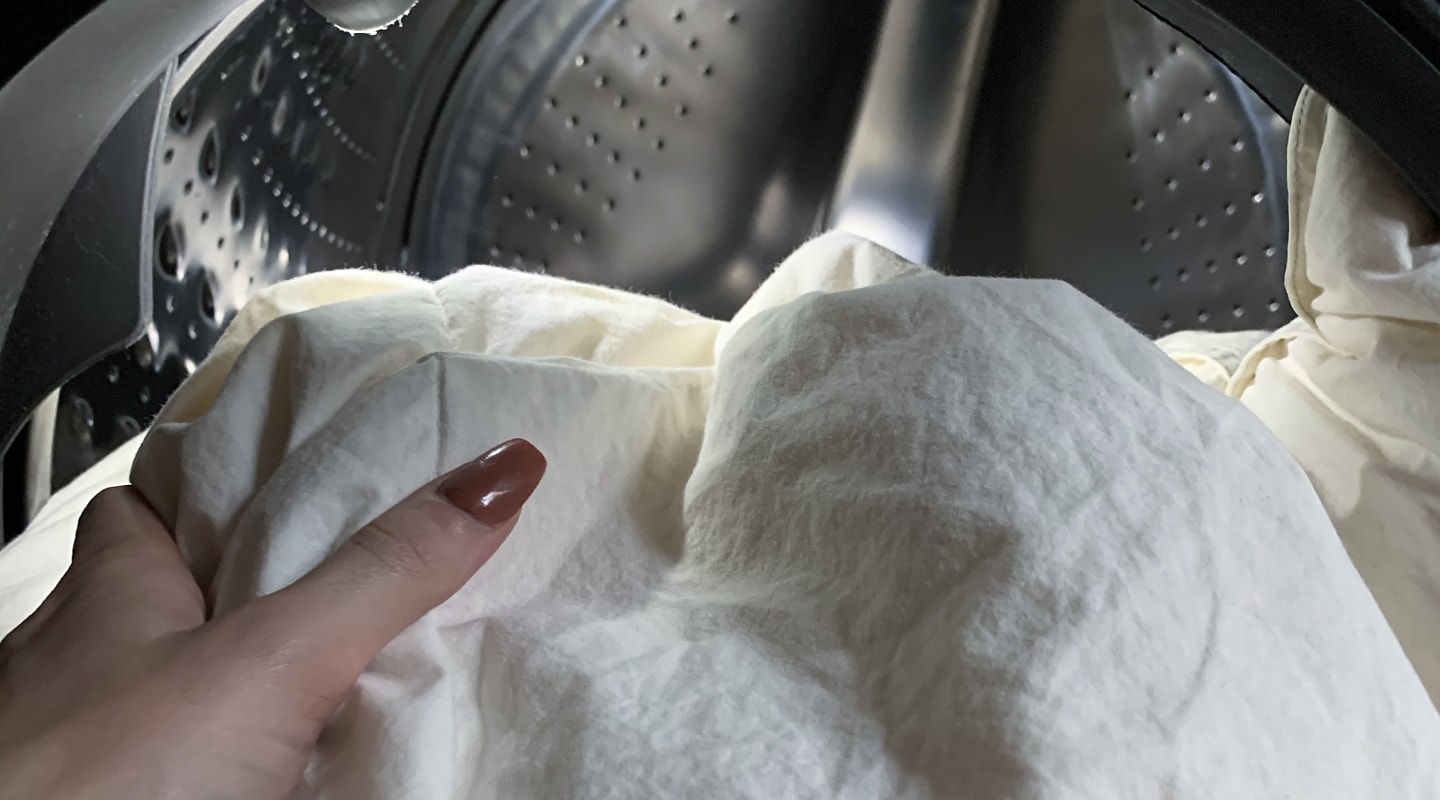
Remove As Much Water As Possible
Comforters soak up a lot of water and become heavy. Removing water helps them dry faster and prevents mold. Try these methods:
- Towel Roll Method: Lay the comforter flat on a clean towel. Roll both together, pressing as you go. The towel absorbs water.
- Spin Cycle Only: If your machine allows, run an extra spin cycle without heat.
This step is easy to overlook but makes a big difference in drying time.
Credit: www.whirlpool.com
Choosing The Best Place To Air Dry
Location matters when air drying a comforter. You need:
- Good airflow
- Low humidity
- Enough space for the comforter to spread out
Here’s a comparison of common drying locations:
| Location | Pros | Cons |
|---|---|---|
| Outdoor Clothesline | Sunlight, natural breeze, fast drying | Weather-dependent, risk of dust or pollen |
| Indoor Rack Near Window | Safe from weather, sunlight through glass | Slower drying, needs space |
| Shower Rod/Banister | Easy setup, uses existing home features | Limited airflow, may drip water |
If possible, choose a sunny, breezy spot outside. Sunlight helps kill germs and remove odors. However, if you have allergies, avoid outdoor drying in pollen season.
How To Hang A Comforter For Air Drying
Hanging your comforter the right way is key to even drying and preventing clumping.
Step-by-step Hanging Guide
- Shake Out the Comforter: Fluff it gently to spread the filling.
- Fold Over Line or Rack: Drape the comforter evenly. Avoid folding more than once to maximize surface area.
- Use Multiple Clips: Secure with strong clothespins or clips to prevent slipping, especially if it’s windy.
- Space Matters: Avoid letting the comforter touch the floor or bunch up. Air should move around all sides.
For extra-thick comforters, rotate or refold every few hours. This ensures all parts get exposure and nothing stays damp.
Speeding Up The Drying Process
Air drying can take anywhere from 8 to 24 hours, depending on the weather and the thickness of your comforter. Here are ways to help it dry faster:
Use Fans And Open Windows
Set up a fan to blow air across the comforter. Open windows for cross-ventilation. This method is especially helpful indoors.
Dehumidifiers
In humid climates, a dehumidifier can cut drying time by half. It removes moisture from the air, making it easier for water to evaporate from the comforter.
Sunlight
Direct sunlight speeds up drying and helps sanitize the fabric. Rotate the comforter to expose all sides to the sun.
Flip And Shake
Every few hours, flip and shake out the comforter. This prevents the filling from settling and exposes damp spots.
Preventing Common Air Drying Problems
If you’re not careful, air drying can lead to:
- Musty smells
- Mold or mildew
- Clumped filling
Here’s how to avoid these issues:
Don’t Rush
Be patient. Putting a damp comforter back on the bed is a common mistake. Even if the outside feels dry, the inside might still be wet.
Check For Dampness
Press the comforter between your hands. If it feels cool or heavy, it’s probably still damp inside. Let it dry longer.
Break Up Clumps
Down or synthetic fillings can form lumps as they dry. Gently shake and massage the comforter every few hours to redistribute the filling.
Drying More Than One Layer
If your comforter has a duvet cover, remove it and dry separately. This speeds up drying and prevents trapped moisture.
How Long Does It Take To Air Dry A Comforter?
Drying time depends on several factors:
| Comforter Type | Outdoor (Sunny/Breezy) | Indoor (Good Airflow) |
|---|---|---|
| Thin Cotton | 4-8 hours | 8-16 hours |
| Down/Feather | 6-12 hours | 12-24 hours |
| Synthetic/Polyester | 6-10 hours | 10-20 hours |
Weather changes can make a big difference. If it’s cloudy or humid, expect drying to take longer.
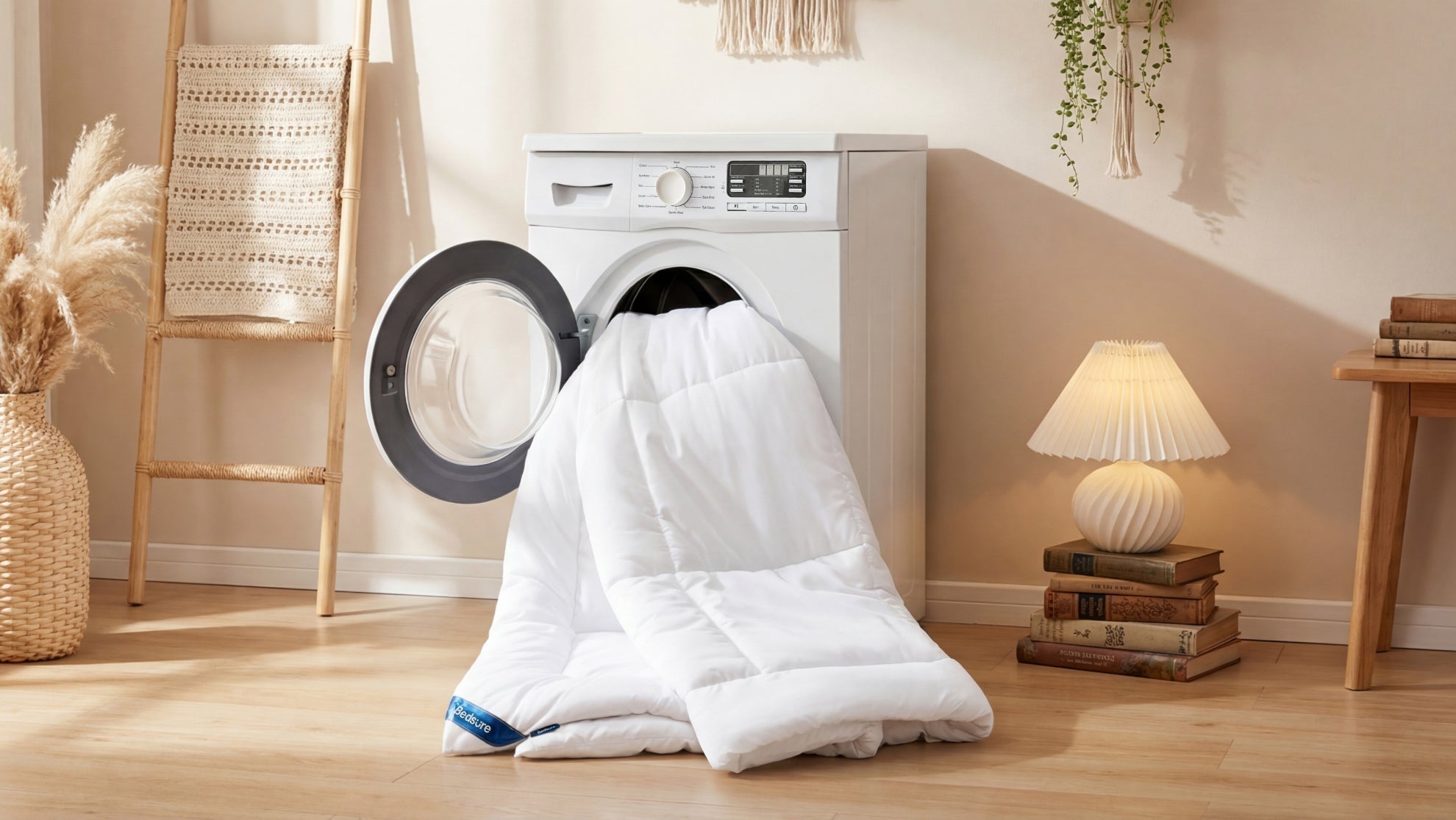
Making Your Comforter Fluffy Again
Air drying can sometimes leave comforters feeling flat. Try these tips to bring back the loft:
- Hand Fluffing: Shake and pat the comforter while it’s drying and after it’s dry.
- Dry with Tennis Balls: If you have access to a dryer with no heat or just air, toss in the comforter with a few clean tennis balls for 10 minutes. This helps break up clumps and redistribute filling.
- Hang and Beat: Hang the comforter and gently beat with a clean stick or broom handle to loosen fibers.
Remember, a comforter that is totally dry and well-fluffed will last longer and feel better to use.
Credit: bedsurehome.com
What To Do In Small Spaces Or Bad Weather
If you live in an apartment or it’s raining outside, air drying can be tricky but not impossible.
- Use a folding drying rack in your largest room.
- Place the rack near a window and set up a fan.
- Dry one half at a time if the space is very small.
- Move the comforter to different rooms during the day to find the best airflow.
- Use a bathroom with an exhaust fan to help reduce humidity.
For more creative ideas, check out advice from the Good Housekeeping Institute.
Caring For Your Comforter After Air Drying
Once your comforter is completely dry, store it properly to keep it fresh:
- Fold loosely and store in a breathable cotton bag, not plastic.
- Avoid overstuffing your linen closet to let air circulate.
- Wash and air dry your comforter every 3-6 months, or more often if you have allergies.
Signs Your Comforter Isn’t Dry Yet
Never put your comforter back on the bed if you notice:
- A cool or damp feeling inside
- Musty or sour smell
- Heavy spots compared to the rest of the comforter
If any of these signs appear, continue air drying. Even slightly damp fabric can lead to mold within a day or two.
Frequently Asked Questions
How Can I Tell If My Comforter Is Fully Dry?
Press different areas of the comforter with your hands. If you feel any coolness, heaviness, or moisture, it’s not completely dry. Smell is also a good clue—if it smells musty, it needs more drying time.
Can I Air Dry A Down Comforter Without Ruining It?
Yes, you can. Use gentle washing, remove extra water, and dry in a well-ventilated space out of direct, harsh sunlight. Fluff and shake the comforter often to keep the down evenly distributed.
What If My Comforter Smells After Air Drying?
Musty smells mean it’s still damp or dried in a humid area. Move it to a sunnier, breezier place or use a fan/dehumidifier. Sprinkle a little baking soda, let it sit for an hour, then shake out before airing again.
Is It Safe To Air Dry A Comforter Indoors?
It is safe if you have enough airflow and low humidity. Use fans, open windows, or dehumidifiers. Avoid drying in small, closed bathrooms without ventilation.
How Often Should I Wash And Air Dry My Comforter?
Wash every 3-6 months for regular use, or more often if you have allergies or pets. Air drying is gentle, so it won’t harm the comforter even with regular cleaning.
Air drying your comforter might take more effort than using a dryer, but it’s worth it. With the right steps, you’ll avoid mildew, keep your bedding fluffy, and even save money. A little patience and care go a long way toward making your comforter last for years.
Credit: www.roughlinen.com
