
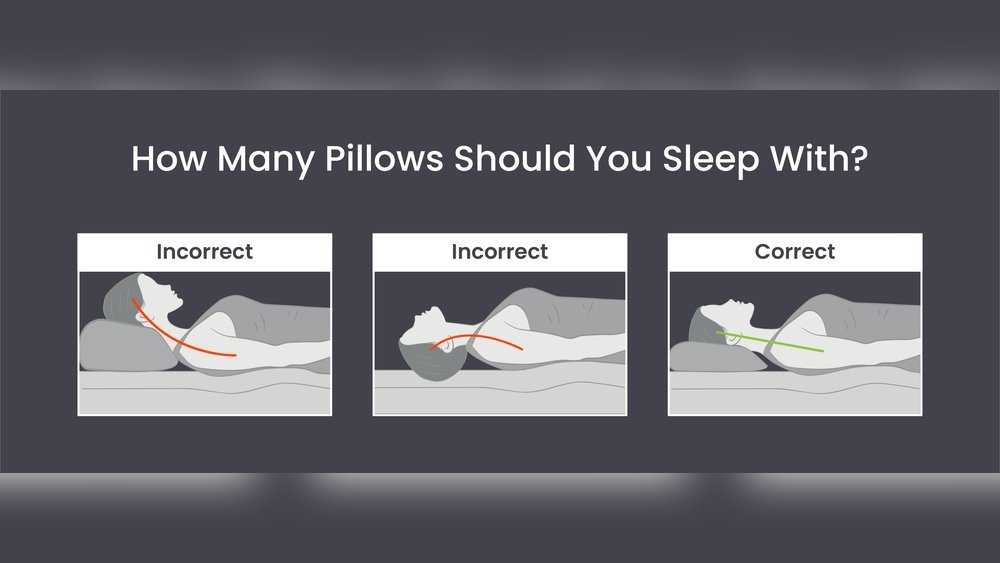
Many people don’t think twice about how many pillows they use each night. But the right number of pillows can make a big difference to your sleep quality, comfort, and even your health. You might wonder if there’s a perfect answer, or if the choice depends on your personal needs.
In this article, you’ll find out how many pillows you should sleep with, the science behind pillow support, and how the right (or wrong) number of pillows can affect your body. Whether you sleep on your back, side, or stomach, understanding pillow use can help you wake up feeling better every day.
Why Pillow Count Matters For Sleep Quality
The number of pillows you use is not just about comfort. It affects your spine alignment, breathing, and even how well you recover overnight. Too few pillows can leave your neck unsupported, while too many can cause awkward angles for your head and neck. Over time, this can lead to stiffness, headaches, or even chronic back pain.
Research from the National Sleep Foundation shows that proper pillow support helps maintain the natural curve of your spine, which reduces strain on your muscles and joints. In fact, a 2015 study found that using the right pillow height and firmness can improve sleep quality and decrease neck pain for many people.
One common mistake is thinking more pillows mean more comfort. In reality, the right number and type of pillows depends on your sleeping style, body shape, and even your mattress.
Understanding The Role Of Pillows
Pillows do more than just keep your head off the mattress. They play several important roles:
- Support your head and neck: Keeping your spine straight prevents pain.
- Relieve pressure points: A good pillow can reduce strain on your shoulders and hips.
- Help with breathing: Elevating your head may help reduce snoring or acid reflux.
- Comfort: Softness and texture can help you relax and fall asleep faster.
Many people use pillows for more than just their head, such as under knees, between legs, or behind the back. Each position has its own benefits, which we’ll explore in detail.
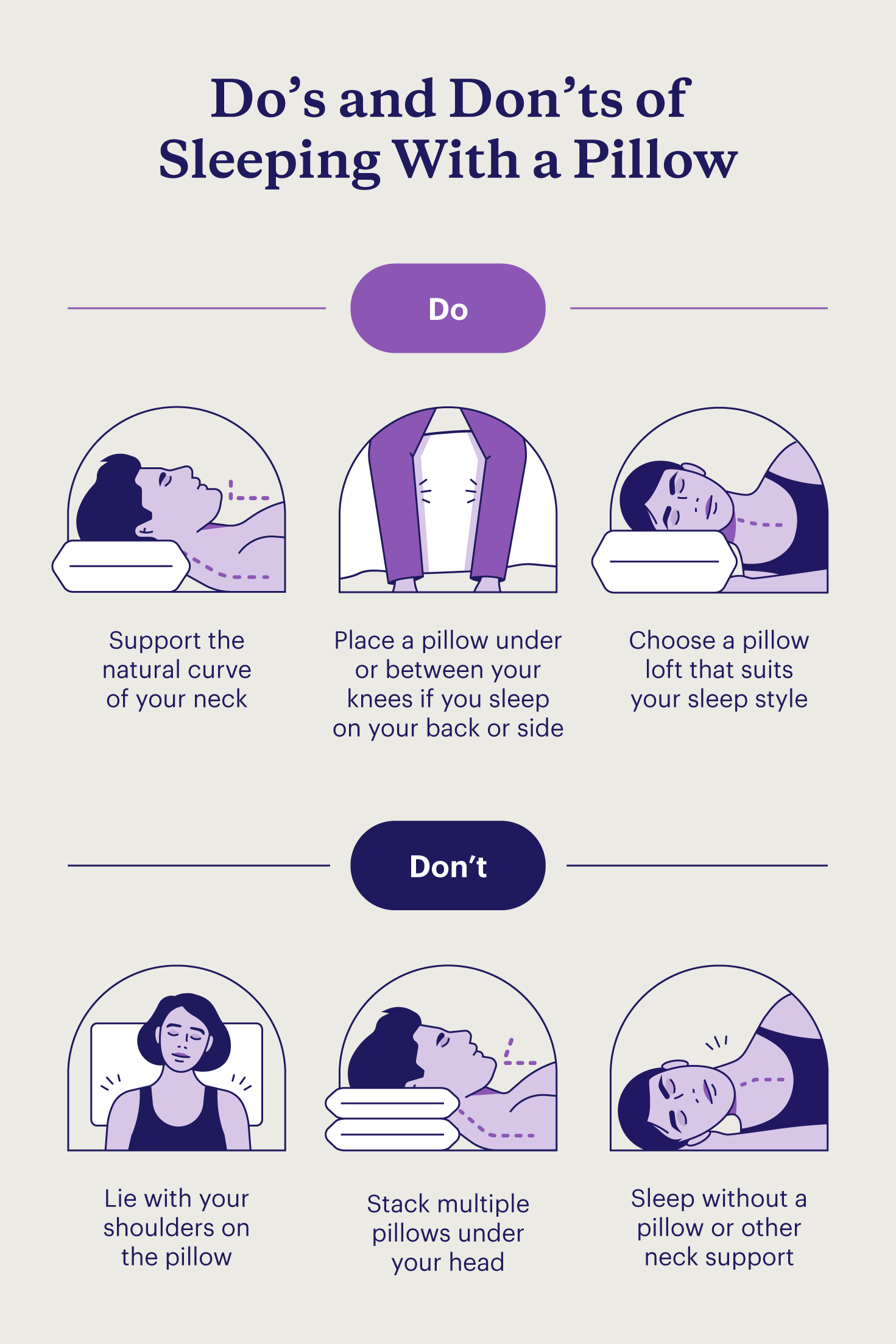
Credit: purple.com
How Many Pillows Should You Sleep With? (by Sleeping Position)
The best number of pillows depends mostly on your sleeping position. Here’s a breakdown for each common style:
Back Sleepers
If you sleep on your back, keeping your spine in a neutral position is key. Usually, one medium-firm pillow under your head is best. This keeps your head level with your spine and prevents your neck from bending up or down.
Some back sleepers find extra comfort by placing a second pillow under their knees. This helps relieve lower back pressure and keeps the natural curve of the spine.
Summary for back sleepers:
- 1 pillow under head (medium-firm)
- Optional: 1 pillow under knees for lower back comfort
Side Sleepers
Side sleeping is the most common position. It needs more support to keep your spine straight. For most people, one thick, firm pillow under the head fills the gap between the ear and outside shoulder.
A second pillow between the knees can keep your hips, pelvis, and spine aligned, reducing strain and preventing lower back pain.
Summary for side sleepers:
- 1 pillow under head (thick, firm)
- 1 pillow between knees
Stomach Sleepers
Sleeping on your stomach puts more strain on your neck and back. Experts usually recommend using no pillow or a very thin pillow under the head to avoid excessive neck bending.
Some stomach sleepers find relief by placing a pillow under their pelvis or lower abdomen. This reduces pressure on the lower back.
Summary for stomach sleepers:
- No pillow or 1 very thin pillow under head
- Optional: 1 pillow under pelvis
Combination Sleepers
If you move between positions at night, choose a medium pillow that works for both back and side sleeping. Some combination sleepers use extra pillows nearby to adjust as needed.
Summary for combination sleepers:
- 1 medium pillow under head
- Optional: 1 pillow for knees or body as needed
Special Needs (pregnancy, Injuries, Medical Conditions)
Pregnant women and people with certain medical conditions may need extra pillows. Pregnancy pillows support the belly and back. People with acid reflux may benefit from two pillows to keep their upper body elevated.
Summary for special needs:
- 1-2 pillows under head and body, depending on need
Pillow Placement: More Than Just Under Your Head
Most people think of pillows only for head support, but they can help your whole body. Here are common ways to use extra pillows:
- Under knees (for back sleepers): Takes pressure off the lower back.
- Between knees (for side sleepers): Keeps hips aligned, reduces lower back pain.
- Under abdomen/pelvis (for stomach sleepers): Prevents lower back strain.
- Behind back (for side sleepers): Stops you from rolling onto your back.
- Full body pillow: Supports multiple areas, often used in pregnancy or for chronic pain.
Using extra pillows for body support is not about luxury. It’s about creating a sleep position that keeps your spine straight and muscles relaxed.
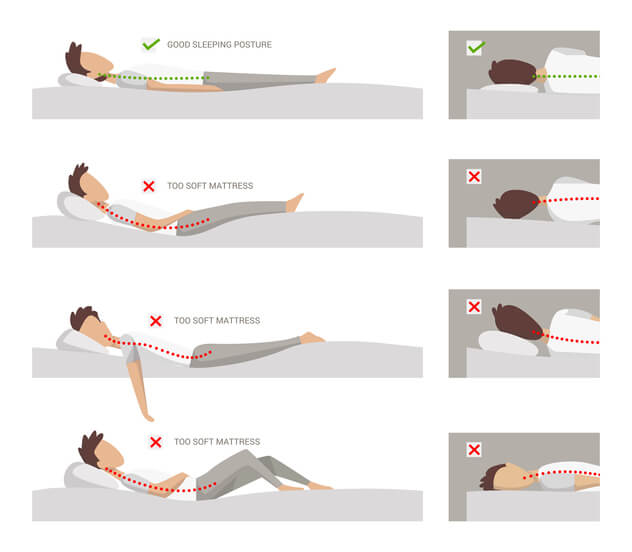
Credit: www.reflexspinalhealth.com
How Pillow Type And Fill Affect Support
The number of pillows is only part of the story. The type of pillow and what it’s filled with can change how much support you get.
Common pillow fills include:
- Memory foam: Molds to the shape of your head and neck, offers strong support.
- Latex: Firm and supportive, often cooler than memory foam.
- Feather/down: Soft and moldable, but may not offer enough support for some people.
- Polyester: Affordable and lightweight, but flattens quickly.
A thick, firm pillow may be better for side sleepers, while back sleepers may prefer something slightly less thick. Stomach sleepers should look for very thin, soft pillows or even go without.
The Risks Of Using Too Many Or Too Few Pillows
Many people assume more pillows are always better, but that’s not true. Here’s what can go wrong:
- Too many pillows: Can push your head forward, causing neck and upper back strain. This may lead to headaches or poor breathing.
- Too few pillows: May leave your neck unsupported, causing muscles to work harder all night and leading to stiffness or pain.
Chronic misuse of pillows, especially when combined with poor mattress support, can contribute to long-term posture problems and make existing pain worse.
How Your Body Size And Mattress Affect Pillow Needs
Your body size and the firmness of your mattress both change how many pillows you need.
For example, a broad-shouldered side sleeper needs a thicker pillow than someone with narrow shoulders. A softer mattress lets your body sink in more, so you may need a thinner pillow. On a firm mattress, you’ll need a thicker pillow to fill the gap between your head and the mattress.
Here’s a quick comparison:
| Body Type | Mattress Firmness | Recommended Pillow Height |
|---|---|---|
| Broad shoulders | Firm | Thicker pillow |
| Narrow shoulders | Soft | Thinner pillow |
| Average build | Medium | Medium pillow |
What Science Says About Pillow Use
There’s real science behind pillow recommendations. Multiple studies show that spinal alignment is critical for sleep comfort and avoiding pain. For example, a study published in the Journal of Manipulative and Physiological Therapeutics found that using a pillow with the correct height for your sleep position can reduce neck and shoulder pain.
Another study from the University of Rochester Medical Center found that sleeping on your side with a pillow between your knees can help prevent hip and lower back pain.
For people with sleep apnea or acid reflux, raising the head with one or two pillows may improve symptoms by keeping airways open and reducing acid flow back up into the throat.

Credit: nunobento.co.uk
How Many Pillows Do Most People Use?
Surveys show that most adults in the US use two pillows at night. However, these are often stacked under the head, which isn’t ideal for everyone. Many sleep experts recommend one pillow under the head and using a second for body support, rather than both under the head.
Let’s compare different sleeping positions and the typical number of pillows used:
| Sleeping Position | Number of Pillows | Purpose |
|---|---|---|
| Back | 1-2 | Head, knees |
| Side | 2 | Head, knees |
| Stomach | 0-1 | Head or pelvis |
| Combination | 1-2 | Head, body |
Common Mistakes When Choosing Pillow Count
Many people make these mistakes:
- Stacking pillows under the head: Lifting the head too high causes neck strain.
- Ignoring body support: Not using pillows under knees or between legs can lead to back pain.
- Not replacing old pillows: Flat, worn-out pillows lose support quickly.
- Choosing for looks: Decorative pillows may look nice but aren’t always good for sleep.
- Copying others: Your ideal number of pillows may be different from your partner’s.
A surprising insight: Using the wrong pillow arrangement is sometimes the hidden cause of morning headaches or numb arms.
Tips For Finding Your Perfect Pillow Setup
Here are some practical steps to find the right number of pillows for you:
- Try sleeping with one pillow under your head for a few nights. Notice if you feel any pain or stiffness.
- If you’re a side sleeper, add a second pillow between your knees to see if it relieves hip or back pain.
- Back sleepers can test a pillow under the knees for comfort.
- Stomach sleepers should try sleeping with no pillow or a very thin one, and a small pillow under the pelvis.
- Replace your pillow every 1-2 years, or when it loses shape.
- Listen to your body: If you wake up sore or tired, your pillow setup may need a change.
Remember, your pillow arrangement may need to change as your body, mattress, or health needs change.
When To Consider Special Pillows
Certain health conditions or life stages call for unique pillows:
- Pregnancy: A large U-shaped pillow supports the belly, back, and knees.
- Sleep apnea or acid reflux: Wedge pillows elevate the upper body.
- Chronic neck or back pain: Cervical pillows or memory foam options can give targeted support.
- Allergies: Hypoallergenic pillows reduce sneezing and irritation.
For more in-depth information on how pillow choice can affect sleep disorders, you can visit the Sleep Foundation.
Frequently Asked Questions
How Often Should I Replace My Pillows?
Pillows should be replaced every 1-2 years. Over time, they lose support and collect dust mites, which can affect allergies and sleep quality.
Is It Bad To Sleep With No Pillow At All?
For stomach sleepers, sleeping without a pillow may help keep the neck straight. For back and side sleepers, a pillow is usually necessary to maintain good spinal alignment.
Can Too Many Pillows Cause Neck Pain?
Yes, stacking multiple pillows can push your head forward, causing neck and upper back strain. This can lead to pain, headaches, and even poor breathing.
What’s The Best Pillow For Side Sleepers?
A thick, firm pillow that fills the space between your ear and shoulder is ideal. Many side sleepers also benefit from a pillow between the knees for hip alignment.
Are Specialty Pillows (like Memory Foam Or Wedge) Worth It?
Specialty pillows can be very helpful for certain needs, such as chronic pain, pregnancy, or medical conditions like acid reflux. Try different types to see which provides the best support and comfort for you.
Choosing how many pillows you sleep with is a personal decision, but it’s one that can make a big difference in your comfort, health, and daily energy. The right pillow setup supports your body, reduces pain, and helps you sleep deeper and wake up refreshed.
Don’t be afraid to experiment and listen to what your body tells you—better sleep might be just a pillow away.
For more helpful guides, check out how to pick pillow for back sleepers, how to choose the right pillow height, and memory foam vs feather pillow comparison.
Most people sleep best with one pillow that matches their sleep position and provides proper neck support. Stacking two pillows can misalign the spine, especially for back and stomach sleepers.
Sleeping with two pillows can push your head too far forward, straining your neck and spine. One properly-sized, supportive pillow is usually better unless a medical condition requires extra elevation.
Side sleepers need a firm, high-loft pillow (5–7 inches) to fill the gap between the head and shoulder. Memory foam or latex pillows maintain their shape throughout the night and provide consistent support.
Stomach sleepers should use a very thin, soft pillow or no pillow at all. A thick pillow forces the neck into an unnatural upward angle, causing strain and morning stiffness.
Replace pillows every 18 to 24 months. A pillow that no longer springs back when folded in half or has visible lumps and indentations no longer provides adequate support for proper spine alignment.