
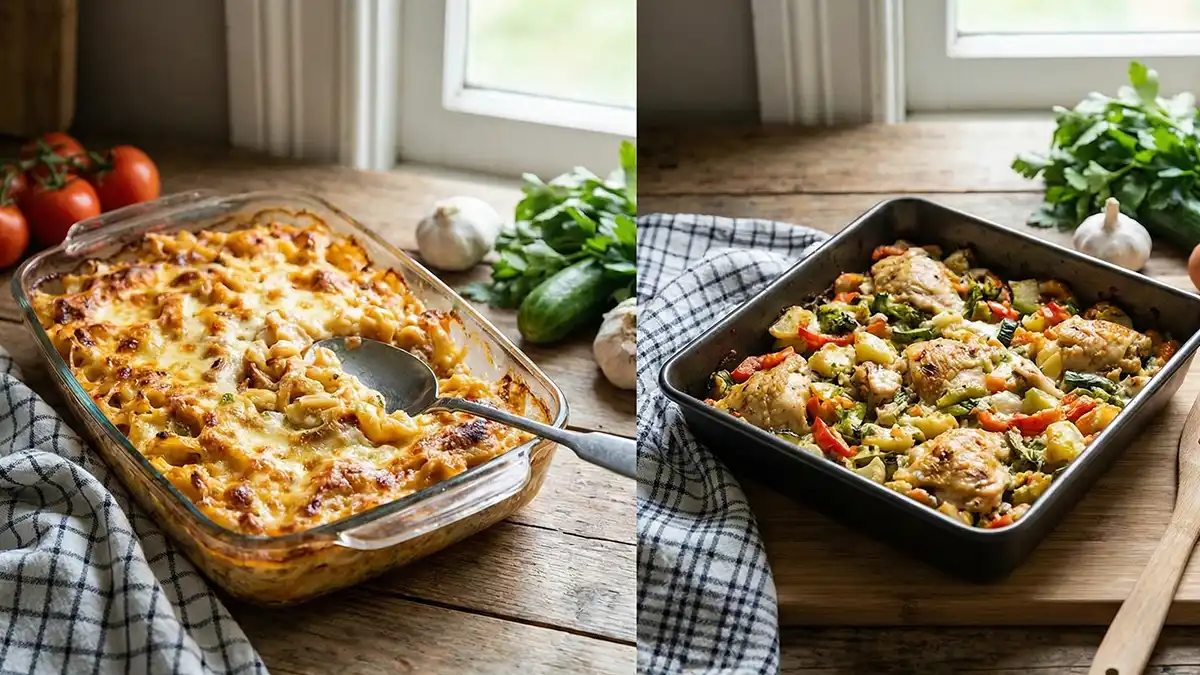
When it comes to achieving perfect results in the kitchen, the choice between a glass and a metal baking dish is more critical than many home cooks realize. Neither material is universally superior; instead, their effectiveness hinges entirely on the specific recipe and the desired outcome. Understanding the distinct properties of each will empower you to select the ideal bakeware for every culinary endeavor.
- Glass bakeware offers even heat distribution and allows for visual monitoring, making it excellent for casseroles and gratins.
- Metal bakeware provides rapid heat transfer and promotes superior browning, ideal for cakes, cookies, and roasted items.
- Thermal shock is a key safety concern with glass, while reactivity can be an issue with some metal types.
- Consider the recipe’s need for browning, even cooking, and heat retention when making your choice.
- Proper care and maintenance are essential for extending the life of both glass and metal bakeware.
Understanding the Basics: Glass Bakeware
Glass bakeware, typically made from tempered glass or borosilicate, is a staple in many kitchens. Its transparent nature allows for easy monitoring of food as it cooks, a significant advantage for dishes where visual cues are important. Glass is also non-reactive, meaning it won’t impart any flavors or chemicals into your food, even with acidic ingredients.
Pros of Glass Baking Dishes
- Even Heat Distribution: Glass heats up slowly but retains heat exceptionally well, distributing it evenly across the dish. This property helps prevent hot spots and ensures consistent cooking.
- Visual Monitoring: The transparency of glass allows you to see the browning and cooking progress from all sides, including the bottom, without disturbing the dish.
- Non-Reactive: Glass does not react with acidic foods, making it suitable for tomato-based sauces, fruit desserts, and other ingredients that might interact with certain metals.
- Heat Retention: Once hot, glass stays hot for a longer period, which can be beneficial for keeping food warm after it comes out of the oven.
- Aesthetic Appeal: Glass dishes often transition beautifully from oven to table, serving as attractive presentation pieces.
Cons of Glass Baking Dishes
- Slower Heating: Glass takes longer to heat up compared to metal, which can slightly extend overall cooking times.
- Poor Browning: While glass retains heat well, it doesn’t conduct heat as efficiently to the surface of the food, often resulting in less browning on the bottom and sides.
- Thermal Shock Risk: Glass is susceptible to thermal shock, meaning extreme temperature changes (e.g., placing a hot dish on a cold surface or adding cold liquid to a hot dish) can cause it to crack or shatter.
- Heavier: Glass bakeware is generally heavier than its metal counterparts, which can be a consideration for handling, especially when full.
- Fragility: Despite being tempered, glass can still break if dropped or subjected to impact.
Understanding the Basics: Metal Bakeware
Metal bakeware encompasses a variety of materials, including aluminum, stainless steel, and carbon steel, often with non-stick coatings. Each type of metal has slightly different properties, but they generally share characteristics of excellent heat conductivity and responsiveness to temperature changes.
Pros of Metal Baking Dishes
- Rapid Heat Transfer: Metal heats up quickly and transfers heat efficiently to the food, which is crucial for recipes requiring a crisp crust or rapid cooking.
- Superior Browning: The high heat conductivity of metal promotes excellent browning and caramelization, creating desirable crusts on cakes, cookies, and roasted vegetables.
- Lightweight: Most metal baking dishes are lighter than glass, making them easier to handle, especially when filled with food.
- Durability: Metal bakeware is generally more resistant to drops and impacts than glass, though it can dent or warp over time.
- Versatility: Available in a wide range of shapes and sizes, including specialized pans for specific tasks like muffins, loaves, and tartlets.
Cons of Metal Baking Dishes
- Uneven Heating: Thinner metal pans can sometimes heat unevenly, leading to hot spots and inconsistent cooking.
- Reactivity: Some metals, particularly uncoated aluminum, can react with acidic foods, potentially imparting a metallic taste or discoloring the food.
- Non-Stick Coating Issues: While convenient, non-stick coatings can scratch, chip, or degrade over time, potentially releasing particles into food.
- Less Heat Retention: Metal cools down faster than glass, which means food won’t stay warm as long after being removed from the oven.
- Visual Obstruction: The opaque nature of metal prevents visual monitoring of the bottom and sides of the food during cooking.
Glass vs Metal Baking Dish Which is Better: A Direct Comparison
To truly understand which bakeware material is superior for your needs, a direct comparison of their key attributes is essential. Each factor plays a significant role in the final outcome of your baked goods and savory dishes.
Heat Conductivity and Retention
Metal bakeware excels in heat conductivity, meaning it heats up quickly and transfers that heat efficiently to the food. This rapid heat exchange is ideal for recipes that benefit from a quick burst of heat, like cookies or thin-crust pizzas. Glass, on the other hand, is a poor conductor but an excellent retainer of heat. It takes longer to heat up but maintains a consistent temperature once hot, providing a more stable cooking environment. This makes glass suitable for dishes that require slow, even cooking throughout, such as casseroles or custards.
Browning and Crust Development
For achieving a golden-brown crust, metal bakeware is the clear winner. Its superior heat conductivity directly translates to better caramelization and browning on the surfaces of food that come into contact with the pan. Darker metal pans, in particular, absorb and transfer heat even more effectively, leading to darker, crispier crusts. Glass bakeware, due to its slower heat transfer to the surface, tends to produce less browning, often resulting in a softer, less developed crust. If a deep golden-brown finish is paramount, opt for metal.
Durability and Longevity
Both glass and metal bakeware can be highly durable, but they have different vulnerabilities. Metal pans, especially those made from heavier gauges of aluminum or steel, can withstand drops and impacts without shattering, though they may dent or warp over time, particularly if exposed to extreme temperature changes. Glass bakeware is robust against scratches and corrosion but is susceptible to breaking from thermal shock or direct impact. With proper care, both types can last for many years, but their failure modes differ significantly.
Cleaning and Maintenance
Cleaning can vary based on the finish and material. Glass bakeware is generally non-porous and non-reactive, making it relatively easy to clean. Baked-on food can often be soaked off, and glass is dishwasher safe. Metal bakeware, especially non-stick varieties, requires more careful handling to preserve the coating. Abrasive scrubbers can damage non-stick surfaces, and some metals may require hand washing to prevent discoloration or rust. For uncoated metal, baked-on food can sometimes be more challenging to remove than from glass.
Safety Considerations
The primary safety concern with glass bakeware is thermal shock. Rapid temperature changes can cause glass to crack or explode, posing a risk of injury and food spoilage. Always allow glass dishes to cool gradually and avoid placing them directly from a hot oven onto a cold surface or adding cold liquids to a hot dish. For metal bakeware, the main concern can be reactivity with acidic foods, especially with uncoated aluminum, which can leach into food or cause discoloration. Non-stick coatings, if scratched or overheated, can also be a concern, though modern coatings are generally considered safe for intended use.
When to Choose Glass Baking Dishes
Glass bakeware shines in specific culinary applications where its unique properties contribute to a superior outcome. Understanding these scenarios will help you leverage its strengths.
Ideal Recipes for Glass
- Casseroles: The even heat retention of glass ensures that casseroles cook uniformly throughout, from the center to the edges, without drying out.
- Gratins: For dishes like potato gratin, where a creamy interior and a gently browned top are desired, glass provides the consistent heat needed.
- Lasagnas and Baked Pastas: Glass helps these layered dishes cook through without over-browning the edges too quickly, and its transparency allows you to see when the cheese is perfectly melted and bubbly.
- Fruit Crisps and Crumbles: The slow, even heat of glass is excellent for baking fruit desserts, allowing the fruit to soften and bubble without the topping burning too fast.
- Custards and Bread Puddings: These delicate dishes benefit from the stable temperature environment that glass provides, preventing scorching and promoting a smooth texture.
Tips for Baking with Glass
- Reduce Oven Temperature: Because glass retains heat so well, many recipes suggest reducing the oven temperature by 25 degrees Fahrenheit when using glass bakeware compared to metal.
- Preheat Carefully: Always place glass bakeware into a preheated oven, never a cold one, to minimize the risk of thermal shock.
- Avoid Extreme Temperature Changes: Never place a hot glass dish directly onto a cold countertop or into cold water. Use a trivet or allow it to cool gradually.
- Grease Thoroughly: Even though glass is non-reactive, greasing the dish well will help prevent sticking and make cleanup easier.
When to Choose Metal Baking Dishes
Metal bakeware is indispensable for recipes that rely on quick, intense heat and excellent browning. Its responsiveness makes it a favorite for many baking and roasting tasks.
Ideal Recipes for Metal
- Cakes: Metal pans, especially lighter-colored ones, promote even baking and a tender crumb, with just enough browning on the exterior. Darker pans can lead to a darker crust.
- Cookies: The rapid heat transfer of metal baking sheets is crucial for achieving crisp edges and perfectly baked centers in cookies.
- Roasted Vegetables: For beautifully caramelized and tender-crisp roasted vegetables, metal pans are ideal. They allow for direct contact with high heat, creating delicious browning.
- Pies and Tarts: Metal pie plates conduct heat efficiently to the bottom crust, preventing sogginess and ensuring a flaky, golden base.
- Breads: Loaf pans and baking sheets made of metal are excellent for baking various types of bread, providing the necessary heat for a good rise and a well-developed crust.
Tips for Baking with Metal
- Grease and Flour: For cakes and breads, thoroughly grease and flour metal pans to prevent sticking, unless using a non-stick pan.
- Parchment Paper: For cookies and some roasted items, lining metal baking sheets with parchment paper can prevent sticking, aid cleanup, and promote even baking.
- Adjust for Pan Color: Lighter metal pans reflect heat, leading to lighter browning. Darker metal pans absorb heat, resulting in darker, crispier crusts. Adjust baking times or temperatures accordingly.
- Avoid Abrasives: When cleaning non-stick metal bakeware, use soft sponges and mild detergents to protect the coating.
Specialty Bakeware: Ceramic and Silicone Alternatives
Beyond glass and metal, other materials offer unique benefits. Ceramic bakeware shares many properties with glass, including excellent heat retention and even cooking, often with an attractive finish. It’s great for casseroles and slow-baked dishes, but also susceptible to thermal shock and chipping. Silicone bakeware is flexible, non-stick, and can withstand a wide range of temperatures, making it ideal for muffins, cupcakes, and intricate molds. However, it doesn’t brown food as effectively as metal or glass and may require placement on a baking sheet for stability.
Making the Right Choice for Your Baking Needs
Ultimately, the decision between glass and metal bakeware comes down to the specific demands of your recipe. If your goal is even, gentle cooking and heat retention for dishes like casseroles, gratins, or custards, glass is often the superior choice. If you need rapid heat transfer, excellent browning, and crisp textures for items such as cakes, cookies, roasted vegetables, or pies, metal bakeware will yield better results. Many home kitchens benefit from having a selection of both types to cover a broad range of culinary tasks.
Extending the Life of Your Bakeware
Regardless of whether you choose glass or metal, proper care is key to longevity. Always follow manufacturer instructions for cleaning and temperature limits. For glass, avoid sudden temperature changes. For metal, protect non-stick coatings from scratches and consider hand washing to preserve their finish. Storing bakeware carefully to prevent chipping or denting will also contribute to its extended usefulness in your kitchen.
Frequently Asked Questions
Is a glass or metal baking dish better for even cooking?
Glass baking dishes are generally better for even cooking because they heat up slowly and retain heat exceptionally well, distributing it uniformly throughout the dish. This consistent temperature helps prevent hot spots and ensures that food cooks thoroughly and evenly from the center to the edges.
Can I use a glass baking dish instead of metal for cakes?
While you can use a glass baking dish for cakes, it’s generally not recommended as the primary choice. Glass heats slower and retains heat more, which can lead to a darker, tougher crust and a longer baking time. If you must use glass, consider reducing the oven temperature by 25 degrees Fahrenheit and monitoring the cake closely.
What are the safety concerns when choosing between glass vs metal baking dish?
For glass bakeware, the main safety concern is thermal shock, where rapid temperature changes can cause the dish to crack or shatter. Metal bakeware can pose a risk if certain types, like uncoated aluminum, react with acidic foods, potentially affecting taste or safety. Always handle hot bakeware with oven mitts.
Which type of baking dish, glass or metal, is easier to clean?
Glass baking dishes are often considered easier to clean because their non-porous surface resists sticking and is non-reactive. Baked-on food can typically be soaked off, and glass is usually dishwasher safe. Metal bakeware, especially non-stick, requires more gentle cleaning to preserve its coating, and some types may need hand washing.
Does the material of a baking dish, glass vs metal, affect cooking time?
Yes, the material significantly affects cooking time. Metal bakeware heats up quickly and transfers heat efficiently, often leading to shorter cooking times and better browning. Glass bakeware heats more slowly and retains heat longer, which can extend cooking times and requires careful temperature adjustments to prevent overcooking or burning.
For roasting vegetables, is a glass or metal baking dish better?
For roasting vegetables, a metal baking dish is generally better. Its superior heat conductivity promotes excellent browning and caramelization, creating delicious crispy edges and tender interiors. Glass can roast vegetables, but it tends to produce less browning and a softer texture due to its slower heat transfer to the food’s surface.
Conclusion
The choice between a glass and a metal baking dish is not about one being inherently superior, but rather about selecting the right tool for the job. Glass excels in providing even, consistent heat for dishes that benefit from slow cooking and heat retention, while metal is unmatched for rapid heat transfer and achieving beautiful browning and crisp textures. By understanding the distinct characteristics of each material, you can make informed decisions that elevate your culinary results. Consider the specific needs of your recipe and build a versatile collection of bakeware to tackle any dish with confidence.
[{“@context”:”https://schema.org”,”@type”:”Article”,”headline”:”Glass Vs Metal Baking Dish Which Is Better”,”mainEntityOfPage”:”https://homegeartoday.com/?p=81″,”datePublished”:”2025-12-09T21:08:19+00:00″,”dateModified”:”2025-12-09T21:08:19+00:00″},{“@context”:”https://schema.org”,”@type”:”ItemList”,”itemListElement”:[{“@type”:”ListItem”,”position”:1,”name”:”Understanding the Basics: Glass Bakeware”},{“@type”:”ListItem”,”position”:2,”name”:”Pros of Glass Baking Dishes”},{“@type”:”ListItem”,”position”:3,”name”:”Cons of Glass Baking Dishes”},{“@type”:”ListItem”,”position”:4,”name”:”Understanding the Basics: Metal Bakeware”},{“@type”:”ListItem”,”position”:5,”name”:”Pros of Metal Baking Dishes”},{“@type”:”ListItem”,”position”:6,”name”:”Cons of Metal Baking Dishes”},{“@type”:”ListItem”,”position”:7,”name”:”Glass vs Metal Baking Dish Which is Better: A Direct Comparison”},{“@type”:”ListItem”,”position”:8,”name”:”Heat Conductivity and Retention”},{“@type”:”ListItem”,”position”:9,”name”:”Browning and Crust Development”},{“@type”:”ListItem”,”position”:10,”name”:”Durability and Longevity”},{“@type”:”ListItem”,”position”:11,”name”:”Cleaning and Maintenance”},{“@type”:”ListItem”,”position”:12,”name”:”Safety Considerations”},{“@type”:”ListItem”,”position”:13,”name”:”When to Choose Glass Baking Dishes”},{“@type”:”ListItem”,”position”:14,”name”:”Ideal Recipes for Glass”},{“@type”:”ListItem”,”position”:15,”name”:”Tips for Baking with Glass”}]}]
Metal baking pans heat up faster and produce crispier, more browned edges — ideal for cookies, bread, and roasted vegetables. Glass baking dishes heat more slowly and evenly, retain heat longer, and are better for casseroles, lasagna, and bakes where uniform internal cooking matters more than browning.
Metal pans bake approximately 25% faster than glass pans due to their superior heat conductivity. When substituting a glass dish for a metal pan in a recipe, reduce oven temperature by 25°F or extend baking time to compensate for glass’s slower heat transfer.
Standard glass baking dishes should not go directly from a cold fridge to a hot oven — the thermal shock can cause the glass to crack or shatter. Allow dishes to come to room temperature (15–20 minutes) before placing in a preheated oven. Borosilicate glass is more thermal shock-resistant but still benefits from gradual temperature change.
Heavy-gauge stainless steel, carbon steel, and enameled cast iron are the best materials for roasting pans. They withstand high oven temperatures, produce excellent fond (browned bits) for gravies, and can be used on the stovetop for deglazing — an important advantage over glass roasting dishes.
No, standard glass baking dishes (Pyrex, Anchor Hocking) cannot be used on a gas or electric stovetop. The direct heat from a stovetop burner causes thermal shock that shatters glass dishes. Only stovetop-safe ceramic or metal pans should be used directly on burners.
