
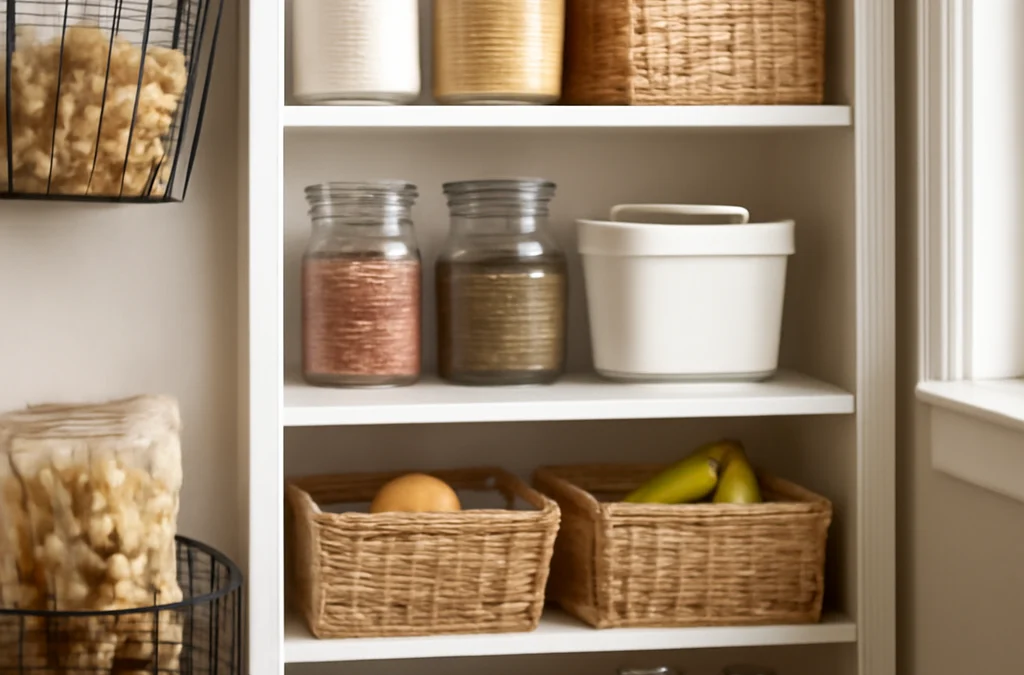
Effectively storing food in a small pantry requires strategic planning and smart utilization of every available space. By focusing on vertical organization, employing clear, stackable containers, and regularly decluttering, homeowners can transform a cramped pantry into an efficient and accessible storage area. Implementing a first-in-first-out system ensures food freshness and minimizes waste.
- Utilize vertical space with stackable shelves and risers.
- Decant dry goods into clear, airtight containers for uniformity.
- Install over-the-door organizers for spices and smaller items.
- Categorize items and create zones for easy access.
- Regularly check expiration dates and declutter.
- Employ pull-out drawers or lazy Susans for deep shelves.
Understanding the Challenges of a Small Pantry
Small pantries present unique organizational hurdles that can quickly lead to frustration and inefficiency. The primary challenge is the limited footprint, which often results in items being stacked haphazardly or hidden from view. This lack of visible inventory can lead to duplicate purchases and forgotten ingredients, contributing to food waste.
Another common issue is the underutilization of vertical space. Many small pantries have tall shelves with significant gaps above items, wasting valuable storage potential. Deep shelves can also be problematic, as items pushed to the back become inaccessible and easily overlooked. Addressing these challenges requires a thoughtful approach to storage solutions and a commitment to maintaining order.
Essential Principles for Small Pantry Organization
Successful small pantry organization hinges on several core principles designed to optimize space and improve functionality. The first step is a thorough decluttering process, removing expired items, duplicates, and anything not regularly used. This creates a clean slate and provides an accurate assessment of what needs to be stored.
Categorization is another vital principle. Grouping similar items together, such as baking supplies, canned goods, or snacks, makes it easier to locate specific ingredients and maintain order. Implementing a first-in-first-out (FIFO) system, where older items are placed at the front, helps ensure food freshness and reduces spoilage. Finally, maximizing vertical space and utilizing every available surface are crucial for expanding storage capacity in a confined area.
Creative Food Storage Ideas for Small Pantry
Transforming a small pantry into an organized and efficient space requires innovative thinking and the right tools. One effective strategy is to create designated zones for different food categories. For example, a ‘breakfast zone’ might include cereals, oatmeal, and coffee, while a ‘baking zone’ holds flour, sugar, and spices. This systematic approach reduces search time and keeps related items together.
Decanting dry goods like pasta, rice, and cereals into clear, airtight containers is another excellent idea. This not only creates a uniform and aesthetically pleasing look but also protects food from pests and moisture, extending its shelf life. Clear containers also allow for quick visual inventory, eliminating the need to rummage through bags and boxes. Consider using square or rectangular containers over round ones to maximize space efficiency on shelves.
For smaller items, consider using small bins or baskets within larger categories. For instance, a bin for snack bars or individual packets can prevent them from scattering across shelves. Labeling these containers and shelves clearly is paramount, ensuring everyone in the household knows where items belong and can easily put them away after use.
Maximizing Vertical Space with Smart Solutions
Vertical space is often the most underutilized asset in a small pantry. Harnessing this potential can significantly increase storage capacity. Stackable shelves and shelf risers are simple yet effective tools that double or even triple the usable space between existing shelves. These allow for stacking items like canned goods or plates without creating unstable towers.
Tiered organizers, particularly for spices or canned goods, are another excellent vertical solution. They elevate items at the back, making them visible and accessible, preventing forgotten ingredients. For taller items, adjustable shelving systems can be a game-changer, allowing customization of shelf height to perfectly fit various container sizes, from tall cereal boxes to shorter condiment bottles.
Consider installing pull-out drawers or baskets on lower shelves. These solutions make it easier to access items stored at the back without having to remove everything in front. This is especially useful for heavier items like bags of potatoes or onions, or for frequently accessed items that might otherwise get lost in a deep cabinet.
Utilizing Pantry Doors and Walls for Extra Storage
The often-overlooked surfaces of pantry doors and walls offer prime real estate for additional storage. Over-the-door organizers, typically featuring multiple clear pockets or wire baskets, are perfect for holding spices, small jars, snack pouches, or even cleaning supplies. These organizers keep frequently used items within easy reach and free up valuable shelf space.
Wall-mounted shelving units or pegboards can also be installed on interior pantry walls, provided there is sufficient clearance for the door to close. Pegboards are particularly versatile, allowing for hooks and small baskets to be arranged and rearranged as needed, ideal for hanging utensils, small kitchen gadgets, or even bags of chips. Slim, wall-mounted spice racks are another excellent way to keep spices organized and visible without taking up shelf space.
For very narrow spaces, consider magnetic strips mounted on the wall or inside the door. These can hold metal spice tins, knives (if appropriate for a pantry setting), or other small metallic items, adding a unique and space-saving storage dimension.
Choosing the Right Storage Containers and Tools
Selecting appropriate storage containers and tools is fundamental to an organized small pantry. Clear, airtight containers are highly recommended for dry goods. They protect food from air and moisture, deter pests, and allow for immediate visual identification of contents and quantities. Square or rectangular shapes are preferred as they fit together more efficiently than round ones, maximizing shelf space.
Baskets and bins are invaluable for grouping similar items and containing clutter. Woven baskets can add a decorative touch, while clear plastic bins offer visibility. Look for stackable options to further optimize vertical space. Lazy Susans (turntables) are excellent for corner cabinets or deep shelves, providing easy access to items that would otherwise be difficult to reach, such as condiments, oils, or spices.
Drawer dividers and small trays can be used within larger bins or on shelves to separate smaller items like seasoning packets, tea bags, or baking decorations. Labels are non-negotiable for any container or shelf, ensuring that everything has a designated home and can be easily found and returned. Consider using a label maker for a consistent and professional look.
Organizing Specific Food Categories Efficiently
Different food categories benefit from specific organizational strategies within a small pantry. For canned goods, use tiered risers to keep all cans visible and accessible, arranging them by type (vegetables, fruits, soups). Implement the FIFO method by placing new cans at the back.
Dry goods, as mentioned, are best stored in clear, airtight containers. Group similar items like pasta, rice, and grains together. For baking supplies, dedicate a specific shelf or a large bin to flour, sugar, baking soda, and extracts. Spices are best kept on a tiered rack, a magnetic strip, or an over-the-door organizer to maximize visibility and prevent them from getting lost.
Snacks can be stored in designated bins or baskets, making it easy for family members to grab what they need without disrupting other categories. Produce that doesn’t require refrigeration, such as potatoes, onions, and garlic, can be stored in breathable baskets on lower shelves or in pull-out drawers, ensuring good air circulation to prevent spoilage.
Maintaining an Organized Small Pantry Long-Term
Achieving an organized small pantry is only half the battle; maintaining it requires ongoing effort and consistent habits. Regular decluttering is essential. Schedule a quick pantry check every few weeks to remove expired items, consolidate nearly empty packages, and wipe down shelves. This prevents accumulation and keeps the space fresh.
Conducting a periodic inventory helps prevent overbuying and ensures you use what you have before it expires. Before grocery shopping, quickly scan your pantry to note what needs replenishing and what you already have. Always put new groceries away according to your established system, placing new items behind older ones (FIFO).
Encourage all household members to participate in maintaining the organization. When everyone knows where items belong and understands the system, it’s much easier to keep the pantry tidy. Consistency in these small habits will prevent the pantry from reverting to a state of disarray.
DIY Food Storage Solutions for Tight Spaces
For those on a budget or who enjoy a hands-on approach, several DIY food storage solutions can be implemented in a small pantry. Repurposing existing items is a great starting point. Old shoe boxes, when covered with decorative paper or fabric, can become attractive bins for snacks or small packets. Glass jars from sauces or pickles, once thoroughly cleaned, are perfect for storing spices, nuts, or dried herbs.
Simple wooden crates or plastic bins can be stacked to create custom shelving units, especially useful if your pantry lacks built-in shelves. For a quick spice rack, attach small, shallow shelves to the inside of a pantry door using strong adhesive strips or screws. Even tension rods can be used to create vertical dividers for baking sheets or cutting boards, or to hang spray bottles for cleaning supplies.
Consider making your own tiered risers from sturdy cardboard boxes, cutting them to size and reinforcing them. These DIY solutions not only save resources but also allow for highly customized storage tailored to the exact dimensions and needs of your small pantry.
Common Mistakes to Avoid in Small Pantry Organization
Even with the best intentions, several common mistakes can undermine efforts to organize a small pantry. One frequent error is overbuying, especially bulk items that simply don’t fit the available space. While buying in bulk can be economical, it’s counterproductive if it leads to an overflowing, disorganized pantry.
Another mistake is neglecting to label containers. Without clear labels, even perfectly decanted items become a mystery, leading to confusion and wasted time. Ignoring expiration dates is also a significant oversight, contributing to food waste and potential health risks. Regularly checking and rotating stock is crucial.
Using containers that are too large or oddly shaped for the pantry’s dimensions can also waste valuable space. Opt for square or rectangular, stackable containers that fit snugly together. Finally, failing to establish and maintain a system is a common pitfall. Organization is not a one-time event but an ongoing process that requires consistent effort and adherence to established rules.
Frequently Asked Questions
What are the best food storage ideas for small pantry?
The best food storage ideas for a small pantry involve maximizing vertical space with stackable shelves and risers, utilizing clear, airtight containers for dry goods, and installing door or wall organizers for smaller items. Categorizing food and implementing a first-in-first-out system are also highly effective strategies.
How can I organize my small pantry effectively?
To effectively organize a small pantry, start by decluttering and removing expired items. Then, categorize your food into zones, use vertical space with tiered organizers, and decant dry goods into uniform containers. Regularly review and maintain your system to prevent clutter from returning.
What types of containers work best for a tiny food pantry?
For a tiny food pantry, clear, airtight, and stackable containers are ideal for dry goods as they save space and allow for easy visibility. Bins and baskets are excellent for grouping items, while lazy Susans and tiered risers optimize access and vertical space on shelves.
Are there any DIY food storage ideas for a small pantry?
Yes, DIY food storage ideas for a small pantry include repurposing clean glass jars for spices or nuts, using decorated shoe boxes as bins, and stacking wooden crates for custom shelving. Tension rods can also create dividers or hanging space for various items.
How do I keep my small food pantry organized long-term?
To keep a small food pantry organized long-term, establish a routine of regular decluttering and checking expiration dates. Always put new groceries away according to your established system, and conduct periodic inventory checks before shopping to avoid overbuying.
What should I avoid when organizing food storage in a small pantry?
When organizing food storage in a small pantry, avoid overbuying bulk items that don’t fit, neglecting to label containers, and ignoring expiration dates. Also, steer clear of using oddly shaped or excessively large containers that waste precious space.
Conclusion
Transforming a small pantry into an organized and efficient food storage area is entirely achievable with thoughtful planning and consistent effort. By embracing vertical solutions, utilizing smart containers, and adhering to principles of categorization and regular maintenance, every inch of space can be optimized. These strategies not only enhance accessibility but also contribute to reducing food waste and creating a more functional kitchen environment.
Take the first step today by decluttering your pantry and implementing a few of these smart storage solutions to experience the benefits of a well-organized space.
{“@context”:”https://schema.org”,”@type”:”Article”,”headline”:”Smart Food Storage Ideas XXX Small Pantry: Maximize Every Inch”,”mainEntityOfPage”:”https://homegeartoday.com/?p=123″,”datePublished”:”2025-12-13T15:21:13+00:00″,”dateModified”:”2025-12-13T15:21:13+00:00″}
Related: how to store leftovers safely in the fridge
Decant bulk dry goods into clear, airtight containers of uniform size for efficient stacking and visual inventory. Use lazy Susans in deep shelves for easy access to back items. Add a second shelf within tall spaces using shelf risers, and use the inside of the door for spice racks or small baskets.
Airtight square or rectangular containers in a consistent size (Oxo Pop, Rubbermaid Brilliance, IKEA 365+) stack efficiently and make the best use of rectangular shelf space. Clear containers allow instant visual inventory checks without pulling items out to find what you need.
Use a label maker for clean, consistent labels on all containers and shelf zones. Include both the item name and the expiry or purchase date. A consistent labeling system removes guesswork and makes it easy for all household members to find and return items correctly.
Use pull-out shelf organizers, lazy Susans, or baskets as pull-out drawers to bring items from the back to the front easily. Organize with the tallest items at the back and shorter items in front. Never store items directly at the back if you cannot easily see and reach them.
The FIFO (First In, First Out) system — placing new purchases behind existing stock so older items are always used first — is the single most effective system for reducing food waste in a pantry. Combined with a weekly pantry check before grocery shopping, it prevents both waste and duplicate purchases.