
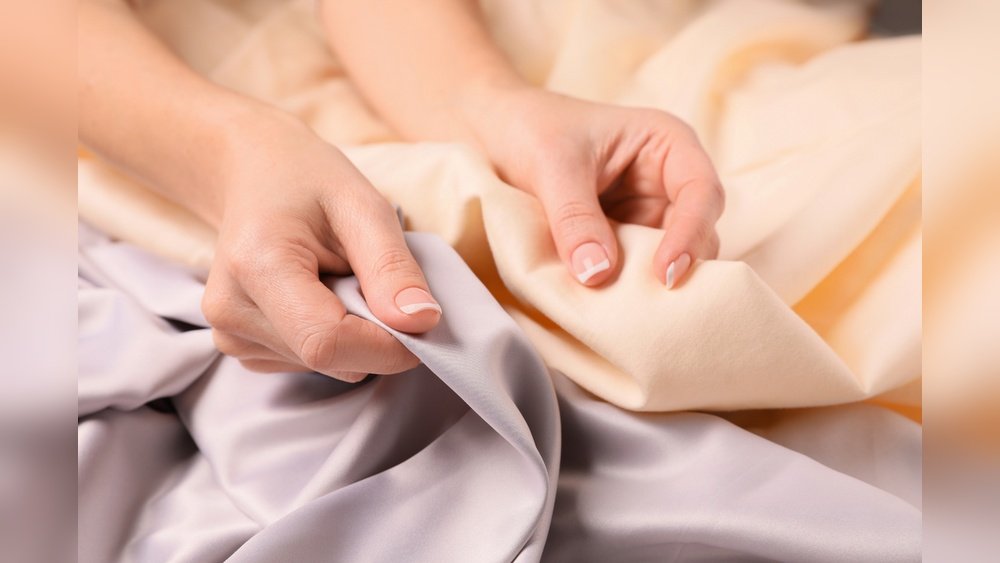
Choosing the right bed sheets can change how you sleep. Many people wonder if Egyptian cotton sheets are really better than regular cotton sheets. The price difference is often big, but is the quality difference just as big? If you’ve ever touched soft, luxury sheets at a hotel, you might have slept on Egyptian cotton. But what exactly makes it special? And is it always worth the money?
Let’s dive in and compare Egyptian cotton and regular cotton sheets from every angle. You’ll learn what makes them different, why price matters, how to spot fakes, and which one might be best for your home.
What Is Egyptian Cotton?
Egyptian cotton comes from the cotton plant species Gossypium barbadense, grown mostly along the Nile River in Egypt. The climate there is perfect for growing cotton with extra-long fibers—called staples. These longer fibers are spun into strong, fine threads. When woven, the fabric feels smooth, soft, and luxurious.
But not all cotton grown in Egypt is true Egyptian cotton. To be called Egyptian cotton, sheets must use these long-staple fibers. Sometimes, brands misuse the term. True Egyptian cotton often has a certification or label from the Cotton Egypt Association.
Main Features Of Egyptian Cotton
- Extra-long staple fibers (about 1.5 inches or longer)
- Smooth, silky feel
- Strong and durable
- Absorbs dye well for rich colors
- Usually more expensive
What Is Regular Cotton?
Most regular cotton sheets are made from upland cotton (Gossypium hirsutum). This is the most widely grown cotton in the world. The fibers are shorter—called short staple or medium staple—usually under 1.25 inches.
Shorter fibers make the fabric feel rougher and less smooth. The sheets might pill (form small balls of fiber) after a few washes. Regular cotton is still comfortable and affordable, but usually not as soft or long-lasting as Egyptian cotton.
Main Features Of Regular Cotton
- Shorter fibers (under 1.25 inches)
- Basic softness
- Affordable price
- Pills and wears faster
- Available everywhere
Key Differences At A Glance
Let’s see how the two types compare side by side.
| Feature | Egyptian Cotton | Regular Cotton |
|---|---|---|
| Fiber Length | Extra-long (1.5″+) | Short/Medium (<1.25″) |
| Feel | Smoother, silkier | Basic softness |
| Durability | Very high | Moderate |
| Pilling | Rare | Common |
| Cost | Expensive | Low to moderate |
How Egyptian Cotton Sheets Are Made
Egyptian cotton goes through a careful process:
- Hand-picking: The cotton is often picked by hand, which keeps the fibers long and undamaged.
- Spinning: Long fibers are spun into thin, strong threads.
- Weaving: Threads are woven tightly, making the fabric smoother and stronger.
- Finishing: The sheets are washed, dyed, and finished for softness.
Because the process is slow and gentle, the result is fabric that feels luxurious and lasts for years.
Thread Count: Does It Matter?
Many people believe a higher thread count means better sheets. This is not always true.
Thread count means the number of threads woven into one square inch of fabric. While thread count matters, the quality of the fiber is more important.
- Egyptian cotton sheets can feel softer at 300 thread count than regular cotton at 600.
- Manufacturers sometimes use double or triple-ply threads to boost the number, but this can make sheets thicker and less breathable.
Ideal thread count for Egyptian cotton is usually between 300 and 500. Going above 600 often adds little benefit.
Durability: Which Lasts Longer?
Egyptian cotton sheets are known for their strength. The long fibers create fewer exposed ends, so the fabric resists fraying and tearing. With good care, these sheets can last 10–15 years.
Regular cotton sheets tend to wear out faster. They may pill, fade, and develop holes after a few years, especially with frequent washing.
Here’s a comparison of expected lifespan:
| Sheet Type | Average Lifespan |
|---|---|
| Egyptian Cotton | 10–15 years |
| Regular Cotton | 2–5 years |
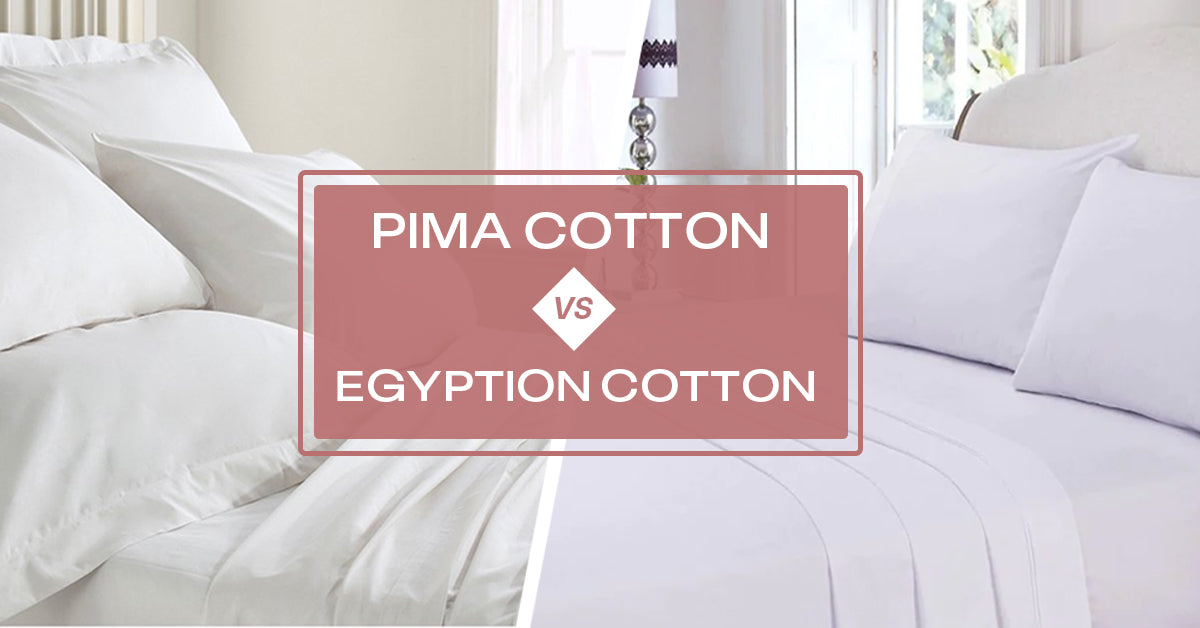
Credit: yorkshirebedding.co.uk
Comfort And Feel
Egyptian cotton sheets are famous for their soft, cool, and smooth touch. The fabric feels almost silky, and it gets even softer with each wash. This is why many top hotels use Egyptian cotton.
Regular cotton sheets can also be soft, but usually not as smooth. They may feel coarser or rougher over time, especially if the thread count is low or the cotton is blended with polyester.
Non-obvious Insight:
- The feel of Egyptian cotton can change based on the weave. Sateen weave feels silkier; percale weave feels crisp and cool. Always check the weave style, not just the cotton type.
Breathability And Temperature
Breathability is key for a good night’s sleep, especially in warm climates.
- Egyptian cotton sheets are more breathable because the fibers are longer and the fabric can be woven tightly yet stay airy.
- Regular cotton is still breathable, but can trap more heat, especially if blended with synthetic fibers.
Pro tip: If you sweat at night, choose Egyptian cotton percale sheets. They feel cooler and wick away moisture better.
Appearance And Color
Egyptian cotton absorbs dye very well, so colors stay bright even after many washes. The fabric keeps its shine and smooth look.
Regular cotton sheets can fade faster. Colors may look dull after a few months of use. Sheets may also wrinkle more and lose their shape.
Price Comparison
Price is a big factor when choosing sheets.
- Egyptian cotton sheets: $100–$500+ for a queen set, depending on brand and thread count.
- Regular cotton sheets: $20–$100 for a queen set.
Why such a big price gap? Egyptian cotton is rare, the process is slower, and the fabric lasts much longer.
But price does not always mean quality. Many brands use the term “Egyptian cotton” without proper certification. Always check for reputable labels or certificates.
Care And Maintenance
Taking care of your sheets extends their life.
Egyptian cotton:
- Wash in cold water with mild detergent
- Avoid bleach and fabric softeners
- Dry on low heat or air dry
- Iron if needed to keep smooth
Regular cotton:
- More tolerant of hot water and harsher washing
- May shrink or wrinkle more
- Needs less careful handling
Extra tip: Don’t overload your washing machine—this prevents pilling and keeps fibers intact.
Common Myths And Mistakes
Many buyers make mistakes when shopping for sheets:
- Believing all “Egyptian cotton” is real: Some companies blend Egyptian cotton with regular cotton but still use the name.
- Chasing high thread count: Quality fiber matters more than the number.
- Ignoring weave type: Percale and sateen feel very different.
- Not checking return policy: Some luxury sheets can’t be returned after opening.
Non-obvious insight: Sometimes, Egyptian cotton sheets feel stiff out of the package. This is normal. They soften after a few washes.
Sustainability And Environmental Impact
Growing Egyptian cotton uses more water but less pesticide than regular cotton. Many top Egyptian cotton brands now use eco-friendly processes. Regular cotton is often grown with more chemicals, but organic options exist.
If you care about sustainability:
- Look for GOTS (Global Organic Textile Standard) or OEKO-TEX certification.
- Check if the brand supports fair labor and eco-friendly farming.
Which One Should You Choose?
Your decision depends on budget, comfort, and long-term value.
Choose Egyptian cotton if:
- You want luxury and comfort
- You want sheets that last for many years
- You have sensitive skin
Choose regular cotton if:
- You want affordable sheets
- You replace sheets often
- You don’t mind basic softness
If you want a middle option, look for Pima cotton (from the USA or Peru), which also has long fibers and feels soft.

Credit: ethicalbedding.com
Spotting Fake Egyptian Cotton
Sadly, about 90% of “Egyptian cotton” products worldwide are fake or blended. To avoid being tricked:
- Look for certification from the Cotton Egypt Association
- Check product reviews and brand reputation
- Be wary of very low prices
- Ask if the sheets are 100% Egyptian cotton or a blend
For more information, see the Egyptian Cotton Wikipedia page.
Real-world Examples
Luxury hotels like the Four Seasons and the Ritz-Carlton use certified Egyptian cotton sheets for their comfort and durability. Many high-end bedding brands also offer Egyptian cotton options with clear certification.
But some discount stores may sell “Egyptian cotton” sheets for $30–$40. These are often blends or lower-quality products.

Credit: yorkshirebedding.co.uk
Final Thoughts
Both Egyptian cotton and regular cotton sheets have their place. Egyptian cotton offers unmatched softness, strength, and a luxury feel, but you’ll pay more. Regular cotton is practical and affordable for everyday use. The best choice comes down to your needs, budget, and how much you value long-term comfort.
If you want to invest in restful sleep and don’t mind spending more, Egyptian cotton is hard to beat. But always check the label, and remember: in bedding, you often get what you pay for.
Frequently Asked Questions
What Makes Egyptian Cotton Better Than Regular Cotton?
Egyptian cotton uses extra-long fibers, making sheets smoother, stronger, and more durable. Regular cotton has shorter fibers, so sheets can feel rougher and wear out faster.
How Can I Tell If My Sheets Are Real Egyptian Cotton?
Check for certification from the Cotton Egypt Association, read brand reviews, and avoid deals that seem too cheap. Real Egyptian cotton sheets are usually labeled and come with proof.
Are Egyptian Cotton Sheets Worth The Extra Money?
If you want luxury, comfort, and sheets that last many years, yes. For short-term or budget needs, regular cotton is fine.
What Is The Best Thread Count For Egyptian Cotton Sheets?
The ideal range is 300–500. Higher counts do not always mean better quality, especially if the cotton is not genuine.
Can Egyptian Cotton Sheets Help With Allergies?
Yes. Egyptian cotton is naturally hypoallergenic if kept clean, making it good for sensitive skin and people with allergies. Regular cotton can also be hypoallergenic, but may pill more and trap dust.
With the right information, you can choose bedding that fits your life and gives you better sleep every night.