
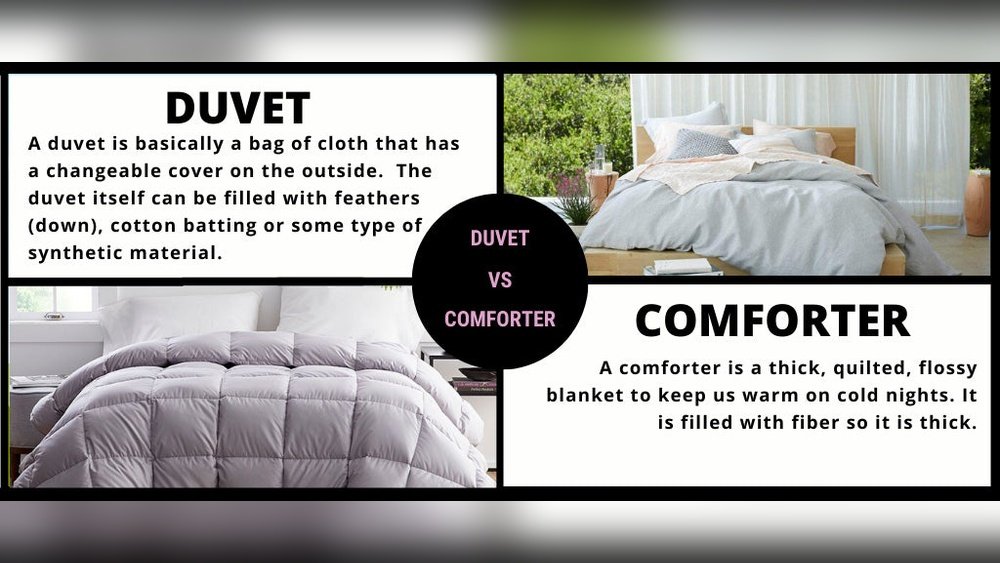
When you step into a bedding store or browse online for new bedding, you will likely see two popular options for the top layer of your bed: duvet and comforter. Both look soft, fluffy, and inviting, but if you are not familiar with bedding terms, you might wonder—what is the real difference between a duvet and a comforter? This confusion is common, especially for people who are setting up their first bedroom or moving into a new home.
Understanding the difference is more than just knowing the names. The right choice can affect your comfort, your style, and how much time you spend making your bed. In this article, you will learn the practical differences, unique benefits, and small details that beginners often miss when choosing between a duvet and a comforter.
Let’s clear up the confusion, so you can make your bed with confidence.
What Is A Duvet?
A duvet is a soft, flat bag filled with down, feathers, wool, or synthetic materials. Think of it as a large fabric pouch. The word “duvet” comes from the French word for “down.” Traditionally, duvets were filled with the soft inner feathers from ducks or geese, but today, many are made with alternative fillings for allergy concerns.
How A Duvet Is Used
A duvet is almost always used inside a duvet cover. The cover is like a giant pillowcase for your duvet. It protects the filling and can be easily removed and washed. This setup helps keep the duvet clean and allows you to change the look of your bedding without buying a whole new duvet.
Duvet Construction
- Filling: Down, feathers, microfiber, wool, or cotton
- Outer shell: Usually cotton, sometimes polyester or blends
- Stitching: Box or baffle stitching keeps filling evenly spread
Duvets are designed to be fluffy and warm. The cover is often closed with buttons, zippers, or ties.
Key Benefits Of A Duvet
- Easy to Clean: Only the cover needs regular washing.
- Customizable Style: Change covers for a new look.
- Warmth Level: Choose the filling and thickness for different climates.
What Is A Comforter?
A comforter is a thick, quilted blanket filled with insulating materials. It’s stitched shut and does not require a separate cover. The comforter’s outer layer is usually decorative and meant to be seen. Comforters are popular in the United States and are sold as part of bed-in-a-bag sets.
How A Comforter Is Used
You place a comforter directly on your bed as the top layer. Most people use it with a flat sheet underneath, but no additional cover is needed. When you want to wash it, you must clean the whole comforter, which can be challenging with large sizes.
Comforter Construction
- Filling: Down, polyester, cotton blends, or alternative fibers
- Outer shell: Usually cotton or polyester
- Stitching: Quilted to keep filling in place, often in decorative patterns
Comforters are designed to be ready-to-use, with no extra assembly or cover required.
Key Benefits Of A Comforter
- Ready Right Away: No need to buy or fit a separate cover.
- Matching Sets: Often comes with sheets and pillowcases.
- Simple Maintenance: Just put it on and go.
:max_bytes(150000):strip_icc()/SPR-duvet-vs-comforter-7113622-844fc226dedd4e74a8dfa30ac2473f95.jpg)
Credit: www.thespruce.com
Side-by-side Comparison
It’s easier to see the differences with a direct comparison. Here is a quick look at the most important points:
| Feature | Duvet | Comforter |
|---|---|---|
| Use | Needs a cover | Used as is |
| Cleaning | Wash cover regularly | Wash entire comforter |
| Style Change | Easy, just swap covers | Must buy new comforter |
| Warmth Options | Many fill types and weights | Some, but less flexible |
| Cost | Often more expensive (with cover) | Usually cheaper |
Comfort: Which Feels Better?
Both duvets and comforters can be soft and warm, but the way they feel depends on their filling, weight, and fabric. Duvets are known for a fluffy, cloud-like sensation. This is because many duvets use high-quality down or down-alternative fills that trap air and provide warmth without weight. Comforters, while also cozy, are often heavier and less lofty.
What many beginners do not realize is that the duvet’s warmth can be adjusted easily by changing the insert. For example, you can use a lightweight duvet in summer and a thick one for winter, keeping the same cover for style.
Comforters are less flexible; you usually need different ones for different seasons.
Style And Bedroom Design
Duvets and comforters play a big role in the look of your bedroom. With duvets, you have nearly endless design choices. Want to switch from a floral pattern to a simple white hotel look? Swap the cover. This makes duvets a favorite for people who like to update their room’s style.
Comforters come in many colors and patterns, too, but you cannot change their appearance without buying a new comforter. However, comforters are often sold in sets that include matching pillow shams and sheets, making it easy to get a coordinated look.
Cleaning And Maintenance
One of the most practical differences is washing. Duvet covers are easy to remove and fit in a standard washing machine. This is ideal for people with allergies or those who want to keep their bedding fresh.
Washing a comforter is more challenging. Most home washing machines are not large enough for bulky comforters, especially king or queen sizes. You may need to use a commercial laundry service or laundromat. Over time, frequent washing can also make the filling clump or lose its shape.
Common Mistake: Not Using A Cover With A Duvet
Some people new to bedding buy a duvet but forget to use a cover. This can quickly ruin the duvet, as it is not designed to be washed often. Always use a cover with a duvet for protection and longer life.

Credit: www.goodhousekeeping.com
Durability And Longevity
Duvets often last longer than comforters, mainly because the cover takes all the wear and tear. When the cover gets old or stained, you simply replace it—keeping the expensive duvet insert safe inside. Down-filled duvets can last up to 10 years or more with proper care.
Comforters, since you wash the entire item, tend to wear out faster. The filling can shift, and the fabric can fade or rip over time. Budget comforters may only last a few years before needing replacement.
Price And Value
The initial cost of a duvet is usually higher than a comforter, especially if you choose real down and buy a separate cover. However, over time, the ability to change covers and the longer life of the duvet can save money.
Comforters are sold at a wide range of prices, from very cheap to luxury. Lower-priced comforters are easy to find, making them a popular choice for students or guest rooms. However, if you want to change your room’s look or need a new one, you must buy a whole new comforter.
Making Your Bed: Which Is Simpler?
Making the bed with a comforter is simple—just lay it flat and you’re done. Duvets, on the other hand, can be tricky to put inside their covers. This process, called “stuffing the duvet,” is a common complaint.
A practical tip: Turn the cover inside out, grab the corners of the duvet, and shake them together. There are many online videos showing this “burrito method.” Once you learn the trick, it gets easier.
Allergies And Health
Allergy sufferers need to pay attention to bedding. Both duvets and comforters can be filled with hypoallergenic materials. However, duvets have an advantage because you can wash the cover frequently, reducing dust mites and allergens. If you choose a comforter, look for options labeled “allergy friendly” and be prepared to wash it regularly.
Climate And Season
If you live in a place with hot summers and cold winters, flexibility is key. Duvets allow you to choose different inserts for each season. Simply swap out a heavy winter fill for a lighter summer one, using the same cover.
Comforters are less flexible. Most are made for one level of warmth, so you may need extra blankets in winter or a lighter throw in summer.
Availability And Popularity
Duvets are very popular in Europe, while comforters are the standard in North America. In hotels, you’ll often find duvets with crisp white covers because they are easy to clean and replace between guests.
Comforters are easy to find in U. S. stores and come in many patterns and colors. If you want a “bed-in-a-bag” set, a comforter is usually included.

Credit: casper.com
Table: Quick Decision Guide
If you are unsure which to choose, this simple guide can help:
| Your Priority | Choose a Duvet If… | Choose a Comforter If… |
|---|---|---|
| Easy cleaning | You want to wash only the cover | You are okay with washing the whole blanket |
| Style changes | You like changing colors/patterns often | You want a “set it and forget it” style |
| Initial cost | You are ready to invest more for long-term use | You want a budget-friendly option |
| Making the bed | You don’t mind fitting the cover | You want the fastest, easiest setup |
| Allergies | You want to wash bedding often | You prefer simple, all-in-one washing |
Non-obvious Insights Beginners Miss
- Duvet covers can slip: If your duvet or cover does not have corner ties, the insert can bunch up inside. Make sure to buy a cover with ties or clips to keep the insert in place.
- Comforter size may not match your bed: Comforters are often “bed size” (twin, full, queen, king), but the actual measurements can vary a lot by brand. Always check the dimensions, not just the label, to avoid a comforter that is too short or small for your mattress.
- Duvet covers add a layer: Some people find that a thick duvet cover makes the bedding too heavy or warm. Choose a lightweight cover if you live in a hot climate.
Sustainability And Eco-friendliness
If you care about the environment, look for duvets and comforters made from organic cotton, recycled materials, or responsibly sourced down. Duvets may be the greener choice in the long run because you keep the insert for many years and only replace the cover. Some brands even offer certified eco-friendly bedding. For more information on sustainable bedding, you can visit Wirecutter by The New York Times.
Which Is Best For You?
Choosing between a duvet and a comforter comes down to your lifestyle, preferences, and how much time you want to spend on bedding care. If you value style, easy cleaning, and long-term use, a duvet with covers is a smart choice.
If you want something simple and affordable, and do not plan to change your room’s look often, a comforter may be better.
Remember, there is no “best” choice for everyone. It’s about what fits your needs—and now, you have the facts to decide with confidence.
Frequently Asked Questions
What Is The Main Difference Between A Duvet And A Comforter?
The main difference is that a duvet needs a separate cover and is meant to be used inside that cover, while a comforter is a single piece that can be used as is, without a cover.
Can I Use A Duvet Without A Cover?
Technically, yes, but it is not recommended. Duvets are not designed to be washed often, so always use a duvet cover to protect the insert and extend its life.
Are Duvets Or Comforters Better For People With Allergies?
Duvets are often better because you can wash the cover more frequently, reducing dust and allergens. Choose hypoallergenic fillings for both types.
Why Do Hotels Often Use Duvets Instead Of Comforters?
Hotels prefer duvets with covers because they can change and wash the cover between guests, keeping bedding fresh and clean without replacing the insert.
How Do I Know What Size Duvet Or Comforter To Buy?
Check your mattress size and look at the exact measurements (length and width) on the bedding label. For duvets, the cover and insert should match. For comforters, pick one slightly larger than your mattress for good coverage.
With these details, you are now ready to choose the best bedding for your comfort and style.
For more helpful guides, check out bed in a bag vs comforter set difference, how to dry a comforter quickly at home, and scandinavian bedding with two duvets.
Related: do you need euro shams on your bed
A duvet is an insert filled with down or synthetic fill used inside a removable duvet cover. A comforter is a single quilted piece with fabric already on both sides that is used directly on the bed without a separate cover.
Duvets are easier to maintain because you wash only the removable cover regularly while the insert needs washing infrequently. Comforters require the entire piece to be washed, which can be challenging for large sizes.
Warmth depends on fill power and fill weight rather than duvet vs comforter construction. Down duvets with high fill power (600+) are among the warmest bedding options. Comforters range from lightweight to heavy depending on fill.
You can use a duvet without a cover, but it will get dirty much faster and be harder to clean. Most duvet inserts are not designed for direct skin contact and look more polished inside a decorative cover.
A quality duvet insert with a few interchangeable covers offers better long-term value. You can swap covers to change the bedroom’s look without buying new bedding, making duvets more versatile and economical over time.
