
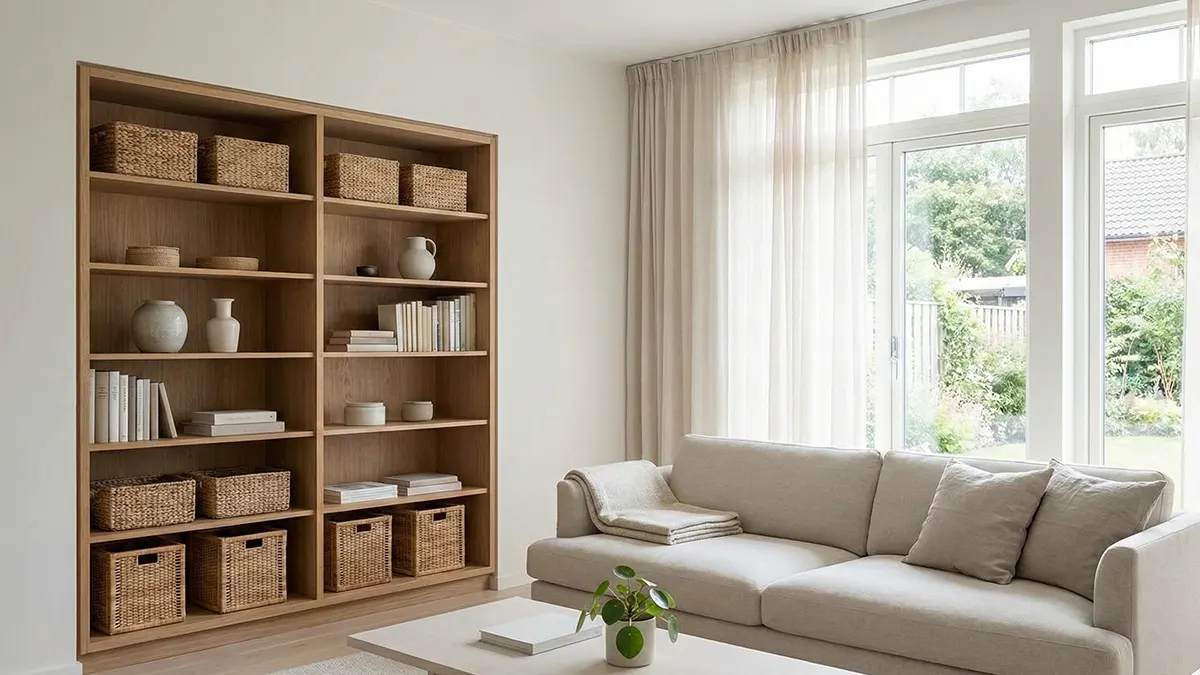
Achieving a clutter-free home involves a systematic approach: start by decluttering one area at a time, implement smart storage solutions, and establish daily habits to maintain order. Focus on minimizing possessions, utilizing vertical space, and creating designated homes for all items to foster a more peaceful and functional living environment.
- Start small, focusing on one area at a time.
- Embrace the “one in, one out” rule to prevent accumulation.
- Utilize vertical space with shelves and wall-mounted organizers.
- Create designated “homes” for every item.
- Establish daily routines for tidying and maintenance.
- Regularly review and declutter to sustain a serene environment.
Why a Clutter-Free Home Matters: Benefits for Mind and Space
A well-organized home extends far beyond aesthetics; it significantly impacts mental and emotional well-being. Living in a clutter-free environment can reduce stress and anxiety, creating a sense of calm and control. This improved mental state often translates to better focus and increased productivity in daily tasks.
Functionally, a tidy home means more usable living areas and easier maintenance. Cleaning becomes less daunting when surfaces are clear and items have designated places. Ultimately, a clutter-free space enhances the overall aesthetic appeal of your home, making it a more inviting and enjoyable place to live.
Getting Started: Essential Mindset Shifts for Decluttering
Embarking on a decluttering journey requires more than just moving items around; it demands a shift in mindset. One crucial change is moving from the thought of “I might need it someday” to “Does this item serve me now?” This helps in making objective decisions about possessions.
Understanding the emotional attachment to certain items is also vital. Acknowledge these feelings, but strive to prioritize functionality and peace of mind. Set realistic goals for your decluttering efforts, celebrating small victories along the way to maintain motivation. Embracing a minimalist approach, even in small ways, can serve as a powerful guiding principle. Involving all household members in the process fosters a shared responsibility and makes maintenance easier.
The Ultimate Guide to Clutter Free Home Organization Tips
Implementing effective clutter free home organization tips involves a combination of strategic decluttering and smart storage. A popular method is the “Four Box” approach: designate boxes for items to Keep, Donate, Trash, and Relocate. This systematic sorting helps categorize items efficiently.
Another powerful principle is the “One In, One Out” rule. For every new item brought into the home, one similar item must leave. This prevents accumulation and helps maintain balance. Maximizing vertical space with shelves, wall organizers, and stackable bins is crucial, especially in smaller homes. Ensure every item has a designated “home” to eliminate guesswork when tidying. Schedule regular purges, perhaps quarterly, to review and declutter accumulated items. Do not overlook digital clutter; organize files and photos on your devices for a complete sense of order.
Decluttering Room by Room: Specific Strategies for Every Area
Tackling an entire home can feel overwhelming, so breaking down the task into individual rooms makes the process more manageable. Each area of your home presents unique organizational challenges and opportunities. Approaching each room with specific strategies ensures a thorough and effective decluttering process.
Before starting any room, remove all trash and items that clearly belong elsewhere. Then, focus on one category of items at a time within that room, such as clothes, books, or papers. This targeted approach helps prevent feeling overwhelmed and ensures that every item is considered thoughtfully.
Kitchen Organization: Taming Countertops and Pantries
The kitchen often becomes a hub for clutter. Begin by clearing countertops, allowing only essential, frequently used items to remain. For pantry organization, invest in clear containers and labels to easily identify contents and track inventory. Implement a first-in-first-out system for food items to reduce waste.
Drawer dividers are excellent for organizing utensils and small gadgets, preventing them from becoming a jumbled mess. Utilize vertical storage solutions, such as pot and pan organizers or tiered shelves, to maximize cabinet space. Regularly check expiration dates and dispose of old or unused food items.
Bedroom Bliss: Creating a Restful, Tidy Retreat
A bedroom should be a sanctuary, free from distractions. Start by clearing nightstands, keeping only essential items like a lamp, book, or alarm clock. Under-bed storage containers are ideal for seasonal clothing or extra linens, keeping them out of sight but easily accessible.
Closet organization is key to a serene bedroom. Employ folding techniques like the KonMari method, use consistent hangers, and consider seasonal rotation of clothes to keep your wardrobe manageable. Aim for minimal decor to enhance the sense of calm and reduce visual clutter.
Living Room Harmony: Keeping Common Areas Clear
The living room is a central gathering space, making it prone to clutter. Focus on managing items on coffee tables and end tables; consider decorative boxes or trays to contain remotes and coasters. Blanket baskets offer a stylish way to store throws while keeping them within reach.
For books and magazines, use shelves or dedicated magazine holders to prevent piles from forming. Encourage family members to put items away immediately after use. Regularly clear surfaces to maintain a clean and inviting atmosphere for relaxation and entertainment.
Bathroom Basics: Maximizing Small Spaces
Bathrooms, often small, require clever organization. Declutter your medicine cabinet, discarding expired products and keeping only what is actively used. Under-sink storage can be optimized with pull-out drawers or stackable bins for toiletries and cleaning supplies.
Shower caddies help keep bath products organized and off the shower floor. Roll or fold towels neatly in open shelving or baskets. The key is to be ruthless about what you keep; if you haven’t used it in months, it likely doesn’t need to stay in this compact space.
Home Office Hacks: Boosting Productivity with Organization
A well-organized home office is crucial for productivity. Begin by decluttering your desk, keeping only current projects and essential tools within arm’s reach. Implement a robust file management system for both physical documents and digital files, using clear labels and folders.
Cable management solutions, such as ties or sleeves, can prevent tangled wires and create a cleaner workspace. Organize office supplies in drawers with dividers or in small containers. Regularly review your digital desktop and email inbox to prevent digital clutter from accumulating.
Smart Storage Solutions: Maximizing Space and Minimizing Clutter
Once you’ve decluttered, smart storage solutions become your allies in maintaining order. Modular shelving systems offer flexibility and can be customized to fit various spaces and needs. Drawer organizers are indispensable for keeping smaller items, from kitchen utensils to office supplies, neatly separated.
Storage ottomans and benches provide dual functionality, offering seating while concealing blankets, toys, or magazines. Wall-mounted solutions, such as floating shelves or pegboards, leverage vertical space and keep items off surfaces. Clear bins and containers are highly effective as they allow you to see contents at a glance, making it easier to find what you need and put things back in their place.
Maintaining Your Clutter-Free Home: Daily Habits and Routines
Achieving a clutter-free home is an ongoing process that benefits greatly from consistent daily habits. One effective routine is the “five-minute tidy” before bed, where you quickly put away items that have accumulated throughout the day. This prevents small messes from becoming overwhelming.
Make it a habit to put things away immediately after use, rather than leaving them out. Establish weekly reset routines, perhaps on a weekend morning, to do a deeper tidy of common areas. Crucially, involve all family members in these habits, assigning age-appropriate tasks to foster a collective responsibility for maintaining an organized home.
Common Decluttering Mistakes to Avoid
While the desire to declutter is strong, certain pitfalls can derail your efforts. A common mistake is trying to do too much at once, which often leads to burnout and giving up. Instead, tackle one small area at a time to build momentum.
Another error is buying storage solutions before you’ve decluttered. This often results in simply storing unnecessary items more neatly. Avoid keeping items out of guilt or obligation if they no longer serve a purpose or bring joy. Not having a clear plan for discards—whether donating, selling, or trashing—can also lead to items lingering. Finally, a lack of consistency in daily tidying can quickly undo all your hard work.
Tools and Resources for a More Organized Life
Equipping yourself with the right tools and resources can significantly aid your organization journey. Labels are simple yet powerful for identifying contents of containers and drawers, ensuring everything has a clear home. Clear containers and drawer dividers are essential for visible and contained storage.
For sensitive documents, a shredder is invaluable for secure disposal. Beyond physical tools, knowing where to take discarded items is crucial. Research local donation centers for gently used goods, recycling facilities for appropriate materials, and proper disposal methods for hazardous waste. These resources help ensure items leave your home responsibly.
Frequently Asked Questions
What are the best clutter free home organization tips for small spaces?
For small spaces, focus on maximizing vertical storage, utilizing multi-functional furniture, and ruthless decluttering. Employ wall shelves, under-bed storage, and items that serve dual purposes, such as storage ottomans. Regularly purge items that are not essential or frequently used to maximize every available inch.
How often should I declutter to maintain a clutter free home?
While daily small tidying sessions are crucial, a deeper decluttering effort is recommended quarterly or semi-annually. This allows for a thorough review of accumulated items and ensures that your living space remains functional and serene, preventing significant build-up.
Can clutter free home organization tips really improve my mental well-being?
Absolutely. A clutter-free environment can significantly reduce stress, improve focus, and create a sense of calm and control. It minimizes visual distractions and makes daily tasks feel less overwhelming, contributing to a more peaceful and positive state of mind.
What’s the first step to implementing clutter free home organization tips?
The most effective first step is to start small with one manageable area, such as a single drawer or a section of a countertop. This approach builds momentum and prevents overwhelm. Sort items into categories like “keep,” “donate,” “trash,” and “relocate” to begin the process effectively.
Are there specific clutter free home organization tips for families with kids?
For families, focus on kid-friendly storage solutions like open bins and labeled containers placed at their height. Involve children in the tidying process, teach them to put toys away, and regularly rotate toys to keep play areas manageable and engaging without constant overwhelm.
What are some common mistakes to avoid when trying to organize a clutter free home?
Avoid trying to organize everything at once, which can lead to burnout and frustration. Do not purchase storage solutions before decluttering, as you might end up storing unnecessary items. Also, resist keeping items out of guilt or sentimentality if they no longer serve a practical purpose in your home.
Conclusion
Achieving a clutter-free home is a journey that transforms not just your physical space but also your mental well-being. By adopting systematic decluttering methods, implementing smart storage solutions, and establishing consistent daily habits, you can create a more peaceful, functional, and aesthetically pleasing living environment. Embrace these strategies to cultivate a home that truly supports your lifestyle and brings you serenity.
{“@context”:”https://schema.org”,”@type”:”Article”,”headline”:”Achieve a Serene Space: Your Ultimate Guide to Clutter Free Home Organization Tips”,”mainEntityOfPage”:”https://homegeartoday.com/?p=882″,”datePublished”:”2025-12-10T07:25:37+00:00″,”dateModified”:”2025-12-10T07:25:37+00:00″}
Start by decluttering before organizing — removing what you do not need is more effective than finding better storage for everything. Begin in the room that causes you the most daily stress. Work one zone at a time to completion rather than touching every room simultaneously.
Create a designated home for every item you own, return items after each use, implement a one-in-one-out rule for new purchases, and do a brief daily reset each evening. Consistent small habits prevent the gradual accumulation that leads to overwhelming clutter.
The KonMari method (by category rather than room, keeping only what sparks joy), the four-box method (Keep, Donate, Trash, Relocate), and the 20/20 rule (if you can replace it for under $20 in under 20 minutes, release it) are the three most widely used effective decluttering frameworks.
The key is changing purchasing habits: implement a 48–72 hour waiting period before any non-essential purchase, unsubscribe from retail emails, avoid browsing shops without a specific need, and apply the one-in-one-out rule consistently for every new item entering the home.
Start with the spaces you use and see most frequently: the bedroom (most impact on sleep and mood), kitchen (most impact on daily function), and entryway (first impression of your home). Organizing these three areas delivers the greatest immediate quality-of-life improvement.