
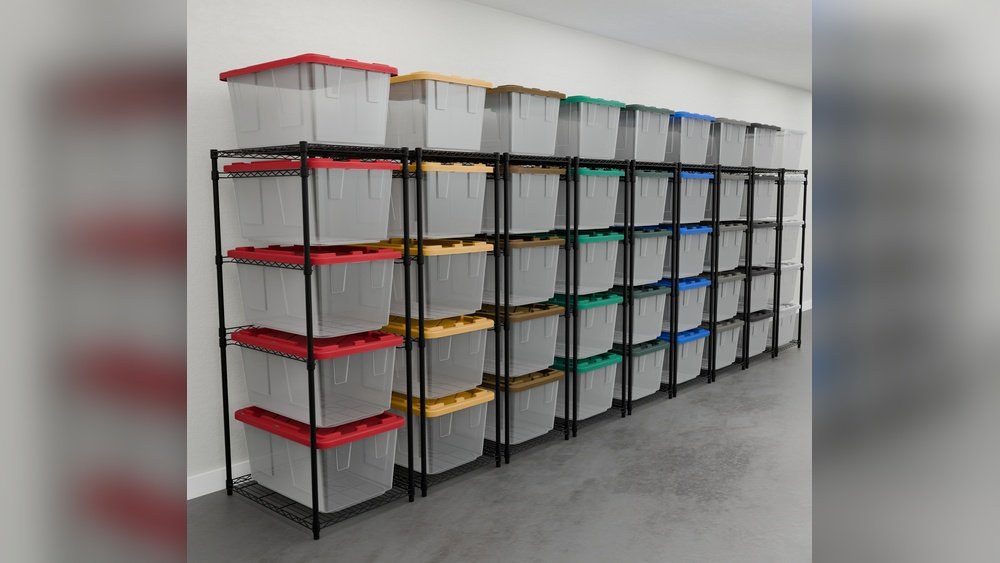
Clear storage containers and colored storage containers are both popular choices for organizing homes, offices, and even warehouses. But when it comes to picking the right one, many people wonder: which is better? The answer depends on your needs, environment, and even your style. Choosing the wrong container can make organizing harder, waste your time, or even damage your items. This article explains the key differences, important advantages, common mistakes, and when to pick each type. By the end, you’ll understand exactly how to decide between clear and colored storage containers for every situation.
What Are Clear Storage Containers?
Clear storage containers are usually made from transparent plastic, like polypropylene or acrylic. You can easily see inside them without opening the lid, which is why many people use them for organizing everything from holiday decorations to pantry staples. These containers come in many sizes, shapes, and with various lid types.
When Are Clear Storage Containers Used?
People often use clear containers when they want to:
- See what’s inside without labeling or opening the box
- Store items that need to be checked regularly
- Keep small items organized in closets, garages, or offices
For example, teachers use clear bins for art supplies so students can find what they need quickly. Home cooks use clear containers in pantries to track food levels easily. Even professional organizers recommend clear storage for visual inventory.
What Are Colored Storage Containers?
Colored storage containers are made with tinted or opaque plastic. They block or reduce the view of the contents. These containers are available in solid colors, translucent shades, or even with patterns.
When Are Colored Storage Containers Used?
People choose colored containers to:
- Hide clutter or private items from view
- Color-code storage by season, type, or owner
- Protect items from sunlight or UV damage
For example, families often use red or green bins to separate Christmas and Halloween decorations. Offices use blue bins for recycling and gray ones for archives.
Key Differences Between Clear And Colored Containers
To make this decision easier, look at the main differences:
| Feature | Clear Storage Containers | Colored Storage Containers |
|---|---|---|
| Visibility | High – see contents instantly | Low – contents hidden |
| Sunlight Protection | Minimal | Often excellent |
| Appearance | Simple, modern | Colorful, decorative |
| Labeling Needed | Usually not needed | Often needed |
| Material Durability | Similar | Similar |
Benefits Of Clear Storage Containers
Choosing clear storage bins offers several unique benefits that can make organizing easier and faster.
Instant Identification
You don’t have to guess what’s inside a clear container. This saves time, especially when you have many bins stacked together. For example, during spring cleaning, you can quickly spot which bin holds winter gloves and which has summer hats.
Reduced Labeling Work
Because you can see the contents, you often don’t need to add labels. This is a big advantage if you’re organizing small items like craft beads, stationery, or screws.
Inventory Control
Clear containers help you track supplies at a glance. Businesses use them to manage inventory. Homeowners use them to avoid buying duplicates or letting food expire.
Great For Shared Spaces
In family homes, dorms, or shared offices, clear containers prevent arguments and confusion. Everyone knows what belongs where.
Easy To Clean
Most clear plastics are smooth and easy to wipe down. You can quickly see if the container needs cleaning.
Drawbacks Of Clear Storage Containers
However, clear containers are not perfect for every situation.
Sunlight And Uv Exposure
Transparent plastic allows light to pass through, which can fade fabrics or damage sensitive items over time. If you store containers in a sunny garage or attic, this is a real risk.
Privacy Issues
Because everyone can see inside, clear bins are not ideal for storing personal items. Important documents, keepsakes, or private belongings are more exposed.
Visual Clutter
Seeing everything inside can make a space look busy or messy, especially if the contents are not neatly arranged.
Weakness Over Time
Clear plastic, especially cheaper types, can become brittle and crack after years of use, especially if exposed to sunlight.
Benefits Of Colored Storage Containers
Colored containers have their own strong points, depending on your needs.
Privacy And Security
Colored containers hide the contents from view. This is useful for personal items, valuable collections, or sensitive documents. People are less likely to open a box if they can’t see what’s inside.
Protection From Sunlight
Colored and opaque containers block light, protecting items from UV damage. This helps preserve photographs, clothing, or electronics for longer.
Visual Organization
Color-coding is a powerful system. Use different colored bins for different seasons, family members, or types of items. For example, red for Christmas, orange for Halloween, blue for winter gear.
Aesthetics
If you want your storage to match your room’s style, colored bins can look more attractive. You can match them to your decor or use them as accents.
Hide Messy Contents
If what you’re storing looks messy—like cords, toys, or random tools—colored containers keep your space looking tidy.
Drawbacks Of Colored Storage Containers
Colored containers are not always the best choice for everyone.
Hard To Identify Contents
You must rely on memory or add clear labels to know what’s inside. If you forget to label a bin, you may have to open several before finding what you need.
More Labeling Work
Most colored bins require good labeling. In busy households or offices, labels can fall off or fade, making it harder to stay organized.
Possible Color Fading
Some colored plastics fade if left in the sun or in hot storage spaces, making them look old or confusing your color system.
Limited Visibility
If you’re storing small or varied items, you can’t quickly check quantities or find something without opening the lid.
Data: Popular Uses In Homes And Businesses
A 2023 survey by the National Association of Professional Organizers found that:
- 62% of home organizers prefer clear bins for kitchens and closets
- 78% of offices use colored bins for documents and recycling
- 54% of people said they mix both types depending on the room
This shows that most people use both types, depending on the situation.
When To Choose Clear Storage Containers
Some situations are perfect for clear containers. Here’s when they work best:
- Small Item Organization: In craft rooms, hardware storage, or kids’ rooms, clear bins help you spot items quickly.
- Pantries and Food Storage: Track food levels, avoid waste, and see expiration dates easily.
- Seasonal Clothing: When you want to check for clothing without opening many bins.
- Classrooms: Teachers and students benefit from instant visual access.
- Storage Areas with Good Shade: Basements, closets, or under-bed storage where sunlight is not a problem.
Practical Example
Imagine you have a large craft supply collection. With clear containers, you can find blue beads, red ribbon, or glitter in seconds, without opening every box.
Pro Tip
Stacking clear bins makes sense only if the sides remain visible. If you stack too high, you lose the visibility advantage.
When To Choose Colored Storage Containers
Colored bins shine in other situations:
- Seasonal Decorations: Assign colors to holidays for quick storage and retrieval.
- Storing in Sunlit Areas: Attics, garages, and sheds where items need UV protection.
- Privacy Needs: Personal paperwork, valuables, or anything you don’t want easily seen.
- Moving and Shipping: Colored bins are less likely to attract attention to valuable contents.
- Children’s Rooms: Use colors for each child or type of toy for easy sorting.
Practical Example
A family stores Halloween decorations in orange bins and Christmas items in red bins. When the holidays come, they know exactly which bins to pull out.
Pro Tip
When using colored containers, invest in high-quality labels that are waterproof and fade-resistant. This prevents confusion later.
Common Mistakes People Make
Most beginners overlook a few important points:
- Overfilling bins: Both clear and colored bins can crack if too full or too heavy.
- Ignoring sunlight: Clear bins in sunlight fade contents; colored bins in sunlight can fade themselves.
- Not labeling colored bins: Always label colored bins, even if you think you’ll remember.
- Stacking too high: Heavy stacking can damage lids and make it hard to access what you need.
How To Decide: Key Factors
Consider these points before buying:
| Situation | Best Choice |
|---|---|
| Need to see contents quickly | Clear container |
| Storing valuables or sensitive items | Colored container |
| Garage or attic storage | Colored container |
| Kids’ rooms or classrooms | Clear container |
| Holiday/seasonal organization | Colored container |

Credit: www.amazon.com
Non-obvious Insights Most People Miss
- Mixing types is often best: Most organized spaces use both clear and colored bins for maximum efficiency. For example, use clear bins on open shelves for quick access, and colored bins in storage rooms or for private items.
- Consider container shape and stackability: Sometimes, the shape and quality of the container matter more than the color. Look for bins with reinforced corners and tight-fitting lids, especially for heavy or valuable items.
Environmental Impact
Both clear and colored containers are usually made from plastic, but some brands now offer recycled options. If you want to reduce your environmental impact, look for bins made from post-consumer recycled plastic. Also, consider reusing containers instead of buying new ones whenever possible.

Credit: www.amazon.com
Price Comparison
There is usually little price difference between clear and colored bins of the same size and quality. However, specialty colors or designer bins can cost more. Always compare prices, but don’t sacrifice quality for a small savings.
Which Is Better? Final Thoughts
There is no single answer for every person or situation. If you want speed and simplicity, clear bins are often better. If you need privacy or protection, colored bins are best. Most homes and offices benefit from a mix.
The smartest organizers use each type for what it does best. Clear for quick access, colored for privacy and protection. If you plan your storage system with this in mind, you’ll save time, reduce stress, and keep everything in its place.
To learn more about organizing strategies, you can read resources from the National Association of Productivity & Organizing Professionals.

Credit: www.walmart.com
Frequently Asked Questions
Is It Safe To Store Food In Clear Or Colored Containers?
Both clear and colored plastic containers can be safe for food storage if they are labeled as food-grade and BPA-free. Always check the manufacturer’s information. Do not use containers that were previously used for chemicals or non-food items.
Do Colored Containers Protect Better Against Mold And Pests?
Colored containers can block more light, which helps reduce mold growth. But for full pest protection, make sure the lids fit tightly and store bins off the ground. Regular cleaning is also important.
How Do I Label Colored Storage Bins Effectively?
Use waterproof labels or permanent markers. Place labels on the front and top of the bin. If storing long-term, check labels yearly to make sure they haven’t faded or peeled off.
Can Clear Containers Turn Yellow Over Time?
Yes, some clear plastics, especially cheaper ones, can turn yellow after years of sunlight exposure. Store clear bins in shaded or indoor locations to keep them looking new.
Are There Eco-friendly Options For Both Types?
Yes, many brands now make clear and colored storage bins from recycled plastics. Check for eco-labels or choose bins you can reuse for many years to reduce waste.
For more helpful guides, check out open shelf vs closed storage, storage vs decluttering which to do first, and how to start organizing a messy home.
Clear containers are better when you need to identify contents quickly without opening them, ideal for pantries and closets. Colored containers are better for blocking light-sensitive items and for color-coded organization systems.
Look for BPA-free, airtight clear containers made from thick PET or Tritan plastic. Rectangular and square shapes maximize shelf space compared to round containers, and stackable designs save vertical space.
Airtight storage containers with secure locking lids effectively prevent pantry pests like moths and weevils from accessing dry goods. Transfer all bulk foods out of their original packaging into sealed containers.
Glass containers are more durable, non-reactive, and oven-safe, but heavier and more fragile. Plastic containers are lightweight and shatter-resistant, making them better for children’s areas or stacking in high cabinets.
Use a label maker or chalkboard labels on the front of containers. Group items by category and assign a consistent location to each container so family members can find and return items easily.