
Wool blankets are loved around the world for their warmth, softness, and timeless look. But many people worry about cleaning them. If you own a wool blanket, you may wonder: Can wool blanket be washed in washing machine? The answer is not simple. Wool is special. It can shrink, felt, or lose its shape if washed the wrong way. At the same time, most people want easy care. In this article, you’ll learn everything you need to know about washing wool blankets in a machine, what to watch out for, and how to keep them looking and feeling great for years.
Understanding Wool Blankets
Wool is a natural fiber from sheep and other animals like alpacas and goats. Wool fibers are soft but strong. They have tiny scales on the surface, which make wool warm and able to absorb moisture. These same scales can cause trouble if wool is washed carelessly.
Wool blankets come in many styles, such as pure wool, wool blends, or machine-washable wool. Some blankets are thick and heavy, while others are thin and light. The type of wool and how the blanket is woven or knit changes how you should clean it.
Risks Of Washing Wool Blankets In A Washing Machine
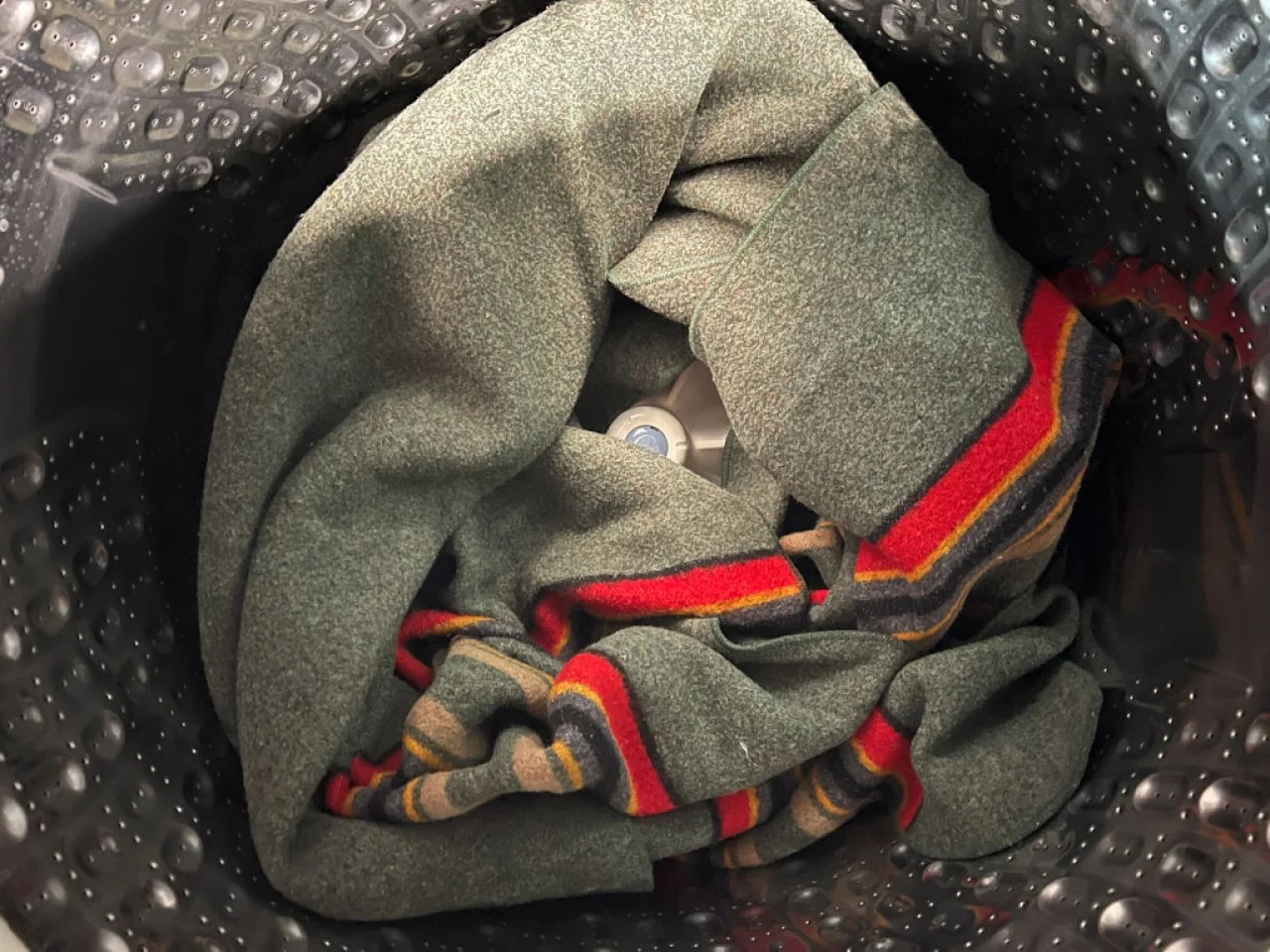
Many people have made the mistake of tossing a wool blanket into the washing machine with normal laundry. The results can be disappointing:
- Shrinking: Wool can shrink a lot, sometimes by half its size, if washed in hot water or with harsh agitation.
- Felting: The fibers can tangle and mat together, making the blanket stiff and rough.
- Loss of shape: Wool can stretch or lose its original shape.
- Color fading: Some dyes in wool are not colorfast, and can bleed or fade in the wash.
Wool is more delicate than cotton or synthetic fibers. That’s why you need to be careful and follow the right steps.
Credit: www.hgtv.com
When Machine Washing Is Safe
Not all wool blankets should go in the washing machine, but some can. Here’s how you know:
- Check the care label: Many wool blankets have a label sewn into the edge. If it says “machine washable” or “superwash wool,” you can usually wash it in the machine.
- Pure wool vs. blends: Pure wool is more sensitive. Wool blends (wool mixed with acrylic or polyester) are sometimes machine safe.
- Special finishes: Some blankets are treated to be washable. Look for terms like “pre-shrunk,” “felt-resistant,” or “easy care.”
If the label says “dry clean only” or “hand wash only,” do not risk machine washing.
How To Wash A Wool Blanket In The Washing Machine
If your blanket is marked as machine washable, follow these steps:
1. Choose The Right Cycle
Use the wool cycle if your machine has one. If not, pick the delicate or hand wash cycle. These cycles move the blanket gently and use less spin.
2. Water Temperature
Always use cold water or lukewarm water (no more than 30°C/86°F). Hot water can cause shrinking and felting.
3. Use A Wool-safe Detergent
Regular laundry detergent is too strong for wool. Pick a wool detergent or a mild, pH-neutral detergent. These protect the fibers and keep the blanket soft.
4. Don’t Overload
Wash the wool blanket alone or with similar items. This gives it space to move and reduces friction.
5. Avoid Fabric Softener And Bleach
Fabric softeners and bleach can damage wool. Never use them.
6. Use A Mesh Laundry Bag (optional)
A large mesh laundry bag can help protect the blanket from stretching or tangling.
7. Spin Gently
Set your washer to the lowest spin speed. High spin can stretch the blanket.
8. Remove Promptly
Take the blanket out as soon as the cycle ends. Letting it sit wet can cause creases and odor.
Drying Wool Blankets
Never put a wool blanket in the dryer, unless the care label clearly says it is dryer safe.
- Lay flat to dry: Spread the blanket on a clean, dry towel on a flat surface. Gently reshape it to its original size.
- Avoid hanging: Hanging can stretch the fibers and ruin the shape.
- Flip occasionally: Turn the blanket over every few hours so both sides dry evenly.
- Keep away from sunlight and heat: Direct heat or sunlight can fade colors and weaken fibers.
Drying can take 24–48 hours, depending on the thickness of the blanket.
Hand Washing As An Alternative
If you’re not sure about your washing machine, or the label is missing, hand washing is the safest option.
- Fill a bathtub or large sink with cold or lukewarm water.
- Add a small amount of wool-safe detergent.
- Submerge the blanket and gently move it through the water. Don’t rub, wring, or twist.
- Let it soak for 10–15 minutes.
- Drain and refill with clean water to rinse.
- Press out water gently. Roll the blanket in towels to remove extra moisture.
- Lay flat to dry as described above.
Hand washing takes more time, but reduces the risk of damage.
Comparing Washing Methods
Here’s a side-by-side comparison to help you choose the best cleaning method for your wool blanket:
| Method | Pros | Cons | Best For |
|---|---|---|---|
| Machine Wash | Quick, convenient, less effort | Risk of shrinking, felting, or damage if not done right | Machine-washable wool, wool blends |
| Hand Wash | Gentle, safest for all types of wool | Time-consuming, requires space | Delicate, pure wool, or unknown care label |
| Dry Clean | Professional cleaning, no water damage | Costly, uses chemicals, not always needed | Very expensive or “dry clean only” blankets |
Common Mistakes When Washing Wool Blankets
Many wool blankets are ruined by common mistakes. Avoid these:
- Using hot water or a normal wash cycle
- Adding regular detergent or fabric softener
- Overloading the washing machine
- Spinning at high speeds
- Putting the blanket in the dryer
- Hanging to dry instead of laying flat
Even one mistake can permanently damage a wool blanket.
How Often Should You Wash A Wool Blanket?
Wool is naturally odor-resistant and repels dirt. You do not need to wash a wool blanket as often as cotton or synthetic ones.
- For blankets used daily (like on a bed): Wash every 2-3 months or as needed.
- For blankets used less often (like in a guest room): Wash once or twice a year.
- Spot clean spills and stains as soon as possible.
Frequent washing wears out wool faster.
Spot Cleaning Wool Blankets
For small stains or spills, spot cleaning is best:
- Mix cold water and a little wool detergent.
- Dip a clean cloth into the solution.
- Blot (don’t rub) the stain gently.
- Rinse the spot with a damp cloth.
- Air dry flat.
This keeps the rest of the blanket fresh and avoids full washing.

Credit: thebritishblanketcompany.com
Storage Tips After Washing
After your wool blanket is clean and dry, store it the right way:
- Fold, don’t hang: Hanging can stretch the blanket.
- Store in a cool, dry place: Avoid damp basements or hot attics.
- Use a cotton bag or pillowcase: Avoid plastic, which can trap moisture and cause mildew.
- Add cedar blocks or lavender: These natural repellents keep moths away.
Proper storage keeps your blanket fresh and ready for next use.
Signs Your Wool Blanket Should Not Go In The Machine
Not sure if your wool blanket can handle a washing machine? Watch for these warning signs:
- No care label or label says “dry clean only”
- Blanket feels very delicate or loose knit
- Expensive or heirloom item
- Blanket is shedding fibers or looks fragile
When in doubt, choose hand washing or professional cleaning.

Credit: www.blvdhome.com
Real-life Example: Washing A Machine-washable Wool Blanket
Let’s say you have a Pendleton wool blanket labeled as machine washable. Here’s how you’d clean it:
- Set the machine to the wool or delicate cycle, cold water.
- Add a small amount of wool detergent.
- Place the blanket in a mesh bag.
- Start the wash, using the lowest spin setting.
- Remove immediately, reshape, and lay flat to dry.
If you follow these steps, your blanket should come out clean, soft, and the same size as before.
How Machine Types Affect Wool Blanket Washing
Not all washing machines are the same. Front-loaders are usually gentler on wool than top-loaders with an agitator. Here’s a quick comparison:
| Machine Type | Wool Safety | Notes |
|---|---|---|
| Front Loader | Better | Gentle tumbling, less agitation |
| Top Loader (no agitator) | Good | Choose gentle cycle |
| Top Loader (with agitator) | Risky | Agitator can stretch or felt wool |
Always check your machine’s manual and the blanket’s care label before washing.
Eco-friendly Cleaning Advice
Wool blankets last for many years if treated right. That’s good for you and the environment. Here are a few tips for eco-friendly cleaning:
- Wash less often
- Use cold water to save energy
- Use biodegradable wool detergents
- Air dry instead of using a dryer
Wool is naturally renewable and biodegradable. Caring for your blanket helps reduce waste.
When To Use Professional Cleaning
Some situations call for professional cleaning:
- The blanket is an antique or family heirloom
- It’s very large or heavy
- The care label says “dry clean only”
- You’re unsure about machine washing
Professional cleaners use special methods to clean wool without shrinking or damaging it. This can be more expensive, but protects valuable blankets.
If you want to learn more about caring for wool textiles, visit the Woolmark guide to wool care.
Frequently Asked Questions
Can I Wash Any Wool Blanket In The Washing Machine?
Not all wool blankets are machine washable. Always check the care label. If it says “machine washable,” you can use your washing machine with the right settings. If it says “dry clean only” or “hand wash only,” do not machine wash.
What Happens If I Accidentally Wash A Wool Blanket In Hot Water?
Hot water can shrink and felt wool. If this happens, the blanket may become much smaller, stiff, and lose its softness. Unfortunately, shrinking is usually permanent.
Can I Use Regular Laundry Detergent For My Wool Blanket?
No. Regular detergent is too harsh and can damage wool fibers. Always use a detergent made for wool or a gentle, pH-neutral detergent.
Is Air Drying Better Than Using A Dryer For Wool Blankets?
Yes. Air drying is safest. Lay the blanket flat on a towel, out of sunlight. Most wool blankets should never go in a dryer, as the heat can shrink and damage them.
How Can I Remove Odors From My Wool Blanket Without Washing?
You can freshen a wool blanket by airing it outside (in shade) for a few hours. You can also sprinkle a little baking soda, let it sit, and then brush or shake it off.
Taking care of your wool blanket is simple if you follow the right steps. A little effort keeps it soft, warm, and beautiful for many years.