
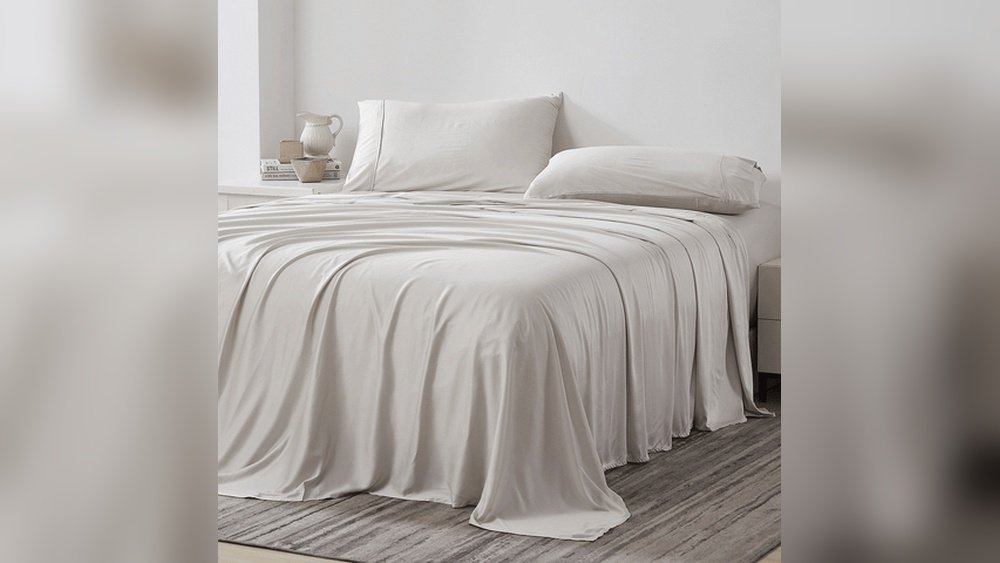
People with sensitive skin know the struggle of waking up itchy, red, or uncomfortable after a night’s sleep. It’s not always the detergent or the weather—sometimes, your bedsheets are the real problem. Choosing the right sheets is more than just picking a soft fabric; it can make a big difference in how your skin feels every morning. If you’re searching for the *best hypoallergenic bedsheets for sensitive skin*, you’re not alone. This guide uncovers the fabrics, features, and specific products that can help you sleep easy—without irritation.
What Makes Bedsheets Hypoallergenic?
Not all bedsheets are the same. Hypoallergenic sheets are designed to reduce or prevent allergic reactions. They do this by using tightly-woven fibers that block dust mites, mold, and other allergens. The best ones also avoid harsh chemicals, dyes, and fragrances that can cause skin reactions.
Two key factors make sheets hypoallergenic:
- The material: Some fabrics are naturally resistant to allergens.
- The weave: Tighter weaves keep out dust and tiny particles better.
It’s important to remember that “hypoallergenic” doesn’t mean “allergy-proof. ” It means the sheets are less likely to trigger reactions.
Top Fabrics For Sensitive Skin
When looking for the best hypoallergenic bedsheets, start with the right fabric. Each material has its strengths and drawbacks. Here’s how the most popular options compare:
| Fabric | Hypoallergenic Level | Breathability | Care Difficulty |
|---|---|---|---|
| Bamboo Viscose | Excellent | High | Easy |
| Organic Cotton | Very Good | High | Easy |
| Tencel (Lyocell) | Excellent | Very High | Moderate |
| Linen | Good | Very High | Moderate |
| Silk | Very Good | Medium | Difficult |
| Microfiber (High-Quality) | Good | Medium | Easy |
Two insights many people miss:
- Organic certification matters. Even natural fibers can have chemical residues if not grown or processed organically.
- Thread count isn’t everything. A higher thread count can feel soft, but for hypoallergenic properties, the quality and type of fiber are more important.
Credit: feelsgood.co.in
Best Hypoallergenic Bedsheets For Sensitive Skin
Let’s look at some of the best options available, each with unique advantages for people with allergies or sensitive skin.
1. Cariloha Resort Bamboo Sheets
Cariloha uses 100% viscose from bamboo, making their sheets naturally antimicrobial and moisture-wicking. Bamboo is one of the most hypoallergenic fabrics available, and Cariloha’s process avoids harsh chemicals. These sheets are OEKO-TEX certified, so you know they’re free from harmful substances.
People often notice they sweat less and itch less with bamboo sheets. Cariloha’s sets are a little pricier, but they last longer and become softer with each wash.
2. Boll & Branch Signature Hemmed Sheets
Boll & Branch uses organic cotton grown without pesticides or GMOs. Their sheets are GOTS-certified, meaning they meet strict global standards for organic textiles. The sateen weave feels silky and smooth, which reduces friction and irritation for those with eczema or sensitive skin.
These sheets are also known for their durability. They’re a good investment if you want something that gets softer over time, with minimal pilling.
3. Brooklinen Luxe Sateen Sheets
Brooklinen’s Luxe Sateen sheets use long-staple cotton in a 480-thread count weave. They’re OEKO-TEX certified and don’t use harsh dyes or chemicals. The sateen finish gives them a slight sheen and a buttery feel.
A common insight: Sateen can feel warmer than percale, but it’s perfect for those who want less skin irritation and a gentle touch.
4. Ettitude Bamboo Lyocell Sheets
Ettitude uses 100% bamboo lyocell, a closed-loop process that recycles water and avoids toxic solvents. These sheets are silky, breathable, and naturally resistant to dust mites and bacteria. Their CleanBamboo™ technology is unique in the market.
Many people with sensitive skin find Ettitude sheets help with night sweats and reduce breakouts.
5. Parachute Percale Sheets
Parachute’s percale sheets use long-staple Egyptian cotton in a lightweight, crisp weave. OEKO-TEX certification means no toxic chemicals. Percale is especially good for hot sleepers with sensitive skin because it’s cool and breathable.
These sheets get softer with every wash, and their simple design fits most bedrooms.
6. Avocado Organic Cotton Sheets
Avocado’s sheets are made from 100% GOTS-certified organic cotton. They’re vegan, biodegradable, and produced in a sustainable factory. The percale weave is smooth and cool, with excellent airflow.
They’re a top choice for people who want eco-friendly and hypoallergenic bedding that feels crisp and clean.
7. Snowe Percale Sheets
Snowe uses Italian-milled, long-staple cotton for a crisp and hotel-like feel. The percale weave keeps dust mites away and reduces skin irritation, especially for those with allergies.
Their simplicity and quality make them a favorite for people who want luxury without the risk of rashes or reactions.
8. Pure Parima Yalda Sheets
Pure Parima’s sheets are made from Egyptian cotton, certified by the Cotton Egypt Association. They have a smooth sateen weave and are tested for harmful substances (OEKO-TEX Standard 100).
These sheets are ideal for people who want a soft touch with true hypoallergenic credentials.
9. Cozy Earth Bamboo Sheets
Cozy Earth uses premium viscose from bamboo. Their sheets are known for being ultra-soft, breathable, and naturally resistant to bacteria and dust mites. Oprah called them “the softest ever,” and they’re especially good for people with eczema or psoriasis.
They’re a bit of a splurge but offer a 10-year warranty, showing their commitment to quality.
10. Peachskinsheets
PeachSkinSheets use a unique poly-fiber that feels like high-end cotton but is engineered to wick away moisture and resist allergens. Their sheets are especially popular with people who have night sweats and allergies.
A unique benefit: they include a swatch program, so you can feel the fabric before buying.
Comparing Top Brands For Sensitive Skin
To help you choose, here’s a side-by-side comparison of the top five options:
| Brand | Material | Certification | Price Range | Unique Feature |
|---|---|---|---|---|
| Cariloha | Bamboo Viscose | OEKO-TEX | $$$ | Antimicrobial, Moisture-wicking |
| Boll & Branch | Organic Cotton | GOTS | $$$ | Ethically Sourced, Very Soft |
| Brooklinen | Cotton Sateen | OEKO-TEX | $$ | Buttery Finish, Durable |
| Ettitude | Bamboo Lyocell | OEKO-TEX | $$ | Closed-Loop Eco Process |
| Parachute | Egyptian Cotton Percale | OEKO-TEX | $$ | Crisp, Cool Feel |
What To Look For When Buying Hypoallergenic Bedsheets
Don’t just trust the “hypoallergenic” label. Here’s what you really need to check before buying:
- Fabrics: Choose natural, organic fabrics like bamboo, organic cotton, or Tencel. Avoid low-quality polyester or blended fabrics, which can trap heat and allergens.
- Certifications: Look for OEKO-TEX or GOTS certification. These prove the sheets are free from harmful chemicals.
- Weave: Tighter weaves like percale and sateen block dust mites better than looser weaves.
- Thread Count: Aim for 200–400. Higher isn’t always better and can sometimes reduce breathability.
- Care Instructions: Hypoallergenic sheets need frequent washing. Pick options that are machine-washable and durable.
- No Harsh Dyes or Finishes: Bright colors and wrinkle-resistant finishes may use chemicals that irritate skin.
- Return Policy: Brands that let you return or try swatches show confidence in their product.
A common mistake is choosing sheets based only on softness. Ultra-soft fabrics can sometimes pill or trap heat, which is uncomfortable for sensitive skin.
Caring For Hypoallergenic Sheets
Proper care keeps your sheets allergen-free and comfortable. Here’s how to maintain them:
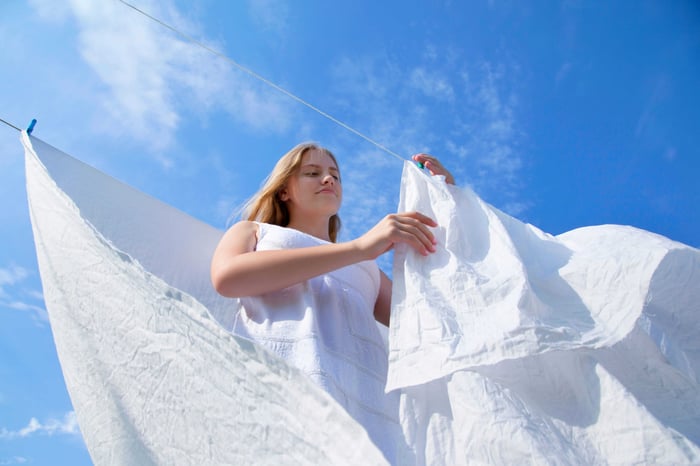
- Wash Weekly: Use hot water (at least 130°F/54°C) to kill dust mites and remove oils.
- Mild Detergent: Choose fragrance-free, dye-free detergents. Avoid fabric softeners, which can coat fibers and trap allergens.
- Dry Completely: Damp sheets can grow mold and bacteria.
- Rotate Sets: Have at least two sets to rotate and allow deeper cleaning.
A useful tip: wash new sheets before using them. This removes any residual chemicals from manufacturing.
Credit: antipodean-home.com
Signs You Need To Replace Your Bedsheets
Even the best sheets don’t last forever. Watch for these signs:
- Persistent Itching or Rashes: Even after washing, if your skin reacts, it’s time for a new set.
- Pilling or Thin Spots: Worn-out fibers trap more allergens.
- Loss of Softness: If sheets feel rough, they may be holding onto residue.
Most hypoallergenic sheets last 2–3 years with proper care.
The Science Behind Hypoallergenic Bedding
Research shows that dust mites are the top trigger for allergies in bedding. Studies found that tightly woven sheets can reduce dust mite exposure by up to 90%. Natural fibers like bamboo and Tencel are less attractive to mites and bacteria because they wick away moisture, creating a less friendly environment for allergens.
For more on the science of allergen-resistant fabrics, see this Sleep Foundation guide.
Credit: feelsgood.co.in
Frequently Asked Questions
What Is The Best Material For Hypoallergenic Bedsheets?
Bamboo viscose, organic cotton, and Tencel (lyocell) are top choices. They’re naturally resistant to dust mites, breathable, and gentle on skin. Always look for organic or OEKO-TEX certified options.
How Often Should I Wash Hypoallergenic Sheets?
Wash every 7 days in hot water (at least 130°F/54°C). This removes sweat, oils, and dust mites. If you have allergies or eczema, wash pillowcases every 3–4 days.
Can Hypoallergenic Sheets Help With Eczema?
Yes. Hypoallergenic sheets reduce exposure to dust mites and chemicals, two triggers for eczema. Choose smooth, organic fabrics and avoid harsh detergents for the best results.
Are Microfiber Sheets Hypoallergenic?
High-quality microfiber can be hypoallergenic and resist dust mites, but many cheap microfiber sheets use harsh chemicals. For sensitive skin, natural fibers are usually safer.
What Certifications Should I Look For?
Look for OEKO-TEX and GOTS. OEKO-TEX means no harmful chemicals. GOTS means the cotton is grown and processed organically, without pesticides or toxic dyes.
Choosing the right bedsheets can transform your sleep and your skin health. Hypoallergenic bedsheets are not just a luxury—they’re a smart investment in your comfort and well-being. With the right information, you can find sheets that help you wake up feeling refreshed, not irritated.
For more helpful guides, check out best material for cooling sheets, cotton vs microfiber bedsheets comparison, and how to deep clean bed sheets.
Hypoallergenic sheets resist common allergens like dust mites, mold, and pet dander. Tightly woven fabrics like percale cotton, bamboo, and silk are naturally resistant to allergen buildup due to their dense weave structure.
Bamboo sheets have natural antibacterial and antifungal properties that resist allergens. Bamboo lyocell in particular is excellent for allergy sufferers as it is also free from harsh chemical treatments.
People with eczema should choose sheets made from 100% organic cotton or bamboo lyocell, with no harsh dyes or chemical finishes. Avoid synthetic blends and look for OEKO-TEX Standard 100 certification.
Allergy sufferers should wash bed sheets every week in hot water (60°C/140°F) to kill dust mites and remove allergens. Using allergen-proof pillowcase covers provides additional protection between washes.
Look for OEKO-TEX Standard 100 certification, which guarantees the fabric is free from harmful chemicals. GOTS (Global Organic Textile Standard) certification confirms both organic fibers and safe dyeing processes.
