
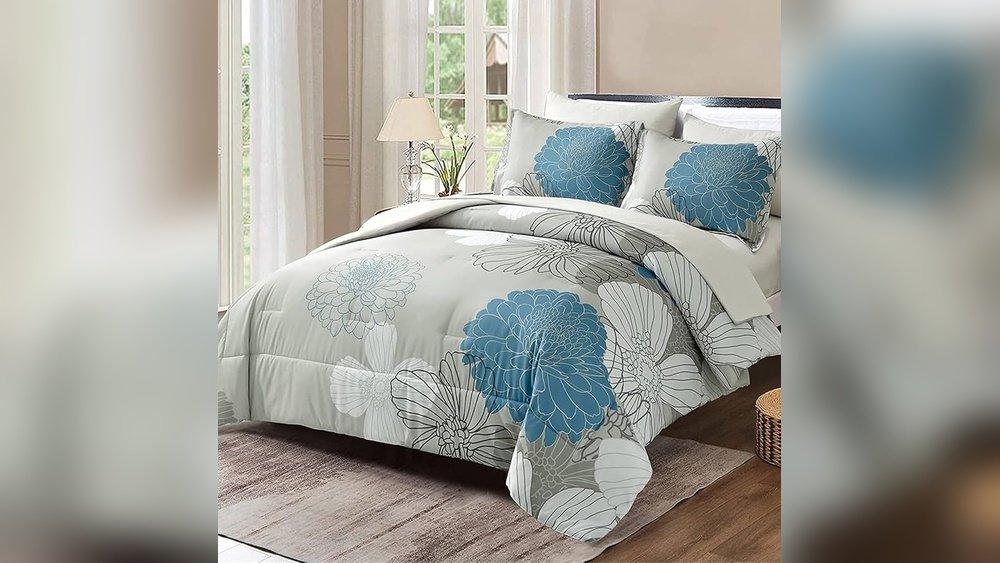
Shopping for bedding can feel confusing, especially when you see terms like bed in a bag and comforter set. At first, they might sound similar—both include bedding items, both promise to make your bed look great. But there are important differences between them. If you want your bedroom to be both comfortable and stylish, knowing these differences will help you make a smart choice.
Many shoppers buy bedding sets based only on price or appearance. Later, they realize they need to buy extra items or that their bedding doesn’t fit their needs. This guide will help you avoid common mistakes by explaining the real differences between a bed in a bag and a comforter set. We’ll look at what comes in each, quality, price, and what really matters when you buy. You’ll find practical tips, real examples, and answers to questions most people ask. By the end, you’ll know which set is right for you.
What Is A Bed In A Bag?
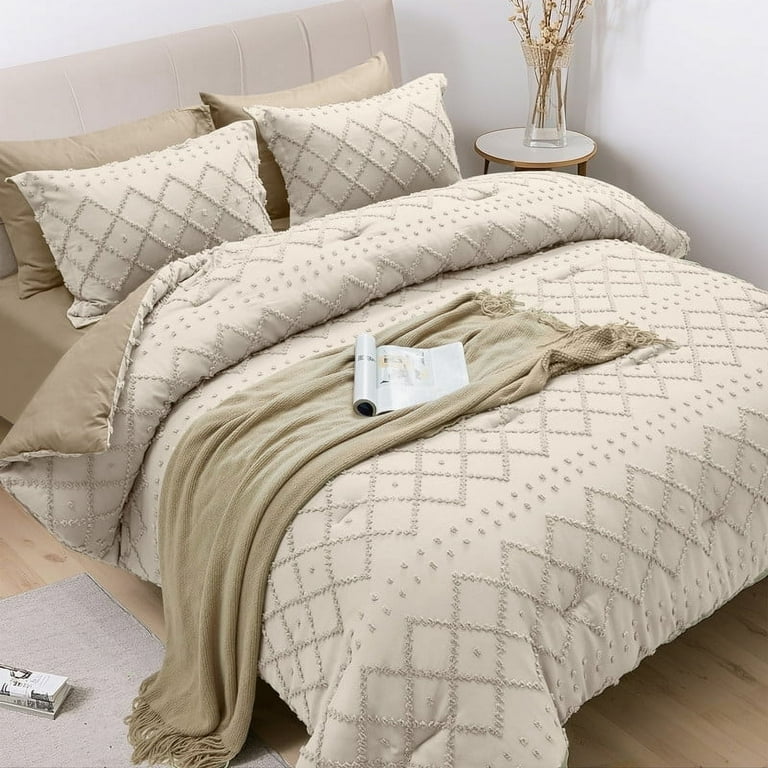
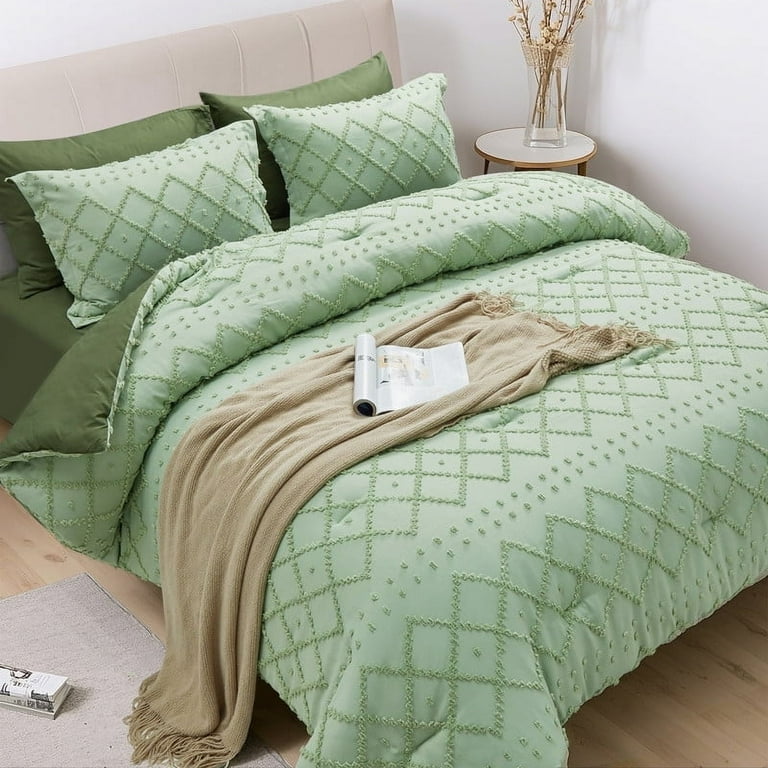
A bed in a bag is a bundled bedding package designed for convenience. The idea is simple: buy one package, and you have everything you need to dress your bed. These packages are popular among students, new homeowners, and anyone who wants a quick room makeover.
A typical bed in a bag includes:
- Comforter
- Fitted sheet
- Flat sheet
- Pillowcase(s)
- Pillow sham(s) (sometimes)
- Bed skirt (sometimes)
Some larger sets include extra items like decorative pillows or even window curtains, but these are less common.
Why People Like Bed In A Bag
- Convenience: All main bedding pieces in one purchase.
- Matching style: Every item is designed to match, so your bed looks coordinated.
- Fast setup: Useful for guest rooms, dorm rooms, or quick bedroom updates.
Limits To Know
While a bed in a bag makes life easier, there are trade-offs:
- Quality can vary: To keep prices low, some sets use less durable fabric.
- Limited customization: You can’t mix and match items easily.
- Sizing issues: Sheets and comforter are often “standard” size, which may not fit extra-deep mattresses or special pillows well.
What Is A Comforter Set?
A comforter set is a bedding package focused mainly on the top of the bed. It usually includes:
- Comforter
- Pillow sham(s)
- Sometimes a bed skirt or decorative pillow
You will notice that comforter sets usually do not include sheets or pillowcases. These must be bought separately.
Why People Choose Comforter Sets
- Higher quality: Many comforter sets use better fabrics and filling.
- More style choices: You can pick sheets and accessories to match your taste.
- Fits bedding upgrades: Good for people who already own quality sheets or want luxury fabrics.
Limits To Know
- Less convenient: You need to buy sheets and pillowcases separately.
- Can cost more: Higher-quality materials mean higher prices.

Credit: www.amazon.com
Side-by-side Comparison
It’s easier to see the differences between these two options with a direct comparison. Here’s a table to highlight the key points:
| Feature | Bed in a Bag | Comforter Set |
|---|---|---|
| Includes Sheets? | Yes | No |
| Includes Comforter? | Yes | Yes |
| Includes Pillow Shams? | Sometimes | Usually |
| Includes Bed Skirt? | Sometimes | Sometimes |
| Price Range | Lower to mid | Mid to high |
| Customization | Limited | High |
| Quality | Often basic | Usually higher |
What’s Included: Item By Item
Here’s a closer look at what you get with each option.
Bed In A Bag
- Comforter: The main blanket, usually machine washable and filled with polyester.
- Sheets: Fitted and flat sheets, often in matching or coordinating colors.
- Pillowcases: Covers for your sleeping pillows.
- Pillow shams: Decorative pillow covers (not always included).
- Bed skirt: Hides the space under your bed (not always included).
- Decorative pillows: Rare, but sometimes included in larger sets.
Comforter Set
- Comforter: The main focus, often with higher thread count or unique designs.
- Pillow shams: Usually included to match the comforter.
- Bed skirt: Sometimes included.
- Decorative pillows: More common in premium sets.
Quality Differences
The biggest difference between a bed in a bag and a comforter set is often quality. Comforter sets are usually made with better materials—think higher thread counts, softer fabric, and better filling. Some comforter sets use down-alternative or real down filling, which provides better warmth and durability.
In contrast, bed in a bag sets are designed for budget and convenience. This means:
- Sheets may feel rougher or thinner.
- Comforters may be lighter and less warm.
- Designs are often basic, with less attention to detail.
Many shoppers don’t realize that a cheap set can wear out quickly. For example, the fitted sheet might pill or lose its stretch after a few months. The comforter may lose shape after several washes. If you care about long-term comfort, a comforter set is often the better investment.
Price Comparison
A bed in a bag is usually cheaper than a comforter set. Here’s a real-world example:
- Queen-size bed in a bag: $50–$120 (includes all main items)
- Queen-size comforter set: $80–$250 (comforter and shams only)
But remember, with a comforter set, you still need to buy sheets and pillowcases. High-quality sheets can cost $40–$100 more. If you want a ready-to-use, affordable solution, a bed in a bag is a safe bet. If you want something special or long-lasting, a comforter set plus good sheets is worth the extra cost.
Here’s a sample price breakdown:
| Item | Bed in a Bag | Comforter Set |
|---|---|---|
| Comforter | Included | Included |
| Sheets | Included | Buy separately ($40–$100) |
| Pillowcases | Included | Buy separately ($10–$30) |
| Pillow Shams | Sometimes | Usually included |
| Typical Total Cost | $50–$120 | $120–$350 |
Credit: www.walmart.com
Who Should Choose Bed In A Bag?
A bed in a bag is best for:
- Students: College dorm beds, first apartments, or anyone moving often.
- Guest rooms: Quick and affordable way to make a room ready.
- Budget shoppers: When price is more important than luxury.
- People who want matching sets: Fast way to get a coordinated look.
Who Should Choose A Comforter Set?
A comforter set is better for:
- People who already own good sheets: Upgrade the look without buying everything new.
- Homeowners: Looking for better quality and long-term use.
- People with special needs: Like extra-deep mattresses, allergy concerns (hypoallergenic filling), or luxury fabrics.
- Anyone who wants to customize: Pick your favorite sheets, pillowcases, and accessories.
Common Buyer Mistakes
Many people buy the wrong bedding set for their needs. Here are mistakes to avoid:
- Ignoring mattress depth: Some sheets don’t fit deep mattresses. Measure before you buy.
- Not checking material: Polyester is common in bed in a bag sets; cotton or blends are softer and last longer.
- Missing items: Some comforter sets don’t include shams or bed skirts. Read the package details.
- Assuming all items match: Some “bed in a bag” sets use similar colors, but the quality can differ between the comforter and sheets.
- Overlooking care instructions: Not all fabrics are machine washable. Some comforters need special cleaning.
Practical Examples
Let’s look at real-life situations:
- College Student: Jamie buys a bed in a bag for her dorm. She needs everything—sheets, pillowcases, comforter—in one box. The set costs $70 and is easy to wash. After a year, she replaces it with a new set because the fabric is worn.
- Young Couple: Mike and Sara move into their first home. They buy a comforter set with high-quality shams for $180. They already own good cotton sheets, so they don’t need a full set. Their comforter lasts several years and still looks new.
- Guest Room: Tanya wants her guest room to look nice without spending much. She buys a bed in a bag for $60. It matches her room’s style and is ready in one day.
Credit: www.walmart.com
Material And Filling: What Matters Most
Many beginners focus only on design, but material is key. Here’s what to look for:
- Thread count: Higher numbers mean softer sheets (above 200 is good).
- Fabric type: Cotton is breathable, polyester is durable, blends offer both.
- Filling: Down is warmer but expensive. Down-alternative is hypoallergenic and common in both sets.
A comforter set is more likely to use better filling and fabrics. A bed in a bag keeps costs low, sometimes at the expense of softness or warmth.
Style And Design Flexibility
If you care about style, a comforter set gives you more options. You can pick unique sheets, bold patterns, or mix textures. For example, you might pair a floral comforter with plain white sheets. With a bed in a bag, your options are limited to what comes in the box.
Durability And Longevity
A comforter set, especially from a reputable brand, will last longer if you take care of it. Bed in a bag sets are made for quick use and may need replacing sooner. If you want bedding that lasts years, invest in a good comforter set and quality sheets.
Environmental Impact
Some shoppers forget about the environment. Bed in a bag sets use more synthetic materials (polyester), which take longer to break down. If you prefer eco-friendly options, look for comforter sets made with organic cotton or recycled materials. These may cost more, but last longer and have less impact on the planet.
Where To Buy
Both types are sold online and in stores. Popular retailers include Target, Walmart, Amazon, and department stores. For high-quality comforter sets, specialty bedding stores and brands like Brooklinen or Parachute offer more choices. For more details on bedding materials and environmental impact, check the Bedding Wikipedia page.
Frequently Asked Questions
What Is The Main Difference Between A Bed In A Bag And A Comforter Set?
A bed in a bag includes both bedding basics (sheets, pillowcases) and a comforter, often at a lower price and with matching designs. A comforter set usually includes just the comforter and decorative pillow shams, focusing on higher quality and more style options.
Can I Use My Own Sheets With A Bed In A Bag?
Yes, but it may not match perfectly. Bed in a bag sheets are designed to match the comforter. If you prefer your own sheets, consider a comforter set for better flexibility.
Is A Comforter Set Always Better Quality?
Not always, but comforter sets typically use better fabrics and filling. Always check the material, thread count, and brand reputation before buying.
Which Option Is Best For Kids’ Rooms?
A bed in a bag is usually best for kids’ rooms. It’s affordable, easy to replace, and comes in many fun designs. Plus, you get all the pieces you need in one package.
Are There Eco-friendly Options For Either Set?
Yes. Look for sets made with organic cotton, bamboo, or recycled materials. These are more common in higher-end comforter sets, but some eco-friendly bed in a bag options are available.
Choosing between a bed in a bag and a comforter set depends on your needs, budget, and style. Think about what’s most important to you—convenience, quality, or style—and you’ll make the right choice for your home.
For more helpful guides, check out difference between duvet and comforter, summer vs winter bedding essentials, and what kind of bedsheet is good for summer.
Related: do you need euro shams on your bed
A bed in a bag includes all bedding pieces (comforter, sheets, pillowcases, and sometimes shams) in one coordinated package. A comforter set typically includes only the comforter and matching shams without sheets.
Quality varies widely by brand and price. Budget bed-in-a-bag sets use thinner materials, while mid-range and premium sets offer better fill power and fabric quality. Always check material content and thread count before buying.
Always buy the size that matches your mattress exactly — Twin, Full, Queen, or King. If you have a deep mattress (over 12 inches), look for sets with ‘deep pocket’ sheets included to ensure they fit properly.
Most bed-in-a-bag comforters can be machine washed on a gentle cycle in cold water. However, large king-size comforters may require a commercial washer to prevent the fill from clumping or the fabric from tearing.
The sheets in a bed-in-a-bag set typically last 2–4 years. The comforter may last 5–10 years depending on quality and care. Replace the entire set when sheets start to pill, thin, or lose their color vibrancy.
