
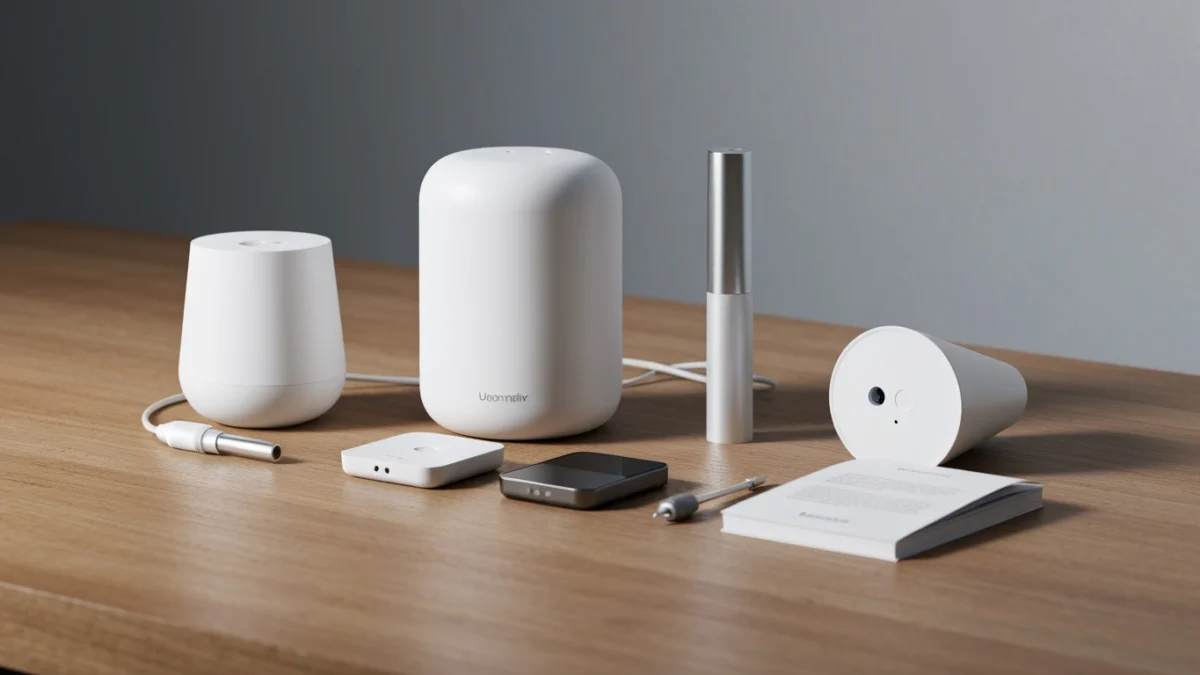
Automation with smart lights and plugs involves programming these devices to perform actions automatically based on schedules, sensors, or other triggers. This integration enhances convenience, security, and energy efficiency by controlling lighting, appliances, and other electronics without manual intervention. By leveraging smart technology, homeowners can create a more responsive and intelligent living environment tailored to their daily routines and preferences.
- Enhanced Convenience: Control devices remotely or set them to operate automatically.
- Improved Security: Create a lived-in look and deter potential intruders.
- Greater Energy Efficiency: Reduce wasted energy by automating device power.
- Personalized Ambiance: Adjust lighting and device operation to suit any mood or activity.
- Simplified Routines: Automate daily tasks like waking up or winding down.
Understanding Smart Lights and Smart Plugs
Smart lights and smart plugs are foundational components of any modern smart home system. Smart lights are LED bulbs or fixtures that can be controlled wirelessly, typically via a smartphone app, voice assistant, or smart home hub. They offer features like dimming, color changing, and scheduling, far beyond what traditional lighting provides.
Smart plugs, on the other hand, transform any ordinary appliance or lamp into a smart device. By plugging an item into a smart plug, you gain the ability to remotely turn it on or off, set schedules, and sometimes even monitor its energy consumption. Both devices connect to your home’s Wi-Fi network, allowing for seamless integration and control from virtually anywhere.
How They Connect and Communicate
Most smart lights and plugs utilize Wi-Fi, Bluetooth, Zigbee, or Z-Wave protocols to communicate. Wi-Fi devices connect directly to your home router, offering broad compatibility. Zigbee and Z-Wave devices often require a dedicated hub to bridge communication between the devices and your home network, but they typically offer greater reliability and less network congestion for larger smart home setups. Understanding these connection types is crucial for building a cohesive and functional smart home ecosystem.
Why Automate Your Home with Smart Devices?
Automating your home with smart lights and plugs offers a multitude of benefits that extend beyond simple convenience. It’s about creating a living space that adapts to your needs, enhances your lifestyle, and provides peace of mind. From simplifying daily routines to bolstering home security, the advantages are compelling.
Unparalleled Convenience
Imagine never having to walk into a dark room again or fumbling for a light switch with your hands full. Smart automation allows lights to turn on as you enter a room, coffee makers to start brewing before you wake, and fans to activate when the temperature rises. This level of hands-free control and proactive operation significantly streamlines daily life.
Enhanced Security and Peace of Mind
Smart lights and plugs play a vital role in home security. By simulating occupancy when you’re away, they can deter potential intruders. Motion-activated lighting can illuminate dark areas, surprising unwanted guests and alerting you to activity. Remote control capabilities also mean you can check on your home and adjust settings from anywhere, adding an extra layer of security.
Significant Energy Savings
One of the most practical benefits of smart home automation is its potential for energy efficiency. Automated schedules ensure lights and appliances are only on when needed. Occupancy sensors can turn off lights in empty rooms, and smart plugs can cut power to devices that draw phantom energy even when off. This intelligent management helps reduce overall energy consumption and utility expenses.
Personalized Comfort and Ambiance
Smart lighting, in particular, excels at creating the perfect atmosphere for any occasion. Adjust brightness, color temperature, or even full color schemes with a simple command or pre-set scene. Combine this with smart plugs controlling fans, humidifiers, or aroma diffusers, and you can transform your home’s environment to match your mood or activity, from a vibrant party setting to a relaxing evening retreat.
Essential Automation Ideas with Smart Lights and Plugs for Everyday Living
Integrating smart lights and plugs into your daily life can transform mundane tasks into seamless experiences. These practical automation ideas leverage the capabilities of your smart devices to enhance convenience, comfort, and efficiency throughout your home.
Morning Routine Automation
Start your day smoothly with a personalized wake-up routine. Program your smart lights to gradually brighten over 15-30 minutes before your alarm, mimicking a natural sunrise. Simultaneously, a smart plug can activate your coffee maker, ensuring a fresh brew is ready as you step into the kitchen. You can also have bathroom lights turn on to a soft, warm glow, avoiding harsh bright lights early in the morning.
Evening Ambiance and Wind-Down
As the day winds down, your smart home can transition with you. Set a schedule for living room lights to dim and shift to a warmer color temperature in the evening. A smart plug can turn on a bedside lamp or a white noise machine at a specific time, preparing your bedroom for sleep. This creates a calming environment that promotes relaxation and better sleep hygiene.
Automated Entry and Exit Lighting
Never come home to a dark house again. Integrate your smart lights with geo-fencing or motion sensors. When your phone approaches your home, or a motion sensor detects your arrival at the door, entryway lights can automatically illuminate. Similarly, when you leave, a single command or a timed delay can turn off all designated lights and appliances connected to smart plugs, ensuring nothing is left running unnecessarily.
Remote Control and Vacation Mode
The ability to control your lights and plugs remotely from anywhere in the world is incredibly powerful. Forgot to turn off a light? Check your app and switch it off. Going on vacation? Activate a ‘vacation mode’ scene that randomly turns lights on and off in different rooms, making it appear as though someone is home, enhancing security.
Task-Specific Lighting and Appliance Control
Tailor your smart devices to specific activities. For example, create a ‘reading mode’ that brightens a specific lamp and dims overhead lights. Use a smart plug to power on your desk fan during work hours or activate a slow cooker on a schedule, ensuring dinner is ready when you arrive home.
Enhancing Home Security Through Smart Light and Plug Automation
Smart lights and plugs are powerful tools for bolstering your home’s security, acting as both deterrents and alert systems. Their ability to simulate presence and respond to events adds a significant layer of protection.
Presence Simulation (Vacation Mode)
One of the most effective security automations is presence simulation. When you’re away, program your smart lights and plugs to turn on and off at varying times throughout the day and evening, mimicking typical household activity. This makes your home appear occupied, deterring potential intruders who often look for signs of an empty house. You can randomize schedules to make the pattern less predictable.
Motion-Activated Security Lighting
Integrate outdoor smart lights with motion sensors. When motion is detected in your yard or near entry points, the lights can instantly flood the area with bright illumination. This sudden light can startle intruders and make them visible, potentially preventing a break-in. Indoor motion sensors can also trigger lights in specific rooms, alerting you to unexpected movement inside your home.
Integration with Security Systems and Cameras
Many smart light and plug systems can integrate with broader smart home security platforms, including cameras and alarm systems. For instance, if a security camera detects an unfamiliar person, it could trigger all connected lights to flash red or turn on brightly, drawing attention and potentially recording the event more clearly. Smart plugs can also power sirens or other alert devices in response to security breaches.
Remote Monitoring and Control
Even without full automation, the ability to remotely monitor and control your lights and plugs adds security. If you receive an alert from a security camera, you can immediately turn on lights or activate a connected device via a smart plug to investigate or deter. This real-time control gives you immediate power over your home’s environment, no matter where you are.
Boosting Energy Efficiency with Automated Lighting and Appliances
Beyond convenience and security, smart lights and plugs offer substantial opportunities to reduce energy consumption and lower utility bills. Intelligent automation ensures that energy is used only when and where it’s truly needed.
Scheduled On/Off Times
The simplest yet most effective energy-saving automation is setting schedules. Program lights to turn off automatically at bedtime or when you typically leave for work. Use smart plugs to power down entertainment systems, charging stations, or other ‘vampire’ devices that draw standby power, ensuring they are completely off when not in use. This eliminates wasted energy from forgotten lights or always-on electronics.
Occupancy and Vacancy Sensing
Integrate smart lights with occupancy or motion sensors. Lights can automatically turn on when someone enters a room and, more importantly, turn off after a set period of no motion. This is particularly useful in areas like bathrooms, hallways, or utility rooms where lights are often left on accidentally. Vacancy sensors ensure lights are never left on in empty spaces.
Daylight Harvesting
Smart lights with ambient light sensors can adjust their brightness based on the amount of natural light available. In rooms with ample daylight, the smart lights will dim or turn off, conserving energy without you noticing a change in illumination. As natural light fades, the smart lights will gradually brighten to maintain consistent light levels.
Energy Monitoring with Smart Plugs
Many advanced smart plugs offer energy monitoring capabilities. This allows you to track the real-time and historical energy consumption of devices plugged into them. By identifying which appliances are the biggest energy hogs, you can make informed decisions about when and how to automate their usage, leading to more targeted energy savings.
Temperature and Humidity-Based Automation
While not directly controlling HVAC, smart plugs can manage auxiliary heating or cooling devices. For instance, a smart plug can turn on a space heater or a dehumidifier only when the room temperature or humidity falls outside a desired range, working in conjunction with a smart thermostat or dedicated sensor. This prevents these devices from running continuously and wasting energy.
Creative and Advanced Automation Scenarios
Once you’ve mastered the basics, the true power of smart lights and plugs lies in their ability to create highly personalized and innovative automation scenarios. These ideas go beyond simple on/off functions to craft truly intelligent environments.
Dynamic Mood Lighting
Beyond basic dimming, use color-changing smart lights to create dynamic mood lighting. Program scenes for different activities: a vibrant, cool blue for focus during work, a warm, soft amber for a cozy movie night, or a playful rainbow sequence for a party. Integrate these scenes with voice commands or a single button press for instant ambiance transformation.
Sound-Activated Lighting
Some smart lighting systems can react to sound. While not directly controlled by smart plugs, this can be part of a larger scene. Imagine lights pulsing to the beat of music during a gathering, or a subtle light turning on in a child’s room if a loud noise is detected, offering reassurance without fully waking them.
Integration with Weather Data
Connect your smart home system to weather services. For example, if the forecast predicts rain, a smart plug could automatically close smart blinds or turn on a specific light as a visual reminder to grab an umbrella. If temperatures drop significantly, a smart plug could activate a small space heater in a specific room for a short period.
Smart Home Scenes and Routines
Combine multiple smart devices into cohesive ‘scenes’ or ‘routines.’ A ‘Goodnight’ scene could turn off all lights, lock smart doors, arm your security system, and turn on a bedside lamp connected to a smart plug. A ‘Movie Night’ scene might dim the living room lights, turn on the TV and soundbar (via smart plugs), and even lower smart blinds. These multi-device automations simplify complex actions into a single command.
Proximity-Based Actions
Utilize geo-fencing or Bluetooth beacons for more granular proximity-based automations. As you approach your driveway, outdoor lights could illuminate. When you enter your home office, specific task lighting could activate. This level of personalized response makes your home feel truly intuitive and responsive to your presence.
Setting Up Your Smart Home Automation: A Step-by-Step Guide
Implementing automation ideas with smart lights and plugs is a straightforward process, but following a structured approach ensures a smooth setup and optimal performance.
- Plan Your Automation: Identify which lights and appliances you want to automate and what actions you want them to perform. Consider daily routines, security needs, and energy-saving goals.
- Choose Compatible Devices: Select smart lights and plugs that are compatible with each other and with your chosen smart home ecosystem (e.g., Google Home, Amazon Alexa, Apple HomeKit, or a dedicated hub).
- Install Smart Lights and Plugs: Replace existing bulbs with smart bulbs or plug your chosen appliances into smart plugs. Ensure they are within range of your Wi-Fi network or smart home hub.
- Download and Configure Apps: Install the manufacturer’s app for each device. Follow the in-app instructions to connect each smart light and plug to your home network.
- Integrate with a Smart Home Platform (Optional but Recommended): For a unified experience, link your individual smart devices to a central smart home platform like Google Home or Amazon Alexa. This allows you to control all devices from one app or via voice commands.
- Create Scenes and Routines: Within your device’s app or smart home platform, begin creating your desired automations. This involves setting schedules, linking devices to sensors, or grouping them into scenes.
- Test Your Automations: Thoroughly test each automation to ensure it functions as intended. Adjust timings, triggers, and device responses as needed for optimal performance.
- Monitor and Refine: Over time, observe how your automations perform. You may discover new needs or ways to optimize existing routines for even greater convenience and efficiency.
Choosing the Right Smart Lights and Plugs for Your Needs
Selecting the appropriate smart lights and plugs is crucial for a successful and satisfying smart home experience. Consider several factors to ensure compatibility, functionality, and value.
Compatibility and Ecosystem
The most important consideration is compatibility. Decide on a smart home ecosystem (e.g., Amazon Alexa, Google Home, Apple HomeKit, Samsung SmartThings) and choose devices that work seamlessly within that system. Sticking to one primary ecosystem often simplifies setup and daily use. Check for Wi-Fi, Zigbee, or Z-Wave compatibility, and whether a hub is required.
Features and Functionality
For smart lights, consider features like dimmability, color temperature adjustment (warm to cool white), full RGB color options, and brightness (lumens). For smart plugs, look for energy monitoring, USB charging ports, outdoor ratings, and physical buttons for manual control. Some plugs also offer surge protection.
Ease of Installation and Use
Opt for devices that are easy to install and set up, especially if you’re new to smart home technology. User-friendly apps and clear instructions can make a significant difference. Read reviews to gauge the overall user experience and reliability of the device’s software.
Reliability and Brand Reputation
Invest in reputable brands known for producing reliable smart home devices. While less expensive options exist, they may come with compromises in terms of connectivity, software updates, or customer support. A reliable connection is paramount for automation to function consistently.
Scalability
Consider your future smart home aspirations. Choose a system that allows for easy expansion, so you can add more lights, plugs, and other smart devices as your needs evolve without having to replace your existing setup.
Troubleshooting Common Smart Home Automation Issues
Even with careful planning, you might encounter occasional hiccups with your smart home automations. Understanding common issues and their solutions can help you quickly get your system back on track.
Connectivity Problems
One of the most frequent issues is a loss of connection. Ensure your Wi-Fi network is stable and strong, especially for devices far from your router. Restarting your router, smart home hub, or the individual smart device can often resolve temporary connection glitches. Check if there are any Wi-Fi interference sources nearby, such as microwaves or cordless phones.
Automation Not Triggering
If an automation isn’t running, double-check the conditions you’ve set. Verify schedules, sensor readings, or geo-fencing boundaries. Ensure all devices involved in the automation are online and responsive. Sometimes, a simple re-saving of the automation rule within the app can fix the problem.
Device Unresponsiveness
When a smart light or plug isn’t responding to commands, try power cycling the device by unplugging it for a few seconds and plugging it back in. If the issue persists, check the device’s status in its respective app. It might need a firmware update or a full reset and re-pairing with your network.
Compatibility Conflicts
Ensure all your smart devices are compatible with your central smart home platform. Sometimes, updates to one platform can temporarily affect integration with another. Check the manufacturer’s support pages for known issues or required updates.
App or Platform Glitches
Occasionally, the smart home app itself or the cloud service it relies on might experience issues. Check for app updates, clear the app’s cache, or restart your smartphone. If it’s a widespread service outage, you may need to wait for the provider to resolve it.
The Future of Smart Home Automation
The landscape of smart home automation is continuously evolving, promising even more intuitive, integrated, and intelligent living spaces. The future holds exciting possibilities for how smart lights and plugs will interact with their environment and with us.
Enhanced AI and Machine Learning
Future smart homes will likely leverage AI and machine learning to predict your needs with greater accuracy. Instead of just following schedules, your lights might learn your habits and adjust automatically based on your presence, time of day, and even your mood, without explicit programming. Smart plugs could optimize appliance usage based on real-time energy prices or grid demand.
Seamless Interoperability
Efforts like the Matter standard aim to create a truly unified smart home experience, where devices from different manufacturers communicate effortlessly. This will simplify setup, reduce compatibility headaches, and allow for more complex and robust automation scenarios involving a wider array of devices.
Contextual Awareness
Smart homes will become more contextually aware, understanding not just who is home, but what they are doing. Imagine lights adjusting based on whether you’re reading, watching TV, or cooking, or smart plugs activating devices based on specific gestures or even biometric data. This will lead to a truly personalized and proactive home environment.
Sustainable and Resilient Homes
Automation will play an even larger role in creating sustainable homes. Smart lights and plugs will integrate more deeply with renewable energy sources, optimizing energy consumption to align with solar production or off-peak grid times. They will also contribute to home resilience, providing essential functions during power outages or other disruptions.
Frequently Asked Questions
What are the most popular automation ideas with smart lights and plugs for beginners?
For beginners, popular automation ideas include setting lights to turn on and off on a schedule, such as morning wake-up routines or evening ambiance. Using smart plugs to automate coffee makers or fans, and creating a ‘Goodnight’ scene to turn off all lights with a single command, are also excellent starting points for new users.
How can smart lights and plugs improve home security through automation?
Smart lights and plugs enhance home security by simulating occupancy when you’re away, making it appear as if someone is home. They can also be triggered by motion sensors to illuminate dark areas, deterring intruders, or integrate with security cameras to provide better visibility during alerts.
Can automation ideas with smart lights and plugs really save energy?
Yes, automation with smart lights and plugs can significantly save energy. By setting schedules, using occupancy sensors to turn off lights in empty rooms, and cutting power to devices that draw standby energy via smart plugs, you can reduce unnecessary power consumption and lower your utility expenses.
What smart home platforms are best for implementing automation ideas with smart lights and plugs?
Popular smart home platforms like Amazon Alexa, Google Home, and Apple HomeKit are excellent for implementing automation ideas. They offer broad compatibility with various smart lights and plugs, allowing for centralized control, voice commands, and the creation of complex routines and scenes.
Are there any creative or unusual automation ideas with smart lights and plugs?
Creative automation ideas include dynamic mood lighting that changes color and brightness based on activity or time of day, integrating lights with weather forecasts, or creating elaborate ‘scenes’ that combine multiple devices for specific events like a movie night or a party. Some users even set up lights to react to sound.
What are common challenges when setting up automation ideas with smart lights and plugs?
Common challenges include ensuring stable Wi-Fi connectivity, resolving compatibility issues between different brands or platforms, and accurately configuring automation rules. Troubleshooting can also involve dealing with unresponsive devices or ensuring sensors are placed optimally for reliable triggering.
Conclusion
Automation with smart lights and plugs offers a transformative way to interact with your home, bringing unparalleled convenience, enhanced security, and significant energy savings. By understanding the capabilities of these devices and implementing thoughtful automation ideas, you can create a living space that is not only smarter but also more responsive to your lifestyle. Start with simple routines and gradually expand your system to unlock the full potential of a truly automated home. Explore the possibilities and begin your journey towards a more intelligent and efficient living environment today.
[{“@context”:”https://schema.org”,”@type”:”Article”,”headline”:”Unlock Your Home’s Potential: Top Automation Ideas with Smart Lights and Plugs”,”mainEntityOfPage”:”https://homegeartoday.com/?p=915″,”datePublished”:”2025-12-13T07:36:28+00:00″,”dateModified”:”2025-12-13T07:36:28+00:00″},{“@context”:”https://schema.org”,”@type”:”ItemList”,”itemListElement”:[{“@type”:”ListItem”,”position”:1,”name”:”Understanding Smart Lights and Smart Plugs”},{“@type”:”ListItem”,”position”:2,”name”:”How They Connect and Communicate”},{“@type”:”ListItem”,”position”:3,”name”:”Why Automate Your Home with Smart Devices?”},{“@type”:”ListItem”,”position”:4,”name”:”Unparalleled Convenience”},{“@type”:”ListItem”,”position”:5,”name”:”Enhanced Security and Peace of Mind”},{“@type”:”ListItem”,”position”:6,”name”:”Significant Energy Savings”},{“@type”:”ListItem”,”position”:7,”name”:”Personalized Comfort and Ambiance”},{“@type”:”ListItem”,”position”:8,”name”:”Essential Automation Ideas with Smart Lights and Plugs for Everyday Living”},{“@type”:”ListItem”,”position”:9,”name”:”Morning Routine Automation”},{“@type”:”ListItem”,”position”:10,”name”:”Evening Ambiance and Wind-Down”},{“@type”:”ListItem”,”position”:11,”name”:”Automated Entry and Exit Lighting”},{“@type”:”ListItem”,”position”:12,”name”:”Remote Control and Vacation Mode”},{“@type”:”ListItem”,”position”:13,”name”:”Task-Specific Lighting and Appliance Control”},{“@type”:”ListItem”,”position”:14,”name”:”Enhancing Home Security Through Smart Light and Plug Automation”},{“@type”:”ListItem”,”position”:15,”name”:”Presence Simulation (Vacation Mode)”}]}]Wake-up light routines (lights gradually brighten at alarm time), leaving-home automations (all lights off when you leave), security lighting (random schedule when away), movie mode (lights dim to preset level), and bedtime routines (gradual dimming over 30 minutes) are among the most useful and popular automations.
All major smart light apps (Philips Hue, LIFX, Govee) include visual automation builders with preset templates. Select trigger conditions (time, sunset, voice, location), choose affected devices, and set the action. Most useful automations take under 5 minutes to configure in the app.
Smart plugs automate any appliance that operates with a simple power on/off cycle: lamps, fans, coffee makers, phone chargers, air purifiers, and holiday lights. They cannot automate devices that require physical button presses to operate (like some TVs or appliances with electronic controls).
A morning routine might include: 30 minutes before alarm — bedroom temperature adjusts. At alarm time — bedroom lights gradually brighten. 15 minutes after alarm — kitchen lights turn on and coffee maker activates. Scheduled together, these make mornings smoother without requiring active interaction.
Yes, automations that ensure lights and plugs turn off when rooms are unoccupied, reduce HVAC use when you are away, and optimize appliance usage for off-peak energy hours can reduce home energy consumption by 10–20%. Smart plug energy monitoring helps identify your highest-consumption devices for targeted optimization.