
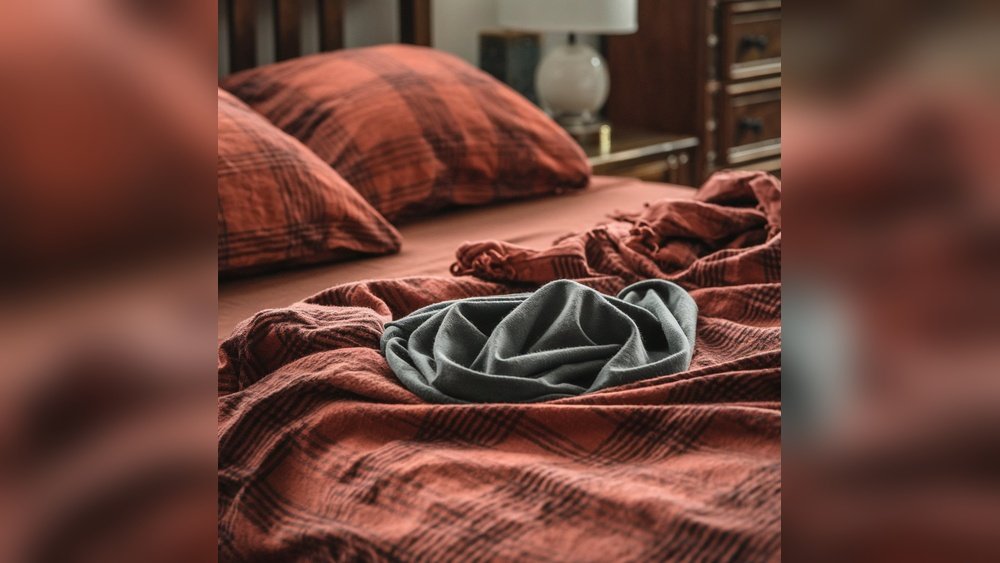
Are Jersey Sheets As Warm As Flannel Sheets
Many people want their beds to feel warm and cozy, especially during cold nights. Choosing the right type of bed sheet can make a big difference in how comfortable you feel. Two popular options for warmth are jersey sheets and flannel sheets. While both have a reputation for being soft and comfortable, they are made differently and offer unique benefits. But are jersey sheets as warm as flannel sheets? Let’s explore the differences, similarities, and what you should consider to find the best sheet for your needs.
What Are Jersey Sheets?
Jersey sheets are made from the same kind of knit fabric used for t-shirts. They are usually created from 100% cotton, but sometimes include blends with polyester or rayon. The jersey knit gives these sheets a stretchy, soft feel that many people describe as “t-shirt material.”
The main features of jersey sheets:
- Stretchy and flexible: They fit easily on most mattresses and stay in place.
- Soft texture: Feels smooth against the skin, much like your favorite worn-in t-shirt.
- Breathable: Allows air to move through the fabric, making them comfortable in different seasons.
Jersey sheets are often chosen for their comfort and casual style. They are especially popular in college dorms and children’s rooms because of their easy care and relaxed look.
What Are Flannel Sheets?
Flannel sheets are made from a woven fabric that is brushed on one or both sides. The brushing process raises tiny fibers from the fabric surface, creating a soft, fuzzy texture. Flannel can be made from cotton, wool, or synthetic fibers, but cotton flannel is the most common for bedding.
Key qualities of flannel sheets:
- Brushed surface: The fuzziness traps air, providing extra insulation and warmth.
- Soft and plush: Feels cozy and gentle against the skin.
- Thicker material: Usually heavier than jersey or regular cotton sheets.
Flannel sheets are famous for keeping people warm in winter, and many people switch to flannel bedding when the temperature drops.
How Do Jersey And Flannel Sheets Compare For Warmth?
People often wonder if jersey sheets can keep them as warm as flannel sheets. Warmth depends on several factors, including fabric weight, weave, and how the sheets hold heat.
Warmth Comparison Table
Here’s a simple comparison of how each sheet type performs for warmth, breathability, and texture:
| Feature | Jersey Sheets | Flannel Sheets |
|---|---|---|
| Warmth | Moderate | High |
| Breathability | Good | Moderate |
| Texture | Soft, smooth | Soft, fuzzy |
Flannel sheets are generally warmer because the brushed surface traps more air, creating insulation. This makes them ideal for cold climates or winter use. Jersey sheets feel cozy but are not as insulating. They work well for people who want some warmth without overheating.
Material And Construction Differences
The way each sheet is made affects how it feels and performs.
Jersey Sheets Construction
- Knitted, not woven: The loops in the knit allow for stretch and flexibility.
- Single or double knit: Double knit is heavier and warmer, but most jersey sheets use single knit.
- Usually lighter: The fabric is not thick, so it does not trap as much heat.
Flannel Sheets Construction
- Woven fabric: Usually in a plain or twill weave.
- Brushed after weaving: This process creates a pile (fuzz) that holds heat.
- Varies in weight: Heavier flannel means more warmth.
For example, a flannel sheet with a weight of 5 ounces per square yard will be much warmer than a lightweight jersey sheet.

Credit: barehome.com
Which Is Better For Winter?
If your main goal is to stay warm during cold nights, flannel sheets are usually the better choice. The brushed texture and thicker material provide more insulation. Many people in cold regions choose flannel for this reason.
However, jersey sheets can be enough for people who sleep hot or live in milder climates. They are a good “all-season” option, offering softness without trapping too much heat.
Comfort And Softness
Both types of sheets are popular for their comfort, but the softness feels different.
- Jersey sheets: Smooth and stretchy. The comfort is similar to wearing your favorite t-shirt.
- Flannel sheets: Fluffy and plush. The brushed surface feels gentle and warm.
One insight many people miss: jersey sheets can feel even softer after several washes, but low-quality flannel may become scratchy if not cared for properly.
Credit: www.walmart.com
Durability And Care
How long your sheets last depends on the quality and how you wash them.
Jersey Sheets
- Less likely to pill (form little balls of fiber) if made from high-quality cotton.
- Can stretch out over time, especially at the corners.
- Easy care: Machine wash and dry. They resist wrinkles.
Flannel Sheets
- Prone to pilling if brushed too much or made from low-quality fibers.
- Shrinkage risk: Flannel can shrink if washed in hot water.
- Needs gentle care: Wash in cold or warm water and avoid high heat in the dryer.
A common mistake: over-drying flannel sheets, which makes them rough and less warm over time.
Climate And Sleeping Preferences
Choosing between jersey and flannel sheets depends on where you live and how you sleep.
- If your winters are very cold or you sleep with little extra bedding, flannel sheets offer the most warmth.
- For people who get hot at night or live in warmer places, jersey sheets are a better choice because they breathe more.
- Some people layer flannel sheets with a jersey pillowcase for comfort and warmth.
Cost And Value
Prices for both types of sheets can vary, but there are some trends:
- Jersey sheets: Usually more affordable. Good-quality sets start around $30–$50 for queen size.
- Flannel sheets: Higher-quality flannel (heavier weight, double-brushed) starts at $40–$70.
Heavier flannel costs more but lasts longer and stays soft. Cheap flannel pills and wears out quickly.
Appearance And Style
Both sheet types come in many colors and patterns, but they look and feel different on your bed.
- Jersey sheets: Casual, relaxed look. They fit snugly and have a slight stretch.
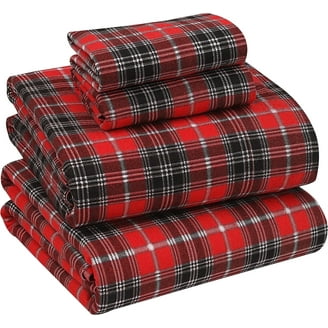
- Flannel sheets: Thicker, with a matte finish. Often come in classic plaids and patterns.
Jersey sheets can sometimes look wrinkled after washing, while flannel sheets tend to stay neat.

Credit: www.amazon.com
Seasonal Use And Versatility
Some people like to change their bedding with the seasons.
- Jersey sheets: Good for fall and spring. Can be used year-round in mild climates.
- Flannel sheets: Best for late fall and winter. Some people find them too hot for summer.
A helpful tip: If you like both, rotate jersey and flannel sheets during the year for the most comfort.
Environmental Impact
Both cotton jersey and flannel sheets can be made from organic materials. However, the brushing process for flannel uses more energy and water. If eco-friendliness is important to you, look for organic and fair-trade certifications.
Real-world Experiences
People often describe flannel sheets as a “warm hug” on cold nights, while jersey sheets are “like sleeping in your favorite t-shirt. ” Some people find flannel too hot or heavy, especially if they sleep with a thick comforter.
One common surprise: jersey sheets may feel cooler when you first get into bed but warm up quickly with body heat. Flannel sheets feel warm immediately because of the fuzzy surface.
How To Choose Between Jersey And Flannel Sheets
When deciding, think about these points:
- Climate: If winters are harsh, flannel is best. For milder weather, jersey works well.
- Personal warmth needs: Do you get cold easily, or do you prefer lighter bedding?
- Allergies: Both can be hypoallergenic if made from pure cotton.
- Care routine: Are you willing to wash gently, or do you want low-maintenance sheets?
- Budget: High-quality flannel costs more. Cheap jersey can lose shape, so look for 100% cotton.
Practical Tips For Buying
- Check the weight of flannel (measured in ounces per square yard). Heavier means warmer.
- For jersey sheets, look for combed cotton or ring-spun cotton for extra softness.
- Avoid flannel sheets under 4 ounces per square yard if you want real warmth.
- Wash new flannel sheets before first use to reduce lint and increase softness.
Data: Sheet Warmth Ratings
Some bedding experts rate sheets for warmth on a scale. Here’s a comparison based on real user reviews:
| Sheet Type | Warmth Rating (1-5) | Best For |
|---|---|---|
| Jersey | 3 | All seasons, mild winters |
| Flannel | 5 | Cold winters, chilly rooms |
Which Sheet Type Lasts Longer?
Durability depends on quality and care, but here are some general trends:
- High-quality flannel can last five years or more with gentle care.
- Jersey sheets last about three to five years before showing wear or stretching out.
Using a gentle wash cycle, avoiding high heat, and not over-drying will help both types last longer.
Summary: Are Jersey Sheets As Warm As Flannel Sheets?
In most cases, flannel sheets are warmer than jersey sheets. Flannel’s brushed, thick surface holds more heat, making it ideal for winter or cold rooms. Jersey sheets are comfortable and cozy but not as insulating. They are best for people who want some warmth without overheating or who sleep in mild climates.
Choosing the best sheet depends on your personal comfort, climate, and care habits. If you value maximum warmth, flannel is the way to go. For everyday comfort and softness, jersey sheets are a solid choice.
If you want to read more about the science of bedding materials, check out this Wikipedia entry on bedding.
Frequently Asked Questions
Are Jersey Sheets Good For Winter?
Jersey sheets offer moderate warmth and are comfortable for fall or mild winter nights. They are not as warm as flannel sheets, but many people find them cozy enough if their home is not too cold or if they use extra blankets.
Do Flannel Sheets Make You Sweat?
Flannel sheets can cause overheating for some people, especially if you sleep hot or live in a warm climate. The thick, fuzzy surface traps heat, which is great for winter but may be too much in warmer weather.
Which Is Softer: Jersey Or Flannel Sheets?
Both are soft but in different ways. Jersey sheets feel like a soft t-shirt—smooth and stretchy. Flannel sheets are fuzzy and plush, offering a different kind of softness that feels warmer and heavier.
How Do I Prevent Flannel Sheets From Pilling?
To keep flannel sheets smooth, wash them in cold or warm water on a gentle cycle and avoid high heat in the dryer. Using less fabric softener and washing with similar fabrics also helps prevent pilling.
Do Jersey Sheets Shrink After Washing?
Jersey sheets can shrink a little, especially if made from 100% cotton. To reduce shrinkage, wash in cold water and dry on a low or medium setting. High-quality jersey sheets are pre-shrunk for better fit.
For more helpful guides, check out best material for cooling sheets, linen vs cotton vs bamboo sheets comparison, and summer vs winter bedding essentials.
Upgraded home gear improves efficiency, comfort, and safety. Modern appliances and tools use less energy, require less effort, and deliver better results than older counterparts, enhancing day-to-day home life quality.
Focus on items that affect your daily routine most — bedding quality for better sleep, cookware safety, and storage solutions for home organization. Address problem areas before making purely aesthetic upgrades.
Quality mattresses, bedding, cookware, and kitchen knives deliver the highest daily-use value. These items directly affect health, comfort, and enjoyment of your home environment every single day.
Examine materials, weight, and finish quality in person when possible. Check certifications, warranties, and brand reputation. Avoid products with vague material descriptions or suspiciously low prices for premium claims.
Look for at least a 1-year warranty for smaller items and 3–5 years for major appliances. Understand what the warranty covers — some only cover manufacturing defects, while premium warranties include accidental damage.