
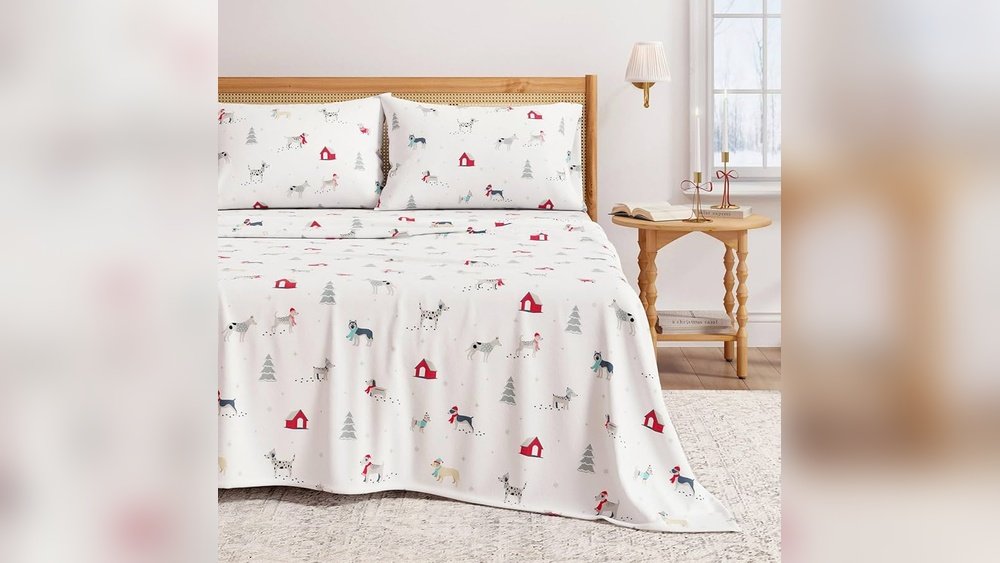
When the nights get colder and winter arrives, many people start searching for ways to stay warm and cozy while they sleep. One popular solution is flannel sheets. You might have heard that flannel is perfect for cold weather, but is that really true? Let’s look deeper into what makes flannel sheets so popular, how they work, their pros and cons, and whether they’re truly the best choice for chilly nights.
What Are Flannel Sheets?
Flannel sheets are made from a soft woven fabric. This fabric can be made from cotton, wool, or synthetic fibers. The main feature of flannel is its fuzzy surface, which is created by brushing the fabric. This brushing makes the fabric soft and helps trap warm air, which is why flannel feels so warm and inviting.
There are different types of flannel, but most flannel sheets you see in stores are made from cotton. Cotton flannel is breathable and soft. Some flannel sheets are made from blends or polyester, which can be less expensive but might not feel as luxurious.
Why Flannel Is Popular In Cold Weather
Many people love flannel sheets when the temperature drops. Here’s why:
- Insulation: The fuzzy surface traps body heat, keeping you warmer.
- Softness: Flannel feels gentle on the skin, making it comfortable for sleeping.
- Breathability: Good quality flannel sheets let air pass through, so you don’t get too hot.
- Durability: Flannel sheets are often thicker and can last through many washes.
These features make flannel a favorite for winter bedding.
Credit: www.ebay.com
How Flannel Sheets Trap Warmth
Flannel’s warmth comes from its unique structure. The brushing process lifts fibers from the surface, creating tiny pockets. These pockets trap warm air close to your body. It’s similar to how a thick sweater keeps you warm—by holding in the heat your body creates.
Here’s a simple comparison between flannel and other common sheet fabrics:
| Fabric Type | Main Feature | Warmth Level | Best Season |
|---|---|---|---|
| Flannel (Cotton) | Brushed, fuzzy surface | High | Winter |
| Jersey | Stretchy, T-shirt-like | Medium | Fall/Spring |
| Percale Cotton | Cool, crisp weave | Low | Summer |
| Sateen Cotton | Silky, smooth feel | Medium | All seasons |
The Science Behind Flannel Warmth
The warmth of flannel is not just about thickness. It’s about how it holds air. Air is a poor conductor of heat, so when flannel traps air, it stops your body warmth from escaping. This is why flannel can feel warmer than even some thicker, non-fluffy sheets.
A study from the American Textile Manufacturers Institute found that brushed cotton flannel keeps warmth about 20% better than plain cotton sheets of similar thickness. This extra insulation means you can even lower your thermostat a little, saving on heating costs.
Key Benefits Of Flannel Sheets For Cold Weather
Let’s look at some of the biggest reasons people choose flannel when it gets cold:
1. Instant Warmth
Unlike regular cotton sheets, flannel doesn’t feel icy when you first get into bed. Its fuzzy surface feels warm right away.
2. Comfort All Night
Flannel holds heat around your body, so you’re less likely to wake up feeling cold.
3. Soft Texture
The brushed surface is gentle, which is great for sensitive skin.
4. Durable And Long-lasting
Quality flannel sheets can last many winters if cared for properly.
5. Helps Save Energy
Since you feel warmer, you might not need to turn up the heat as much.
6. Variety Of Styles
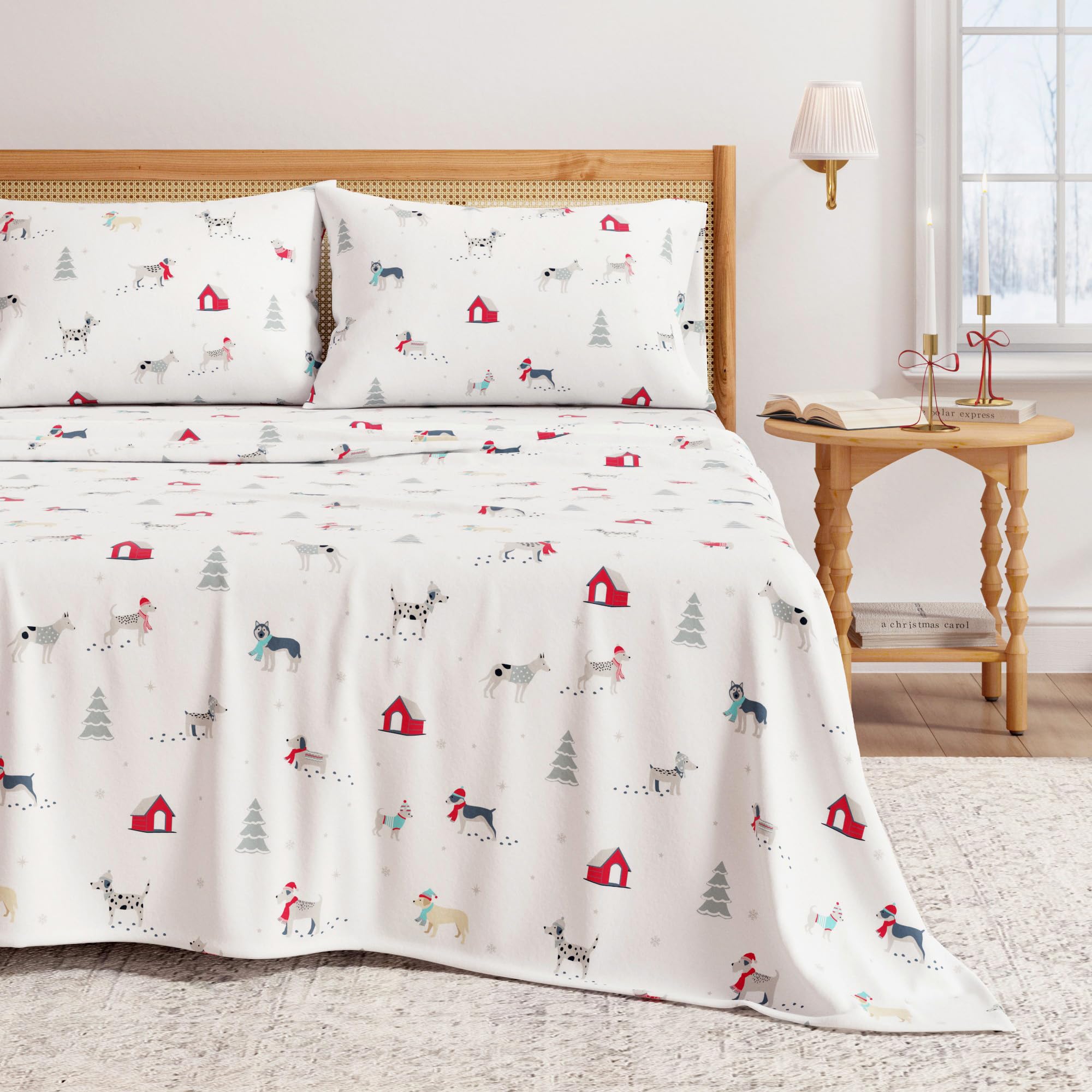
Flannel sheets come in many colors and patterns, making it easy to match your bedroom.
Common Concerns About Flannel Sheets
While flannel is great for cold weather, it’s not perfect for everyone. Here are some things to consider:
- Can Feel Too Warm: If you tend to sleep hot, flannel might make you sweat.
- Pilling: Over time, flannel can form small balls of fabric on the surface. This is called pilling. Higher quality flannel pills less.
- Shrinkage: Flannel sheets can shrink if washed in hot water or dried on high heat.
- Not for Summer: Most people find flannel too warm for hot weather.
How To Choose The Right Flannel Sheets
Not all flannel sheets are the same. Here are some tips to help you pick the best set for cold weather:
1. Material Quality
Look for 100% cotton flannel. Cotton is breathable and soft. Synthetic blends can be cheaper but often feel less comfortable.
2. Weight (gsm)
Flannel sheet weight is measured in grams per square meter (GSM). A higher GSM means a thicker, warmer sheet. Most winter flannel sheets are between 160-190 GSM. For extra cold climates, you might want something above 170 GSM.
3. Brushing
Sheets brushed on both sides feel softer and trap more heat. If possible, check if the flannel is double-brushed.
4. Country Of Origin
Flannel made in Portugal or Germany is often considered the best quality. These countries have a long tradition of making high-quality, long-lasting flannel.
5. Fit And Size
Flannel shrinks more than other fabrics. Check if the sheets are “pre-shrunk,” or buy a slightly larger size.
6. Color And Pattern
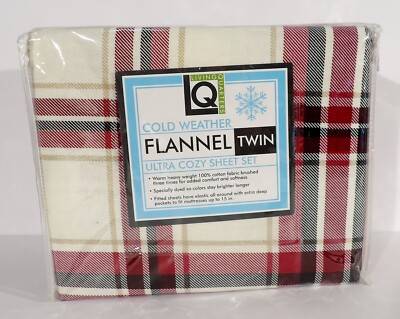
Flannel comes in many patterns. Plaid is classic, but solid colors are easy to match. Choose what makes your bedroom feel cozy and inviting.
Caring For Flannel Sheets
Flannel sheets last longer with the right care. Here’s how to keep them soft and cozy:
- Wash in cold or warm water to avoid shrinking.
- Use gentle detergent. Avoid bleach, which damages fibers.
- Dry on low heat or air dry. High heat causes shrinkage and pilling.
- Avoid fabric softener. It can build up and make flannel less soft over time.
- Remove from the dryer promptly to avoid wrinkles.
With good care, flannel sheets can last for years and get softer with every wash.
Comparing Flannel To Other Winter Bedding
You might wonder if flannel is better than other winter options, such as fleece or microfiber. Here’s a direct comparison:
| Bedding Type | Warmth | Breathability | Softness | Durability |
|---|---|---|---|---|
| Flannel | High | Good | Very Soft | High |
| Fleece | Very High | Poor | Very Soft | Medium |
| Microfiber | Medium | Good | Soft | Medium |
| Jersey | Medium | High | Soft | Medium |
Fleece sheets are even warmer than flannel but can trap sweat and feel sticky. Microfiber is soft and cheap, but it’s not as breathable as cotton flannel. Jersey is like a T-shirt but doesn’t insulate as well as flannel.
Non-obvious Insights And Mistakes To Avoid
Most people think thicker flannel is always better for warmth. But too thick flannel can actually make you sweat, leading to poor sleep. Breathability is just as important as insulation.
Another common mistake: Many buyers ignore GSM (weight), focusing only on price or color. Low GSM flannel won’t keep you as warm and tends to wear out faster.
Also, some people use fabric softeners, thinking it will make flannel softer. In reality, softeners can coat the fibers and make sheets feel stiff over time.
Real-world Example
Consider someone living in Minnesota, where winter temperatures often drop below freezing. This person switched from regular cotton sheets to 170 GSM Portuguese flannel sheets and reported needing one less blanket at night. Their heating bill also dropped by about 10% during the coldest months, simply because they felt warmer in bed and could lower the thermostat.
Cost Vs. Value
Flannel sheets can be more expensive than regular cotton or microfiber. But high-quality flannel lasts longer and stays soft, even after many washes. Over time, this can save money, since you won’t need to replace your bedding as often.
Here’s a price comparison for queen-size sheet sets:
| Sheet Type | Average Price (USD) | Expected Lifespan |
|---|---|---|
| Flannel (High Quality) | $60 – $120 | 5+ years |
| Microfiber | $20 – $40 | 1-2 years |
| Regular Cotton | $30 – $70 | 3-4 years |
| Fleece | $35 – $65 | 2-3 years |
While the upfront cost for flannel can be higher, the long-term value is clear, especially for those who want warmth and comfort every winter.
Environmental And Health Aspects
Cotton flannel, especially if organic, is considered eco-friendly. It’s a natural fiber, biodegradable, and doesn’t release microplastics like synthetic sheets. This makes cotton flannel a better choice for people with allergies or sensitive skin.
However, it’s important to check for certifications like OEKO-TEX or GOTS if you want to avoid harmful chemicals. Cheaper, dyed flannel sheets might use chemicals that can irritate the skin or cause allergies.
When Flannel Might Not Be The Best Choice
Flannel is great for winter, but there are times when you might want something else:
- If you live in a warm climate, flannel may be uncomfortable.
- If you sleep hot or share a bed with someone who does, consider lighter sheets.
- For people with very sensitive skin, test a small piece of flannel first. Some people find the fuzz irritating.
Credit: www.amazon.com
Where To Buy Quality Flannel Sheets
Look for flannel sheets at well-known stores or online retailers. Check the GSM and read customer reviews. Brands from Portugal or Germany often get high marks for quality and longevity.
For more about flannel and bedding, you can read detailed guides at Sleep Foundation.
Frequently Asked Questions
What Is The Best Gsm For Flannel Sheets In Winter?
A GSM of 170 or higher is best for very cold weather. For milder winters, 160-170 GSM is enough. Higher GSM means thicker, warmer sheets.
Do Flannel Sheets Shrink After Washing?
Yes, flannel can shrink, especially if washed in hot water or dried on high heat. To reduce shrinkage, wash in cold or warm water and dry on low.
Are Flannel Sheets Suitable For People With Allergies?
100% cotton flannel is usually safe for people with allergies, especially if it’s organic. Synthetic flannel can sometimes cause irritation. Always wash new sheets before use.
Can You Use Flannel Sheets Year-round?
Most people find flannel too warm for summer. In cool climates or air-conditioned rooms, some use flannel year-round. If you sleep hot, switch to lighter sheets in warm months.
How Long Do Flannel Sheets Last?
High-quality flannel sheets can last 5 years or more with proper care. Avoiding high heat and washing gently will help them stay soft and strong.
Staying warm at night is important for good sleep. Flannel sheets are one of the best bedding choices for cold weather because they combine warmth, softness, and durability. By picking the right set and caring for them well, you can enjoy many cozy winters and restful nights.

Credit: www.ebay.com